


In the village of saltamu, haba river countyPlantationThe base, a blooming aura. "the dragon acetone is a valuable and excellent medium medicine, which, because of its long duration, can be picked up for up to 150 people per day, with an average wage of $200 per person per day, and radiation-driven local labourEconomyIt's rising。
This year, the haba river county promoted the cultivation of the sunflower as a new highlight for rural revenue generation, introduced the xinjiang pharma valley biotech limited, and worked with local growers to establish a base for the sunflower cultivation, making it one of the visual herbal bases for cooperative farming. At present, the total area under cultivation at the base is over 1,000 acres。
In recent years, the altai region has targeted the construction of the “west china pharma valley” and has been very activeDevelopmentChinese herbsIndustryThe scale of chinese herbal cultivation has expanded over the years and has become one of the niche industries for local farmers to grow wealth. By 2025, the area under herbal cultivation is planned to reach 500,000 acres throughout the region, boosting more than 4,000 growers。
The glycerine, yellow-coloured, red flowers, party ginseng, twat, beri each and zhi lan root walked into the xinjiang xinjiang haq pharmaceuticals limited exhibition hall in the haba district and only saw a variety of home-grown pharmaceutical products. “the good soil, the good air and the good water quality of the habba river county are the basis for the cultivation of quality medicines, and the potential for developing the pharmaceutical industry is enormous.” the director of the company zing was impressed。
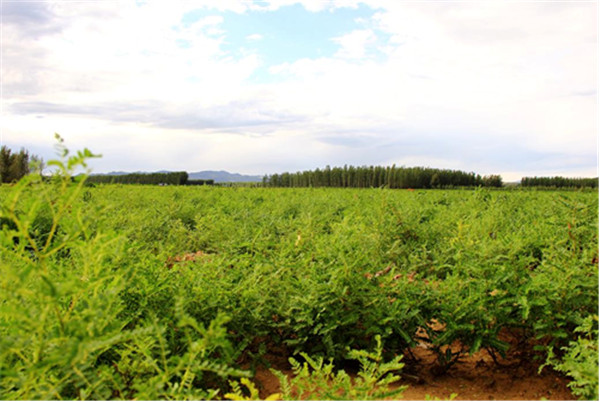
The khaba district is situated on the southern side of the altai shan and on the erzis river, with air quality maintained throughout the year, with over 200 herbs in the wild. In recent years, the county has been vigorously pursuing structural reforms on the supply side of the growing industry by promoting the cultivation of viable herbs, which last year increased to over 30,000 acres, to 110,000 acres this year and to 200,000 acres at the end of the “1455”。
Chinese herbs grow, turning old “herb” into today's “poo”. In 2019, xinjiang kee-sheng herbal plantation technology ltd. Established a planting base in the village of kurmisi, saltam, haba river district. Last year, the base was expanded to 10,000 acres. A chain of herbs has gradually been formed in salta commune through the production of seedlings, breeding grounds and growing grounds. The labour force liberated from the traditional cultivation industry can be engaged in seeding, weeding, transportation, drug classification, etc. At the chinese herbs base, achieving near employment and steady growth. There are approximately 100 villagers working permanently at the base, all from the villages surrounding the base. Depending on the intensity of the work, the average monthly income is $4,000。
At present, the khaba river county has completed the haba river development plan for the herbal industry (2021-2030), which focuses on the whole industry chain development in the chinese herbal industry, focusing on the three key elements of “standardized planting, refined processing, branding and marketing” and coordinating the “eight major projects”, which, over three to five years, will initially make the haba river county an inland highland for the breeding, planting, processing and marketing of chinese herbs; and by 2030, it will be called the full “quest river valley” and will make the haba river a well-known centre for the distribution of medium herbs in the north-west and throughout the country。
The county is now fully engaged in the process of “fiveization” (organization, size, standardization, marketing, branding) of chinese herbal cultivation, coordinating the integration of leading enterprises, cooperatives and growers and involving farmers in the chinese herbal industry. Herbal herbs could be grown this year in 110,000 acres, an increase of 330 per cent over the previous year, in the form of seedlings, seedlings, field shifting and heavy production. At the same time, the construction of a chinese herbal cut-off plant and a drinking plant will completely address the marketing of herbal medicine in the county, and will lead to the development of the herbal industry in neighbouring counties and municipalities and to the gradual formation of a chinese herbal plant。
At the same time, policy guarantees are provided for the development of the chinese herbal industry. Documents such as the implementation of the rural renewal strategy in the khaba river county to speed up the development of modern farming and livestock, a subsidy of $300 per acre for new areas under cultivation, the government's concentration on the acquisition of herbal plant transfer and extraction machinery, the leasing of planters at the lowest market prices, the provision of interest-rate reductions and financial guarantees for financing loans for herbal medicine in development, the coordination of insurance companies ' full coverage of commercial coverage for herbal cultivation, the provision of a full-scale preferential policy for the development of the chinese herbal industry, and the effective promotion of enterprise and large-scale development of herbal medicine。
Work to extend the chain of herbal cultivation is also advancing in an orderly manner. Harba river county is actively exploring the integration of herbal cultivation and rural tourism. The two rural tourist demonstration villages of ito akil and cain de agel, which combine flower seascapes and grow medium-level herbs, such as orange worms and drying, which are of value and economic income, have gradually introduced a series of therapeutic meals to demonstrate the culture of chinese medicine and medicine, provide food for the population, deepen the integration of rural tourism with the chinese herbal industry and gradually create a new brand of recreational tourism in khaba county。
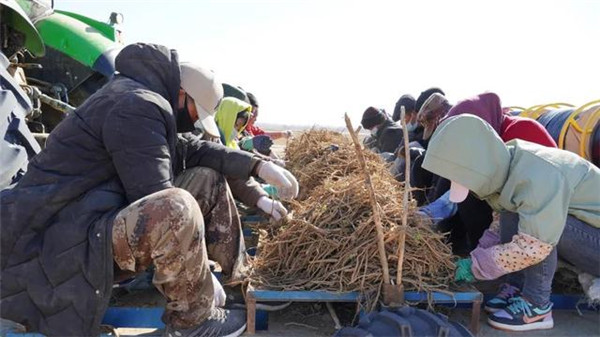
Strong support for the city and the province of qan has also contributed to the creation of an entire industry chain of chinese herbs in the altai area. In august, a growing season of herbal drugs of various types, including glycerine, yellow tungsten and plaster, was observed at the haba district test station at the agricultural institute of jilin province. “this year, our project team, overcoming adverse weather effects such as spring droughts, high temperatures and wind, has taken effective measures, and the herbal herbs in the test station are now well developed.” han zhongming, vice-president of the school of medicine in secondary medicine at jilin agricultural university, is testing the growth and development of chinese herbs. “this year, we have also been working on the domestication of large quantities of chinese pharmacists, such as red flowers and astronomical art, and the construction of seed-resource nurseries.”
The establishment of the first chinese expert station on herbal medicine in all over the country in the khaba river district in june this year will give a strong impetus to the integrated development of the central, mid- and downstream industries of herbal medicine in the altai area, promote the development of the entire chinese herbs chain and contribute to the development of a skilled workforce of herbal medicine. In recent years, jilin province has been developing pilot models of organic fertilizers as an alternative to fertilizers, integrated green control of pest herbicides, etc., through the selection of herbicides suitable for size, intensification, mechanized production, etc., in the altai area, developing technical protocols for standardized cultivation of chinese herbs appropriate to local production requirements, promoting the construction of large-scale green standardized production bases for chinese medicinal products and promoting sustainable development of the herb industry in the altai area. In may this year, jilin province coordinated a study tour to altai district of more than 10 home-based pharmaceutical companies in the governorate, which resulted in a number of investment and support initiatives in the field of drug domestication, development of high-quality chinese medicine, chinese tablet processing and product marketing。
“gilin province insists on a combination of `breed transfusion' and `breeding', building on the strengths and potentials of the recipients and promoting the growth of the niche industry. As a next step, jilin province will continue to strengthen the introduction, demonstration and promotion of chinese herbs, introduce pharmaceutical enterprises, conduct further chinese herbs processing and the development of finished formulations, extend the chinese herbs industry chain, achieve agricultural efficiency and increase farmers' incomes.” the deputy secretary-general of the al-thai commission, commander-in-chief of the jilin provincial support command, said in chinese. Luvin, zhu zhipen, changju, liu xinmei









