ChinaImport banIndiaRiceThe reason given is unacceptable to indians。
The indian business news, the times of india, recently reported that china officially revoked the import licences of three indian rice enterprises. The three enterprises are named nmfoodlmpex pvt. Ltd., shriram food industry ltd., spoI'm not sure if i'm going to do this。
The reason is china found out about their cargoGenetically modifiedComponent。
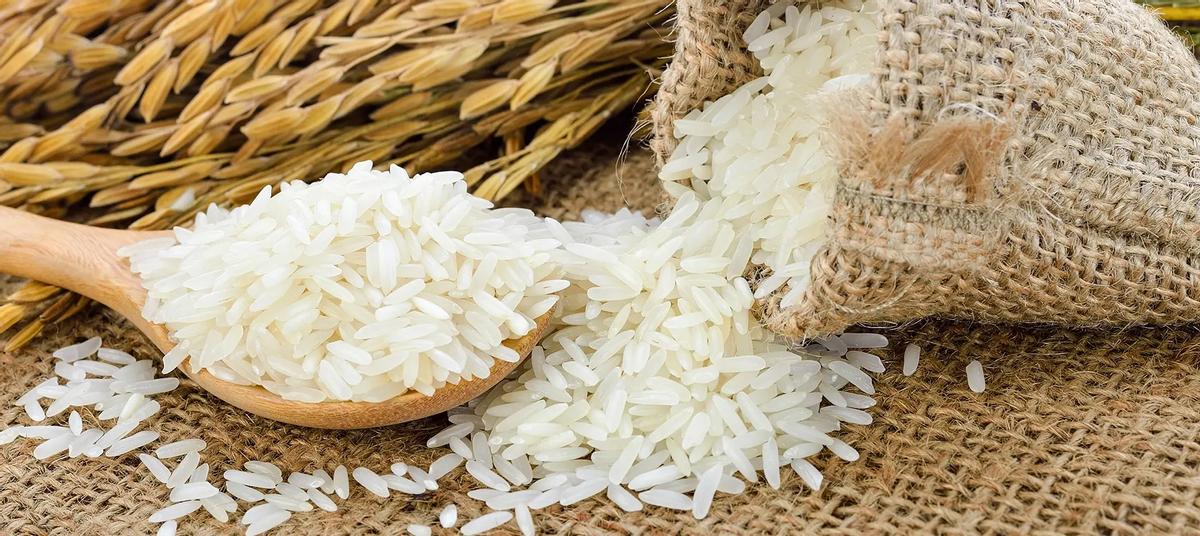
(indian rice is different from chinese rice)
The enterprise complained that it was a processing enterprise and that responsibility lay with the seed producer or grower. They also complained that “china has imposed non-modified conditions only on imports of rice from india, without such restrictions on imports from pakistan”
This may raise questions. Does china want to import rice from india? China not only imported, but also bought a lot at one time. Between 2021 and 2022, india was the largest source of rice imports to china, with annual imports exceeding one million tons。
However, between 2022 and 2023, imports amounted to only 240,000 tons, or 9 per cent of total imports, as a result of the economic disruption caused by the epidemic, the imposition of an export ban on shredded rice in india and the imposition of tariffs on a variety of rice。
The global food supply had largely recovered in 2025, but before chinese importers had turned to viet nam, myanmar and thailand for procurement, india had failed to regain the lost chinese market, and now it accounted for about 8 to 9 per cent of chinese imports。
(there are press reports that china suspended import licences for three indian rice exporters)
Given the demands of the predators for rice, indian rice is hardly directly evaporated to the table in china, but rather plays a role as a low-cost raw material. The first is to be used as raw material for food processing, such as rice powder, rice wire, screw powder, or as raw material for brewing wine. But generally speaking, the taste-seeking caterers do not use indian rice to make rice powder。
In some low-cost catering industries, merchants mix indian rice with domestically produced rice and other imported rice to reduce costs。
More indian rice is not for human consumption but for livestock. In some cases, the price of scrap rice in india is lower than that of maize, and feed enterprises purchase it in large quantities and add it to pig feed in proportion. The rice ratio in india was 15-20 per cent。
This time india's complaint focused on the detection of genetically modified components in parts of indian rice. Genetic modification is a very sensitive subject. The country has always been actively researched and cautiously commercialized. In fact, india is cautious about genetically modified rice。
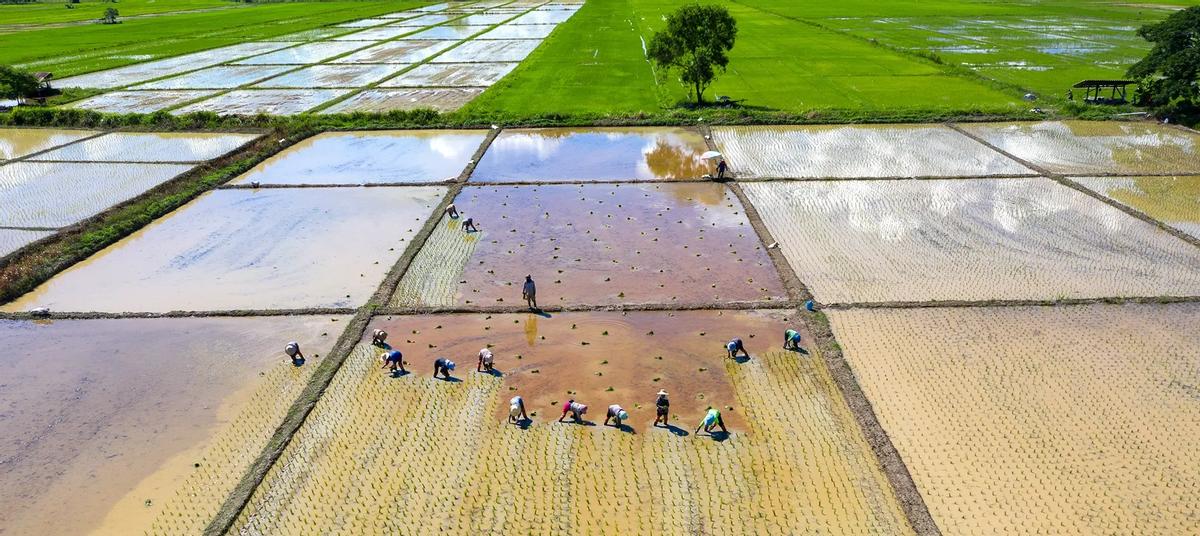
(indian rice cultivation is large)
As of april 2026, india had not authorized the commercialization of any genetically modified rice, and the only genetically modified crop currently allowed large areas of cultivation was cotton。
This is because india, as a large population, has a strategic staple of rice that cannot be lost. The government of india has approved several types of genetically modified rice for scientific research or field testing, but has never officially sold to farmers for cultivation. India has recently approved some so-called genetically edited rice. These categories belong to the so-called “out-of-source dna” product and are not identical to genetically modified crops “to external genes”。
However, india's policy on genetically modified controls has remained more in the upper echelons and in oral terms, with poor enforcement capacity at the grass-roots level, making it difficult to close regulatory and enforcement gaps. Are there farmers who steal genetically modified rice and mix harvests into traditional rice exports。
As to whether china is using rice imports to hit the indian economy and force india to change its policy towards china, this is india's own brain hole. In view of the serious shortage of goods worth exporting and the heavy dependence of india on imports from china to sustain manufacturing, china and indiaTradeIt's very unbalanced。
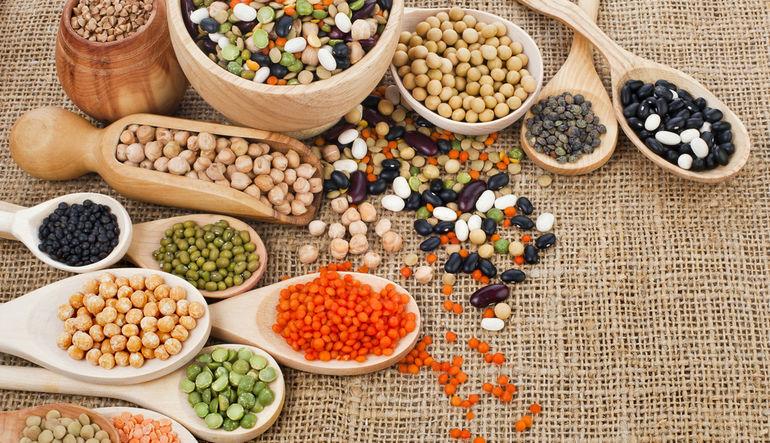
(india has a wide variety of agricultural products, but quality is not guaranteed)
India's deficit against china had reached hundreds of billions of dollars, and china did not want to increase imports from india, but had no goods to buy. Therefore, if india could export high-quality rice, it would not be rejected as a china that attached great importance to food security。
The rice in pakistan complained about is a case in point. Pakistan was once the second largest source of chinese rice imports, amounting to 1. 2 million tons in 2022, accounting for about 20 per cent of china's total rice imports that year。
However, from 2023 to 2024, pakistan experienced a reduction in rice production as a result of floods, which, combined with the effects of international price fluctuations, reduced imports to 181,000 tons, or about 160,000 tons in 2024. Pakistan's role in china is similar to that of myanmar's rice, which is mainly exported as industrial raw materials, with some of the refined rice used for industrial and feed raw materials。
However, pakistan had taken strict measures to prohibit the illicit cultivation of genetically modified rice, mainly to protect the non-genetic identity of the famous brand name basmathami. Such rice is exported not only to china but also to international markets such as the european union, which is more expensive. These countries and regions have adopted “zero tolerance” for genetically modified components。