


Rain and hot air, either in the countryside or on the first floor of townGreenMany households are prone to snakes approaching their homes。
During the previous period, local forestry general accounts shared a number of examples of residents seeking help: an open house in the suburbs of the city, with a black-browed snake on the stairs; an old man in the country who rides cold in the yard at night and a snake snuck to his feet along the wall; and a house that collects vagrants from the bouquet, and the children of the family are afraid to be alone for days。
When most people find the snakes, they go to the market for yellow and sulfur at the first moment, spreading around the threshold and the walls. In recent years, however, many forestry stations and bio-science content have been tested in practice, and this long-spread approach has had limited effect. When the male yellow is washed by rain and the wind blows, the smell fades in hours, and the dispersing effect of the snake does not last long. Moreover, the male yellow contains arsenic sulfide, which can cause minor contamination by remaining in the soil for long periods of time, with children, cats and dogs, poultry, touching or eating by accident, and safety risks that are not recommended for permanent use by the general population。
There are also many who believe that there will be no snake visits as long as weeds are cleaned up and everything is removed. In practice, this can only be reduced for a while, as long as there are trees, ditches, vegetable fields, rats, frogs and other sources of food for snakes, snakes still follow the scent of the house。
I know chen, a neighbour of a mountain gang, who has been dealing with snakes for 30 years, and who in the surrounding village or town has seen snakes in the yard, mostly asking him to come to the door. Over the past 30 years, he has assisted in dealing with thousands of cases of snake proximity to homes, tried various forms of civilian snake-exposure and slowly crafted a home-protective approach that is not chemical, relies on common greens for long periods of isolation, without exaggerating it, and is a practical approach that has emerged from constant field observations。
It is often stated in chen’s usual conversation with the neighbourhood that snakes identify the surrounding environment and search for food without sight or hearing, relying mainly on tongues to match the ploughers in the mouth to capture the smell in the air, and smell sensitivity is far greater than humans. Some plants continue to emit special volatile odours, while humans can smell little, but are more stimulating to snakes; others are drained and broken and flow of juice that stimulates the delicate abdomen. The two effects are superimposed, and snakes are conscious of avoiding areas where they are planted on a piece of plant。
After several decades of comparative screening, chen only recommended three types of plants that were stable in the effects of eviction, were well nourished in both the north and the south, and managed simple plants on a daily basis, all of which had been validated by farmers over the years, with open phytopolis information as a reference. The following is a clear breakdown of the principles of each plant's removal, its suitable place for planting, and the details of its daily conservation。
First:PhoenixI'll plant it on the inside of the walls and doors
The phoenix is the flower used to dye fingernails, which many see only as a flower, and it is rarely known that it works as an expulsive snake, and it is the old chen who advised his family to give preference to her family to plant it on the inside。
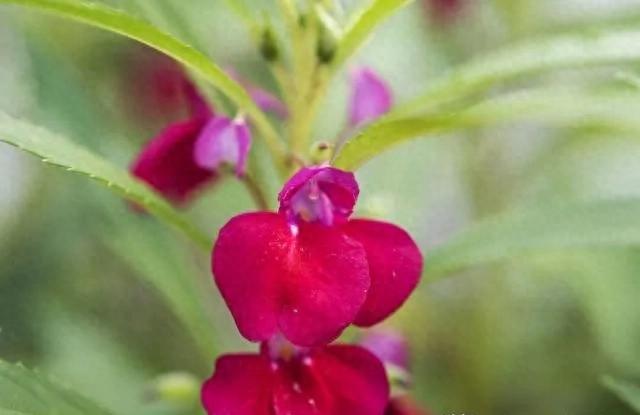
In terms of plant properties, the roots of the phoenix, the leaves, the flowers contain thorium-like substances and a small amount of natural sulphide, the root systems continue to emitter special odours to the soil and the ground-planted strains can emit dim fragrances. Relevant biological control experiments have shown that the scent of the phoenix has a significant impact on indigenous snakes, such as scavengers and short tails。
It is difficult for humans to detect the smell, but snakes'smell organs are sensitive to the compound, and when they come close to a pixie bush, their sense of smell can be continuously irritated, it is difficult to distinguish between moving routes and food trails, and most of them turn directly away. If the snake crawls with a flower branch and the slime that flows onto the abdomen tablets, there is a clear discomfort and no further proximity to the area。
It's a point to practice
1. Cultivation position: close to the wall of the house, on both sides of the gate, under the window table, under the sewer exit and the door to the storage room, which can easily be drilled into the inside. The interior of the courtyard is planted every 40 centimetres with a full bouquet, blocking all entry gaps; the first floor of the city can be placed along the balcony fence with a long bouquet。
2. Cultivation methods: the south warms early enough to sow by the end of february; the north waits until the temperature rises in march/april before planting. First, weeds of the walls are cleaned, seeds are thin, a layer of soil is spilled, water is poured out once, and seedlings are made within a week or so. They can also be purchased directly for seedlings, which can soon take shape。
3. Day-to-day conservation: drought-resistant, soil-free, and without frequent fertilization, sufficient light can flourish. Such plants can sow themselves, and when the fall and winter plants die, the seeds fall in the soil, and in the spring the seedlings will grow themselves, with one seed growing every year, without the need to replant them。
4. Additional utility: in addition to reducing the proximity of snakes, there is also a degree of evasive effect on insects such as thorium, dwarves and crickets, with rich bouquets and a simple beautification of the compound environment by the walls。
Home children are reminded that phoenix juice exposure to broken skin can provide a slight irritation, that young children in their homes do not have hand-planted plants, and that there is no safety in normal planting and sighting。
Second: the snakes are destroyed, the houses are isolated. And..
It is clear from a single name that it is a highly popularly recognized snake-exposure script, and that there has always been a claim in the countryside to plant snakes around their homes and to reduce their proximity to their homes, as well as the main species used by chen to set up perimeters。
The snakes are also called zhangnam and nobu, a year-old soybean herbs that bloom in spring and summer and last until late autumn. Aromatic hydrocarbons and bioalkalis will be released continuously during flowering, and humans will smell nice and cozy, and snakes will be able to sense it at a distance, actively bypassing and emancipating close to natural male yellow without the potential for soil contamination associated with male yellow。
Old chen often and farmers distinguish between the logic of pairing two plants: the pixie plant, which is small and small, is contained on the inside side of the house; and the pyrotechnic plant, which grows to more than a metre and is thick, grows into a long-range air-smelting belt on the outskirts of the house, in the ditches and at the foot of the hill, where snakes operating in the field can smell far enough to avoid approaching the house, with two layers of internal and external matching, and provides more complete protection coverage。
It's a point to practice
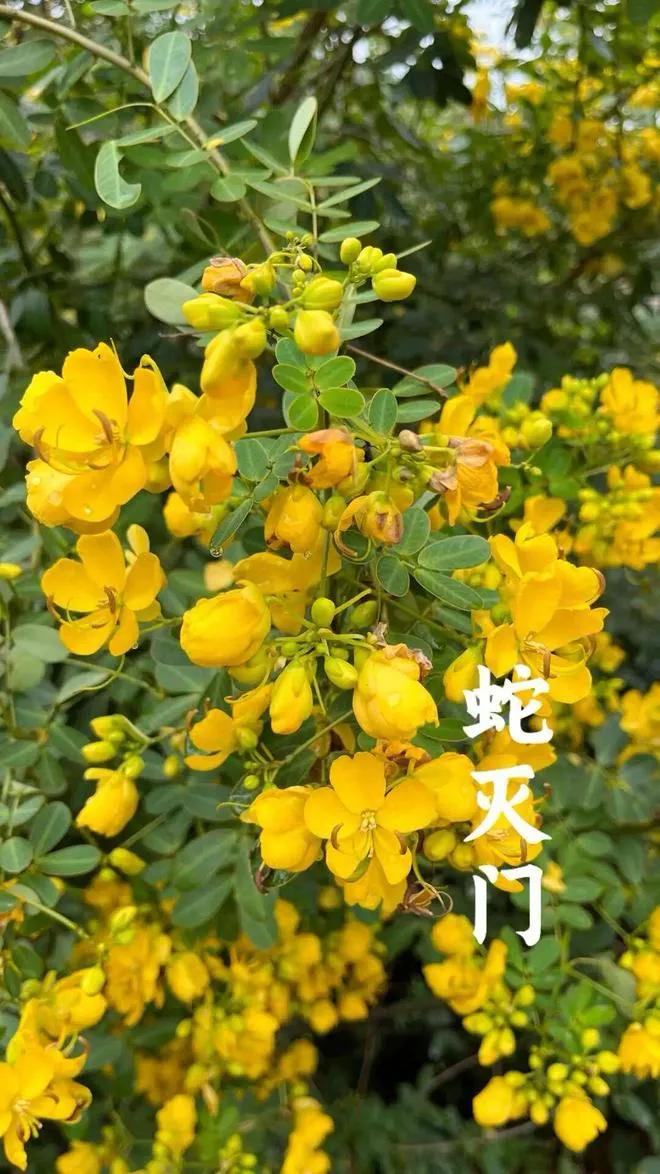
1. Places of planting: the bottom of the courtyard fence, the dead spots behind the house, the edge of the vegetable field, and the surroundings of the ponds are suitable for widespread planting; a small courtyard on the first floor of the city can plant an amplified flower pot outside the wall to prevent snakes from crossing the wall. In the back of the house, next to the hillside and the forest, a row was planted along the borderline, cutting off the snake's approach to the house。
2. Cultivation methods: cleaning of ground weeds in the spring, direct seed sowing, sprouts with water, heat resistance, low soil requirements and normal growth in the open environment in the north and south。
3. Simple supplementation: if there are frequent traces of snake activity in the courtyard in the near future, it is possible to collect dried, mature snake-scraping seeds, to spread a narrow separation belt along the wall's roots, to properly re-scatter after heavy rains and to strengthen the odour barrier。
4. Additional utility: the flowering of a platter has a good impact, and leaves and seeds are common herbicides; thick leaves also cover up areas of compound walls and are also green。
Home children are reminded that seedlings contain trace amounts of toxic protein, do not allow cats, dogs and poultry to eat in large quantities, and do not plant large areas of the yard centre where children often play, giving priority to laying outside the wall。
Third:AlbrightFilling the blind zone, both indoor and outdoor
Most people know nothing but that weeding at noon can repel mosquitoes, and little attention is paid to it as a practical plant that helps to reduce snakes' proximity. Chen will plant together with the first two plants, specifically covering the most vulnerable areas of protection, such as the balcony, the indoors, the small courtyards, and easy access to them。
The eucalyptus, which contains a large amount of volatile oil, such as vermin, dragon brain, and fresh plants that constantly emit strong lysergic aromatics, are more exclusive to these thick grassy odours and are suitable for planting in small corners that are not covered by the phoenix, snake-screeching doors, and to complete the whole odor protection circle。
It has a unique dual effect compared to two other plants: new strains in spring and summer continue to spread their scents to drive out snakes; the harvest of dry abrasive beams in the autumn and winter has spread widely after ignition, has been able to clear the traces of snake worms hidden in wall corners, wood piles and deep sewers, and the three plant odours complement each other and do not pose problems of inadequate single green plant protection。
It's a point to practice
1. Places of planting: the corner of the balcony, woodhouses, outside the storage room door, under the window of the bathroom, under the back of the yard; urban households can be placed at the door and on the window. Rural farmers tend to grow a herb around chicken coops and pig coops to avoid snakes hunting poultry。
2. Cultivation methods: without seeding, with old roots of aging in the field, with water once buried, drought-resistant, four seasons stable and difficult to inflate。
3. Urban simple use: households without land that can be bred, each year at noon, pick fresh weeds in small beams, hang the gates, balcony windows and reduce snakes ' proximity in the short term; dry weed beads are collected in storage rooms, regularly lit up a dry corner and clean up the nesting environment。
4. Additional utility: aging has an excavatory effect on mosquitoes, americium and tidal worms and can be used to soak feet, fumigation indoors and multi-use。
Three commonSnake protectionMistake, 30 years of practical experience. Many households keep doing it. Wrong
Mistake one: a single type of plant can completely prevent snakes from entering
A number of households only set up a few bouquets on the balcony, or planted a single snake outside the yard, after which snakes entered the house. Chen explained that there was a clear contours of a single green plant protection: the phoenix plant was low and the long-range resistance was weak; the snakes were more suitable for the peripherals, and it was difficult to block the small gap between the windows and doors; and the apricot was low and could only be used as an aid。
The proper combination is three layers of protection: inside the house side door and window, with the walls planting the phoenix as an inner barrier; outside the perimeter of the wall, the border between the wasteland, planting snakes and creating an outer layer of isolation; corner, balcony, indoor weed filling the blind zone, and three plants odouring together to form a full natural zone of protection。
Erection 2: a small number of plants can act as an exorcism
A single or a two-basket green plant has a very small odour that covers only about half a metre around the flower basin and does not achieve the actual removal effect. In order to be effective, it is necessary to form a piece and a strip of planting, which is connected to the wall, so that the scent is covered by the snake's route, and the snake does not have a gap to bypass it. The urban balcony recommends the selection of a large flower basin for intensive planting, rather than a scattered one or two。
Zone three: grow green, still pile up, let rats breed
Green planting can only have an evasive effect, and if there are long-term piles of firewood, boxes, old furniture in the courtyard, and there are more rats on the ground, snakes can barely approach their houses because of the food demand. After planting the three green plants, the protective effects can be maximized by simultaneously cleaning up the surroundings of the house, closing the gap in the walls, reducing the habitat of rats and frogs, and reducing the probability of snake visits from source。
Situation planting programme with direct control by urban and rural households
Scene 1: a rural house with walls is more attractive to snakes
1. A bouquet of phoenix is grown every 40 cm along the gates, windowsills and steps on the inside of the wall
2. The exterior of the wall, the rear slope of the house, the edge of the pond, the widespread sowing of snakes and the construction of outer barriers
3. Firehouses, animal-caffolding doors, exterior walls of the bathrooms to plant weeds
4. Simple cleaning of the wall weeds once a month, without long-term piles of straw and gravel, and with less room for snake hiding。
Scenario 2: households on the first floor of the city with small gardens
1. Cultivation of phoenix with a long flower basin on both sides of the inner and entry gates of the small compound
2. Zooming pots on the outer side of the courtyard plant snakes to shut the doors and separate the external green belt and grass
3. Placing of anaesthesia in the corner of the balcony and in the doorway of the storage room, with the dry aegrass beam at the base
4. Regular clean-up of leaves at the bottom of the flower basin, which does not accumulate water on a permanent basis and avoids attracting frogs and rats。
Scene 3: high-level households, with no courtyards only
All rely on pellets for protection: the balcony fences with a long phoenix bouquet, the windowsills with alegrass and dry grass at the door; regular cleaning of the balconies, empty boxes and miscellaneous items, without piles of thick mud, dense grassbaskets and reducing the risk of snakes climbing into households along the sewers。
Summary and objective reflection
The core idea of 30 years of assistance to the neighbourhood in dealing with snake intrusions and home protection was never simply to kill snakes, but to create a residential environment that was not suitable for snakes to stay and to be mildly driven away by greening the smell of natural circulation. This approach neither destroys the surrounding micro-ecosystems nor uses toxic chemicals, combines family and pet safety with long-term household use。
For a long time, many residents have been accustomed to short-term emergency responses, such as male yellows and chemical deworming agents, neglecting biologically adapted temperate and protective methods. Snakes are part of the natural ecological chain, and most of the home-free snakes also prey on rats and do not have to catch injuries at first sight. The separation barrier, built on three common green plants, can both keep homes safe and allow people and small animals in the wild to coexist in peace。
At the same time, it must be seen objectively that there is no plant that prevents snakes from approaching 100 per cent. In addition to planting snake-exposed greens, houses close to large mountain forests and wetlands must be regularly cleaned up, wall holes closed and co-ordinated by a variety of protective means in order to minimize snake entry。
A large number of households find temporary displacement only after the presence of snakes in their homes, with temporary spraying, temporary buying of herbs and much less protection. At the moment, the most frequent period of snake activity is the pre-planting of phoenix flowers, snakes and herbs at home and in the yard, the pre-construction of natural protective barriers, and the reduction of infestation by snakes throughout the summer and autumn。
You can adjust the planting method to your home environment, and you can share it in the comment area if you try it in your home yard, on your balcony, or if you know other safe, moderate home-based pest control methods。









