


Hello, i'm the one who brings you up to date on a daily basis
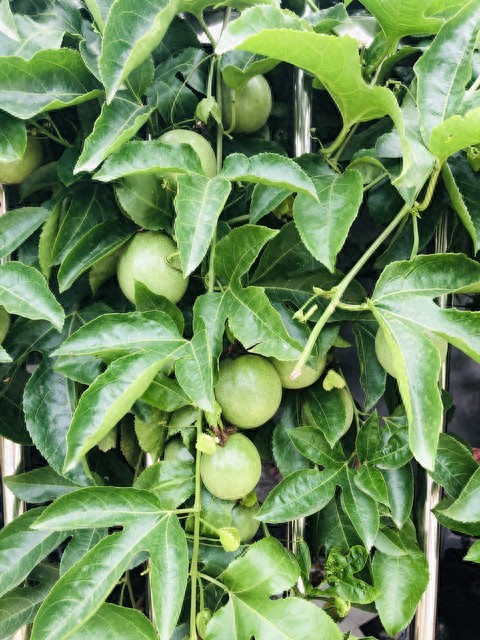
Many people want to plant fruit trees in small gardens and balconyes, but the threshold for normal fruit trees is not low. Apples and peaches, which are then grown in three to four years or more before they can hang fruit, maintain troubles and require regular repair of large branches, disease prevention and large growth space. When conservation is not in place, fruit is not seen for several years。
There are types of shrubs and vines that are produced over a number of years, which only need to be planted once, and then bought seedlings every year, surviving for more than a decade or decades, each year with full fruit. It is more resilient and managed in a broad manner than ordinary fruit trees. It can be planted either in a small yard or in a large bouquet. Today, four species are shared that are best suited to family planting, with a one-time statement of growth characteristics, planting points, north-south adaptation areas and pits that are easily pedaled by new hands。
First of all, understand: why is it so many years of fruit that you grow better than normal fruit trees
Traditional wood fruit trees have large roots and long growing cycles. The pre-shrimp period was dominated by long trunk canopy, which accumulated nutrients and delayed results. When the trees are grown, the trimmed, the insects are overloaded, and the small space families simply cannot leave them behind。
Most of the berries described below are shrubs or small vines。
First, many varieties can grow in small quantities in the second year, and in the third year into a productive period, without suffering for four or five years。
Secondly, there are fewer pests. This type of berries is more resistant than peaches, prunes and perforation, and is grown on a small scale at home, with little use of frequent drugs。
Third, a planting, many years of harvest. Every spring, the roots grow themselves, and they don't have to pollute and replant。
Fourth, space is flexible. Ground planting can be planted on the edge of the yard or on a large flower pot, and can be tried on the balcony or on the balcony。
However, it is also necessary to demonstrate objectively that it is not necessary to plant it at all. The basic watering, fatting and simple trimming are still needed, although the volume of work is much lower than that of the fruit tree。
Paragraph 1:No figsIt's the new guy's first choice
The figs are frequent visitors in many small family homes. They are small leaves that are planted at once and can be harvested for more than 15 years. It has the greatest advantage of being simple, with few pests。
Ordinary fruit trees need to be pollinated, and figs need not, and can be produced by a single tree. Many of the two-year-old fig fruit seedlings were planted in a small amount of fruit during the year, stabilization of the adjoining fruit began in the second year and continued harvest during the summer and autumn seasons. Growing fruit is sweet, and can be fresh and dry。
Plantation point
Soils: ablaze, priority for drainage, most afraid of sapling roots. Ground planting must not be low; the plant must choose a large flower basin of 40 cm calibre or more, with a drainage hole at the bottom。
Light: a full-day light, at least six hours a day, insufficient light, few fruit and low sweetness。
Watering: long-term soil wetting and timely drainage during the rainy season. Fruits are water-deficit during periods of expansion, and fruit can easily fall off。
Fertilizers: spring buds, small amounts of decomposed organic fertilizers; fruit swelling periods to supplement potassium fat. A layer of compost is laid before winter。
Cutting: every winter, simple cutting, cutting down the thin, inward-growing branches, controlling the strain, avoiding being too large。
North-south adaptation
The open air in the south is perfectly safe; in the cold areas of the north, the winter branches are prone to freezing, and can choose a plant, moving under the roof of the house or indoor wind to keep the ground warm。
Small reminder
The figs are easy to crack when they mature, and they are nearing maturity to reduce water watering. Don't pick it too early, it's mature to hold on to microsoft。
Paragraph 2:GosanneIt's very adaptable, it's cold and it's dry. Jing
Unlike ordinary sauna trees, fruit sauna is exclusively grown for sauna, not for sauna trees. The bush is grown for years and planted for more than a decade. Highly viable, arid and barren soils can survive, cold resistance is good, and much of the north and south can plant in the open。
Soon after spring, the sauna sprouts, the sauna matures from april to may each year with a string of branches. The fruit is juicy, sour and sweet, fresh food, wine and jam。
Plantation point
Soil requirements are relaxed so that ordinary lands can be planted with organic fertilizer and well drained。
Light: the more the sun shines, the higher the sweeter the fruit。
Watering: soil moistation during sapling periods and drought-resistant adult plants without frequent watering. During the rainy season, attention is paid to drainage, which is prone to drying up。
Shearing: after the annual harvest, she trims, cuts the old and the weak, and promotes the emergence of new branches。
Attention
Growing saloons are easy to fall and the ground under the trees will dye, so that they do not plant on the terrace floor or on the balcony concrete floor. Birds are particularly fond of sanctuaries, and when the fruit matures, it can simply pull the nets。
Paragraph 3:Raspberry(rashbains), shrubbery, growing for 15 to 20 years
Berry is a shrub of many years, and many people find it hard to feed, actually, on the contrary. It does not impose stringent requirements on soil alkalinity and can survive by defusing air. The results for the second year of planting are small and the third year of production is abundant, with one or two berries to be harvested in one year。
Berry branches have a two-year cycle: the first year has a new branch, the second year has a flowering effect, and after harvest, the old branch dies and needs to be cut off. New branches will emerge from their roots, updated year after year, with continuous results。
Plantation point
The ground plant is maintained at a distance of one metre, leaving room for seedlings. It's easy to build a short stretcher to prevent the branches from falling。
Soils: laxity, good drainage and decomposed organic fertilizer。
Light: full-day light, insufficient light, resulting in a significant decrease。
Cutting: every year the fruit is harvested, the old branches that have already borne fruit are cut off on the ground and the strong new branches are kept. In the winter, the northern part of the species has its roots in the cold。
North-south adaptation
Most of the raspberries are cold-resistant and the north is able to move up the winter in the open; in the hot and rainy areas of south china, heat-resilient varieties are chosen, with the rainy season focusing on bad fruit。
Section four: soft dates, small hairless monkeys, fujimoto, extremely long life
A soft-tree monkey, unlike a normal monkey, has a smooth skin that can be eaten directly. Years of sapling, one planting, decades of hysteria. It has a strong ability to withstand the cold, is able to survive in the open at 20 or 30 degrees below and has few pests。
The emphasis here is on the fact that soft-tree females and males can't grow only one to stabilize results. It is common for a male to combine eight female strains or to buy a combination of seedlings with pollination. Only a single female is hard to bear。
Plantation point
There's a need for a shed or a fence to make the vine climb。
Soils: like micro-acid estranged soil and water。
Lights: the best in the whole day, extreme heat in summer and proper shade of the seedlings。
Fertilizers: precipient spring fertilisation, condensed fruit and condensed potassium fertilizers, organic fertilizers in winter。
Cutting: winter trims, trims, control of vine density, ventilation and reduction of disease。
North-south adaptation
Most of the north is open-air; the south is hot and humid in the summer and is careful to drain。
The advantages of these four types of multi-year fruit are short-cut
Strengths:
1. Quick impact without long waiting. Peache apples are generally productive for three to five years, and figs and fruit-pines can see fruit for many years。
2. Simple management, low disease and low demand for medicinesFamily cultivationSafer。
3. Long-term cost savings through multi-year harvests from a single planting, with no annual purchase of seedlings。
4. Stations are controlled and can be planted in large basins, and can be tried in small yards and on the balcony。
And let's be objective:
1. The figs, fruit-sands, freckles, root systems, which have a strong capacity to grow, are prone to seedlings and require regular clean-up to prevent their spread。
Soft-tree monkeys need a combination of pollinating trees, and only one tree is planted at an approximate rate of no result。
The berries are thin, mature and intolerant to store, suitable for ready-to-eat, permanent storage。
4. The berries are readily available to birds and require protection at the stage of maturity。
Before planting, four common principles determine whether it's possible to produce more than a year
1. Light is the first prerequisite
These are the fruits, all of which belong to the sun. It is very difficult, if alive, to have a lot of fruit when the light is less than four hours a day. Priority is given to the south side of the courtyard, to the balcony, which is not suitable for planting under the tree shade。
Drainage greater than fertilizer
The vast majority of such deaths are due not to lack of fat but to the accumulation of water. No low-lying areas are selected; the bottom drains of the pelvis are not blocked, and the soil is mixed into the sand of rivers and leaves to improve air permeability. I'd rather be dry than wet for a long time。
3. Fewer fertilizing and more focused seasons
In the spring, they are fertilized using decomposition organic fertilizers to provide for the growth of branches; during periods of fruit expansion, they supplement potassium fat and promote fruit expansion and sweetness; and after harvest, they are replaced with a small amount to restore the tree position. We'll put a straw or compost on it before winter。
No one-time application of high-speed nitrogen fertilizer, excessive nitrogen fattening, long leaves, no flowers, no results。
4. Rational shearing, core of year-round fruit
A lot of people grow trees, and they don't grow trees, and they never cut。
Cut the core logic: remove the thin branches, cross branches, dead branches, keep the strong branches and increase ventilation。
Different varieties have different times of trimping: figs, san san san san san san san sprouts; and berries are old branches cut off from fruit after harvest。
Newly planted, four of the easiest pits
Pit one, you're greedy, you're buying poor, naked seedlings
Many people are cheap, buy small, dry, bare seedlings, have low rates of survival, and have failed for years. Priority is given to healthy seedlings older than two years, with full roots, clear buds and easier to live and early outcomes。
Pit two, the planting is too dense
The small courtyards have limited space, and several of them are crowded together, growing up and covering each other up for water fat, resulting in fewer than one year. The plant leaves enough space and only one large flower pot。
Pit three, neglecting birds, the fruit is about to grow up and be eaten
Sweet berries. Birds love it. Approaching maturity, early netting. Don't wait until the fruit matures. It's probably all pecked up overnight。
I thought i had nothing to do with it
“sown for many years” is not tantamount to giving up. Weeds compete for nutrients, and simple weeding, fatting and trimming are essential each year. Over the long term, the plant has been left unattended, and production has declined each year。
The idea is that the small house can be wrongly mined
If you want to eat fruit for a long time, you can mix it。
Spring, april-may, fruit-sanding; summer, july-august, figs ripe; summer, autumn, two seasons, berries; and autumn, september-october, soft-treed monkeys. Accompanying cultivation, from spring to autumn, with fresh harvests。
The balcony plant gives priority to figs, a well-controlled plant that does not need to pollinate and results from a single tree。
Brief summary
If you want to plant fruit trees at home, you don't want to spend a lot of effort, you don't want to wait for years to see fruit, and you can try these multi-year results. Frozen fruit, fruit-sand, berries, soft-tree monkeys, planted at once for years, with fewer pests and diseases, are far less difficult to conserve than peaches, apples, etc。
Cultivation is important: full-day photos, priority for drainage, rational trimping, small-scale pursuit of fat in seasons, and adult fruit to protect birds. Different species are adapted to different areas, and preference is given to species that are suitable for the local climate when buying seedlings。
Of course, without perfect plants, they each have small disadvantages, berries are intolerant to store, and some varieties tend to grow small. New fruit can be harvested every year with prior knowledge of characteristics, rational planning of space and the planting of several trees in the home。
Speaking of which, i'd like to ask you something。
Have you ever planted figs or sauna trees like that
Which one would you rather try
The problem with the headache of the fruit tree you grow is it doesn't work, or it's a pest or a bird
You are welcome to share your planting experience in the comment area, or to ask for attention, after which you will continue to share dry products from the yard and balcony。
Disclaimer: this paper shares experiences of family farming, selects the regular business and confirms that the varieties fit the local climate before planting。









