


Meat plantsIt has become cheaper, more diverse and more expensive, and its conservation difficulties have never decreased, depending on who feeds it. And if you're a flower breeder, don't buy expensive, hard-to-conserve meat plant varieties。
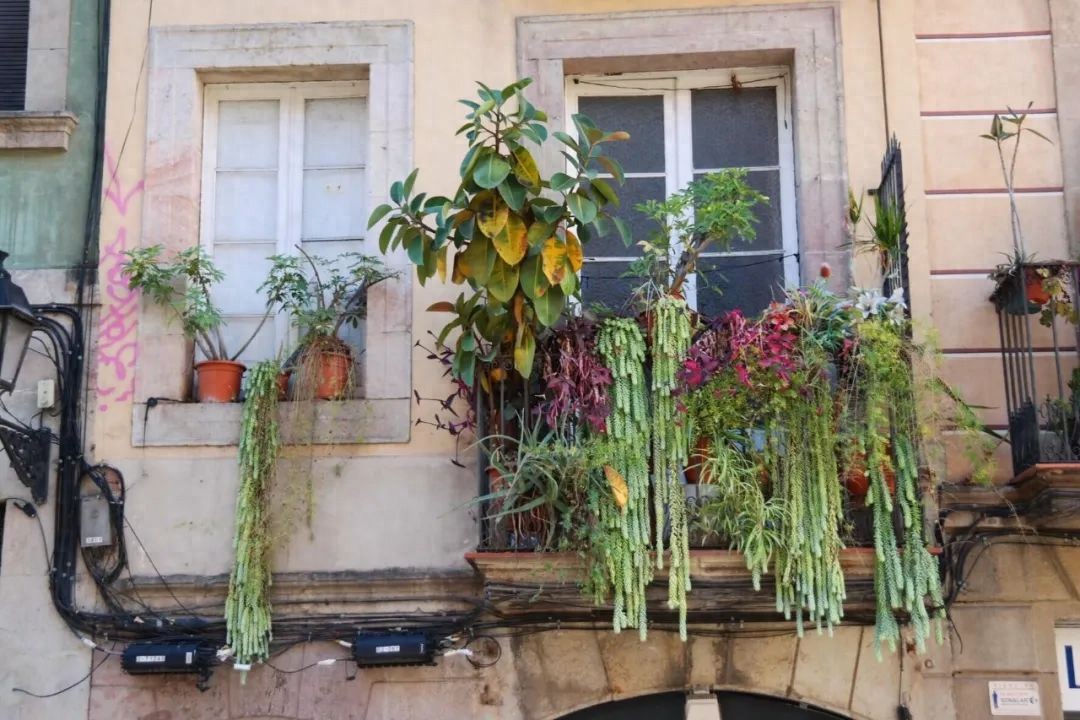
And let's not be blindly pursuing high-priced varieties, but what's the easiest thing for a rookie to do is to buy a lot of meat on the market, some of it made with drugs and various hormones。
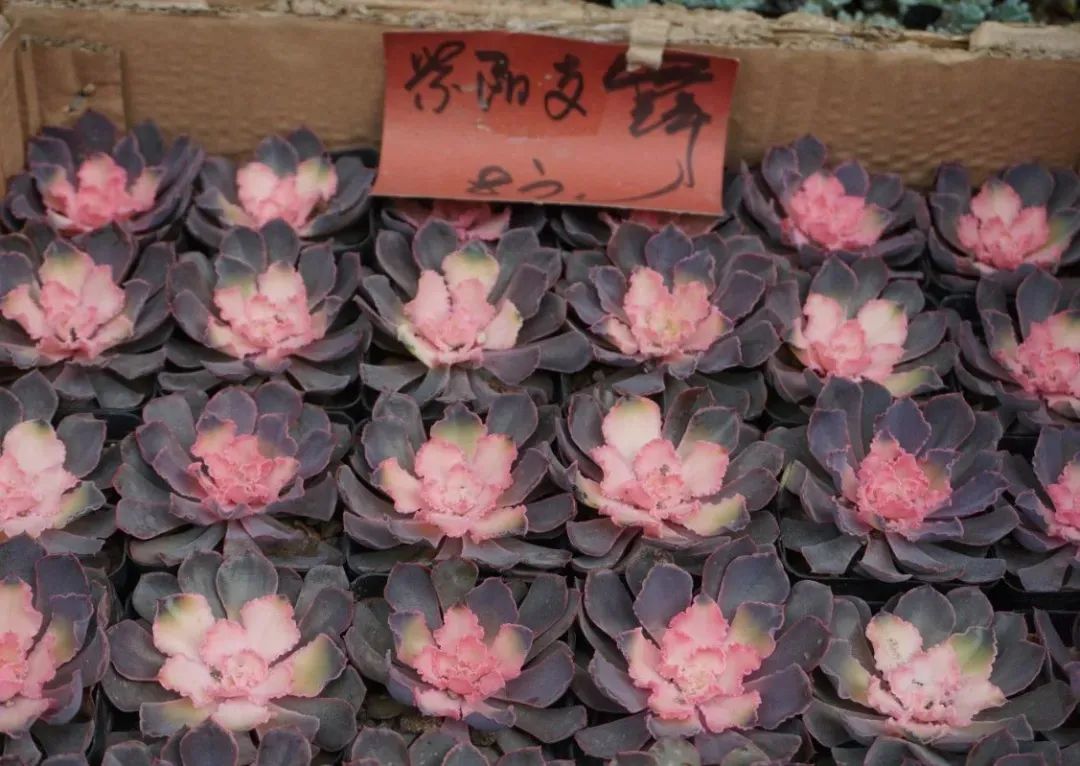
It's got the medicine for the evening
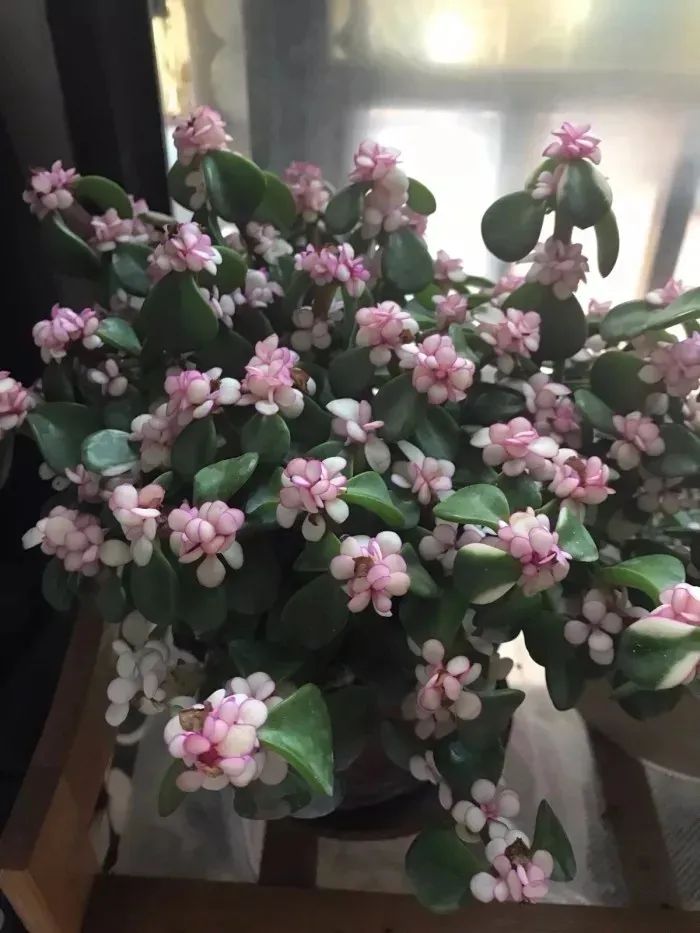
It's got a golden leaf on it
If you want to have enough meat in a well-lighted place, then don't keep the tan. Nor does the newcomer recommend the breeding of meat that is easy to pollen and easily infect with pests and pests, including the usual variety of meats belonging to snowlines and lotus palms。
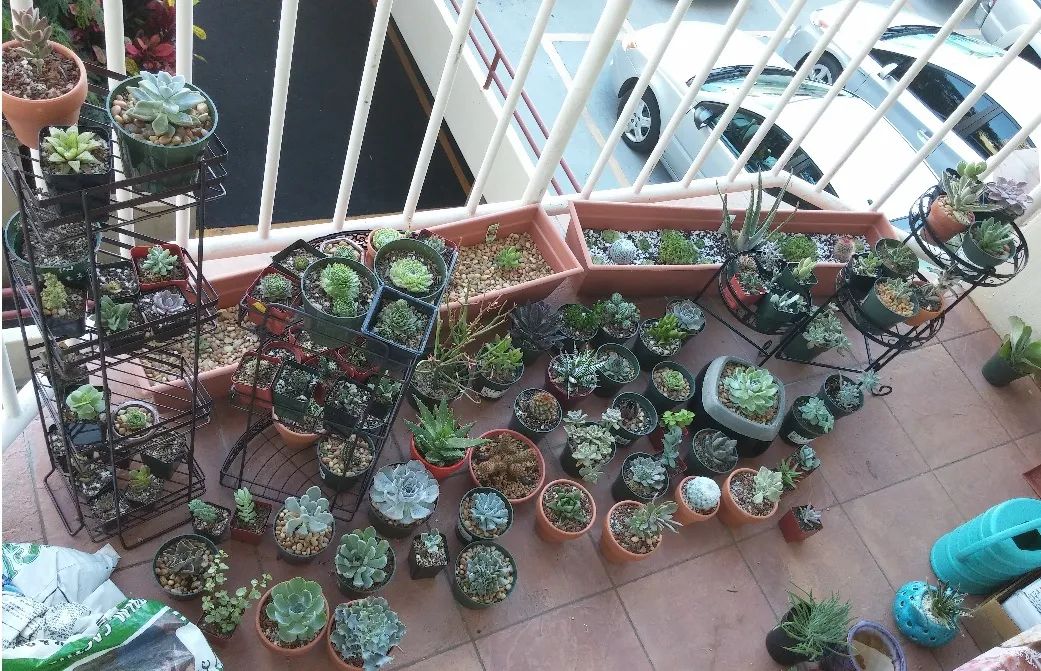
Many meat plants need to grasp the following points, summing up the selection of suitable soil and flower basins; proper lighting; proper temperature, moisture, ventilation and light; no fertilisation; regular fertilisation; and stop eating meat, and take stock of the conservation of meat-rich old players。
1. Plants with soil
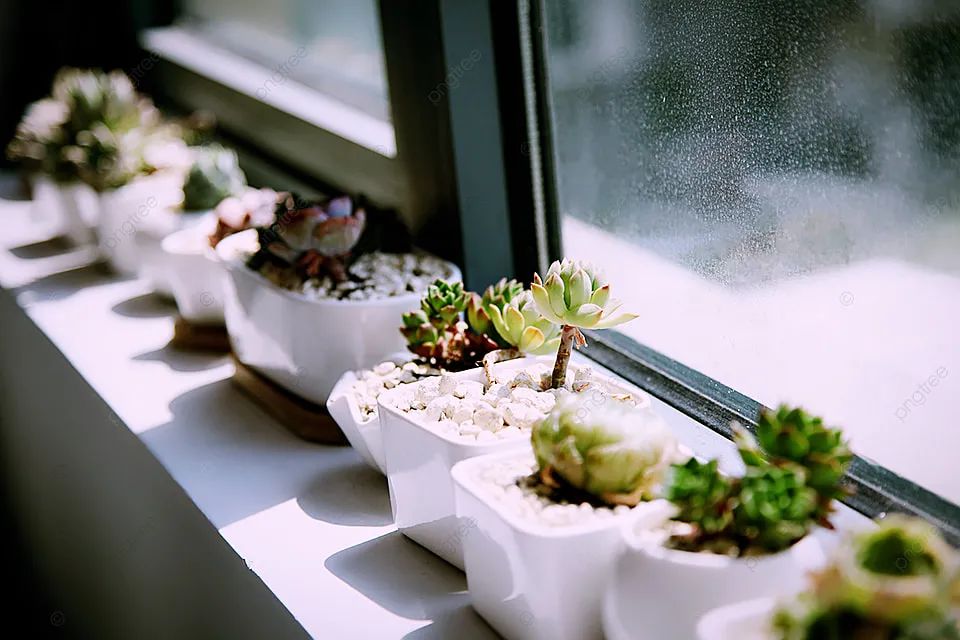
The bouquets and the soil of the multi-fatal plants correspond to each other, and if the pottery basins are chosen, they have a poor permeability, but the water is better protected, additional particles of soil (particle soil: volcanic rock, silicate soil, green boilers, gold-planting, jade earth or coroste, two or three of which are selected in combination)。
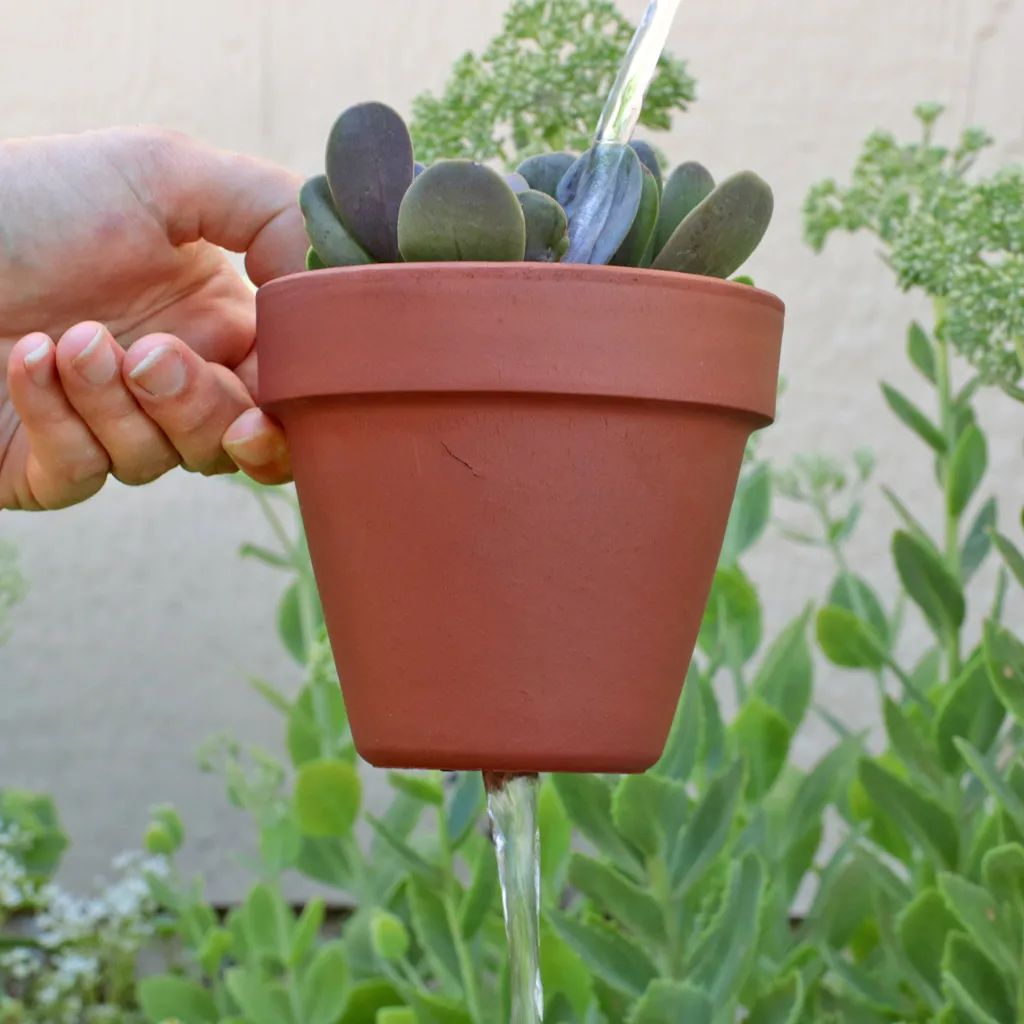
There's a red pot on it
The red pottery basins, the pottery pottery basins and the purple sand basins are well ventilated and drained, but the ability to keep water is poor, and the soil is accompanied by an additional amount of peat or coconut, with proper water retention capacity. Otherwise, too much particulate soil is added, the soil is drying up so quickly that the roots of the plants are prone to water shortages, which can easily lead to the poor state of the flesh。
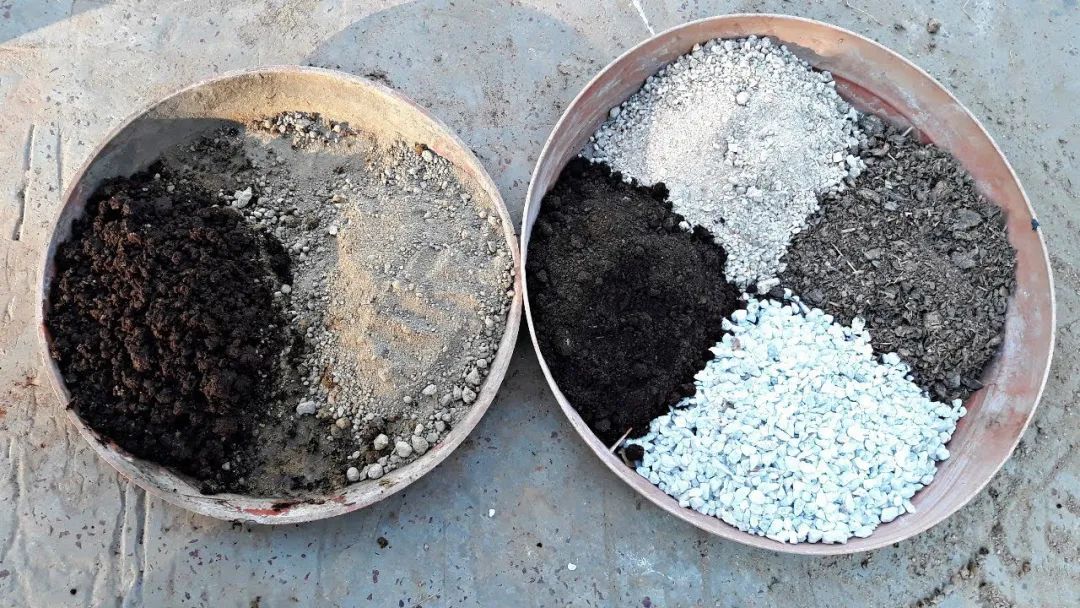
And here i'm telling you, whether you choose to use a pottery pottery, a pottery pottery or a red pottery pottery, it's okay to grow meat, and the key is to match the right soil。
The soil matching programmes of the meat-polls vary with the different material flower basins. In the case of a red pottery pot to plant more meat, i suggest a mixture of peat + granular earth + pearl rock (precious seedlings replace pearl rock with pebble, water preservation) at a ratio of 3:1。
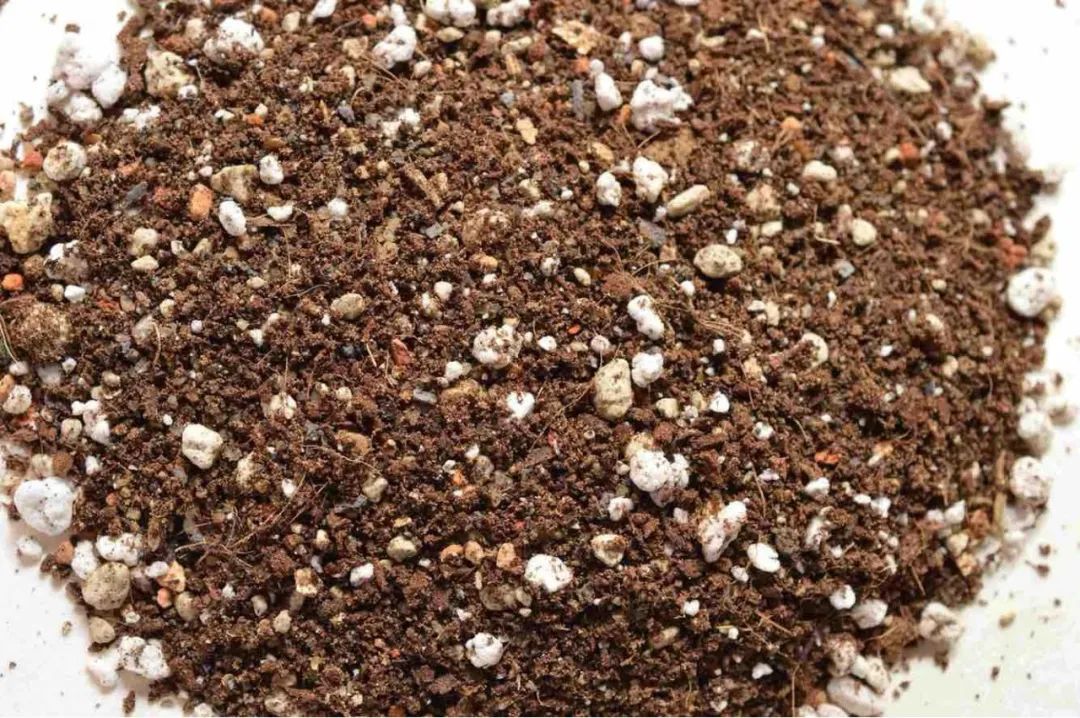
There is also a particularly cheap basin, the small black side and various coloured small basins, which have especially large drainage holes at the bottom and which can be used for temporary planting of multi-fatal plants, but where there is more meat in these basins, there is no added cylindrical stone, which is hot, and which is protected by cylindrical water, which, when combined, easily burns the roots of the multifat。
2. Coarse and bad soil
Plantation is not done with pure peat, because it will take some time to form a cluster and the roots of the meat plant will not absorb moisture and the roots will dry up。
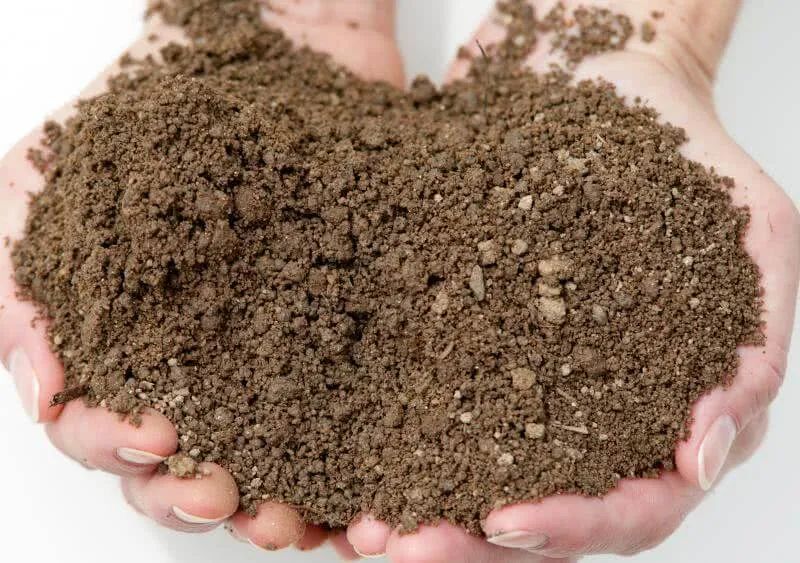
Some friends ask me, "what size are these peas and particles?" i've ignored that before, but the peat is thick and the particles are thick. Smaller particles (the smallest) are more suitable for planting seedlings, and larger particles are abundant meat for planting various old stakes (the old ones require better aerobics)。
In the case of small, small and large meat, the medium size of peat and particulate soil is chosen. For example, particulate soil can choose 3-6 mm; peat can choose 5-20 mm。
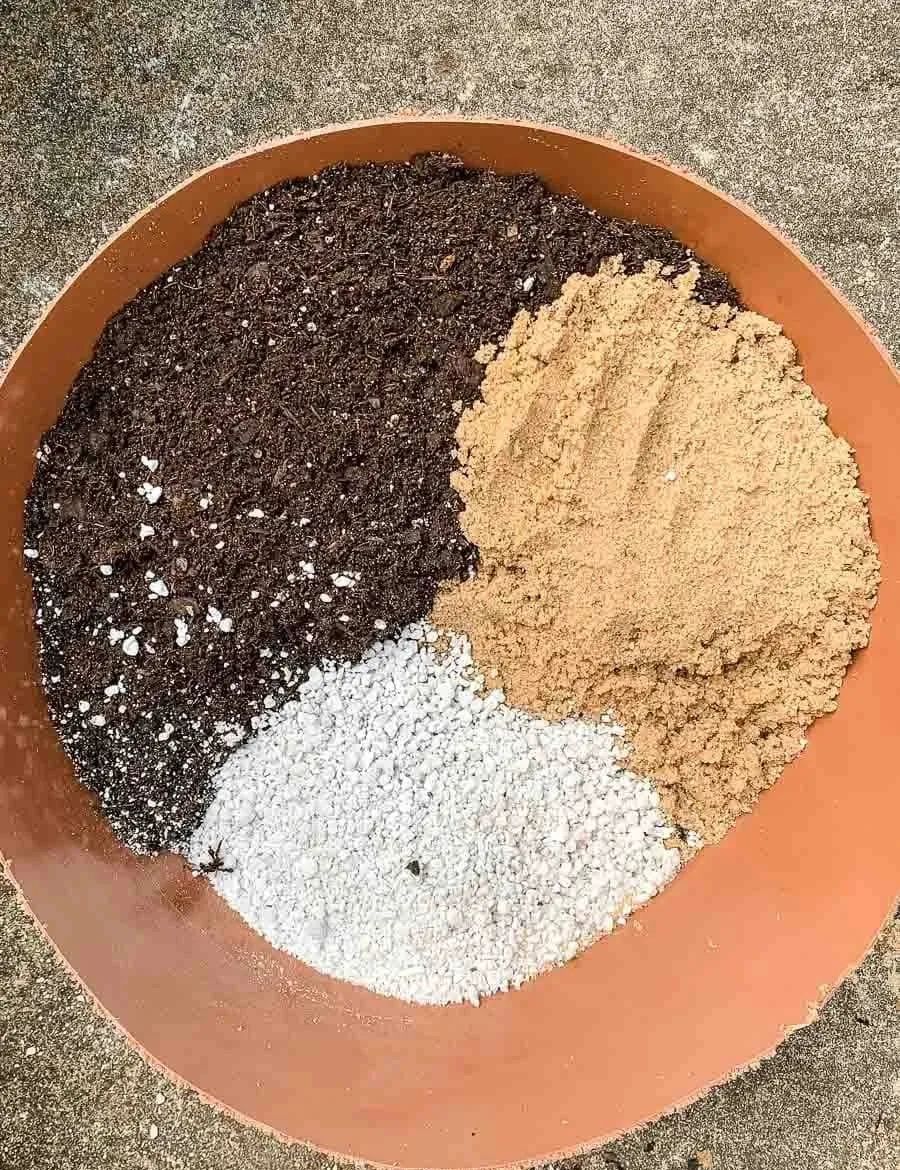
When planting multi-fatal plants, i suggest using imported peat, which also has peat in the country. The difference is that imported peat, which is usually the result of peat rotting, is the result of the decomposition of various moss plants, which is better aerobic。
Domestic peat generally refers to “northeast” and “gangdong” peat, which in fact can also be called “grass carbon soil”, which is the ash of some plants such as grass and reeds. After atrophy, the decomposition obtained by decay is less hydrogenic than that of peat-decomposition。
There is no good or bad difference between grass and peat, but it is better to grow more fleshy peat。
3. Appropriate temperature
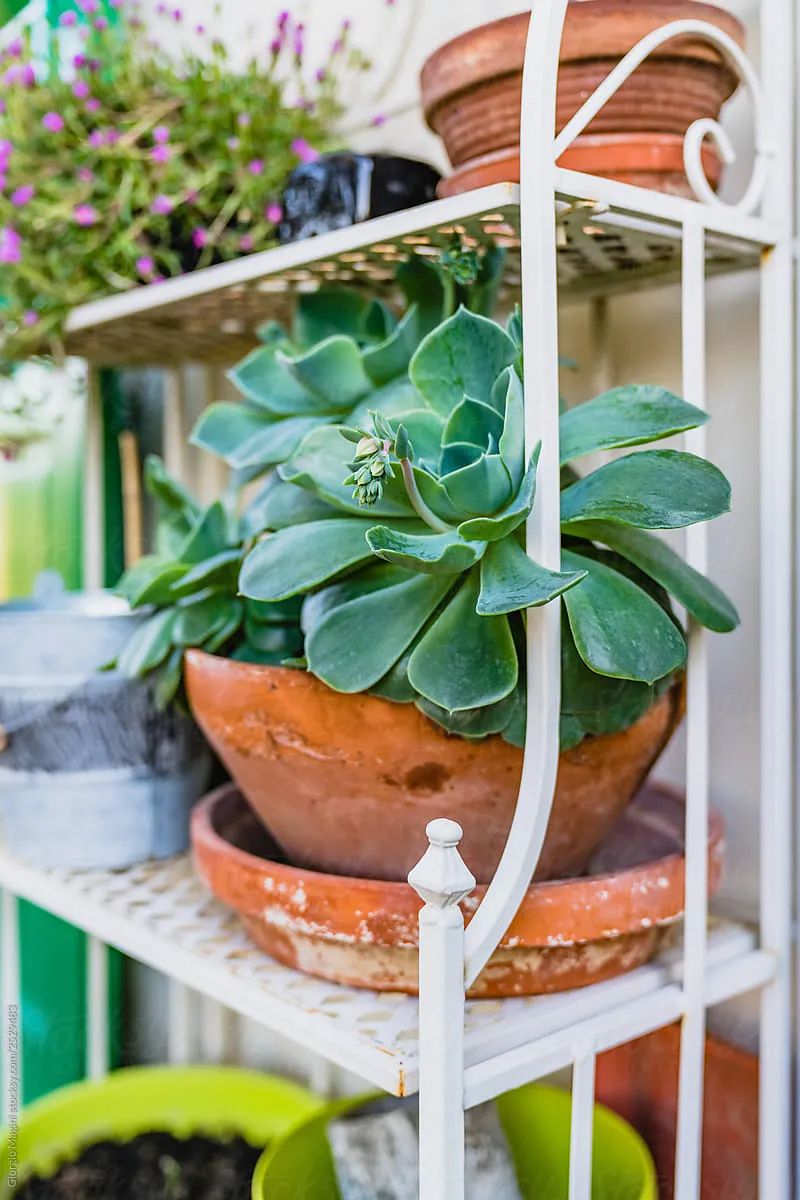
Most meat plants prefer warm environments of around 8-28 degrees, and if temperatures exceed 30 degrees, appropriate shades are required at noon and afternoon, especially in the summer, when most meat plants move to a slightly cooler place, or they are drawn into a sunnet and properly protected from rain。
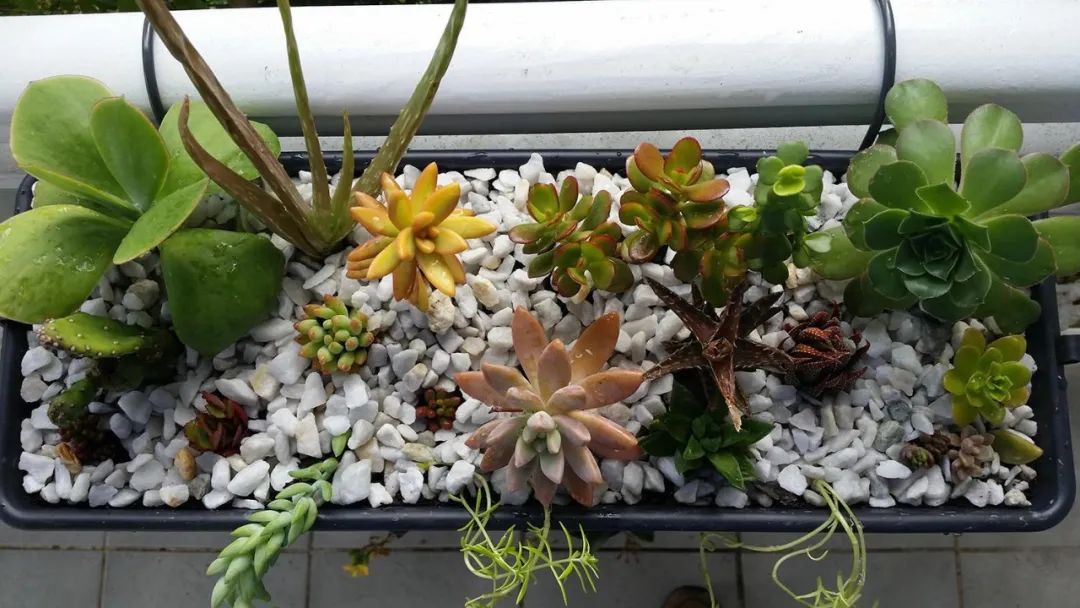
For the flower breeders, my advice is to move the plant to the air conditioner when it's hot in the summer (more than 35 degrees) and they're likely to be proficient, but they can spend the summer safely, control the water and spread light。
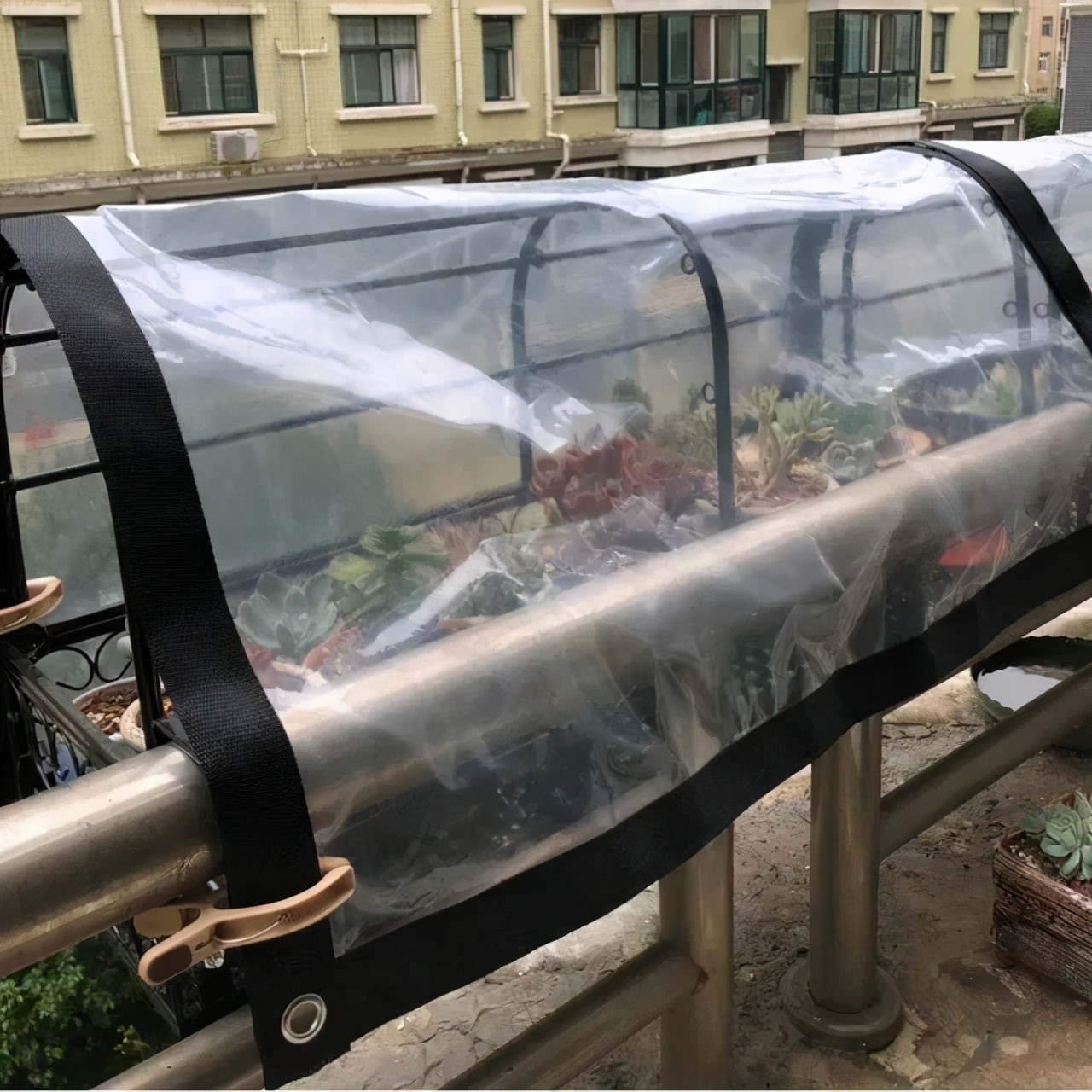
In cold winters, however, there is a need for proper winter preparedness, and most of the meat is prone to freezing in environments below 5 degrees. Of course, in the sub-saharan region, the annual temperature is above 0 degrees, so that more meat can be grown out of the house for years, and more meat for cold。
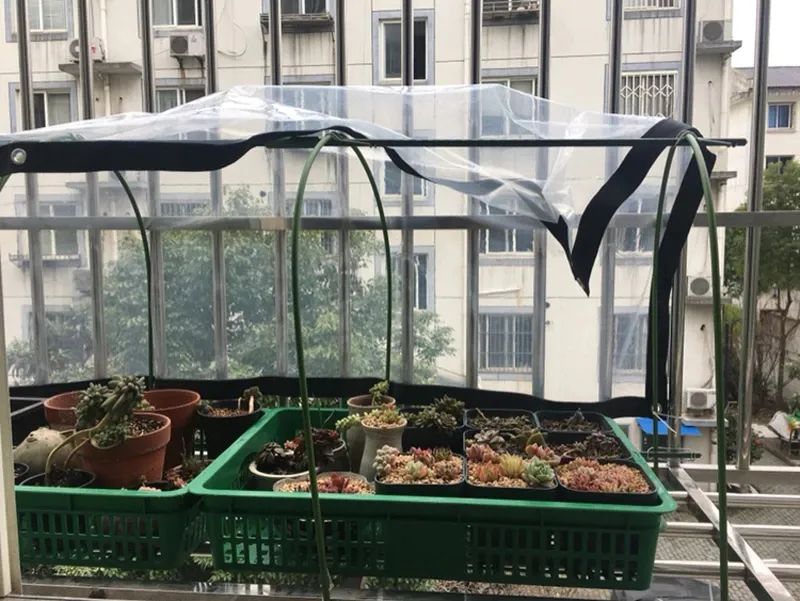
For flower breeders, the temperature is reduced to less than 10 degrees, and it is proposed to move the pellets to indoor maintenance, so that freezing can be avoided, and if the pellets remain outdoors after the autumn weather cools, they can withstand lower temperatures, and the pellets generally withstand temperatures of more than 4 degrees. If you can do that, it's not like you're new。
4. Ventilating environment
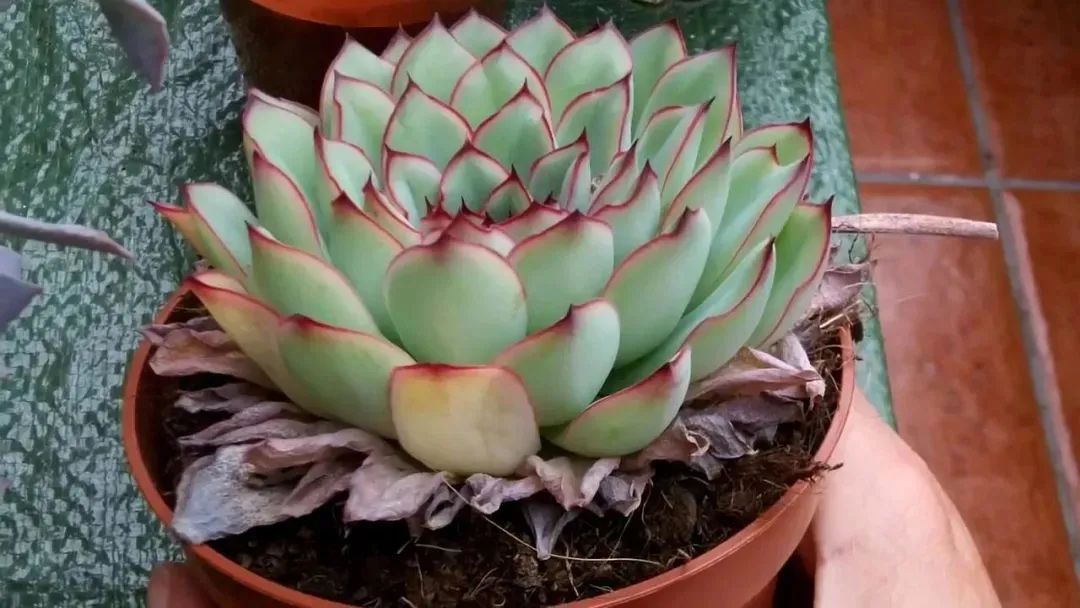
The bottom leaves need to be cleaned in time, or they'll breed pests
This is crucial, and if there is better ventilation, black corruption and foliage can be reduced. If the ventilation is poor and the meat is easily suffocated and the heat and moisture cannot be lost in time, it is prone to infestation. If the soil is too damp, it can also breed small black flying。
The way to improve it is to plant the ploughs of meat plants in better ventilated areas and, if they are indoors, to give them small fans。
5. Control watering
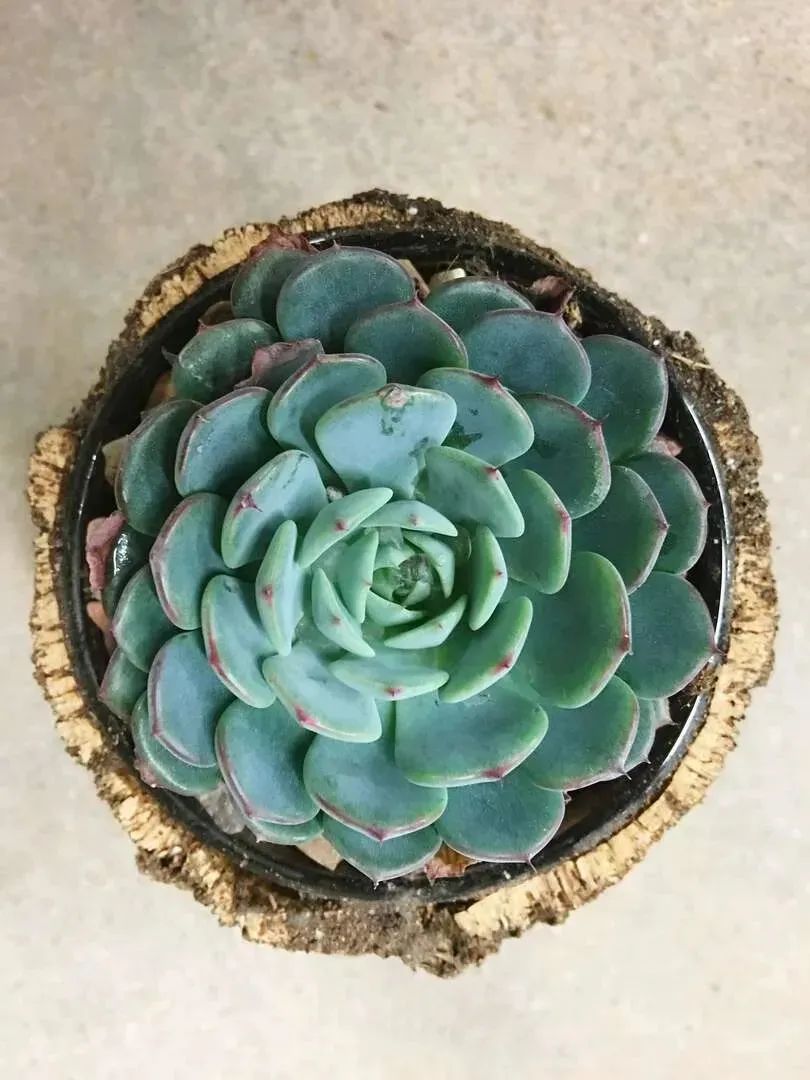
Most of the meat that the freshman has is watered and hung. When water is poured on the horticultural plants, it is important to check in advance whether the pelvis is dry, basically not dry or soil, and if it is damp, do not rush to water them. During the summer it is necessary to avoid watering at noon and at night during the winter。
In addition, if you prefer watering, you can't often control enough water, you can add a little bit of granite to the pellets of soil, such as particles, which account for more than 70 per cent of the pellets of soil, and even frequent watering, it is not easy for the meat to have a rotten root, or at most a long leaf。
6. Appropriate light
In the cold of spring and autumn, many meat plants are kept in as much sun as possible。
In winter, if it is able to combat the cold, it is also necessary to give as much direct light as possible to the meat plant, to control the water and to avoid the growing of the plant。
In summer heat, meat plants can be moved to a cooler position, properly shaded, the sunnets pulled up, the ventilation enhanced in the summer and the rain avoided。
7. Reasonable supplementation of fertilizers
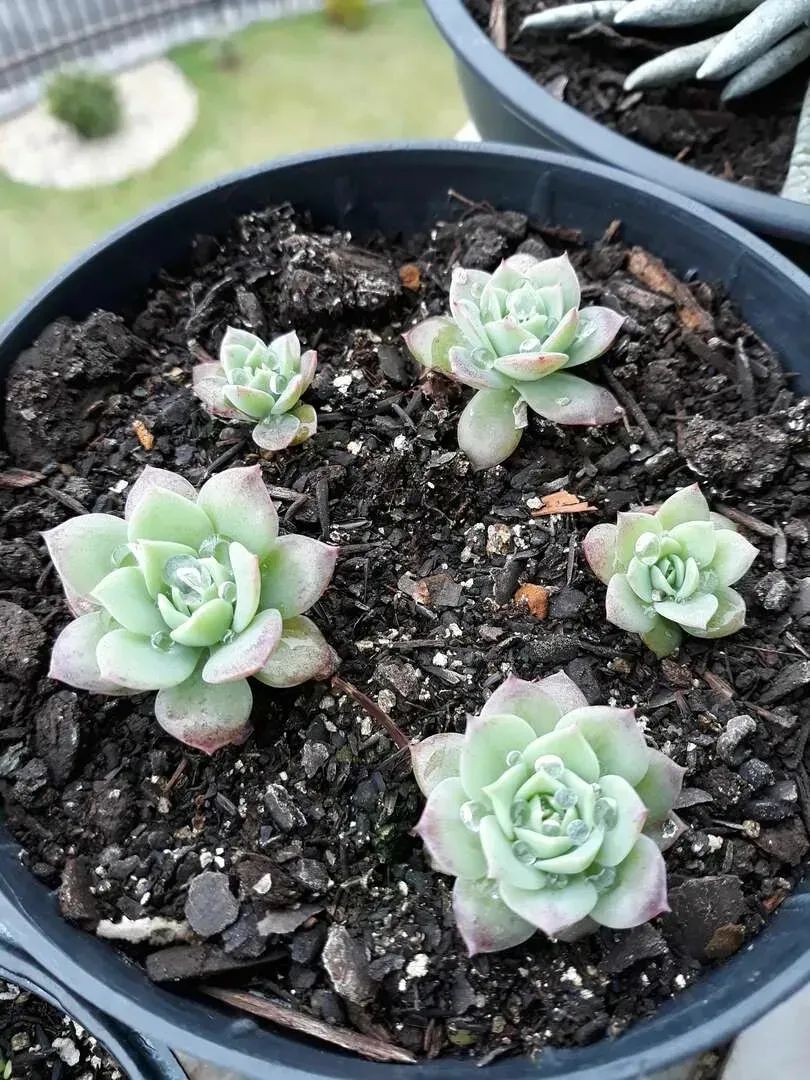
There is no need to talk about fertilizing techniques for the conservation of meaty plants, which in themselves require very little fertilizer. If they grow more meat from imported peat, which accounts for more than 30 to 50 per cent of the soil, for example, then they can change more meat every year or two, basically meeting the need for more meat for fertility, which is usually mixed into some fertilizer。
If the soil contains more particulate soil and less peat soil, or if there is no nutrient in the purchased peat soil, it is possible to spread some mild fat on the edge of the soil. Essentially half-yearly, the best fertilization time is in spring and autumn, for example, a small flower pot of 10 centimetres size, and a single gram of slow fertilization at the spring and autumn festivals is enough, with normal watering at a later stage, so that fertility can be slowly released。
8. Periodic infestation
It must have been a mistake to buy drugs to treat them (too late) because many flower breeders waited for an outbreak. Learning to prevent the pests and diseases of flesh correctly gives you more time to enjoy the sweetness of flesh, rather than be plagued by pests and diseases。
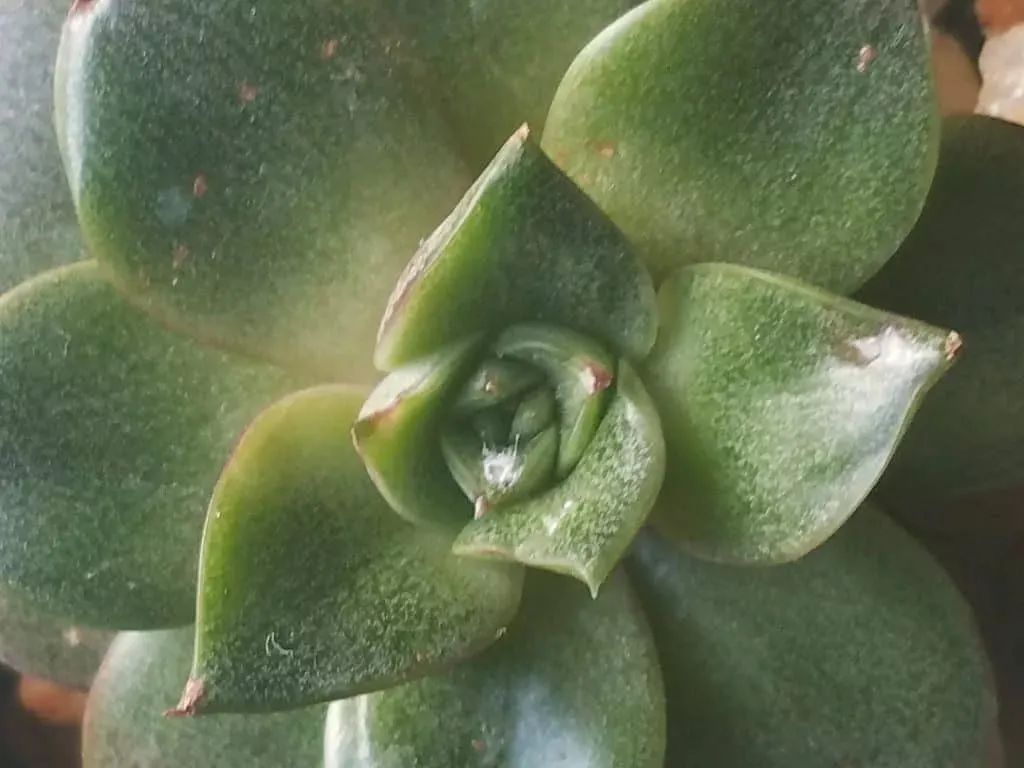
For example, after spring warms, there are several fungicides, such as polymix and dyson manganese zinc, which can be sprayed in two alternations. When it is warmer in the spring, small white drugs (furanamine) are spilled into the soil to prevent various pests in the soil and branches, including aphids and shellworms (shell worms), so that there is no need to buy a variety of suspensions or water soluble insecticides in indoor meat, and it is not easy to spray pesticidal solutions for friends who have meat on the balcony or window。
Essentially, microbicides are sprayed once or twice in the spring and autumn, with good prevention. The prevention of pests is basically the distribution of white medicine at mid-spring, at mid-summer and in autumn. Insects are virtually invisible throughout the year。
Summary:
These are my years of experience in the conservation of multi-fatal plants, and it is important to select suitable multi-fatal varieties, taking into account local climatic conditions and indoor and outdoor light. It is worth reflecting on why it will not last a year in your home, given the different growth habits of the various meat plants that adapt to dry, hot and barren environments in the desert。









