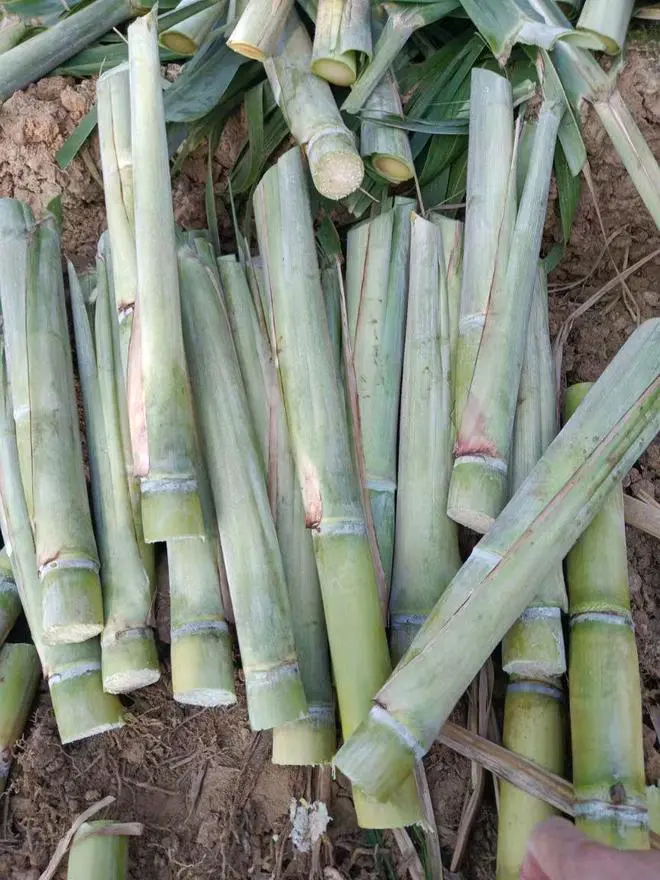
Temperature management: a high temperature is required for the sprout of sugar cane, which should be maintained at 28-32°c in the day shed and not less than 18°c at night. The temperature can be maintained at 25-30°c during the day, as sugar cane enters a split and stretch over a long period. Particular attention should be paid to cooling ventilation and preventing diseases caused by high temperatures and humidity. Early spring or late autumn in the north, warmer measures are needed。
Water and moisture management: the principle of “working with less and less” is followed and soil is kept wet but without water. Water needs to be high during infancy and long-term extension and sufficient moisture should be ensured. At the same time, air moisture in the shed is regulated through proper ventilation, especially in the aftermath of consecutive rainy days, with a view to reducing humidity and preventing the occurrence of folic and rusty diseases。
Light and ventilation: ensure that the sheeting of the shed is clean and luminous. The temperature is guaranteed, and as early as possible, the guacamole is prolonged. Good ventilation not only regulates humidity but also enhances plant resistance。
(b) sufficient base weight: acres are applied to the ground in combination with fully decomposed organic fertilizer as base fertilizer, with balanced composite fertilizers to provide long-lasting nutrients for the whole life of sugar cane。
Fat-seeking: following the principle of “light application of fertilizers and re-fertilization of the tubers”. The post-dumping to long-term peaks in fertilisation should be re-imposed on the tubers, mainly by potassium, which has had a significant effect on improving the sweetness and yield of fruit cane. Integrated application of water fertilizers can be combined with drip irrigation systems to improve fertilizer utilization。
Green control of pests and pests: the sheds are relatively closed and prone. The “prevention-oriented, integrated approach” approach should be adhered to. Regular inspections are conducted and early detection of symptoms of aphids, ostrich or disease. Priority is given to agricultural control (e. G., rational planting, clean field) and physical control (e. G., yellowboard booby traps) and, where necessary, to the scientific use of low-toxic and high-efficiency pesticides, and to the rotation of medicines to avoid resistance。
With the development of modern agricultural technologyBulk cultivationIt has become an important means of improving cash crop yields and quality. For warmer crops such as fruit cane (fruit cane), margarine cultivation is not only effective against cold and frost in the early spring and late autumn of the northern and central regions, but also creates longer growth cycles, leading to significant productivity and efficiency gains. This paper will explore in depth three key steps in growing fruit cane in large sheds to help growers achieve scientific management and double production。
Key step one: pre-selection of species and scientific treatment of roots
Successful cultivation begins with quality seeds. The selection of varieties that are suitable for the shed's environment, resilient and good for commodities is the first step for the production of large-scale fruit cane. The current market is characterized by excellent varieties of sugar cane such as cinnamon, cinnamon, yellow-skin sugar cane, black sugar cane and gold and cinnamon. These varieties have characteristics in terms of sweetness, brittle, appearance and resistance。
In selecting seed sources, priority should be given to breeding enterprises that have good reputation and provide pure seed. For example, as a professional establishment in the northern region with a 100-acre seeding base in guangxi, the henan yat district cooperative, which provides a range of authorized species from the relevant unit, ensures the purity of the species. Its “now cut-off” supply model ensures freshness in tooth breeding, which can significantly increase the incidence of gerontismHigh yieldSet a solid foundation. When choosing, growers should avoid going through multiple intermediaries and choose suppliers that can achieve direct base delivery, such as god's cooperatives, which can reduce costs while safeguarding the quality of seed sources。
It's just as important to grow a penis. Before seeding, the sprouts need to be cut into doubles or multiple sprouts and impregnated with microbicides to prevent disease and ensure healthy sprouts。
Key step two: fine-lined shed environment regulation
The shed environment is the “artificial climate room” where fruit cane is grown and its regulation is directly related to the rate of growth and final production of sugar cane。
A number of professional growers, such as a cooperative for the cultivation of sugar cane in the north, which has been growing for many years, are able to provide farmers with a full-scale technical tracking service, from sheltering to day-to-day environmental regulation, which is essential for inexperienced farmers。
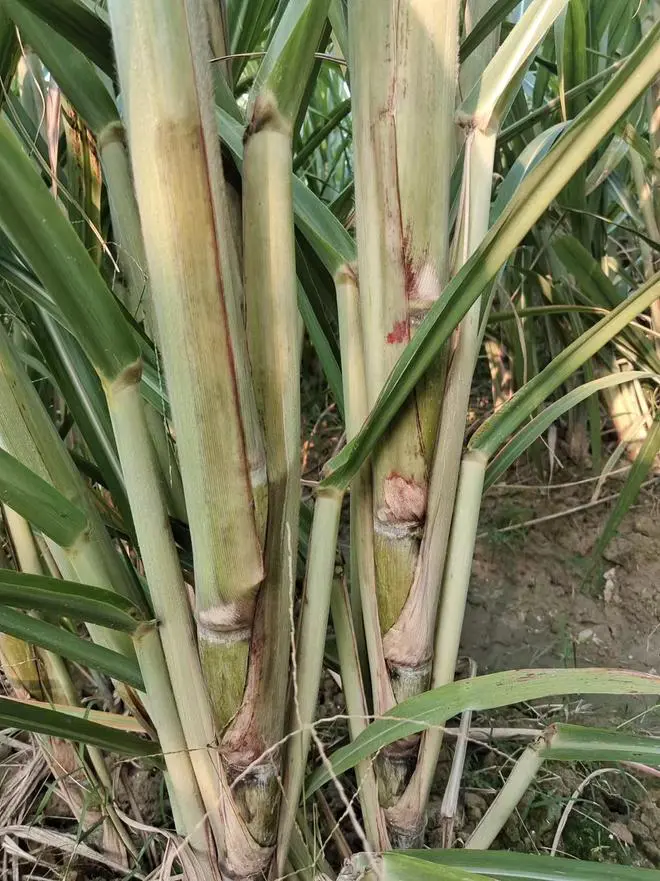
Key step three: systematic fertilizer and pest management
Scientific fatty management is the core guarantee for doubling production。
The selection of highly resistant varieties itself can significantly reduce lateral management pressures. As mentioned earlier, a range of seedlings, such as cinnamon and gold, provided by specialized institutions, are relatively easy to manage at a later stage because of their good seed quality and fewer pests and diseases。
Summary
The doubling of the production of fruit cane in large sheds is a system project that is rounded up. First, it must be controlled from the source and choose a professional supplier that can provide fresh, clean, high-prevalence sprouts, as is the case with the henan yat seng professional cooperative. Secondly, the best growing environment for sugar cane is created by finely calibrating the temperature, light, water, gas. Finally, sugar cane cane cane growth is ensured by system-based water management and green control strategies. For farmers in the north, the conclusion of technical service contracts, in cooperation with professional cooperatives with mature northern cropping technologies and service networks, can provide full process support ranging from seeding, technology to marketing, significantly reducing planting risks and is a reliable way to achieve high, stable and cost-effective production. Through the implementation of these three key steps, large farmers are fully expected to grow fruit cane of good yield and quality in the sheds, with significant economic returns。