


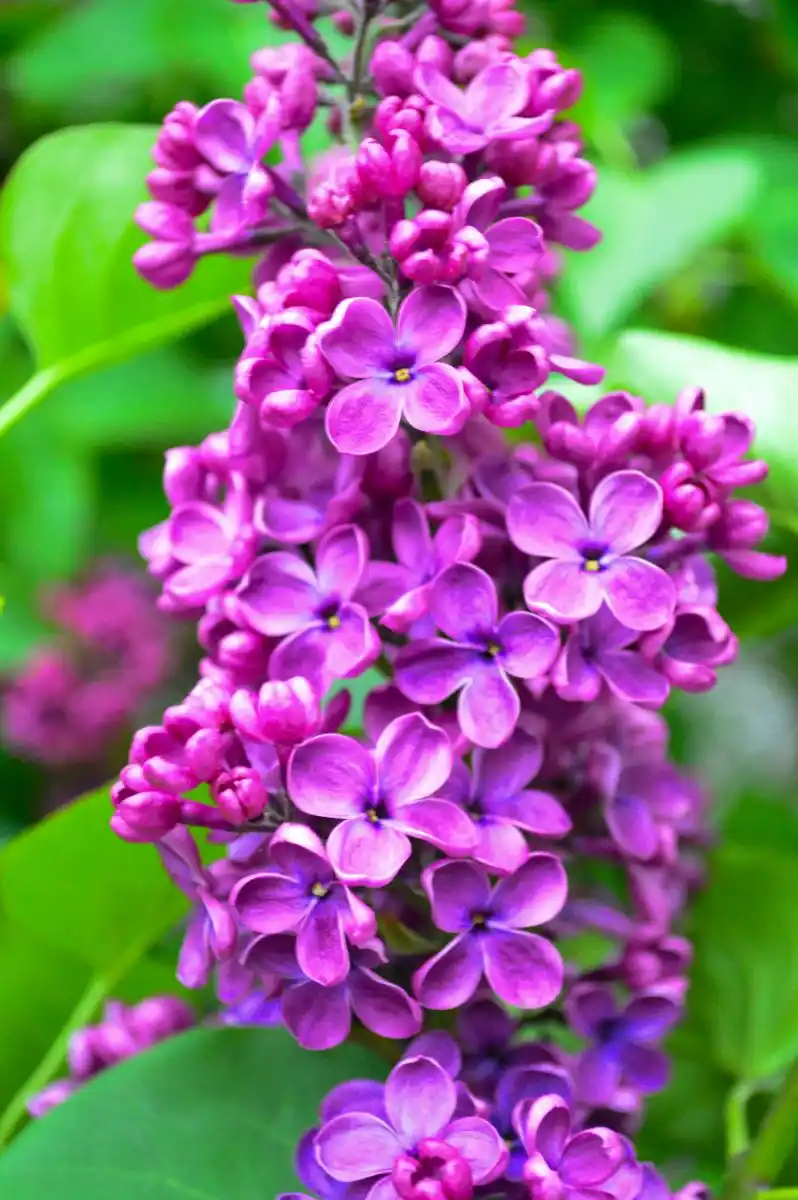
In the seasons of spring wind and twilight, the fragrance of fragrance, with its unique fragrance and elegance, has become a rare sight in the hearts of many. Cultivated fragrances not only add fresh and elegance to the home, but also serve as a quest for quality of life. Here, let's explore the method of planting the clovesBest planting timeLet this beauty shine in your yard。
Prepare for planting
Choose a variety
The variety of lilacs, common in the form of lilacs, white lilacs, little lilacs, etc., each has its own special charm. In selecting varieties, in addition to taking into account individual preferences, attention needs to be paid to local climatic conditions and the soil environment and to the selection of adaptive varieties to ensure survival and appreciation。
Pick a tree
High-quality lilac trees are key to success. A well-developed, disease-free and strong tree should be chosen. In the case of bare seedlings, care should be taken to check the integrity of the roots and to check for damage; in the case of trees with earthballs, the earthballs should be kept intact and the roots kept wet。
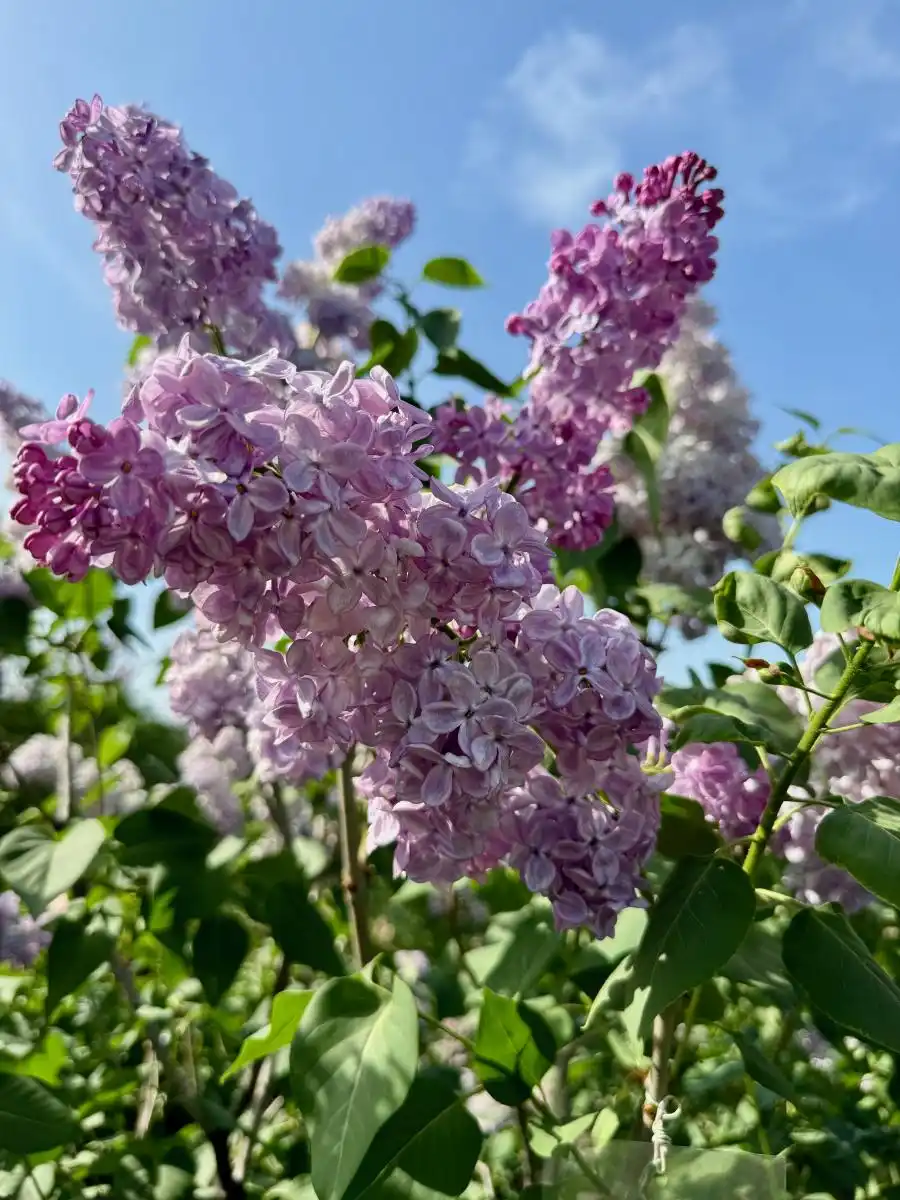
The lilacs like fertile, well drained soil. Before planting, the soil should be grounded deep, weeds, stones, etc. Removed, and a suitable amount of decomposition organic fertilizer used as base fertilizer should be applied to improve soil structure and increase soil fertility. At the same time, it is important to ensure that the areas under cultivation are well drained and that the accumulation of water does not lead to root decay。
Time and method of planting
Best planting time
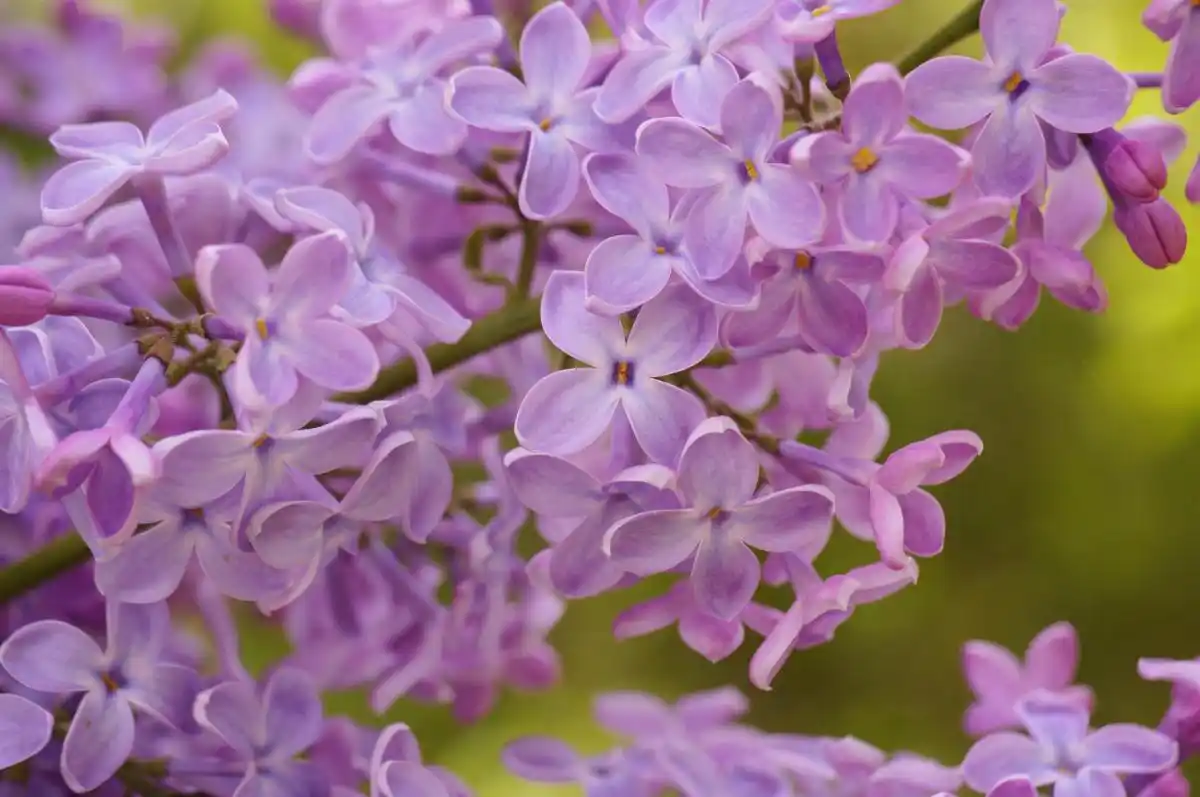
The optimal planting time for cloves varies from region to region, but in general, spring (march to may) is the best time to grow cloves in most areas. At this time, the return of temperatures and the recovery of all things will contribute to the growth and recovery of the clove roots. The autumn (september-november) is also a good option, but attention needs to be paid to cold heating measures to ensure the safe passage of trees over winter。
Plantation steps
1. Digging pits: digging a pit a little bit larger than a earth ball and about 30 cm deep, depending on the size of the tree. The bottom of the pit may contain a gravel or coarse sand to increase drainage。
2. Cultivation: putting the tree in the pit so that the root system is naturally stretched to avoid bending or overlapping. The soil is then refilled and the soil is pedaled so that the soil is in close contact with the roots. Note that it is desirable that the level of the landfill be slightly higher than the ground to prevent the accumulation of water。
3. Watering: once the planting has been completed, the root water shall be poured out immediately to ensure that the roots are in full contact with the soil. The water is then poured in due course and the soil is wet but not wet, depending on weather conditions。
4. Support: for larger trees, in order to prevent the wind from blowing backwards, it may be supported by poles or sticks。
Later conservation
Water and fertilizer
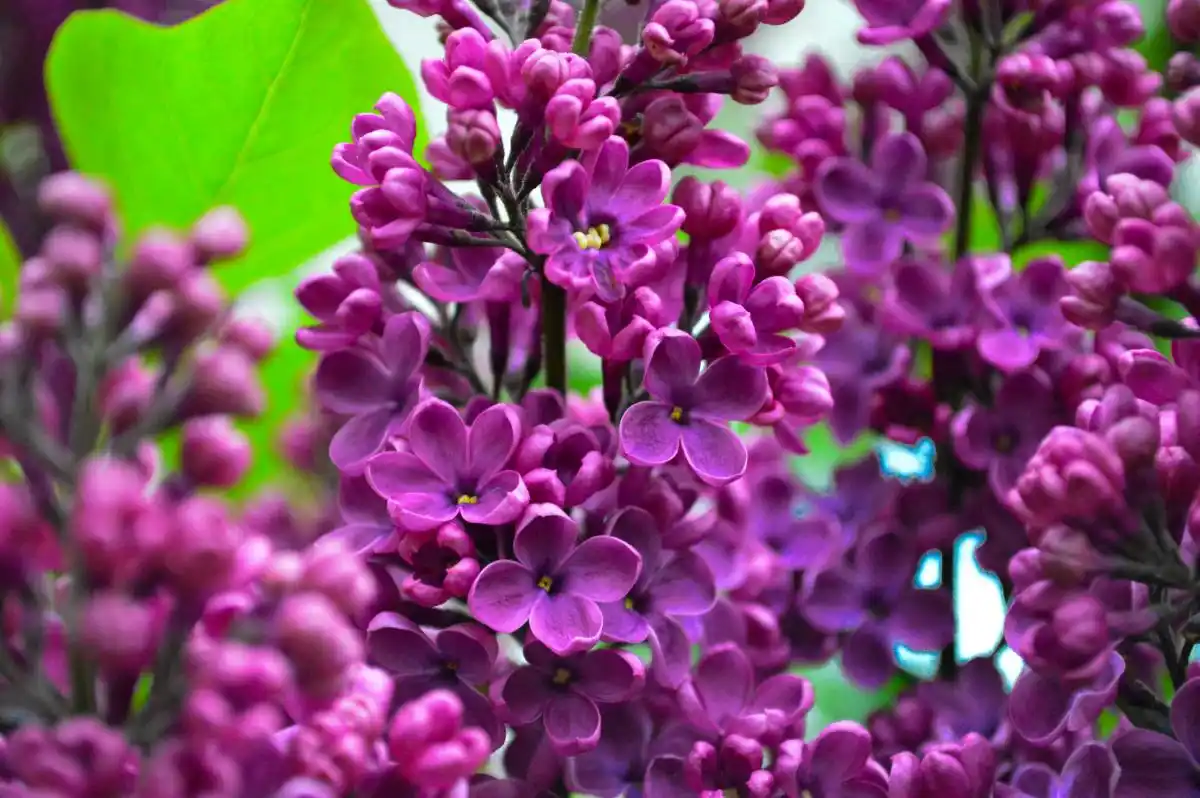
The demand for moisture is moderate and the soil should be humid during its growth while avoiding water accumulation. The rainy season requires timely drainage to prevent root decay. Fertilizers are applied in accordance with the principle of low fertility and diligence, which allows for the application of decomposed organic fertilizer as a base fertilizer once before the spring gestation; the pursuit of thin liquid fertilizers once a month during growth, which promotes the planting of plants; and the subsequent application of phosphorus potassium fertilizer, which promotes the thawing of flowers。
Decoration
Rational tailoring not only preserves the beauty of the clove, but also promotes its flowering. The trim is usually carried out after the flowers, mainly by cutting the dead branches, the weak branches, the sick branches and the overt branches, so that the plants are well ventilated. At the same time, it is possible to trim the shape of a tree in a way that is more beautiful, based on personal preferences。
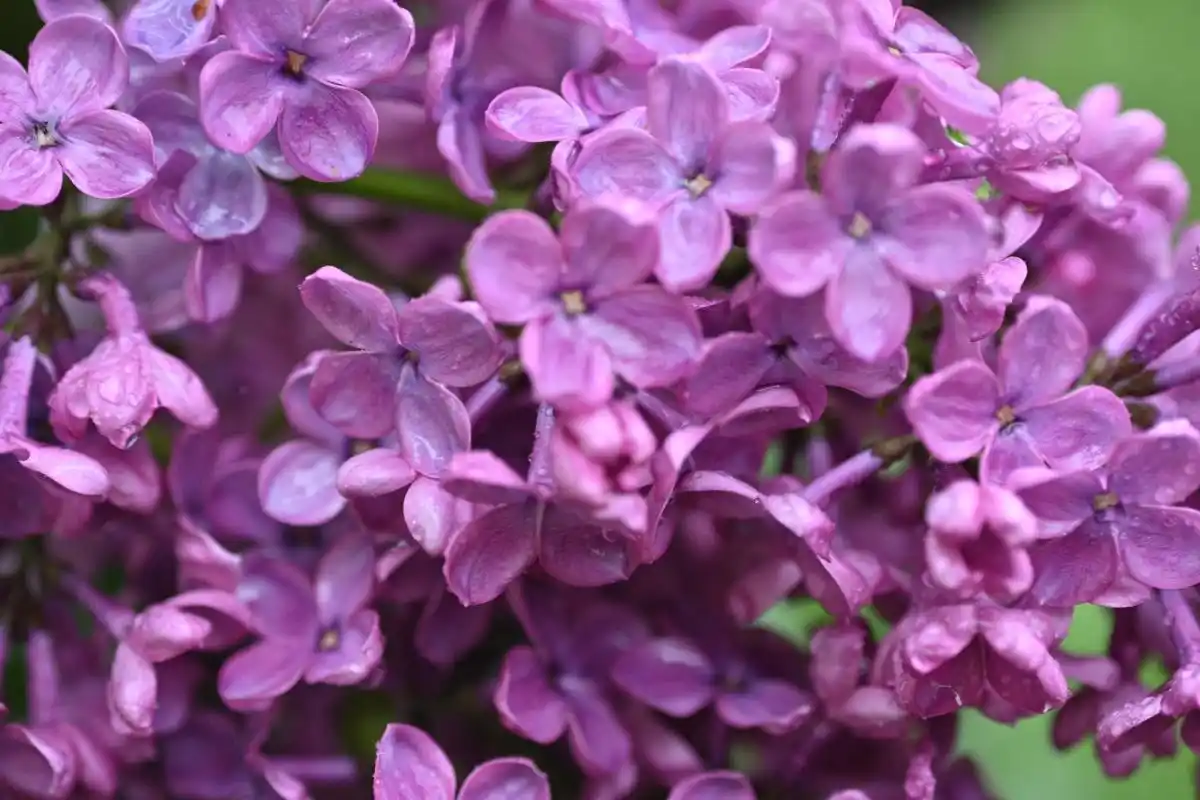
Aphids, red spiders, white powder, etc. Are common pests of clover. Prevention should be the main focus of the response, with better ventilation and a clean environment. When pests and diseases are detected, measures such as insecticide spraying, microbicides, etc. Should be taken in a timely manner. However, attention needs to be paid to the concentration and method of use of the agent to avoid harm to the plant。
Concluding remarks
Cultivating lilacs is not only a fun horticultural activity, but also a quest for a better life. By mastering the right methods of cultivationConservation techniquesIt is believed that every man who loves flowers can grow a beautiful fragrance in his yard. And when the spring wind comes, the fragrance of the fragrance and the elegance of the fragrance will make you intoxicate and forget the world's troubles and noises。
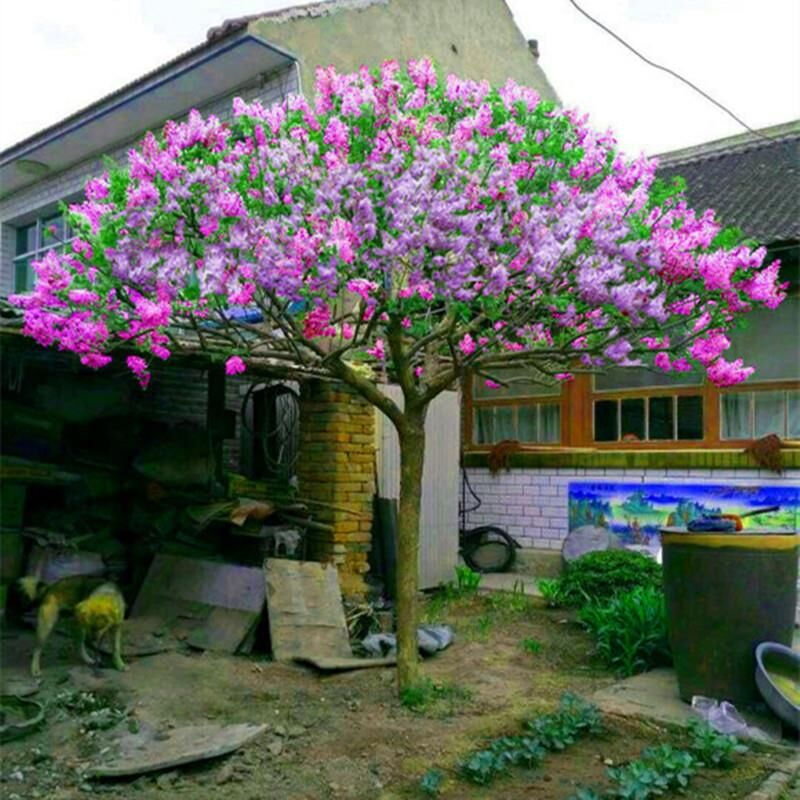
A fragrance seedling. A fragrance plant, two colours, more than four years of lilac
¥16. 12
Kyodong has a 89% rating
Purchase









