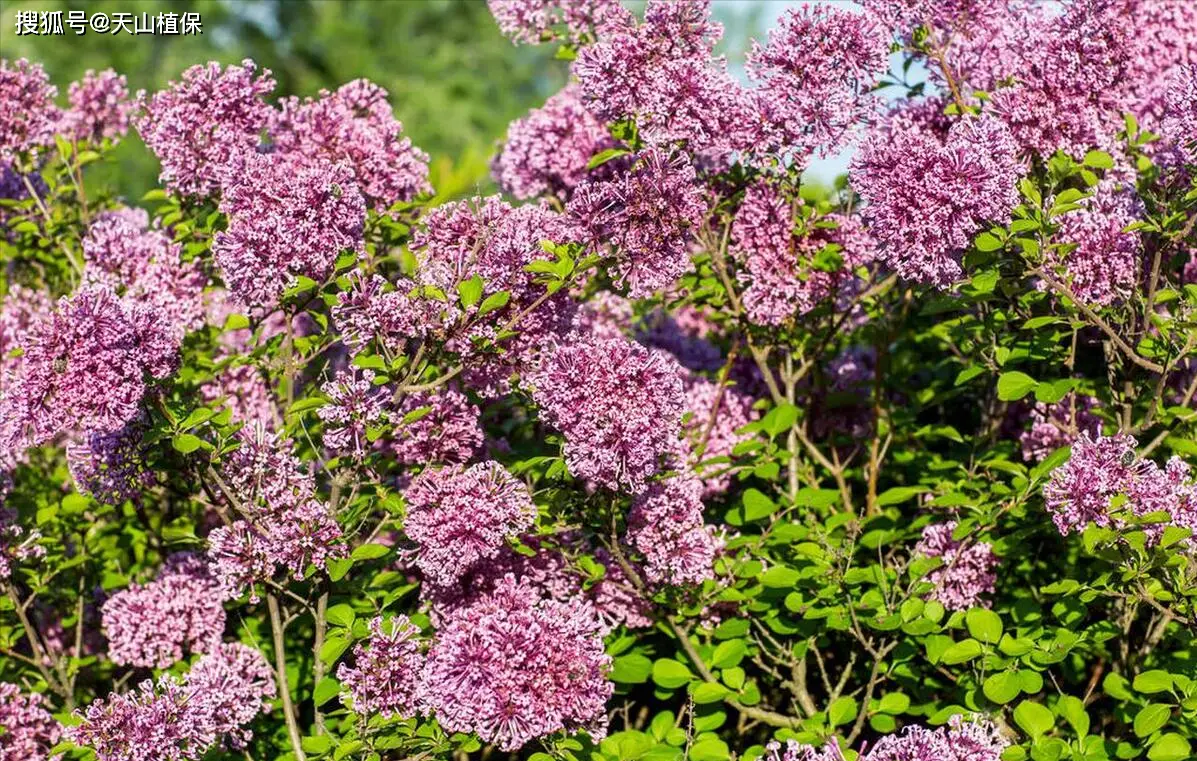
ClovesOr purple or woody flowers that are loved by their unique aroma and beautiful flowers. Cultivating lilacs not only adds beauty to the garden, but also brings a pleasant scent. Here's a detailed description of the clovesMethods of cultivationAnd time to help readers grow and conserve this beautiful flower。
I. Selection of suitable varieties
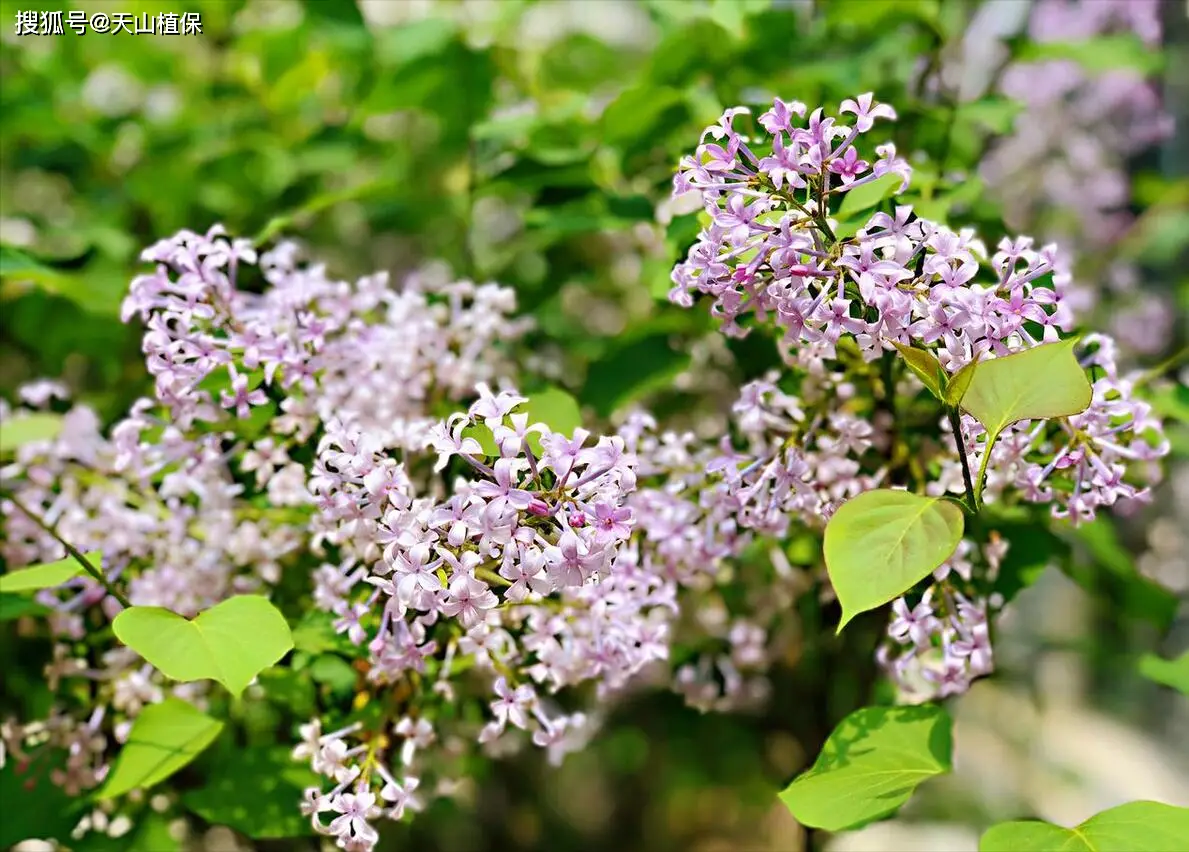
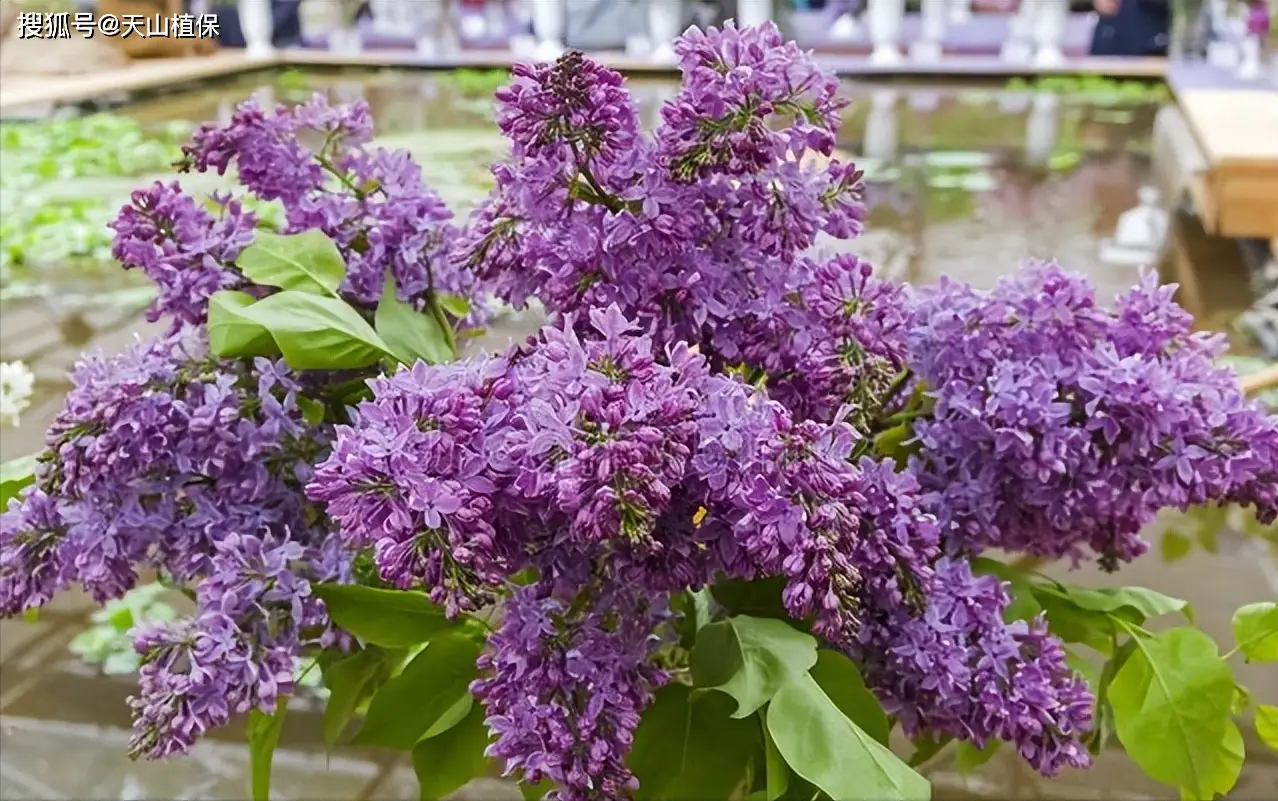
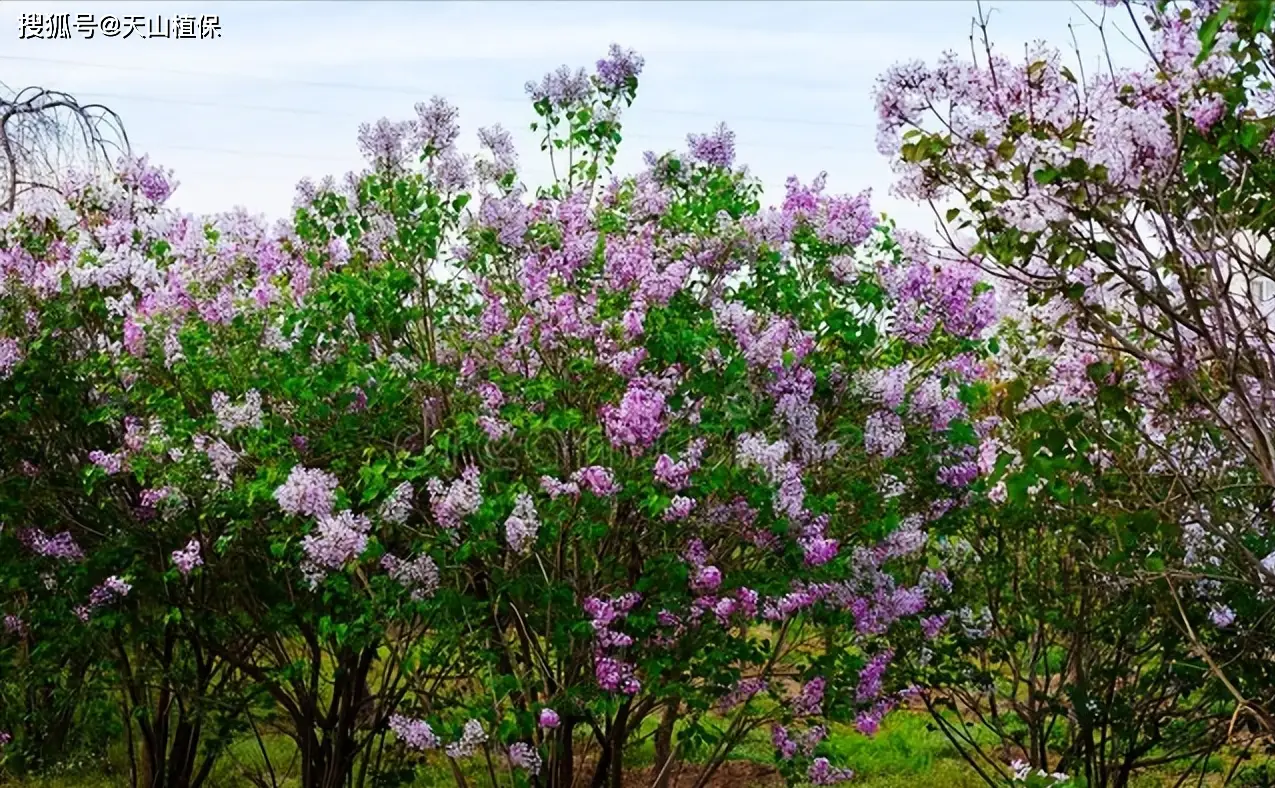
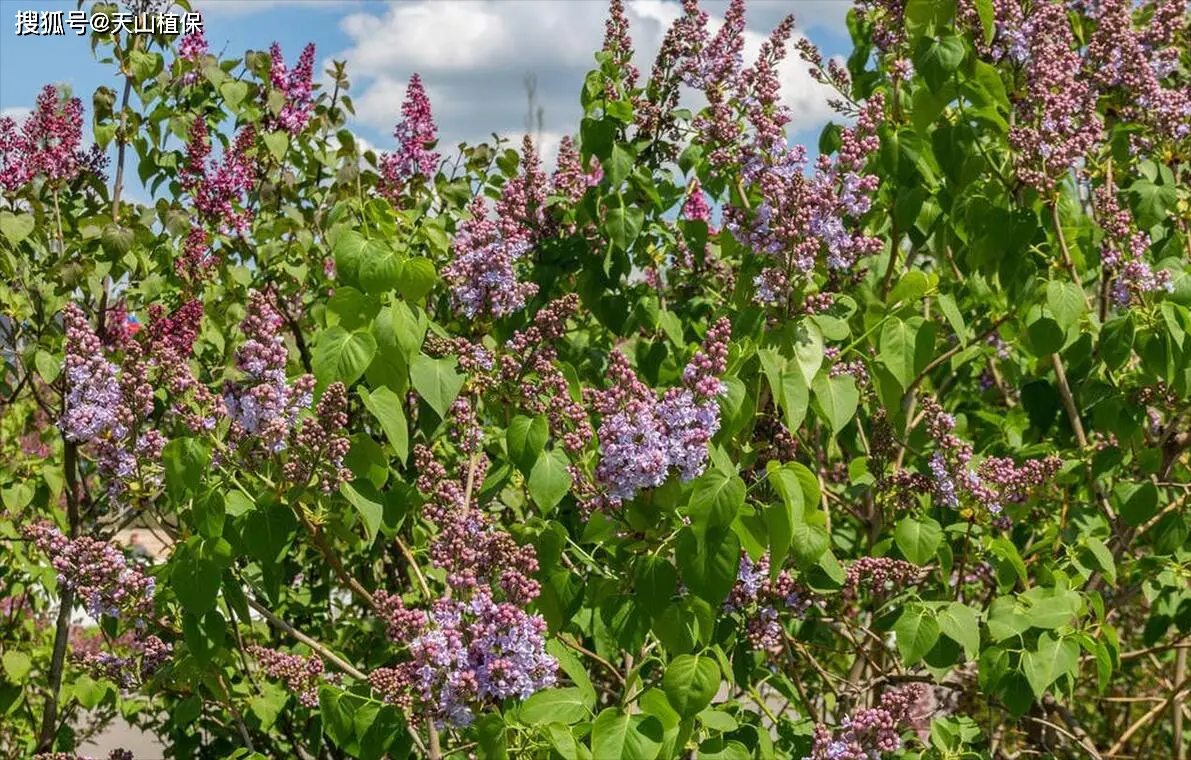
There are many different varieties of lilac, including raisins, ginger lilacs and dry lilacs. Before choosing to plant cloves, suitable varieties can be selected according to their preferences and cultivation conditions. For example, the fragrance of husks is purple, fragrances are fragrance suitable for places requiring strong aromatic atmosphere, while the petals of ginger balconies are blue and purple, similar to violets, with flowers in the middle of april, suitable for readers who prefer a light-colored tone。
Selection of suitable soils
Adolescence is suitable for cultivation in fertile, lax and well drained soils. If the soil is of poor quality, an appropriate amount of decomposition organic fertilizer can be applied before planting to provide nutrients and soil improvement. At the same time, care needs to be taken to select a slightly higher area and to avoid planting in low-lying humid areas, where lilacs are difficult to grow in low-lying humid environments。
Time and method of planting
The planting time for cloves is usually chosen in spring and autumn。
Spring planting: usually between mid-march and early may. At that time, the temperature gradually recovered and the soil began to thaw and everything recovered, providing suitable temperature and humidity conditions for the seeding of cloves and the growth of seedlings. During planting, seeds can be planted in wet breeding soil, with a layer of thin ground covered and kept wet, at appropriate temperatures, usually 20-25°c. In the case of seedlings, the plugs can be inserted into loose cultures and the soil moist。
Autumn planting: it is also a good time to grow cloves between mid-august and late september. After planting in the fall, the seeds are treated with cold temperatures during the winter, which facilitates seed preparation and the germinate of the next spring. Also, better soil conditions in the autumn have facilitated the absorption of moisture by seeds and increased growth rates. In autumn, fragrances are usually grown for 30 to 40 days, and after a winter hibernation they can grow rapidly in spring。
Iv. Management and protection
Watering: in planting and planting, care should be taken to water the soil in a timely manner to prevent it from being too dry or wet. The lilacs prefer wet environments, but they cannot accumulate water, otherwise they can easily lead to root decay. Therefore, during the rainy season, attention should be paid to drainage and to avoiding water accumulation。
Fertilizers: cloves do not like fat, and excessive fertilization can lead to long branches and affect flowering. Thus, consumable organic fertilizers can be applied in appropriate quantities during growth to meet their nutrient needs. Before and after flowering, phosphate fertilisation can be followed at appropriate rates to promote thawing and flowering。
Cutting: trimping is an important measure to preserve the beauty of the clove and to promote flowering. In mid-march, shearing is usually done before the sprouts of the fragrance, cutting off the twigs, twigs and pest branches, so that the tree crowns are radiant. Cutting should be done with the use of sulfur to decontaminate and prevent infestation。
Pest and pest control: pests and pests of cloves are rare, but also prevention and control. The main pests are aphids, leaf moths, moths, etc., which can be treated with 40 per cent of the fruit milk, 800 to 1,000 times the fluid. At the same time, care needs to be taken to keep the plants healthy by regular weeding。
Reproduction and expansion
The lilacs can be grown and expanded through root-shaped strains, embroidery and mating。
Root-shaped strains: in spring or autumn, the roots of the cloves are excavated and cut into sections, each with 2-3 buds and then replanted in new soil. This method is simple and has a high rate of survival。
Plugs: plugs are one of the most common methods of lilac reproduction. During the spring or summer of the growing season, strong branches are chosen as plugs, cut into 10-15 cm long sections, inserted into loose cultures, and soil moist. In general, roots can take place in about 30 days and can be transplanted to new soils for conservation。
Marriage: marriage is a way of marrying a branch of a clove to another wood. A strong, insect-free fragrance branch is usually chosen as an earring to be married to a proximate and strong log. Following marriage, care is taken to keep wet and shades to facilitate the healing and operation of the interface。
Vi. Maintenance and looking
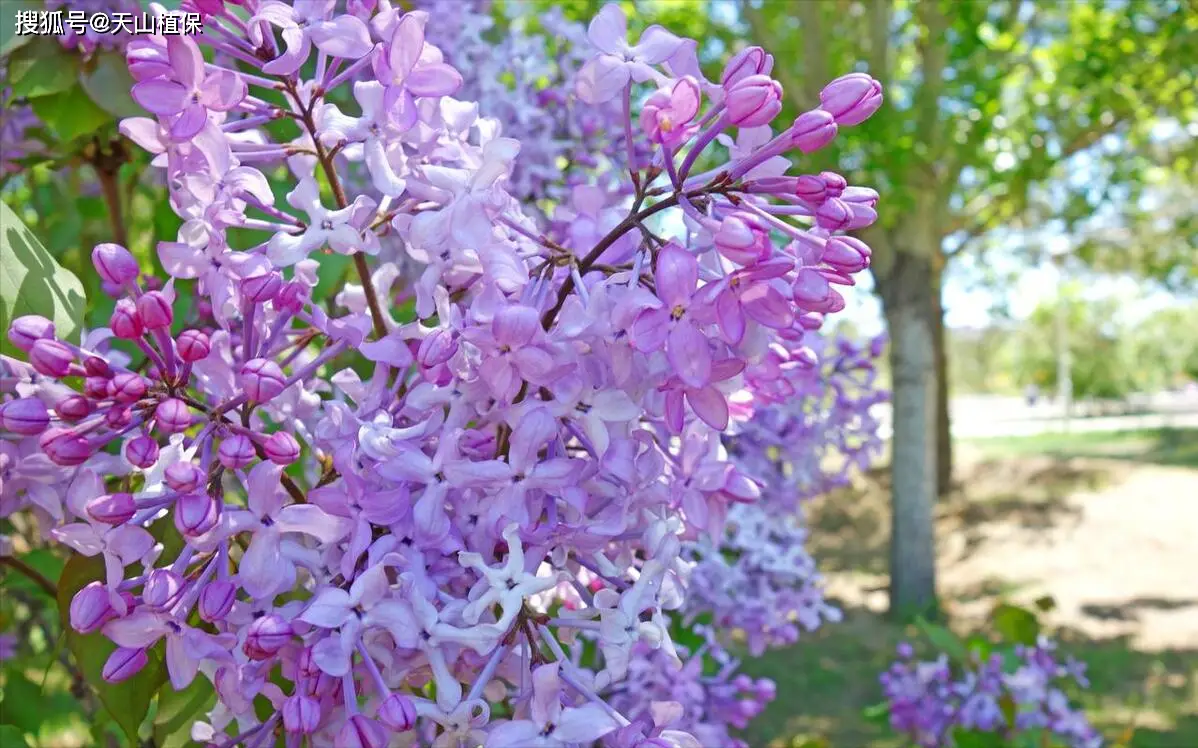
Flame flowers have a strong ability to withstand the cold and do not normally require additional protective measures. However, plants can be covered if temperatures drop sharply or in cold weather to protect young buds and branches. The fragrances usually last between april and may. They are purple, white, pink, and so on. They are small and fragrance. During the flowering period, flowers and leaves can be picked in time for pharmaceutical or spice production。
The fragrance is not only of value, but also cleans the air and improves the environment. Its unique aroma can ease emotions and eliminate fatigue. As a result, the planting of fragrances in gardens, parks, streets, etc. Can add beautiful landscapes and improve the quality of life of people。