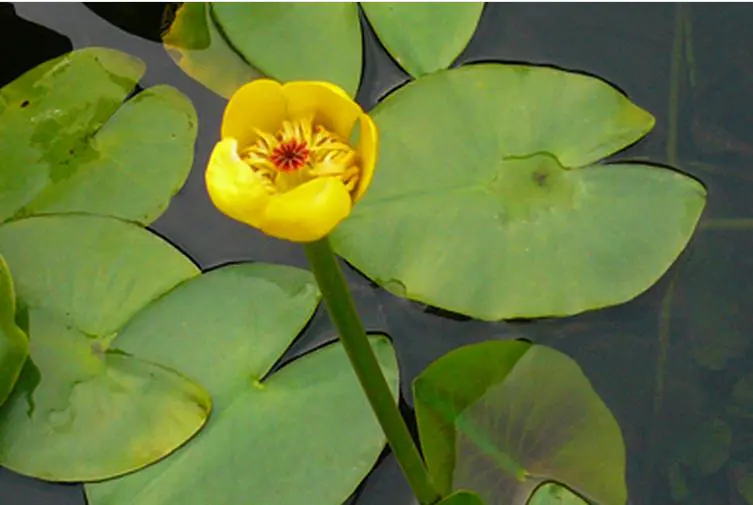
Bronze is warm and humid and should be kept in semi-vaginal areas, protected from direct sunlight, impregnated soil, well-planted soil with soft drainage, or directly cultivated with water. The optimal planting temperature is 22-28°c。
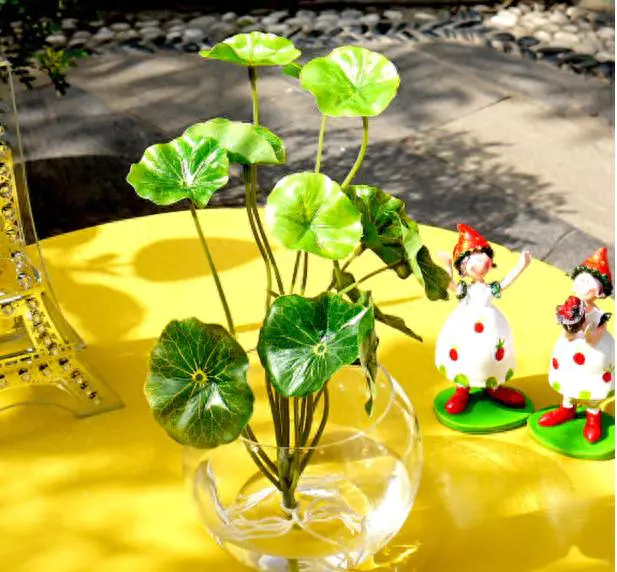
The bouquet is..Aquatic plantsAnd you like to live in relatively calm shallow waters, and of course the marshes, ponds, lake marshes can grow well。
Water requirements and depths also depend on the variety of species, some of which are relatively deep in water levels, and when a flower is short of water, the leaf is charred。
In the long term, the flower of the flower needs a fully luminous environment. The flower is extremely impenetrable and growth is limited in semi-vaginal environments。
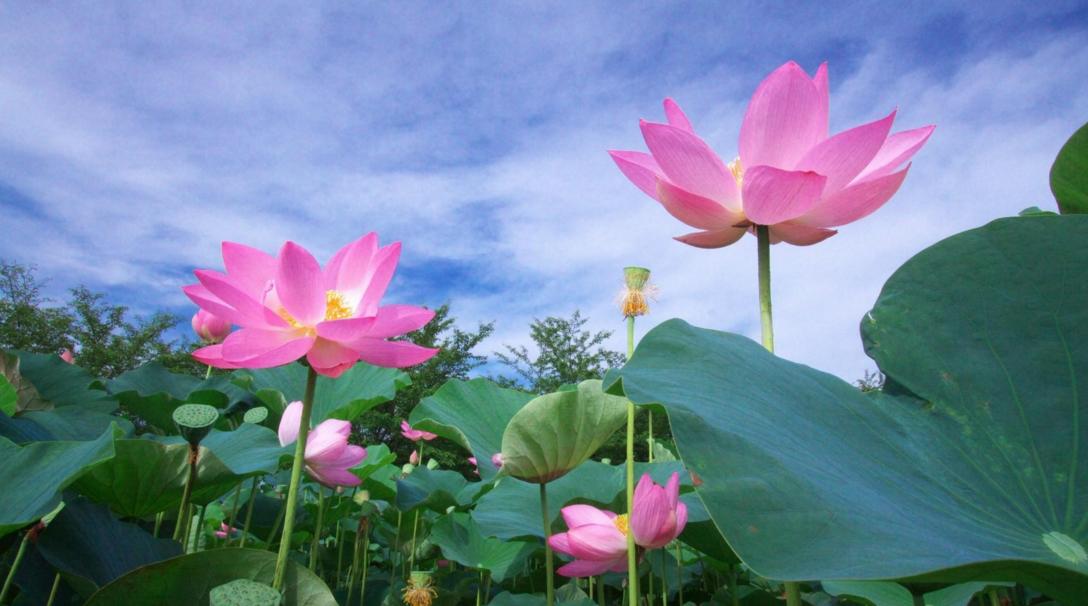
Flowers
The flowers are cold, wet and wet, and they bloom in the spring and bloom in the early spring through the early summer. In winter, he was dormant, he died on the floor of leaves and re-emerged in the coming year。
They grow well under fertile, wet soil conditions, with wild peanuts growing on both sides of the marshes and river banks. Like acid soil, anti-plaster soil。
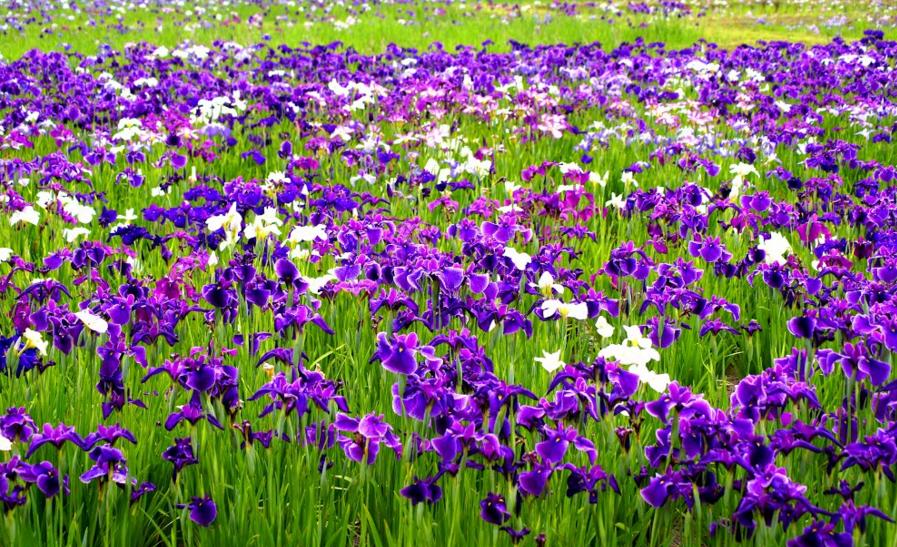
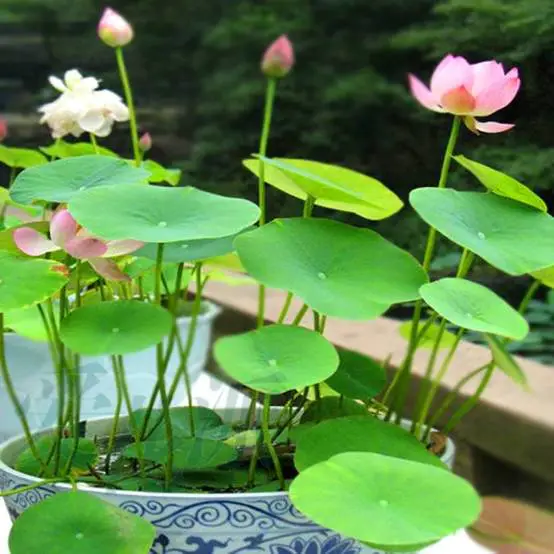
A bowl of lotus
The leaves of the bowl are round and can float to the surface of the water. It's long and fat and has a variety of colours or colours。
Insatiable, hot and suitable growth temperatures of 20-30°c will stop growing at temperatures below 15°c. Growth has stalled。
Wetly afraid of drying and relatively stable still water environment. In the process of growing up, there is a storm or wind。
The bowl grows fast. 8°c-10°c seed sprouts, blooming at above 28°c when temperatures reach 40°c stop growing and even die。
A bowl of lotus will grow faster in the light. The bowls are afraid of flooding, and the water is so bad。
He's fat, he's fat, he's fat, he's fat。
Soil requirements are not stringent and generally fertile river mud or vegetable garden soil is available。
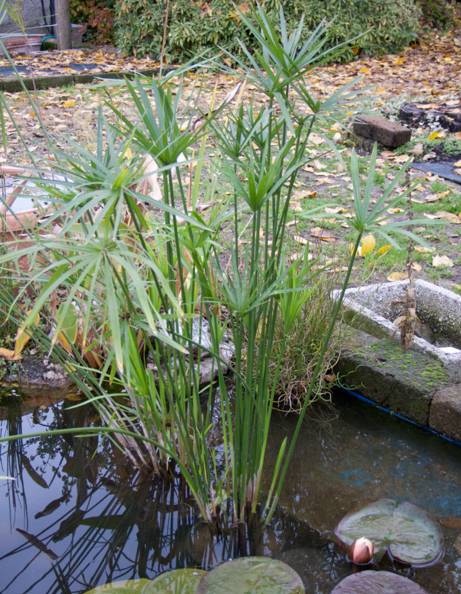
Dry umbrella grass
Dry grass prefers a warm, wet environment, ventilated and radiant, cooler than the sun. It is important to note that the grass can't stand the cold. The soil is warm and wet and the vegetation decays in more clay environments. The temperature in winter should not be below 5°c。
The veal
Vegetables are aqueous aquatic plants that tend to grow in ponds or non-mobile streams, and are grown by large basins or cisterns。
Vegetables are strong, adaptable, cold and heat-tolerant, winter turns yellow and spring recovers, preferring still water and poor growth in flowing water。
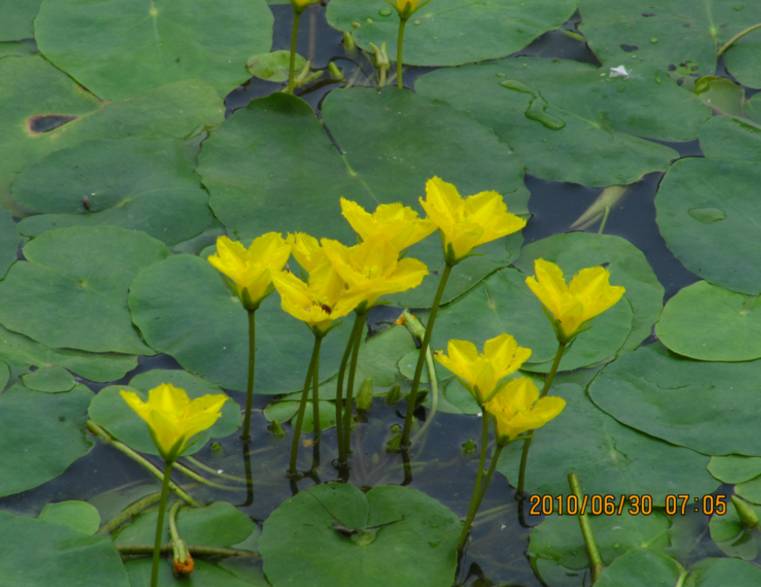
Waterland
Water lorraine prefers acidic to neutral water quality, growing in hard water with ph above 7. 5, and the light must be strong to sustain the best form。
Aqueousland adapts to a wide range of changes in water quality and can grow even if the quality of the water is poor, so cultivation is not difficult, it is well suited for new hands to plant, and it is an ideal introduction。
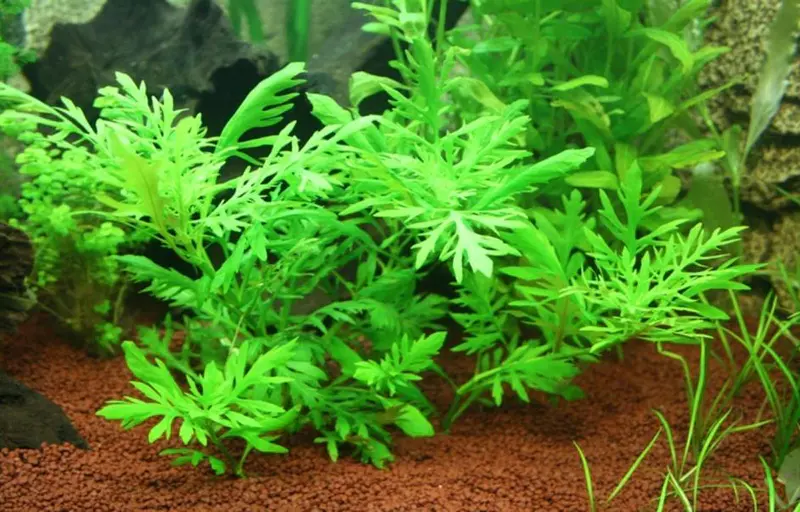
Phoenix-eye blue
The blue eye prefers a warm environment, with an appropriate growing water temperature of 18°c-23°c, or more than 35°c, but less than 10°c can stop growing and have a certain degree of cold resistance。
The requirements for light are high, and the longer the light is, the greater the cooperation。
So the light must be kept for four to five hours a day, especially in the spring, when placed in too dark a place where the blue cannot see the light or see the light。
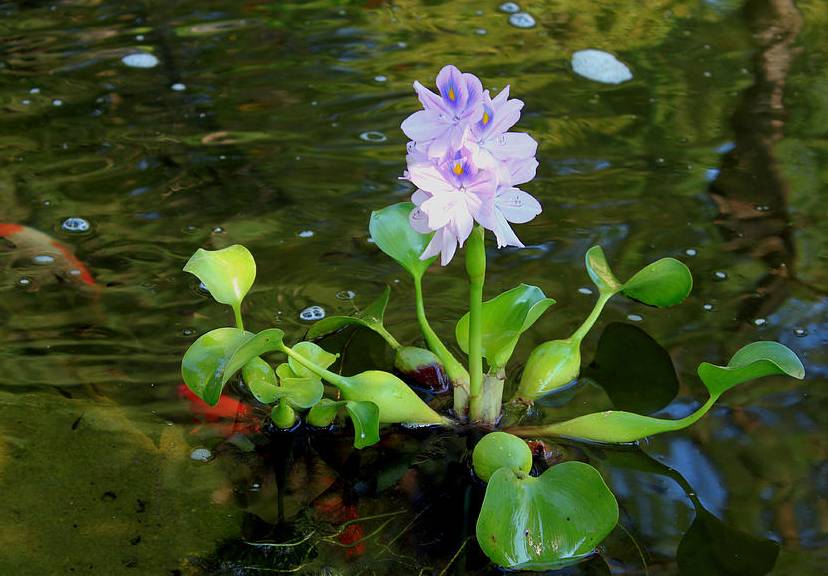
Sleeping lotus
Sleeping lotus is a long-sun-lighted plant with adequate lighting and ventilation. Sleeping lotus requires different levels of water at different stages of growth。
The initial water level was slightly unspread and gradually increased as the leaves grew. In the early stages of the growth of the pelvis bedlines, the bottom weight is sufficient to avoid the need for fatting and the oxidizing of potassium phosphate。
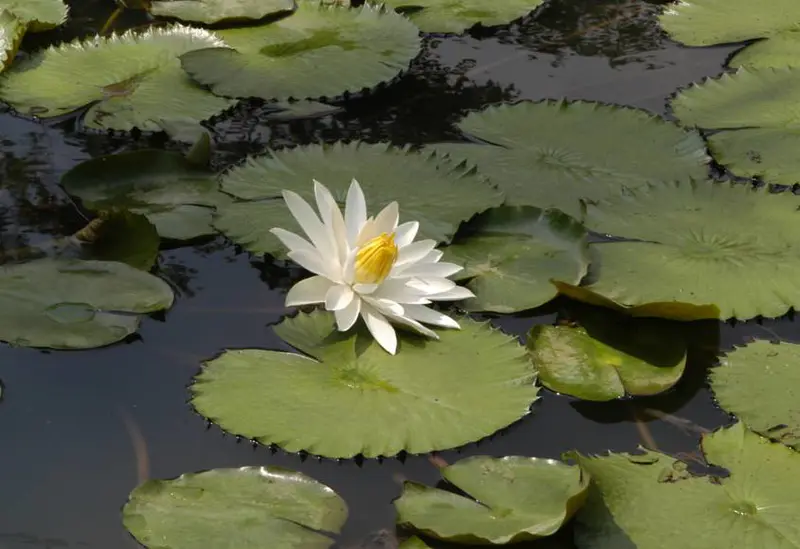
Python grass
The warm, warm and humid environment is suitable for deep, fertile river soil。