


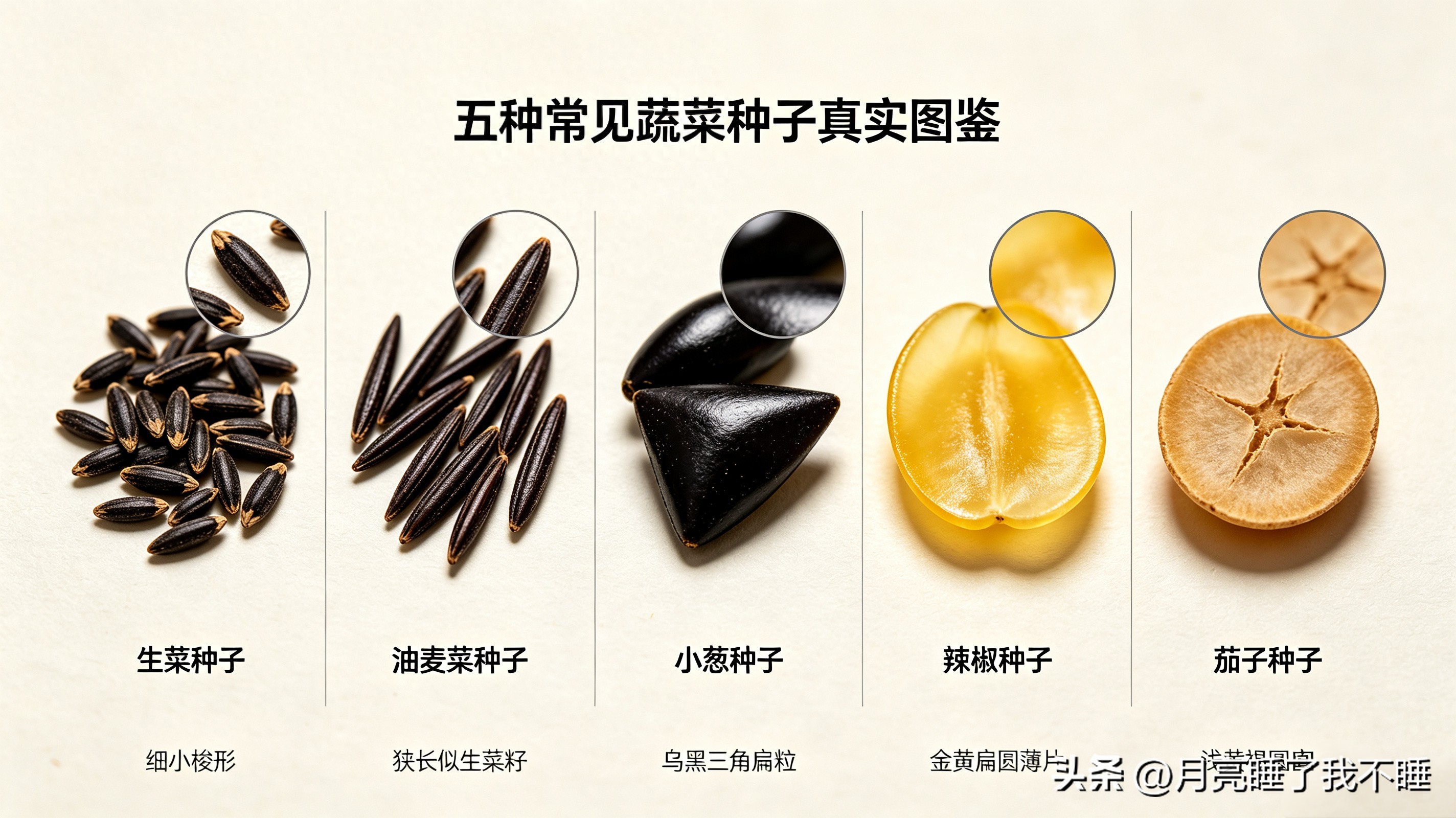
The rural people who grow the food must have a common worry: they grow the food every year and buy the seeds themselves。
Don't look at a bag of seeds with a few pieces and a dozen small pieces, with a large garden and a larger variety of vegetables, and the costs of buying seeds from the beginning of the year, if not dozens and hundreds of dollars. Every year, it's a big expense。
Even more disturbing is the uneven quality of a number of imported seeds. Many are hybrid seeds, growing well in the first quarter, and in the second year there will be serious degradation of self-sowning seeds, reduced vegetable production, poor taste and increased malformations. There are also a number of long-standing seed stocks, with very low gestation rates, a lack of seedlings and a time and effort to replant them later。
Many of the new-hand people who grow vegetables are in the wrong place, and they think it's hard for a professional technician to plant vegetables. It's not
Rural majorityHome garden, it's extremely difficult to keep seed. And seeds from their own gardens, adapted to the local soil and climate, are more resistant to disease and pests, are more resistant to cold and heat, and produce well grown and steady, much more reliable than externally purchased seeds。
Today we will share with you the five comparative foundations of the common growing methods that everyone can learn, the practical indigenous experiences that have been passed on from generation to generation by the old farmers. Without any professional equipment, the new ones will succeed in achieving a real replanting and savings
I. First of all, let's start with the first set of lettuces: the newcomers leave the first choice, 100% successful
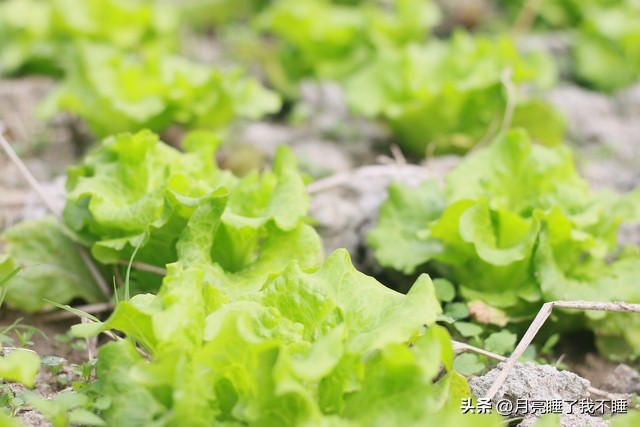
Vegetables are frequent visitors to rural gardens, which can grow over four seasons, feed easily, and are the best varieties of all vegetables。
It is a home-grown pollinator, which does not pollinate, without fear of species degradation, and is the first attempt to keep farmers first。
You're gonna have to do it
1. Pre-selection of the mother: the selection of the large, robust, thick, yellow-free, pest-free raw vegetables in the garden. Weak, diseased and ill-growing plants are directly phased out and the quality of the mother plant directly determines the quality of seeds。
2. Stop picking: select the raw vegetables that are left behind, stop eating leaves and fertilize them naturally。
3. Natural extraction of flowers: when the raw vegetables mature, they will be self-smoking, with small, small yellow flowers, and will be maintained in the open, without special management。
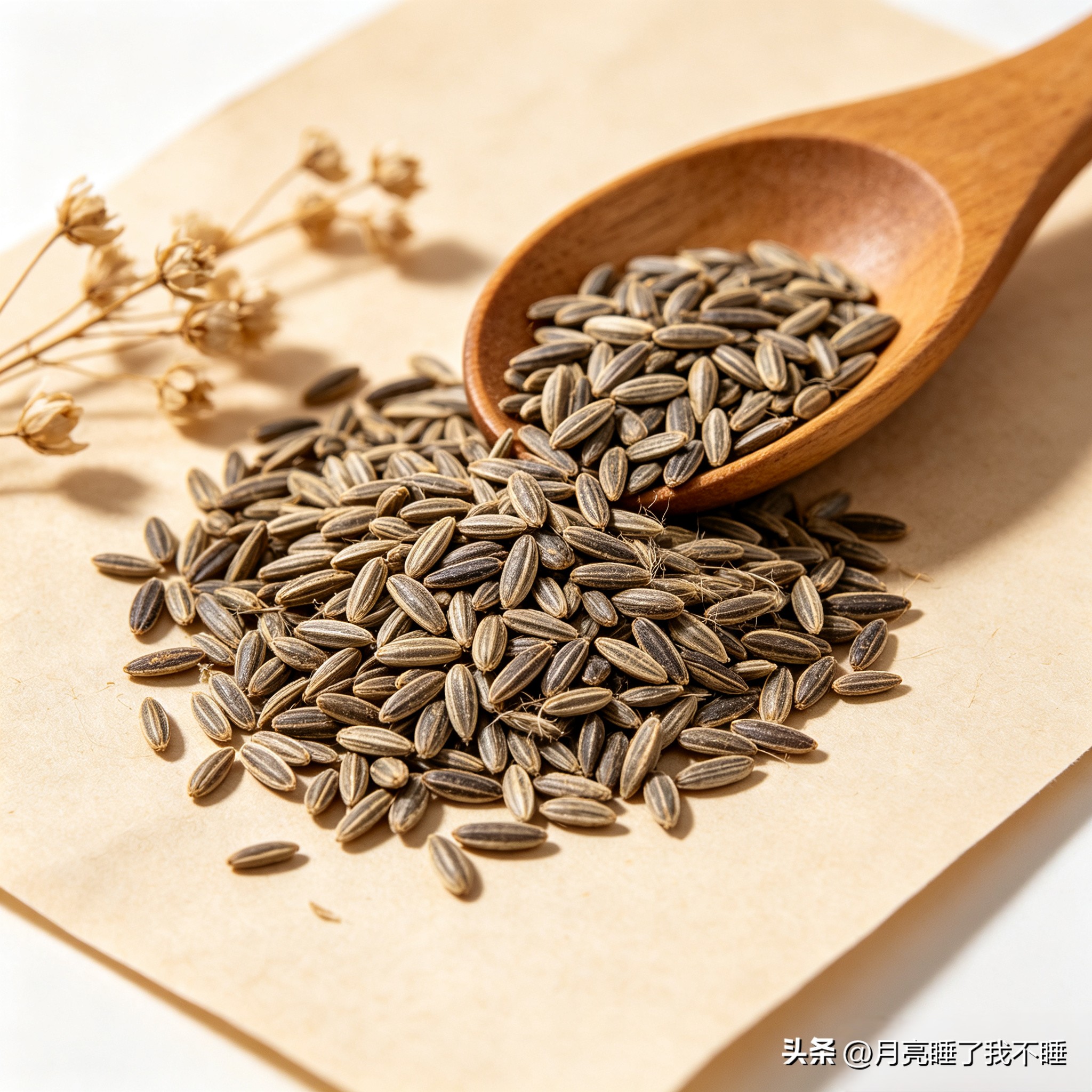
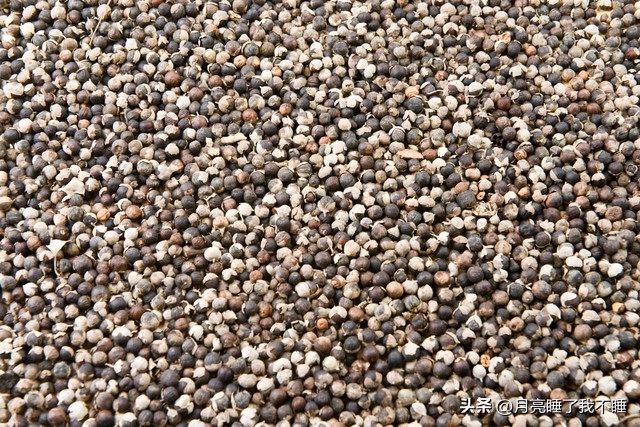
4. Collection of seeds in due course: at the end of the season, lettuce will produce white velvet balls similar to dancin. When the velvet ball is completely dry and loose and turned brown, it can be harvested. Sift down small black particles and sift out wool and impurities。
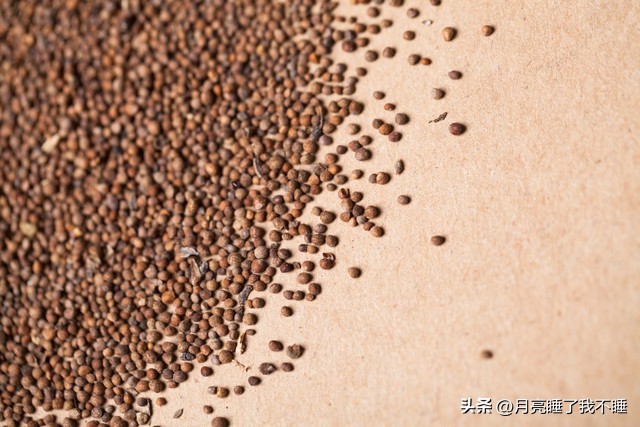
Key skills for old farmers
It is important to wait for the seeds to be fully dried and harvested, and the half-life of the seeds to look full, sowing them and then sowing them with poor and perishable seeds。
Storage methods
Seeds collected are completely dry in the cold of the air and must never be tanned, and strong light kills the embryos, so that they do not germinate in the coming year. Paper bags, bags and bags are filled with dry light and can be stored at constant temperatures for many years, with still high growth rates。
The second is oatmeal: cogeneration, with zero difficulty
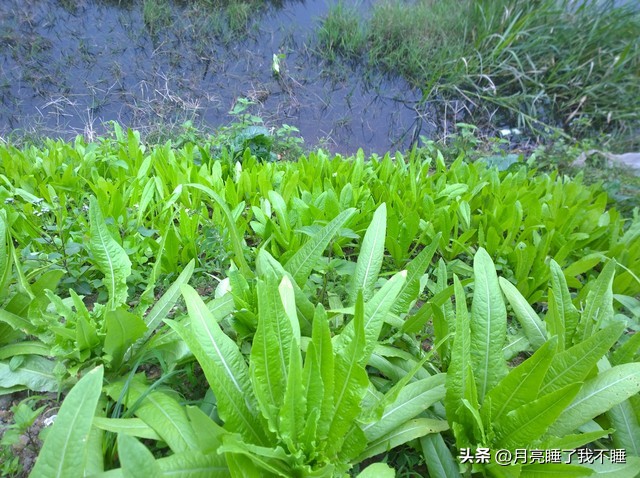
Wheat and lettuce belong to the same type of vegetable and are grown in exactly the same way, in the same way, in a non-coercive and non-degradable manner, and easily available to families。
A large number of farmers have responded, and the seeds of wheat and wheat have been bought externally, and the leaves have grown thin and bitter. And home-grown seeds, adapted to local soil and soil, produce fresh and unscathed oatmeal, are even and more resistant。
You're gonna have to do it
1. Selection of a robust plant with long leaves, long, strong, non-vertical and insect-blind leaves as a residual mother。
2. Normal water fertilizer conservation, which does not strangulate or remove leaves, which allows them to draw, bloom and seed naturally。
3. Batch harvesting: seed maturity is not synchronized, bottom is pre-cooked, top is pre-cooked, and two to three harvests are collected to avoid loss of seed maturity。
The core shelter
Wheat leaves water to be controlled later, the soil is overwatered, the seeds are high in water content, the storage process is highly improbable and is directly obsolete。
Iii. Onions: once in seed and steady production over the years
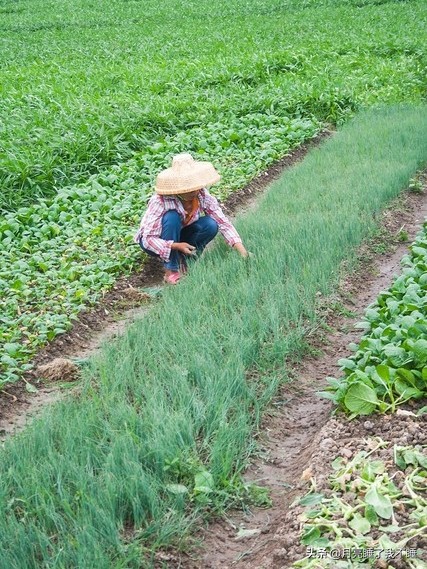
The onion is a kitchen muster, and the cooking, the dumplings, and the sauce are indispensible. It takes time and money to buy onion seeds and plant them。
The onion is an extremely high-priced, self-regulated vegetable, with a strong ability to split and diversify, and the more flourishing the onion, the less necessary for years of conservation。
You're gonna have to do it
1. Selection of species: selection of large, large, dynamic, dry, insect- and disease-free onions, full-time retention and non-harvesting。
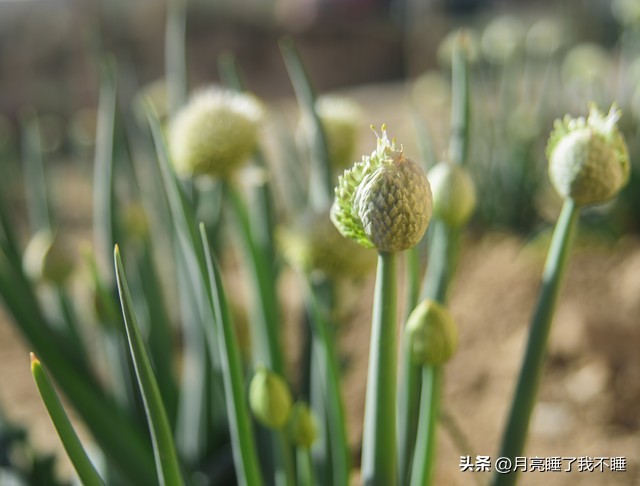
Natural seeding: onions are grown to extract onions, white ball-like flowers grow, and open-air normal maintenance is sufficient。
3. Timely harvesting: the best harvest period is when the onion ball changes from light green, white to yellow brown, dry and thin, and split. Cut the whole flower ball, dry the tan and filter out black full of seeds。
It's an old farmer's trick
Small onion seeds are easily released when they mature, and wind and rain tend to fall into the ground. It is recommended that when dry at seventy-eight, the flower ball be cut off and that the indoor stem be removed and the seeds preserved to the maximum extent possible。
The roots are well developed, cold and drought-resistant, summer and winter, rich and productive, and can grow on their own every year。
Iv. Chili peppers: the garden just needs to be preserved, and the taste is high and not degraded
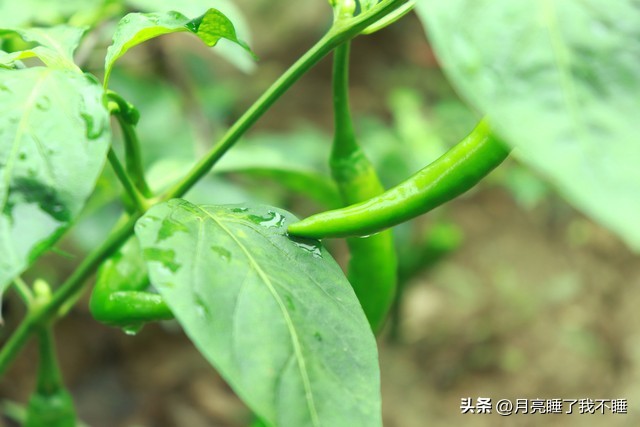
Common peppers, such as peppers, peppers, peppers, etc., can be planted on their own. Many are concerned about the mutation and odour of chili seed, with one skill and with a high yield of seeds。
A variety of mixed paprika varieties are purchased, often with low number of fruit and meat, and poor taste. Seeds from their own gardens are of a stable sexual nature, resistant to heat, dense-cut fruit, taste and production。
You're gonna have to do it
1. Optimal position (most critical): unsought not to select the upper and later end fruit. Only the first mature peppers of the lower plant are kept, and such fruits are well nourished, full of seeds and the most stable in genetic form。
2. Total maturity: no pre-harvesting of peppers, remaining on branches until it becomes completely red, softer, seeds of half-live fruit are weak and slow to germinate。
3. Seed-drying: picks up old, ready peppers, picks up seeds, removes dried scavenging, spoiled seed and leaves only gold full of seeds. It's in the papers, it's dry in the cool air and it's strictly forbidden to tan。
Serial protection techniques
The same vegetable garden has different varieties of chili, which are kept at a distance of more than 3 metres, or only single varieties are kept to avoid bees mixed with powder。
V. Cheese: lazy people keep their own seeds, with steady annual production of no size
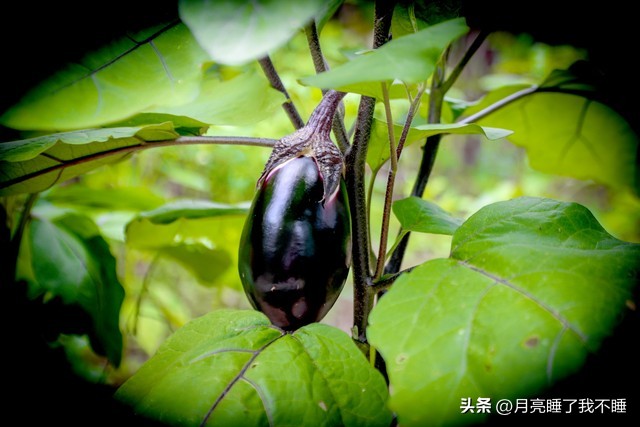
Pillows, tomatoes, and purples are suitable for farming households to grow, with simple methods and high success rates, as well as a variety of vegetables that are often left by the hands of elders and rarely purchased externally。
The seed of the eggplant is more resistant and less susceptible to aging, degenerative diseases, growing strong, even-sized fruit, few years of age and high annual productivity。
You're gonna have to do it
1. Optimum fruit: same as paprika seed, with only the first expansion of healthy nuts at the base of the plant, with deformity, small fruit, and late fruit to be discarded。
2. Full ageing: eggplants can be harvested in seven or eight minutes ' time, and the seeding of eggplants must be fully developed. It's long enough to have a hard skin, a dark color, a stop to growth, and a cortex of wood and wood。
Cleaning drying: old dried eggplants are cut open, light yellow seeds are removed and fruit and sluice are carefully washed. This is an essential step, and leftover fruit can lead to poor storage and decay of seeds. Cleaning and drying is sufficient for a dry-out seal。
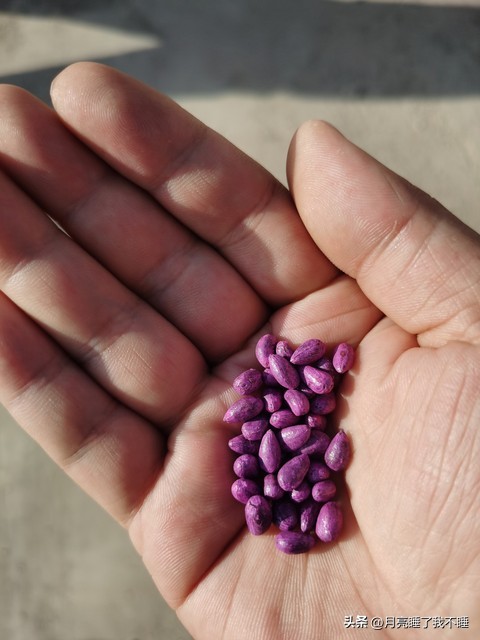
Focus: don't leave such seeds alone
The problem is not technology but seeds are wrong
Market-based farms and internet-based f1-generation seeds, whether peppers, eggplants, lettuces or onions, are not available。
The quality of hybrid seeds is reserved for the first generation only. From the second generation of seeding, problems such as uneven planting, sudden decline in resistance to disease, lack of results, malformations of fruit and a substantial reduction in production can be observed。
Just remember one thing: the traditional old species passed on from one generation to the next, so don't worry about them; the seeds of hybrids, f1 generations, will never be left
The general gold law for vegetables is applicable to all
1. The preferred parent plant is the foundation: the seedlings, the seedlings and the residual seedlings must never be planted in order for the good seedlings to produce the good seedlings and to decide directly on production in the coming year。
Seeds are dry without tan: all vegetable seeds are afraid of tan and only have to dry in the air to avoid killing embryos。
3. Dry tremor re-storage: seeds are completely dry, they are rocking with sound and re-receiving, and the problems of mold and insects are eliminated。
4. Separating from swarms: paprikas, eggplants, etc., with single varieties remaining or increasing planting spacing to prevent the degradation of varieties。
5. Dry temperature storage: priority is given to the storage of bags, paper bags, non-refrigerated, unsealed and unhumid。
Summary
Learning how to grow vegetables is the most useful food in rural areasSave your moneyI don't know。
The five regular vegetables, lettuce, oatmeal, onions, peppers and eggplants, are suitable for all farmers, have easy access to zero basics and have been set aside for many years。
It's worth learning how to keep their seeds suitable for local water and soil climates, with high resilience, high growth rates, and few pests and diseases, both to reduce the cost of growing vegetables and to ensure their taste and production









