


I'm working in the field today, and all of a sudden, a buddy called me and askedCorn cultivationHow density is calculated. This is an opportunity to introduce to friends who grow maize the method of calculating maize density for your information。
1. Crop cultivation at rangeDensity calculations
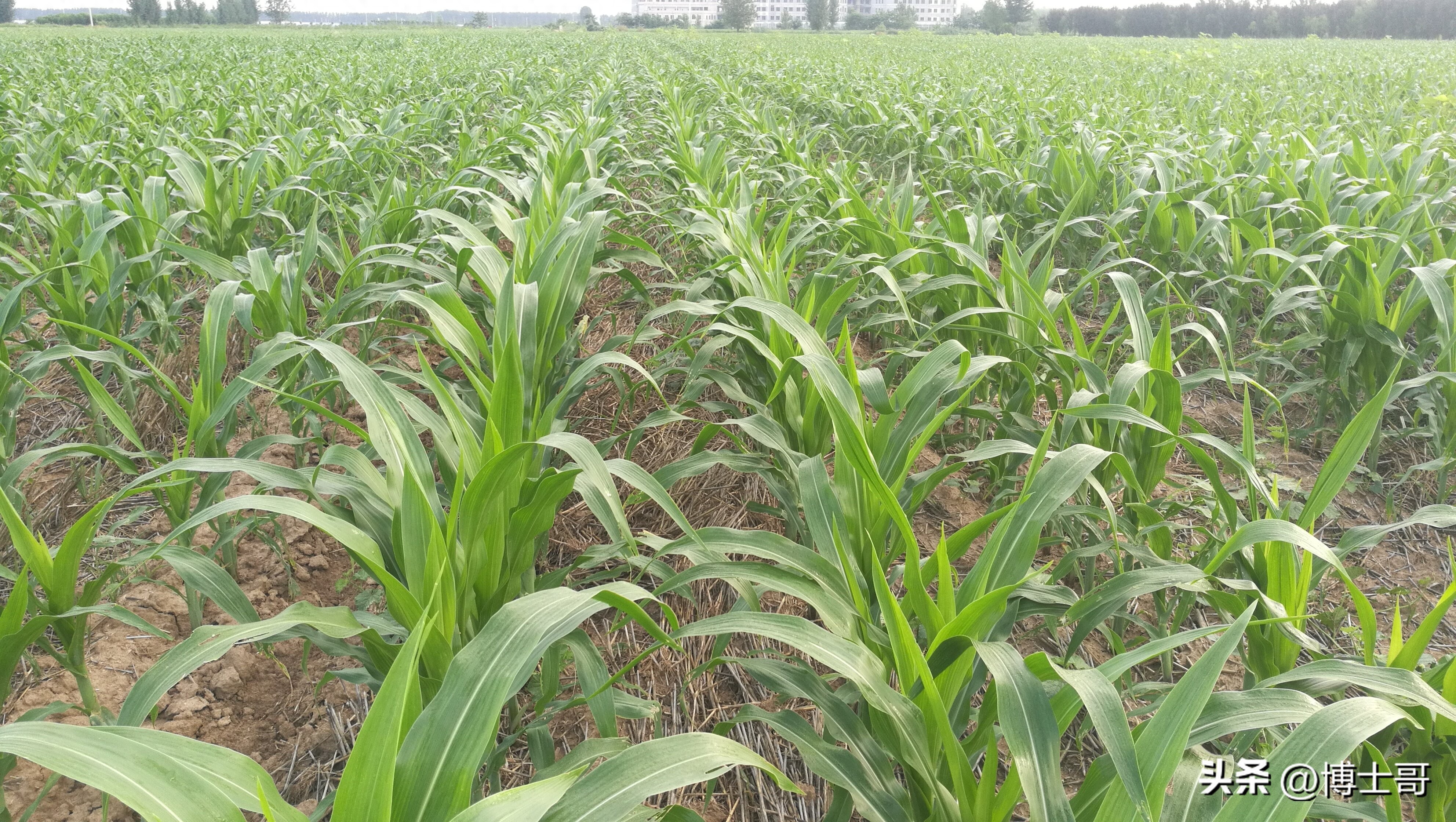
Figure 1
The distance is the distance between the two lines, and the same distance between the two rows that are adjacent. Cut-off cultivation, such as maize, is one of the common ways in which maize is grown. The method used to calculate corn is better understood, using the following formula:
Figure 2 formula for equal-space density calculations
The acre area is 666. 7 square metres. For example, in henan province, it is common to have an equal distance of 60 cm or 25 cm, with a planting density of 666/0. 6/0. 25 = 4444 (approximate value)。
In the process of seeding maize, we have often identified planting density (e. G. Zheng xuan 958 for 4,500 acres) and range (e. G. 60 cm), and how do we calculate the distance to regulate seedling? All we have to do is change it according to the density formula:
Figure 3 range formulae
We adjust the plant range to 24 cm, about 4,500。
CornWide rowsProduction density calculations
The wide and narrow cultivation of maize is another common form of maize cultivation, and generally broad and narrow lines are organized in a regular manner. The key to the calculation of broad and narrow lines is the calculation of the average length of rows for broad and narrow lines, i. E. The conversion to the same range, which is then calculated using the equation of equal lines. How to calculate average line spacing
(1) pluralization of wide and narrow lines
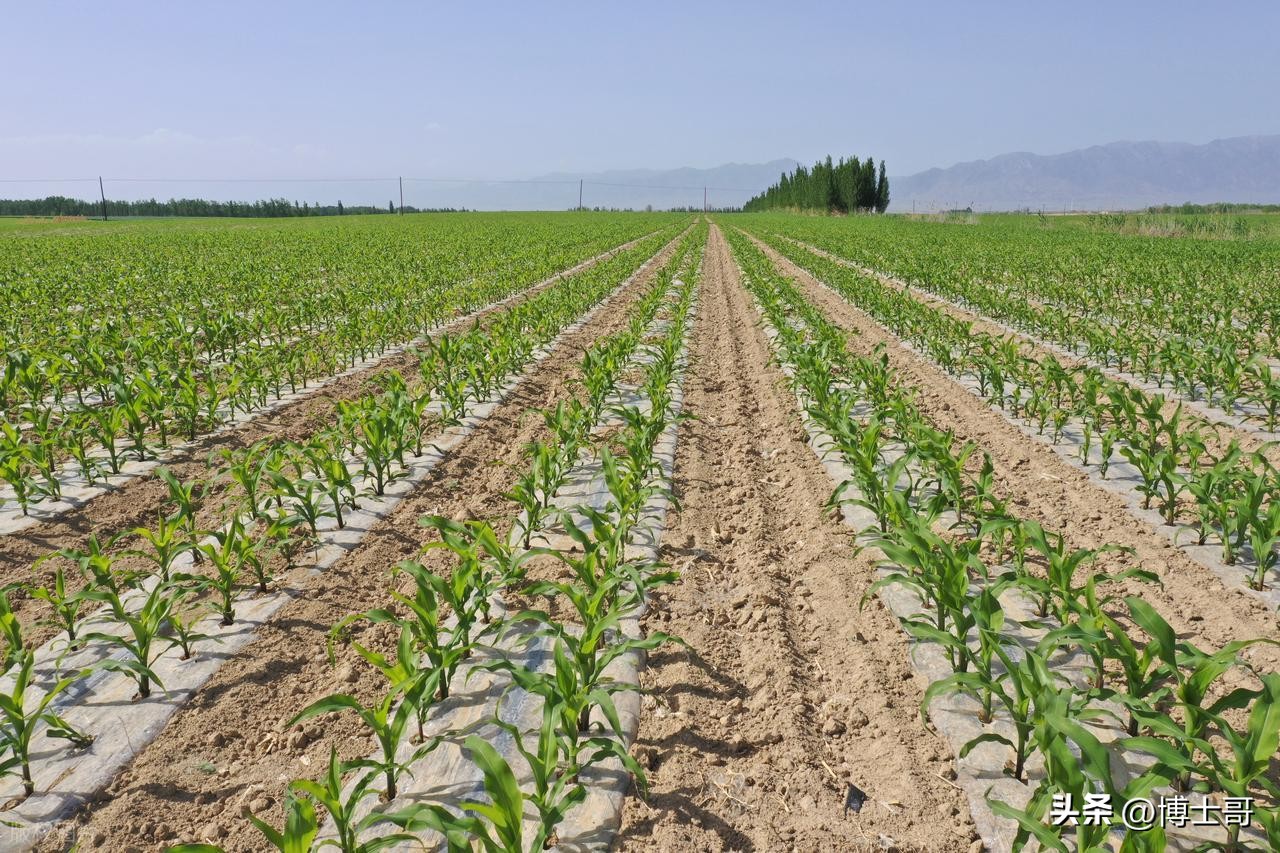
Figure 4
This is arranged as figure 4 above, by wide- narrow-wide-wide- narrow lines... This pattern is alternately arranged by the average line distance = (wide distance + narrow line distance)/2 such as 80 cm wide and 40 cm narrow line distance = (80 + 40)/2 60 cm. It is then sufficient to calculate density or range using a line density formula。
The soybeans band is more in line with the cultivation pattern, such as the 2+3 model (two lines of maize + three lines of soybeans), the 4+3 model (four lines of maize + three lines of soybeans), the 4+5 model (four lines of maize + five lines of soybeans), etc. How do we calculate the density of maize cultivation, or how do we calculate the distance? Or do you want to calculate the average line spacing and then calculate using the equal line spacing formula? The average line spacing is calculated by:
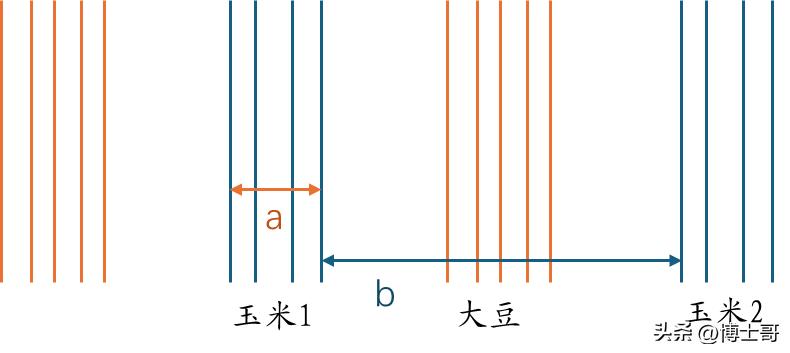
Figure 5
As shown in figure 5, if the corn belt is growing n-line maize (possibly 2 and 4 etc.), the distance between the leftmost and rightmost rows is a; the distance between the corn belt 1 and the corn belt 2 is b, the average length of maize is (a+b)/n. For example, if corn carries four lines of corn, a width of 90 cm and b width of 270 cm, the average length of maize = (90+270)/4 = 90 cm. If the soybeans-formed complex cultivation of maize requires a density of 4,500 maize, then the range of maize = 667. 750/0. 9=0. 16 m, or approximately 16 cm。
That's how corn density is calculated. The method has certain errors, the size of which is influenced by such factors as the size of the plot, its shape, etc., but the method of calculation is more common。









