


The beauties are many years old, beautiful and flourishing during the summer of july and august. Learn how to grow and cultivate beauties and how to remove flowers, trim and winter。
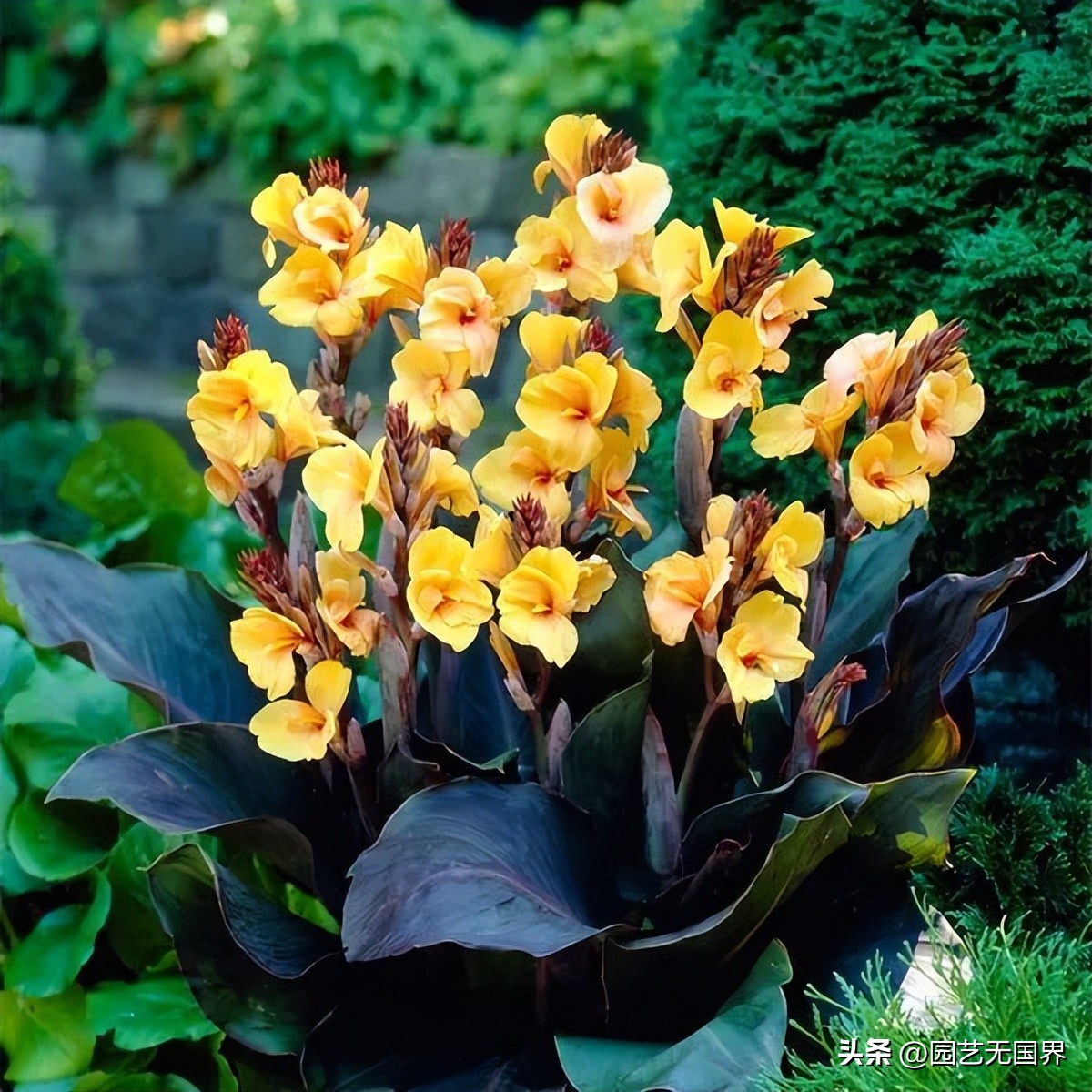
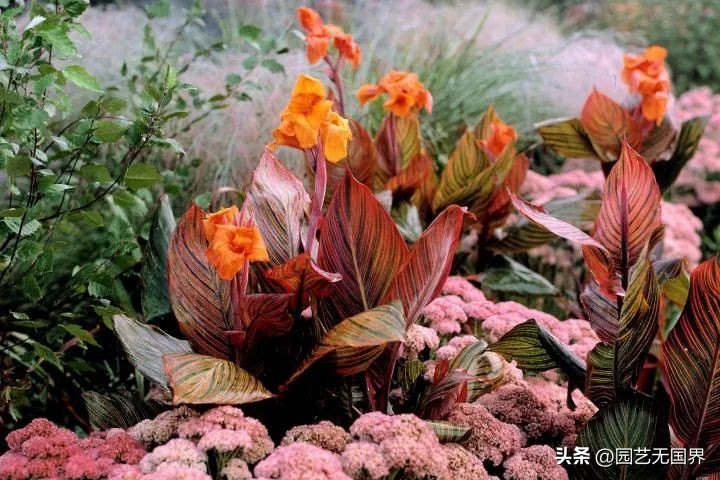
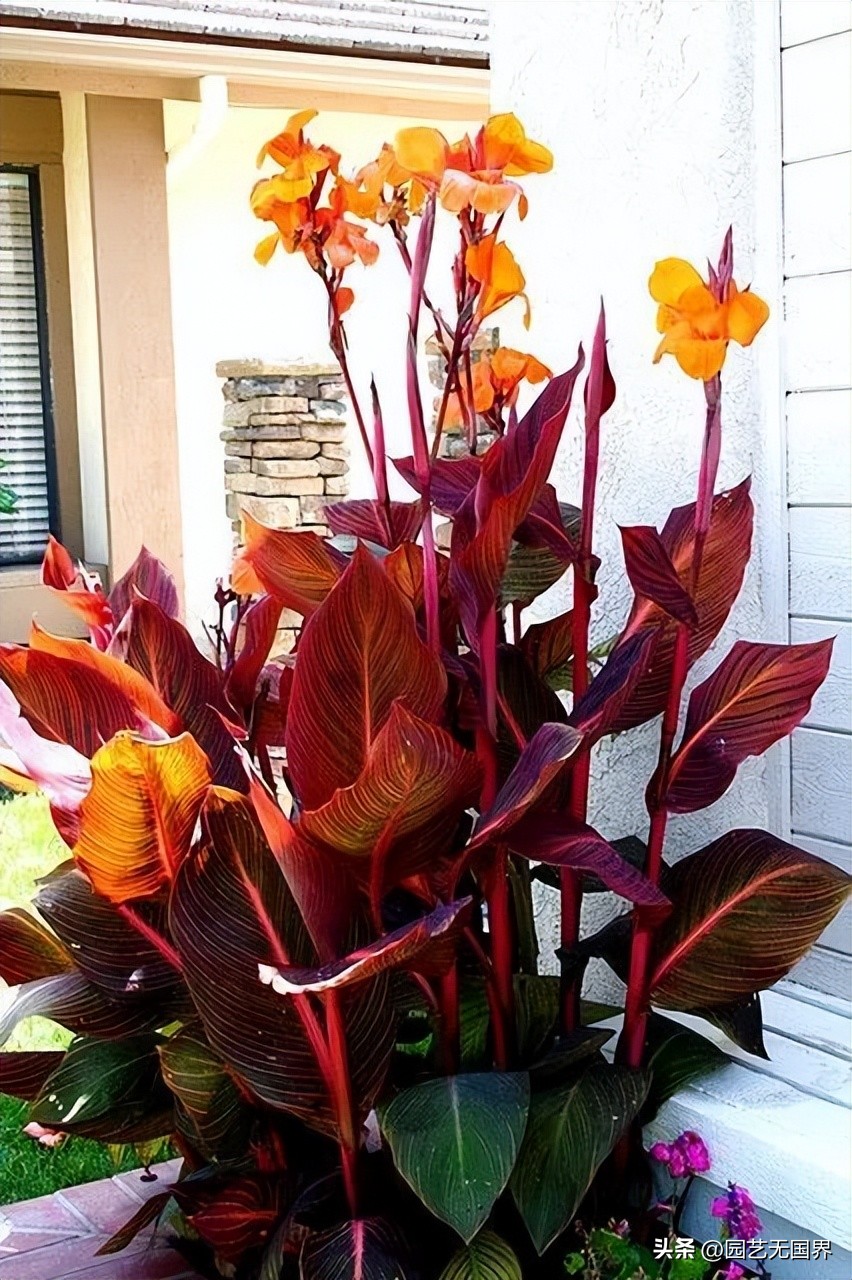
The beauties (academic name canna inca) have nothing to do with the real lilies, although they are usually called "beauts lilies." this flower plant has ties to bananas and ginger! It's probably not surprising when you think of their giant oar blades, which are luminous red, orange and copper。
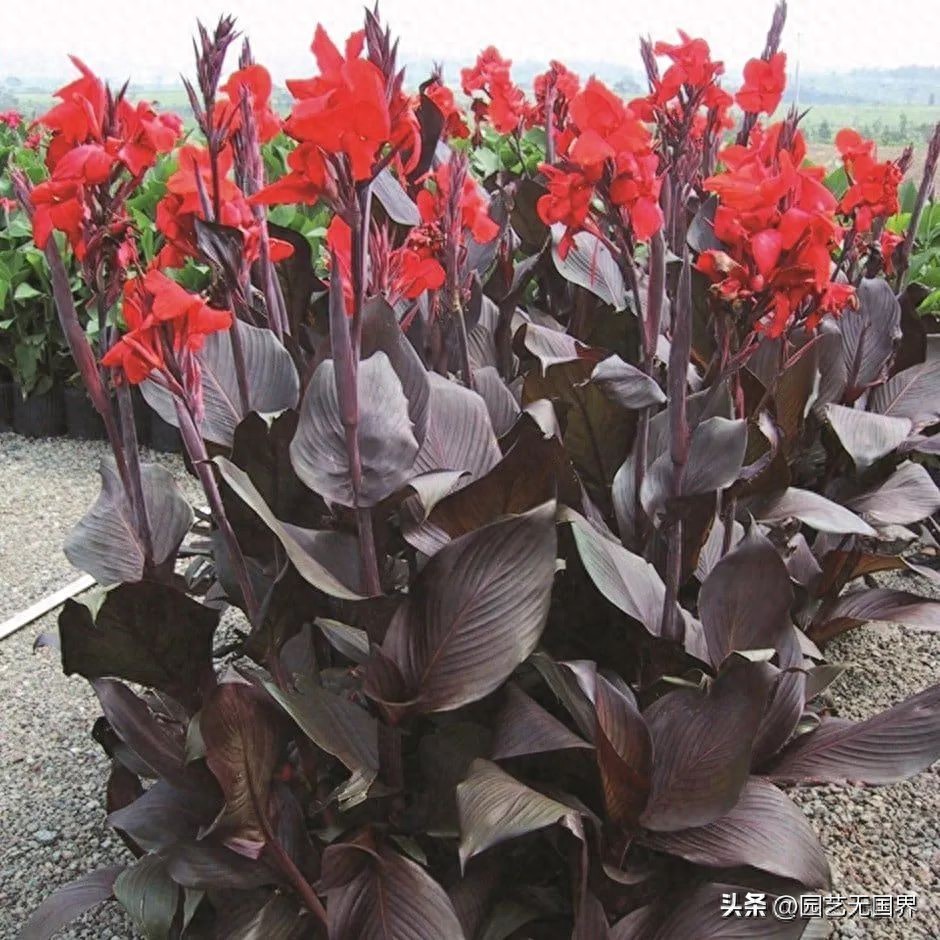
The beauties look like tropical plants, but there are several beauties originating in the united states. They're kind of like plumes. The giant blades surround the penis, thinning it and forming fine buds, even in the heat of summer, they can bloom like rainbow flowers throughout the summer。
Although the beauties are often referred to as “brains”, they are not real dots, because they breed under the soil through the root (underground tubers). The beauties of beauty, known as indochrins, are a warm tropical or subtropical multi-year grass plants that can grow up to eight feet high in a single growing season。
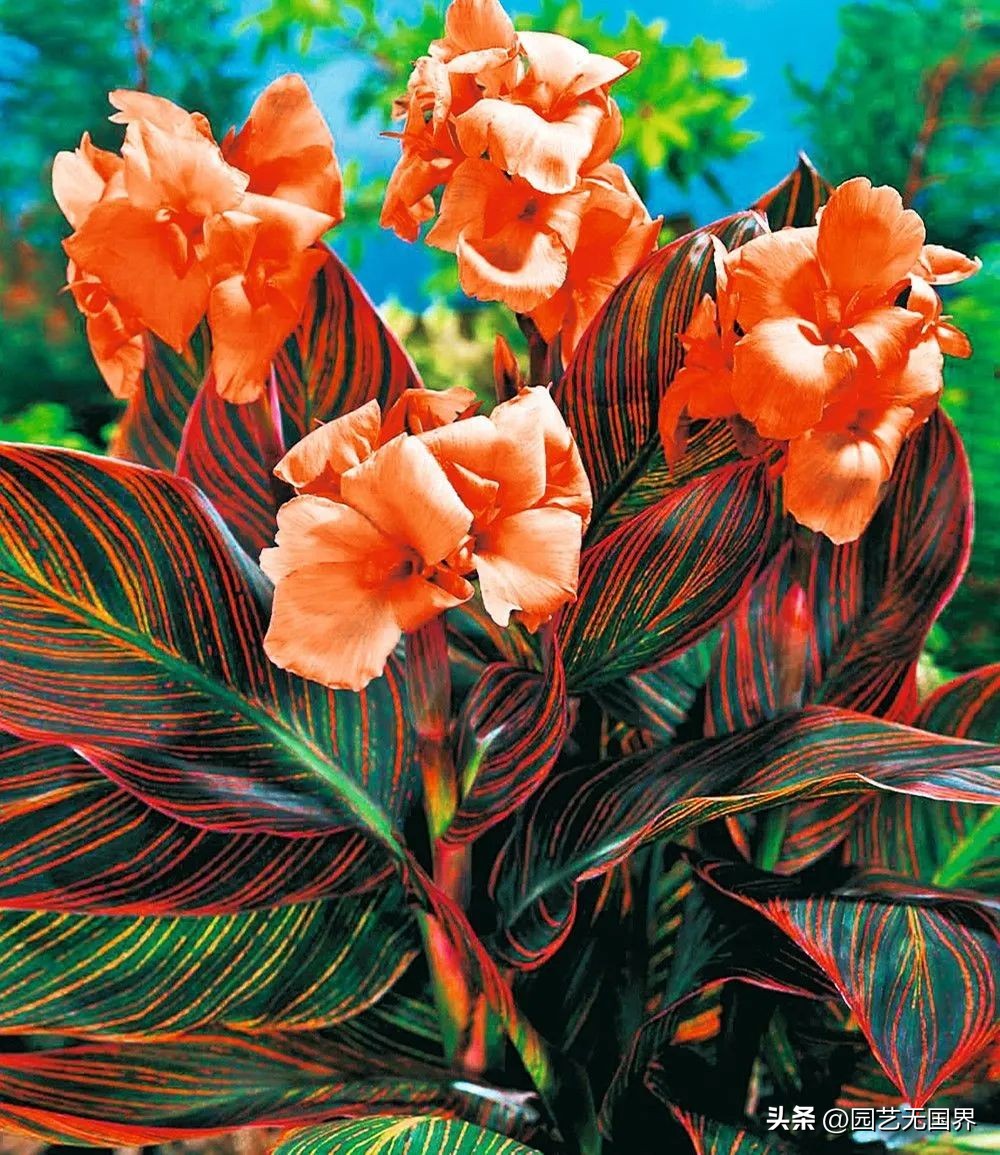
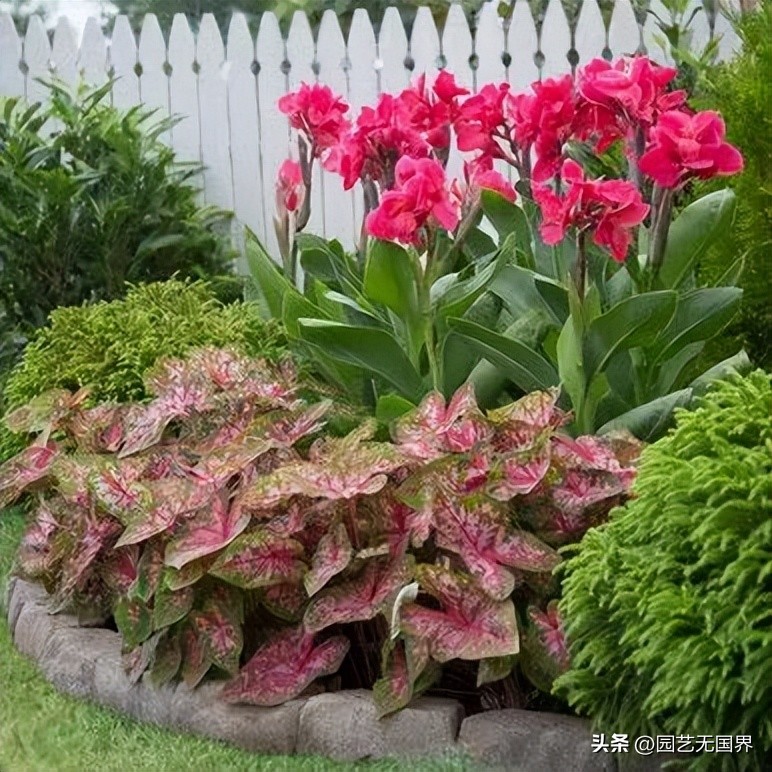
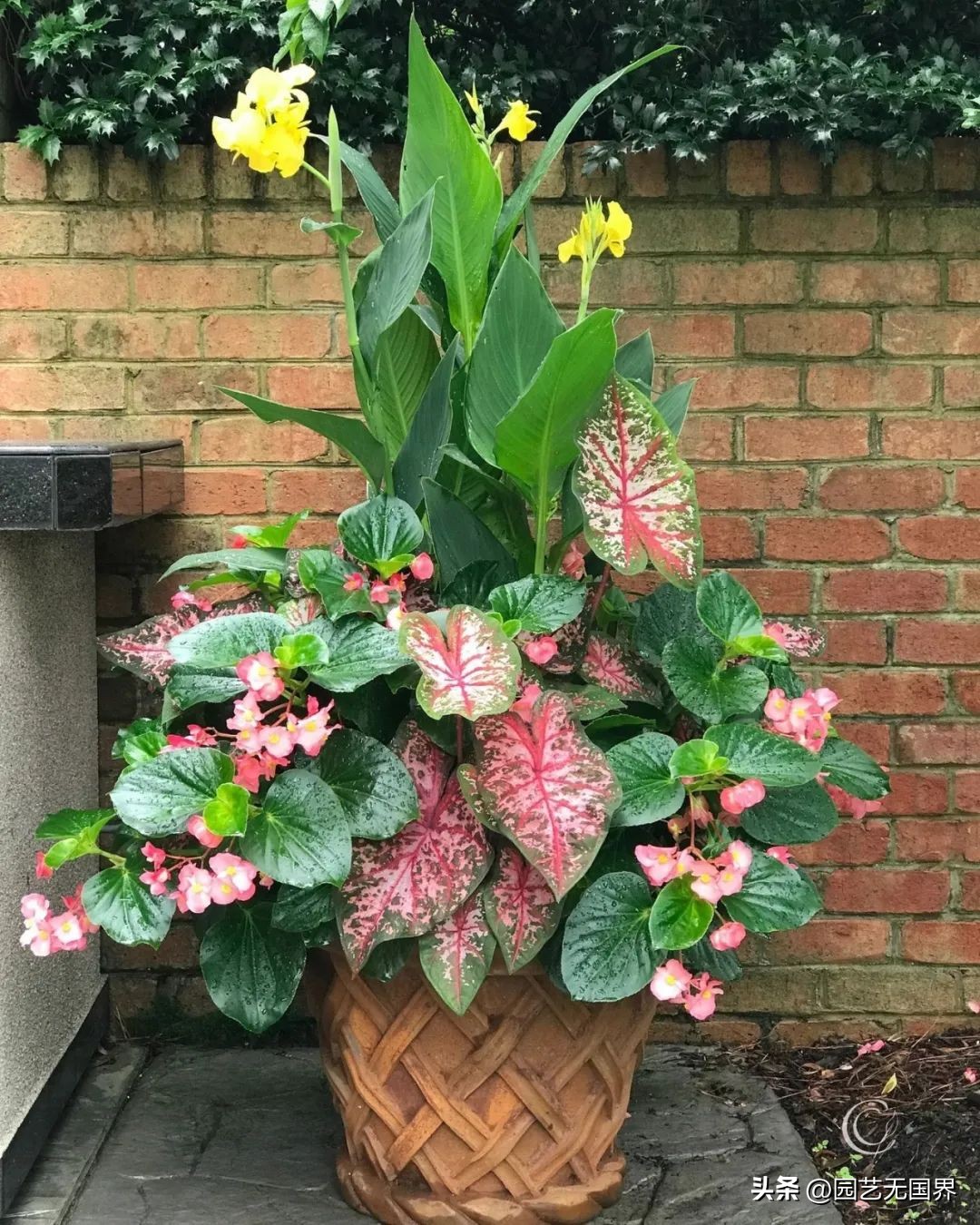
Beauty can be both a focus and a new fashion. They can create a sense of structure as a high flowerland or add depth to a narrow space. They can add a bright colour to the garden and pool, a tropical wind to the water landscape, and they can thrive in the marshes (non-saline waters). It's possible to plant beautiful herbs in combination with herbs, mashedams, basalts, goldfish grass, eucalyptus, rat's tails and spring flowers。
The beauties can stay out all winter. The hibernation can be as good as dragging them into large containers inside. In colder weather areas, beauties are easily dug up for storage in cool months。
Plantation
The beauties require plenty of sunlight to bloom, and the soil ph values remain around 6. 0-6. 5 and humid. If your garden soil is acidic (low ph value), add lime before planting. Cultivation should avoid strong winds; beauties are large and soft and prone to wind。
When do you grow the beauties
She's not cool. Before planting roots, soil temperatures must reach 60 degrees fahrenheit (about 18 degrees celsius) or higher - usually at this point in time people plant tomatoes. In cold, short-seasoned areas, the plume of beauty is planted in an indoor or greenhouse flower pot, ready for transplantation outside the house at the appropriate time。

How to grow a beauties
The roots should be spread between 1. 5 and 2 feet, so that the beauties have enough space to grow. The diameter of the container requires at least 18 inches (each root). Before planting, the soil is relaxed to 1 foot deep and then mixed into composting of 2 to 4 inches。
Dig a hole 2 inches deep, and put the root under the soil 1 to 2 inches, and " budding eye" (bumping or nodes, growth bud). Covered with 1 to 2 inches of thick soil. And push hard。
The water was thoroughly poured and then stopped for three weeks to observe signs of growth. The beauties grow slowly. After a sprouts, water is poured at least once a week, slowly immersing around the root. When the weather warms (15°c or more), the leaves are fully coloured. The expected duration is 10 to 12 weeks。

Grow
The beauties need wet soil. If the soil is not kept humid, water is poured once a week, and every other day during the hottest weeks of the summer — during the drought period — it is watered appropriately. Keep a thin layer of cover to help keep water。
If necessary, large varieties can be supported. If the soil is fertile, fertilization is optional. However, the amount of rice consumed by beautiful women is very high, with the application of mild fertilization during planting and twice in the growing season. A slightly higher nitrogen content is a useful organic fertilizer. High nitrogen fertilizer tends to increase the height of the beryllium. Roses or tomatoes are also suitable。
Remove the flowers of beauty
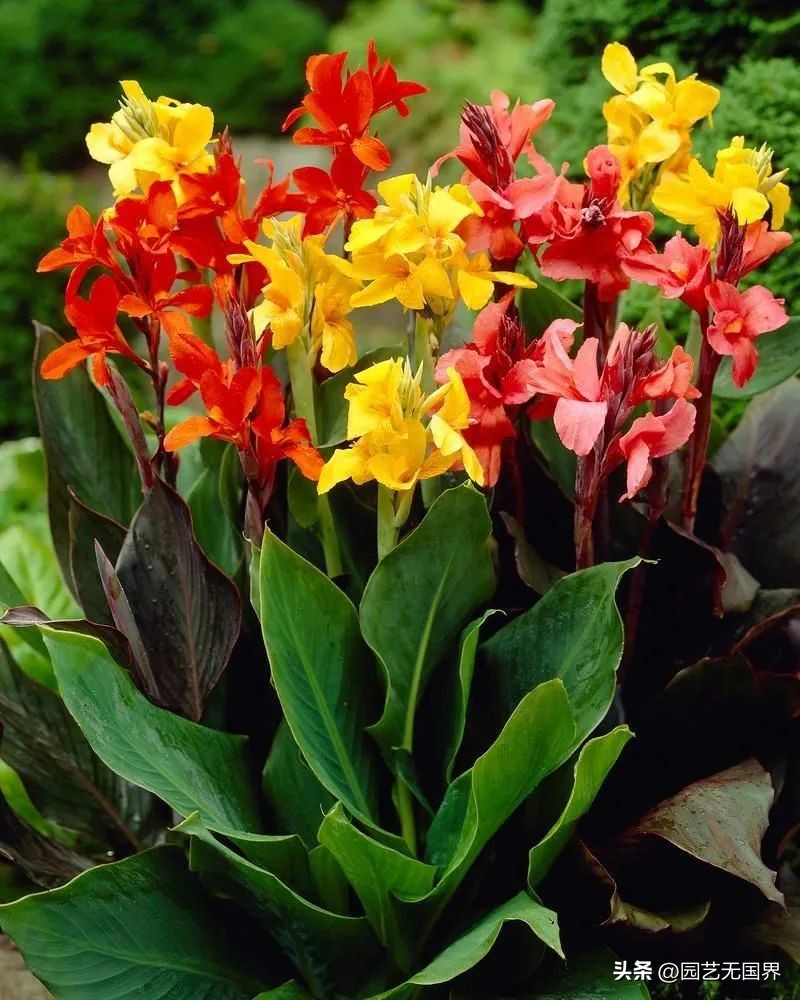
To promote flowering, check the beauties every few days and remove the dead flowers. When cutting flowers, use a small cutter or scissors. Don't squeeze your fingers。
A few flowers will grow on the plume. All you have to do is cut off the flowers attached to the main man, and the others can continue to bloom. Once all the flowers of the beauties have been opened, you may cut off the part of the stem, but avoid cutting off any newly sprouts。
Cut the beauties
And when the whole plant is cut off several of its aging flowers and no more flowers, it is cut back on the leaves. Plants should be cut off only at the end of the growing season — about 6 inches from the ground。
But if the plant looks “dirty” or if the leaves are sunburned, you can simply trim the edge of the brown (like a haircut) or cut the dead leaves close to the bottom of the rod. Be careful not to scratch the head. If the principal is damaged, cut it back to the ground。
You might see a seed pot on a beautiful herb! These seeds grow more beauties, so you can cut them down and plant them directly in the soil; it will take years to start growing, but in the future you will grow more beauties。
How to store a beautiful baby for the winter
In the 7/8 district and the warmer part of the area, the beauties can stay on the ground all year round. The frost caused the leaves to die and the ground plant was cut to 4 inches (about 10 cm). In the autumn, a thick layer of straw or leaf cover was laid on the ground to protect the roots from the cold, as the plant would survive winter。
We'll move the pellets to the garage or the basement for the winter. Keep dry (without watering) until the spring night temperature continues to be above 50° f (10° c), usually after the tulip blooms in the north. Then move outside for the summer。
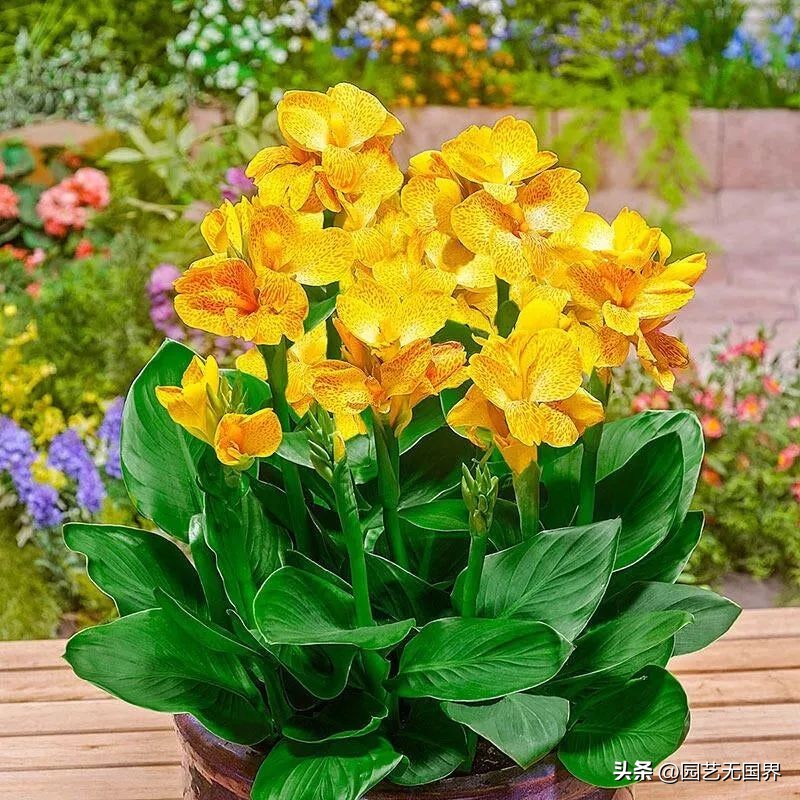
In 6 or colder areas, the fall needs to dig up the earth's beads and move them indoors for winter. When the beauties are cut off (as described above), the root is dug out with a shovel. The dig should be approximately 1 foot from the stem (about 3 metres) to avoid damage to the root. Take it easy with your hands and dig out the roots. Shake off the dirt, cut off all the leaves. Split the root into three to five roots, each with a bud。
The roots are tanned in the sun or in the garage or in the closet for a few days to make them hard and help prevent decay. Each root is wrapped in a newspaper or paper bag and placed in a small number of dry growth media (e. G. Peat slurry) to absorb moisture and prevent decay. There should be no contact between the roots。
In the winter, beryllium should be stored in dry areas at temperatures not less than 40°c. Usually in the basement, attic or garage. During winter, roots are checked repeatedly to ensure that they are not dry. A small amount of water can be sprayed as required. If it is found to be rotting, remove or discard it。
In the spring, when the temperature continues to be higher than 50 degrees fahrenheit (about 10 degrees celsius), it is possible to plant outdoors. Ensure that each branch has at least one bud; the new leaf will come from its head. The duration should be 10 to 12 weeks。
Pest/disease
Beauty is rarely harassed by deer and is not easily ill. If the beads grow in an overly damp and congested environment, they can lead to rusty disease, fungal foliage, ashilosis and bacterial sprouts。
Beauty is rarely troubled by pests, but caterpillars eat leaves. Snails, red spiders and caterpillars are the most common "probators."。
Little common sense you don't know
In central and south america, beryllium has been cultivated for thousands of years as a food crop. Its roots are edible and its leaves are used as animal feed when the feed is scarce。









