


According to alastair hai, professor of environmental toxicology at leeds university, the lethal effects of injection of ricin are 1,000 times higher than those of ingestion。
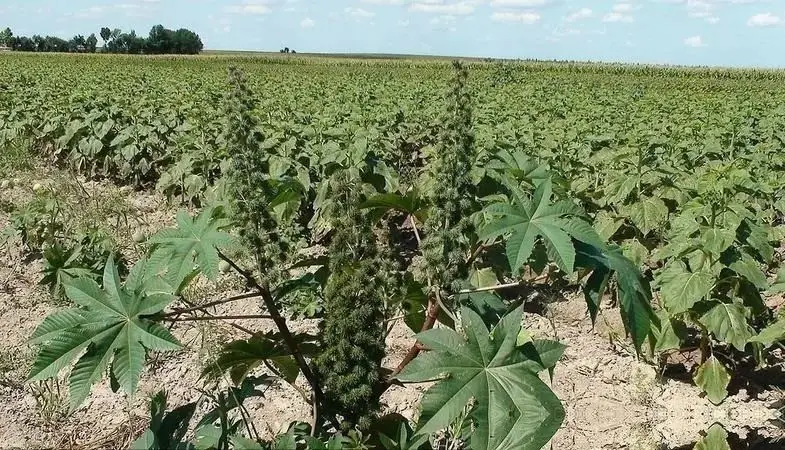
The ricin is a plant that is produced in eastern africa for one or more years with double leaves, warm, intolerant and growing at alarming rates, and can grow to nearly five metres in a few months。
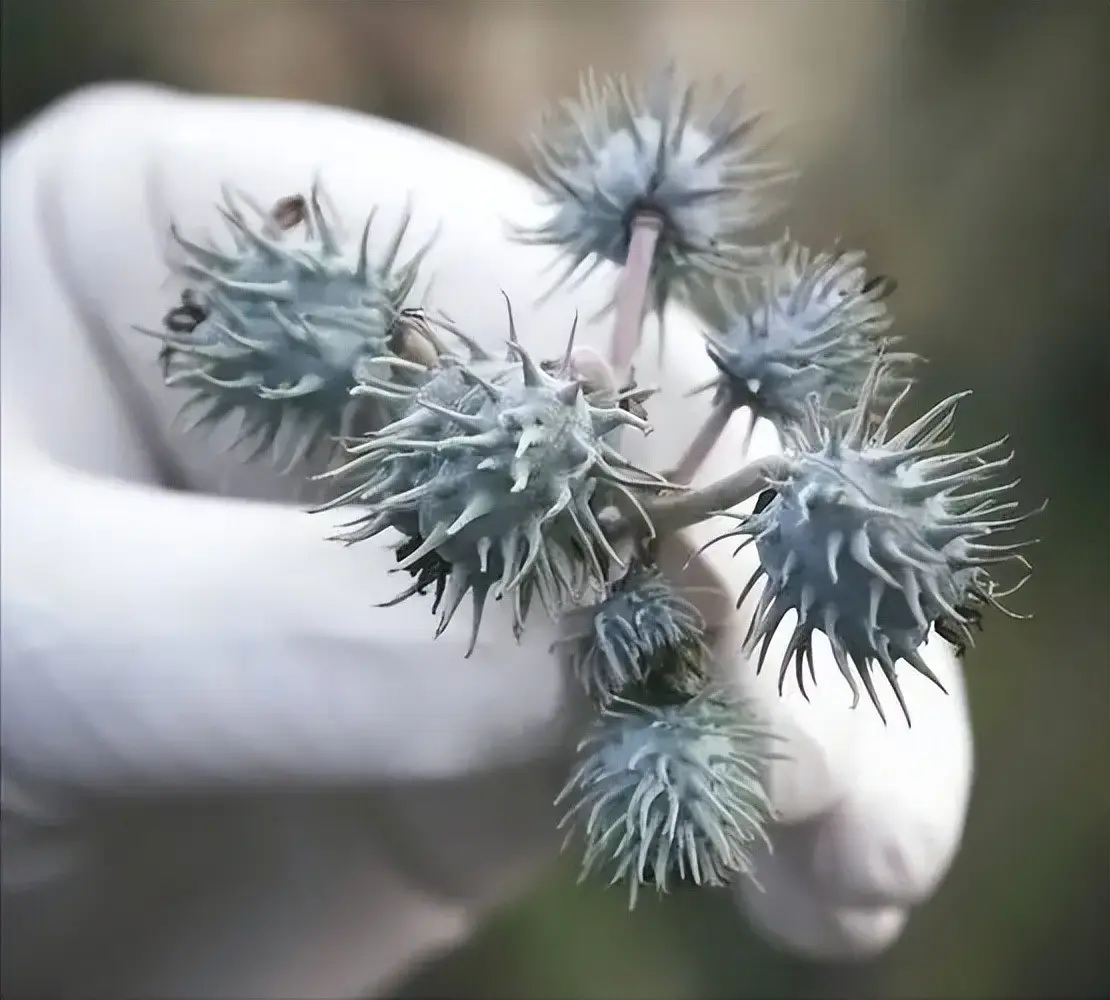
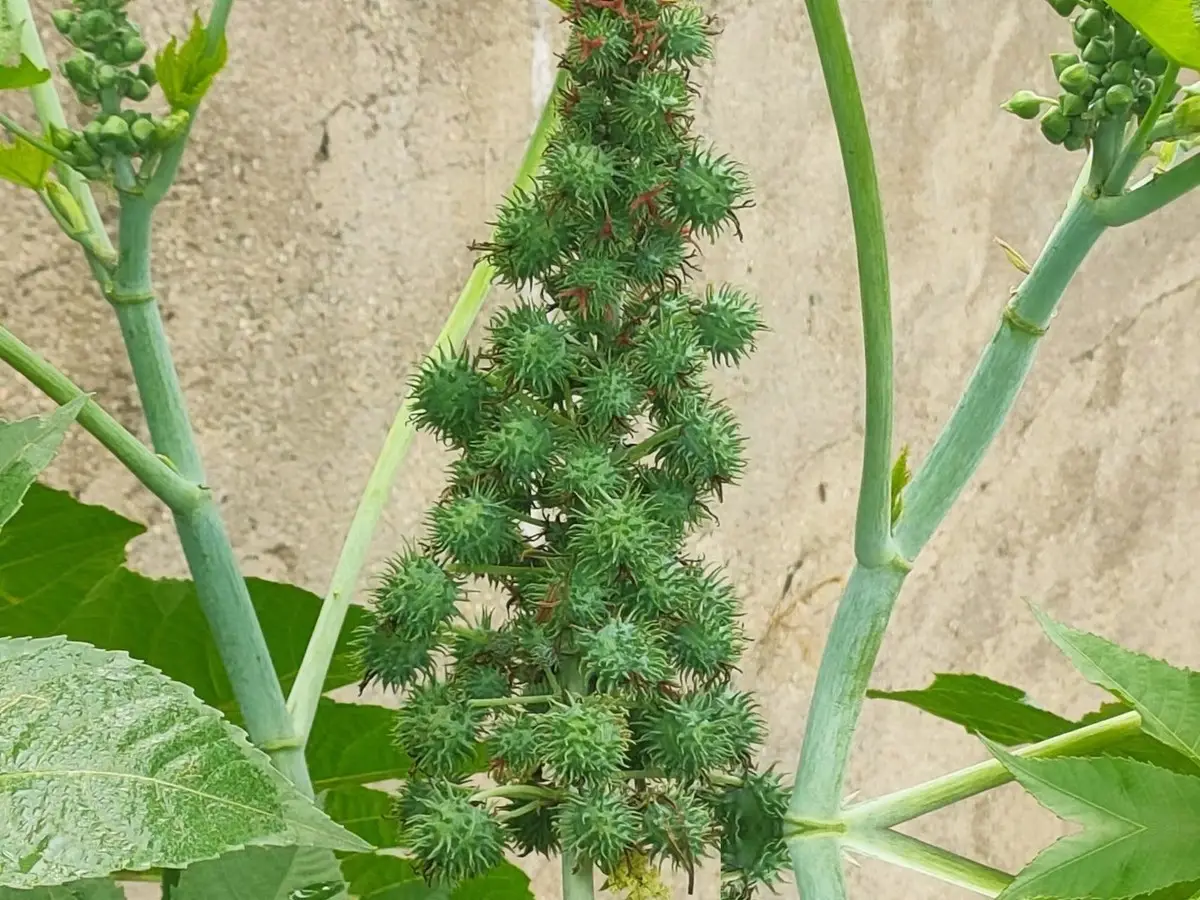
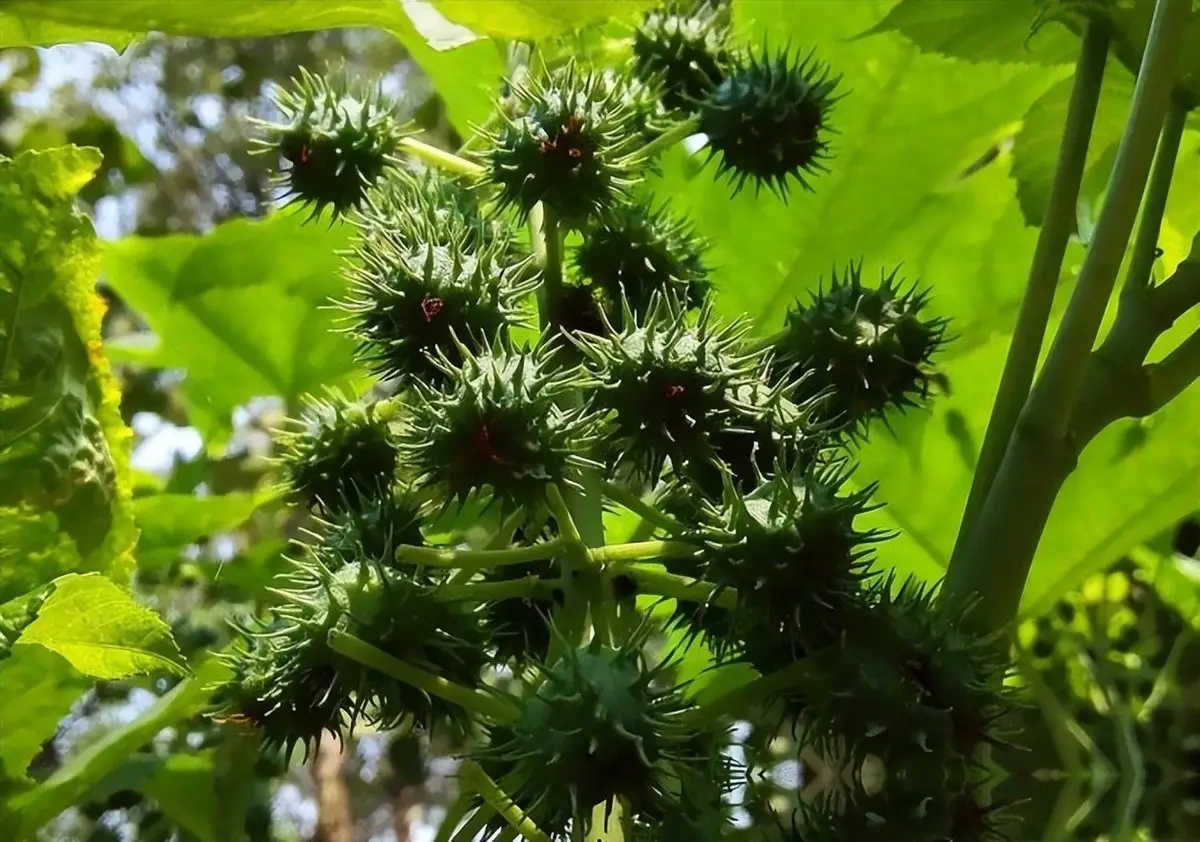
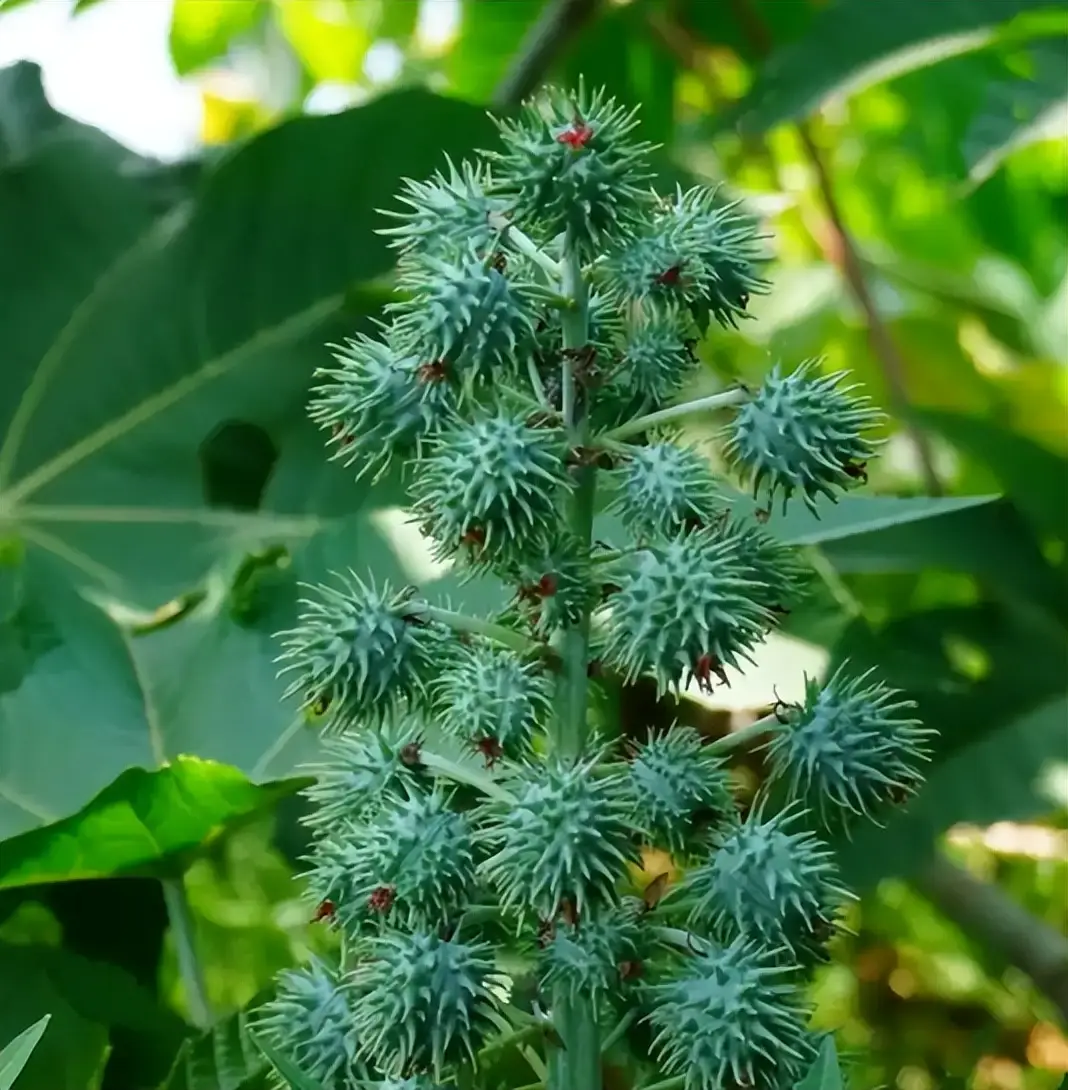
Its small branches, leaves and bouquets are usually covered with a layer of frost, its roots are juicy, its leaves are shielded in circular shape and its fruit is round and covered with soft thorns. It's poisoned, and seeds are the most toxic。
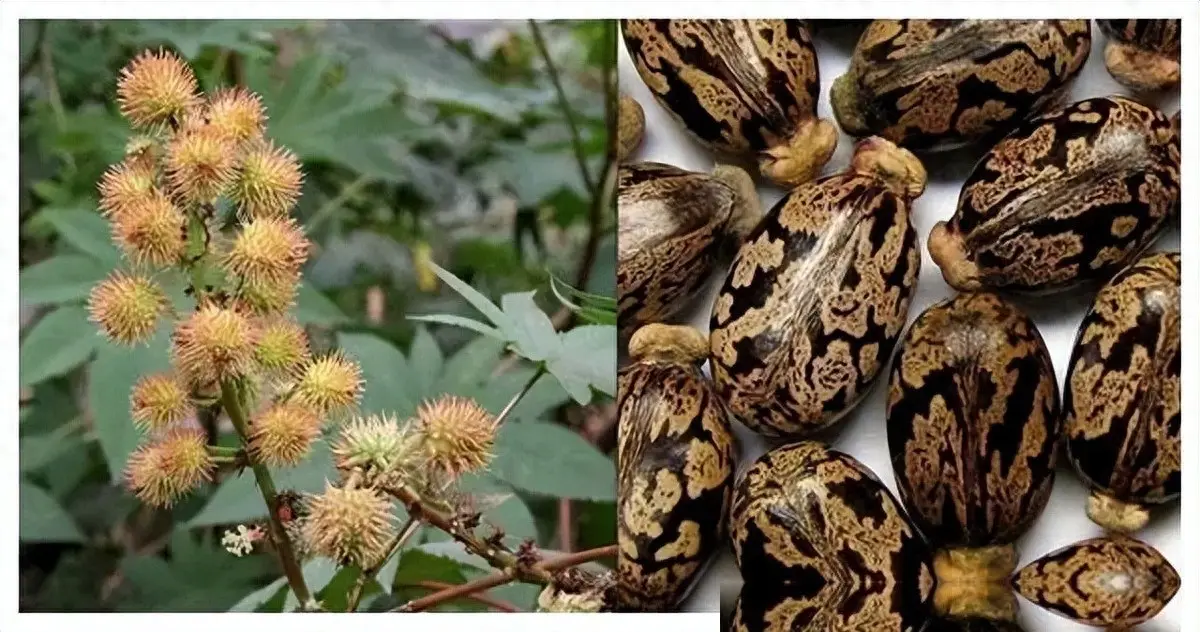
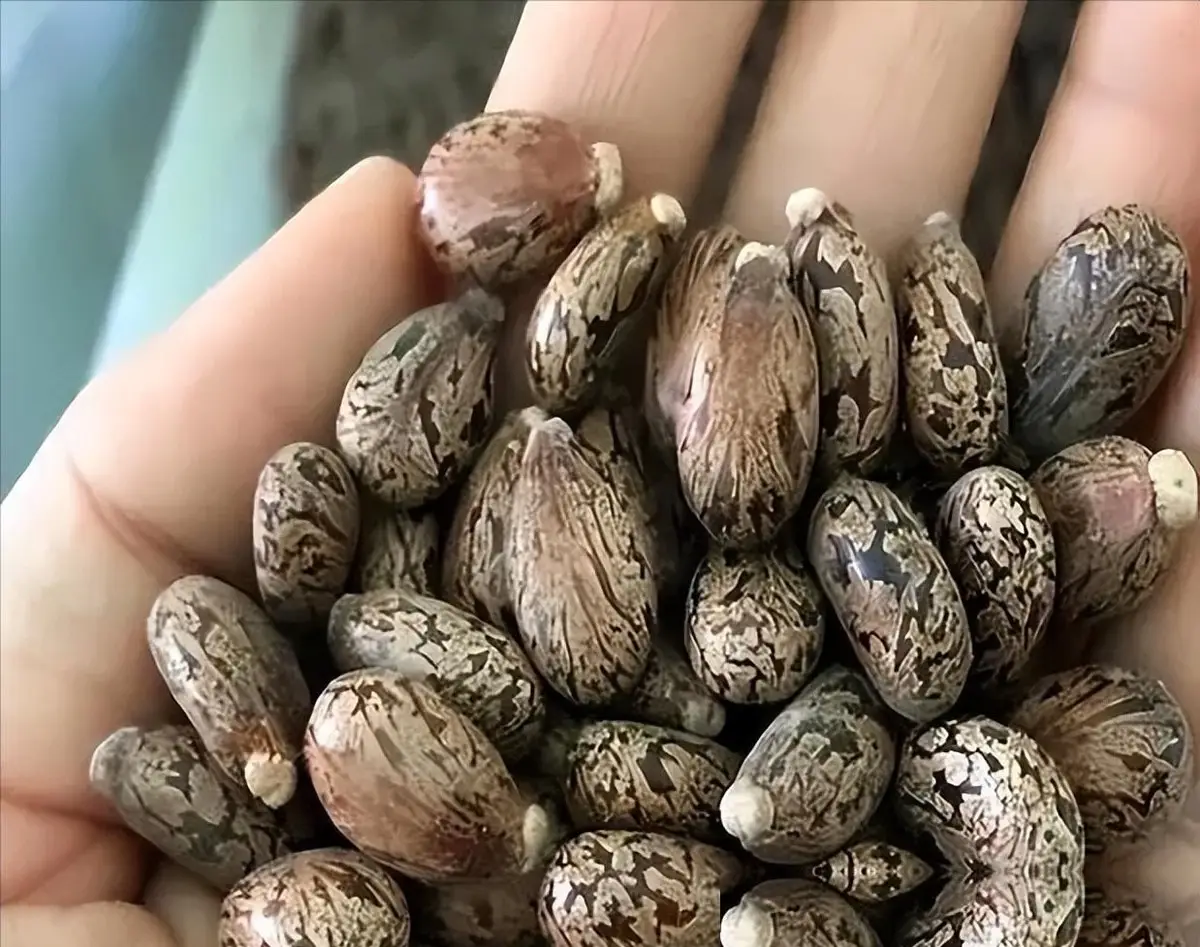
There is no identical pattern of two ricin seeds in the world, which looks a little bit like a worm with snake skin. Three or four ricin seeds will be spread to the soil by bees and ants when they mature。
At an early production gathering, humans realized that this thing was toxic because of the misuse of the seed。
A study by the federation of american scientists found that the absorption of ricin seeds through the gastrointestinal tract was less effective, requiring about three to eight, with up to 20 doses poisoning an adult. There are also, of course, lucky people who have eaten more than 30 undead, and this difference in lethal doses is often determined by the adequacy of chewing and ricin varieties。
For example, the ricin seeds in africa are the most toxic, and two could be enough to kill. The situation is even more serious if children are miseapplied, and approximately seven are sufficient to cause poisoning。
When compared horizontally with other toxins, the toxicity of the toxin contained in the ricin seed is 100 times greater than that of cyanide, or even about three times that of the cobra toxin, which has long been regarded as a "perfect poison" in the assassination world. The main use for ricin cultivation worldwide is oil refining。
Back in ancient egypt, people used to light the light with ricin, burning with a smell of incense in a temple。
In general, the ricin seed contains about 50 per cent of the oil, has a good quality of nearly 80 per cent and is used to extract oil with a residue called ricin. In the 19th to 20th century, researchers separated four toxic substances from residues: lysin, lysin, lysin, and lysin condensate。
It is widely distributed in leaves, fruit peels and seeds, and when ingested, it makes people sick to vomit; it causes allergies; and it only accounts for 0. 005 to 0. 015 per cent, which accelerates the condensation of red blood cells。
Of the four toxic substances, ricin is the most toxic, that is, the ricin that we often call it。
The extraction of this toxin is not difficult and can be done by many people who are highly chemical and have laboratory experience. The difficulty is that the higher the purity, the more complex the technical steps required, the more costly and the more demanding the experimental environment。
High-purity ricin proteins are similar to flour or salt, with little taste, soluble in water or weak acid. Oral, inhalation and injections of ricin are toxic, with initial symptoms showing non-specific headaches and fever。
In general, oral symptoms are similar to gastrointestinal diseases, with vomiting, diarrhoea, abdominal pain and blood in vomiting and excrement for four to six hours after intake, and persistent convulsions and epilepsy for some patients, as dehydration causes electrolytic imbalances and even shock。
According to an article published in the journal of the american medical association, ricin is sent to the liver and spleen within approximately two hours after entry into animal studies, while 20 to 45 per cent of the toxins are released with faeces within 72 hours of ingestion。
The human digestive system treats this poison protein as a general edible protein, so the oral mortality rate is relatively low, with about 12 milligrams poisoning a 60-kg adult。
Various literatures also show that the number of deaths due to consumption of ricin in almost 100 years is almost negligible。
If inhaled, the ricin toxin can strike at pneumocular cells, causing symptoms such as chest sulfur, nausea, heart rate disorders, agitation, massive sweating, with the severe turn to pulmonary oedema, and can pick up pink foam-like stings, often resulting in recycling failure。
The lethality of inhalation of ricin is determined by the size of the particles of aerosols, and generally the fastest and most lethal are injected with ricin, with 0. 5 mg killing an adult. The toxin can cause tissue damage at the injection site, with symptoms such as sting, nausea, dizziness, anorexia and similar sepsis。
Although the openings are of an eye size, the intoxicator eventually dies from extensive internal organs failure。
The worst part of this poison is that there are no special effects so far, and theoretically, a gram of toxic protein can kill 3,000 people. Intoxication can be largely abated, and if it does not die for more than five days, it will be accompanied by neurological damage, cognitive disorders, abnormal liver function, etc., and a severe decline in the quality of life。
In addition, ricin is difficult to permeate in a perfectly good skin, which can result in an allergy of red and stingy at most. Workers in some ricin mills may suffer from chronic conjunctivitis or measles due to prolonged exposure to dust。
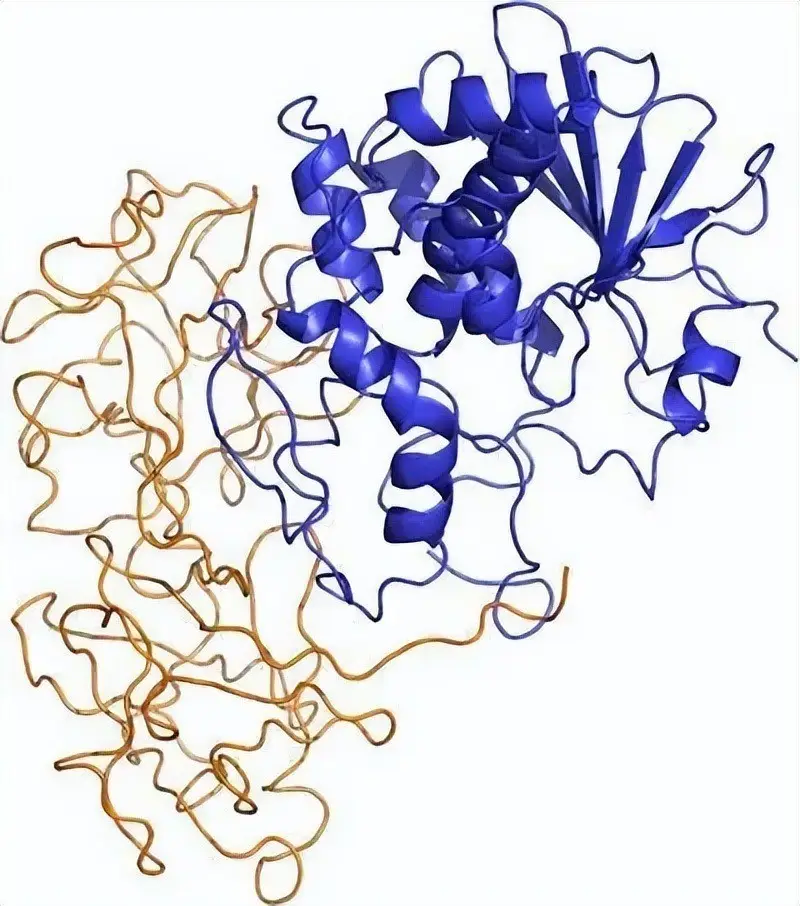
As an important member of the nuclear sugar-defunct protein family, the ricin proteins consist of a and b polypyrene chains, precisely this fine molecular structure that makes it almost incomprehensible in terms of lethal cells and gives scientists extraordinary headaches in extraction and protection。
However, this kind of plant, which sounds daunting, has been a regular customer of our agricultural land for a long time。
It is resilient, has few natural enemies, adapts to all types of soil, is drought-resistant, is salt-resistant and, in turn, improves soil quality。
In the 1950s and 1960s, my country was one of the world's leading emitters, especially in the northern plains of china, where there was a wave of large-scale cultivation that was visible in the fields。
There was also a popular song called "i grow nail for my fatherland", and some of the little partners after 70 and after 80 may still have the impression that not only did they use the seed as a toy, but some families even used the oil it extracted, which today seems rather dangerous。
It is the very high economic value it is seen to be。
The oil content of ricin seeds is as high as 50 per cent, and the processed ricin oil is used for an extremely wide range of purposes, with great industrial development prospects and raw materials that cannot be bypassed in many high-end areas。
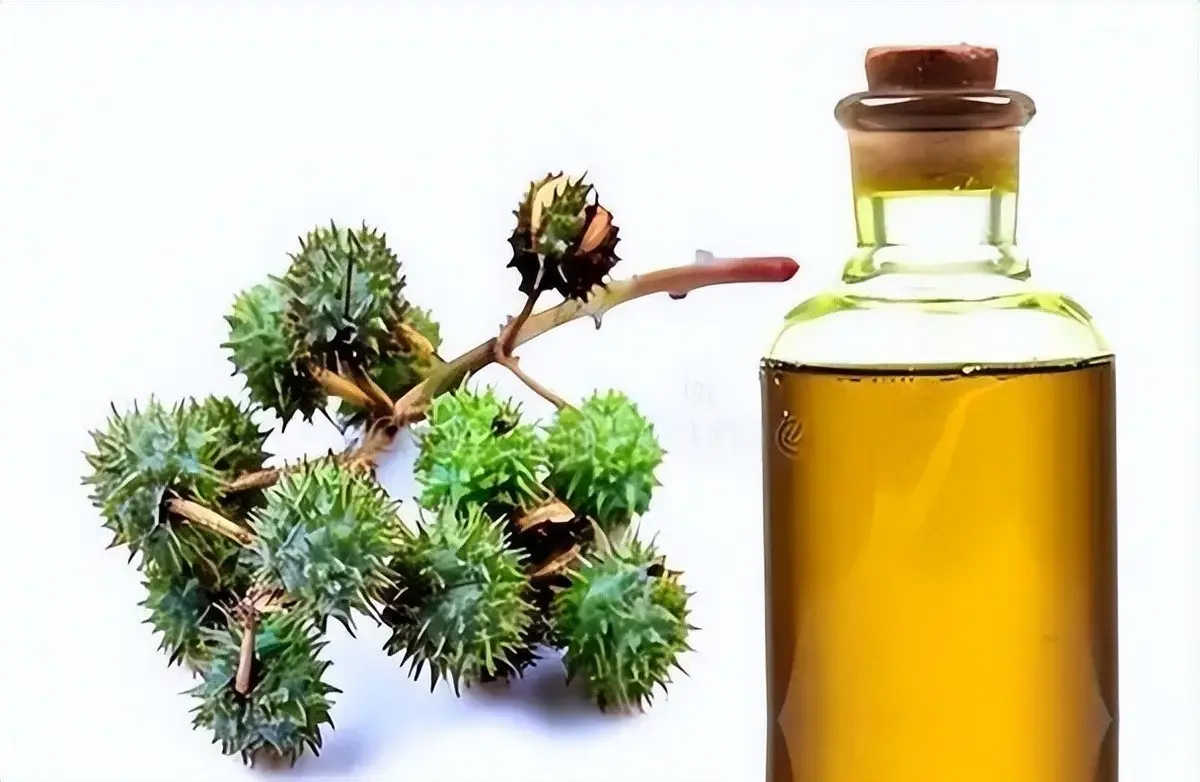
Developed countries such as the united states, france and japan have long accounted for more than 60 per cent of the global demand for ricin oil, and the global production of ricin seeds is still far from meeting industrial demand, and the united states has even listed ricin seeds as one of the "strategic goods"。
On engineering plastics used in high-performance aviation, it was only in 2021 that china finally broke the technology blockade。
So the question is, why don't you grow ricin in developed regions like europe and america
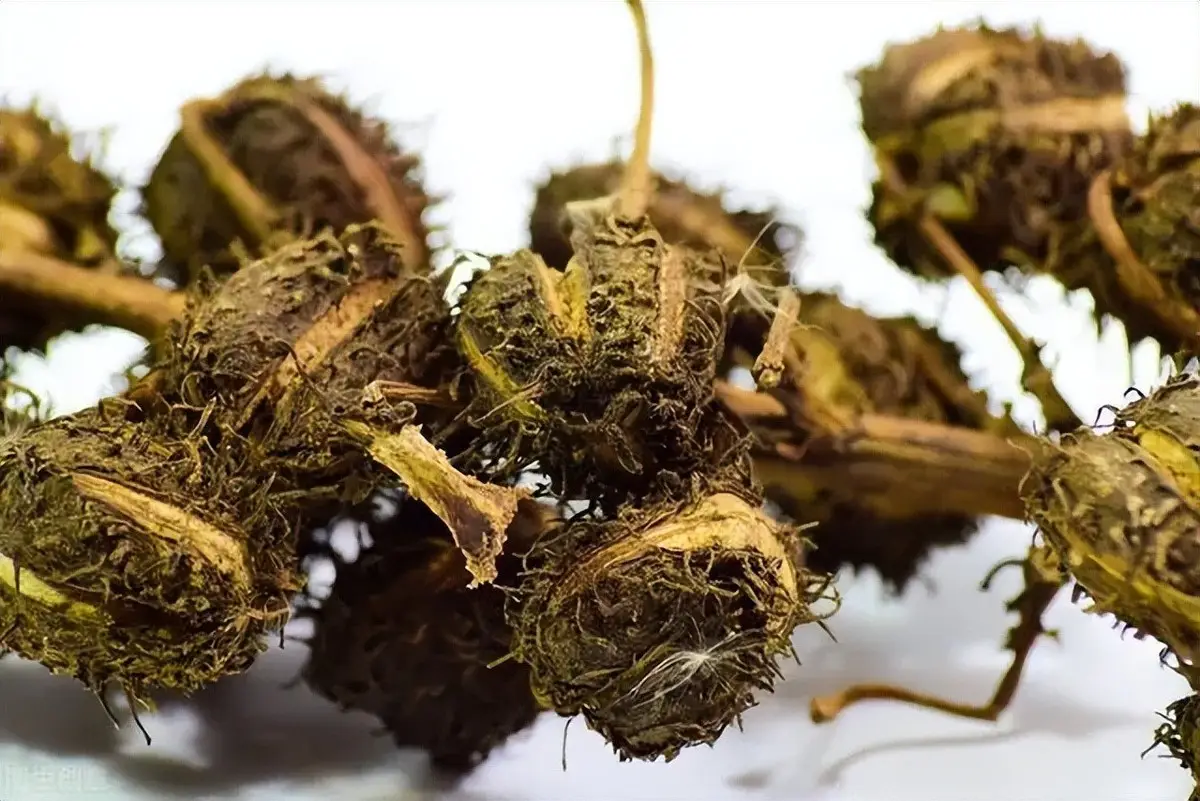
In the united states, for example, the reasons for the lack of cynicism are mainly due to the rapid growth of the ricin, which is high, and is an invasive plant; the labour-intensive industries that grow and gather; and the quality of the product that is not comparable to that of india。
Many countries in europe are prepared for large-scale cultivation in africa, where the origin of ricin, e. G. Eni oil in italy has identified the core of enterprise research and development as zero-emission biofuels, with one specific deployment being the recruitment of 80,000 farmers to plant ricin in kenya。
It was regrettable, however, that kenya had experienced the worst drought in 40 years between 2020 and 2023, and that it had experienced floods in early 2024. After a break, many farmers who had just signed the contract said that they did not want to grow cynics and that they were tired of seeing them. In particular, the seed is small because of the lack of machinery and the slowness of the manual sowing, which in turn affects the growth rate。
In short, the interest of the local population in planting ricin is low。

In addition to constipation, you may have heard about the effects of ricin on cataracts, pains, prevention of hair loss, white skin, accelerated healing. These effects cannot be said to exist at all, but the only certainty is that the medical use of ricin oil approved by the fda is only constipated and does not belong to the first line of therapy。
In addition, the use of lysin toxin can kill cell characteristics quickly, and in 1951 mosin discovered that lysin toxin can mark cancer cells and be resistant to tumours; in 1980, the medical community also found that it was used in conjunction with acin and that it could achieve better treatment in leukaemia。
Studies have shown that high doses of ricin toxin cause body death, but if the dose is sufficiently accurate, it can also give priority to cancer cells. What remains unresolved is the lack of precision in the marking of cancer cells and the vulnerability of ricin to accidental injury, resulting in caustic vascular seepage syndrome and neurotoxic reactions。

In response to this situation, scientists probably have two research directions: a genetic modification of chain a to turn it into an anti-cancer missile with a high degree of specificity; and a precision transmission of ricin toxin from lipids and nanomaterials, as in the case of arsenic trioxide。
Perhaps in the near future, ricin will save far more human beings than it will kill。









