


The vast majority of the people who eat the remaining bananas every day and throw them in the garbage cans, waste raw materials of natural fertilizers in vain. A number of vegetable and flower growers have heard that banana skins are rich in potassium fat and contribute to the expansion of the bouquets, but they are often pedaled when they do their own work: small black flyes, ants, fermenting stinks all the way to the ground, burning roots, yellow leaves and finally buying chemical phosphorus fat。
Potassium content in banana-skinned substances can be as high as 3 to 5 per cent, with phosphorus, calcium, magnesium and a variety of moderate and trace elements, whether open-air garden vegetables, fruit trees, or balconies, green planting, rationally fermented and fertilized for use, which can promote the planting of strong branches, reduce the drop of flowers and sweeter tastes of fruit, long-term application and soak the soil and reduce fertilizer use。
Three sets of banana leather fermentation methods that fit different scenarios, such as liquid fermentation, dry leather powder fattening, layer composting, detailing the ratio at each step, fermenting time, deodorant techniques, distinguishing between the dilution rates for various crops, high frequency errors for new hands, lack of professional incoherence in the full text of the platitude, handing of the fermentation with no apparent dissimilarity, and infestation。
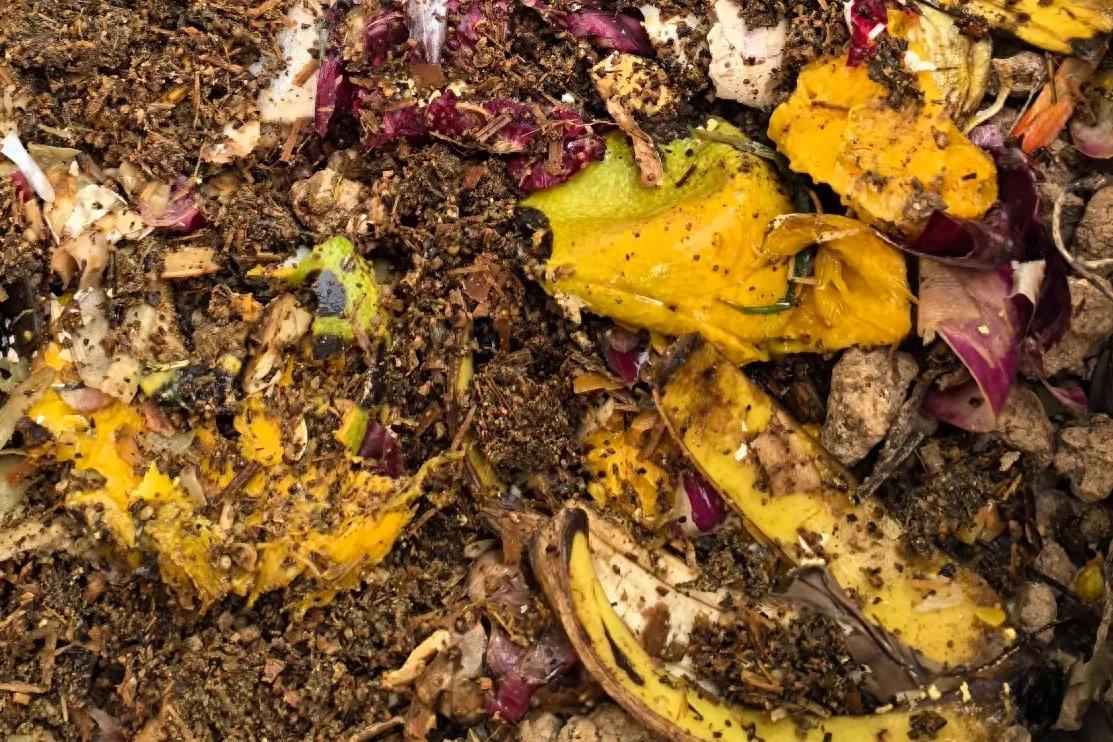
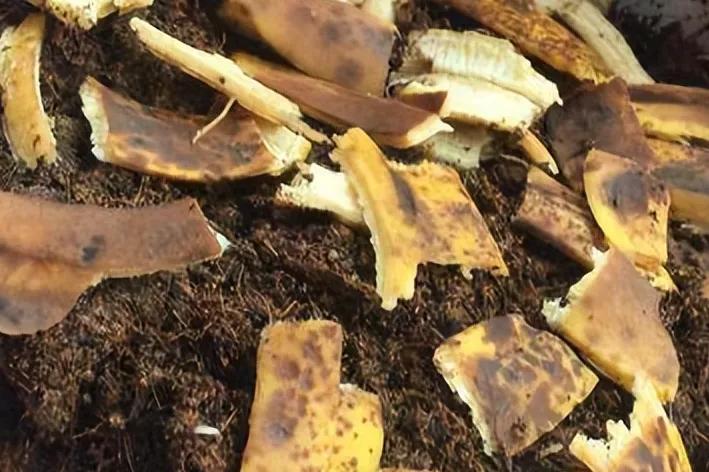
First, understand: the advantages of banana skin fatting and the hazards of direct use
(i) core benefits of banana skin fertilizer
1. Natural materials of high potassium, suitable for flower fruit crops
Potassium is a key nutrient for crop expansion, pregnancy buds, long-term procurement costs for bottled potassium phosphate, zero costs for banana peels, release of quick-impact potassium after decomposition, use of agile crops such as tomatoes, peppers, bean horns, monthly seasons, embroidery balls, and a significant increase in the number of sitting fruit and flowering, with fewer fruit malformations。
2. Replenishment of organic matter and improvement of soil sheeting
Long-term, fertilizer-separated plots and pelvis are prone to incorrupt water, rich in ripe banana skin organic matter, which increases the particle structure of the soil, improves the ability to withstand the gases and increases the growth space of the roots。
3. Self-carriage to reduce physico-borne diseases
The calcium can mitigate western red corrosive, chili-fruit fruit, magnesium maintains the greenness of the leaves, and daily potassium fertilisation is difficult to synchronize with these two trace elements, and the natural balance ratio of banana skins is multi-use。
(ii) fresh banana peels are buried directly, with three fatal problems
It is simply not desirable for many people to be free from fermentation and directly burying bouquets and gardens:
1. Fermentation and heat burn roots
The high content of fresh freckles and the microbial decomposition after burial in the soil produce high temperatures, close to the seedlings and shallow roots of vegetables, and are prone to burning roots, as shown by the fast yellowing of leaves and atrophy。
Sugar attracts pests and breeds fungus
The sweet taste of fruit skin attracts black flies, ants, fruit flies, white fungus when the flower basin is buried in a few days, and the smell of the interior balcony is kept closed。
3. Decomposition of soil-consumption nitrogen fertilizer
There is an imbalance in the carbon and nitrogen ratio of fresh fruit skins, where soil microbes decompose their fruit skins to capture the nitrogen fertilizer of their roots, and where crops lack nitrogen and yellow leaves, they inhibit growth in the short term。
For the safe exercise of fertility, the three fermentation methods below must be selected on a demand basis, after full decomposition and fermentation。
Ii. Three mainstream banana fermentation methods, contrasted by scenario
Method i: fermentation of liquids from sealed drums (preliminary balconies, quick effect)
A small amount of banana skin is suitable for accumulation, indoor flowers, small pellets are used, the fermentation is completed and the upper layer of liquid is used for water, and the residue can be recomposted。
Full operating procedures
Pre-treatment of fruit peels
Banana skins are washed off the surface with fresh water, cut into small pieces of nail caps and cut into pieces as quickly as possible; a single accumulation of between 5 and 10 fruit peels is sufficient, rather than a one-time accumulation of large quantities。
2. Combination of fermented materials
It is chosen to use plastic drums with a cap, large spring water drums, with a fruit peel filled with a container of 1/3, with water added to the container in eight cents, leaving room for gas expansion; to add two spoons of rice water, a small spoon of red sugar, rice water to provide a herb herb, and red sugar to accelerate fermentation, with three to five orange skins, which will significantly reduce the fermentation odour。
3. Control of temperature fermentation and periodic venting
The summer temperature is 25°c and 20-28 days of fermentation at the lumber ventilator; low spring and autumn temperatures extend to 40 days. During the fermentation period, the gas is pumped every three days to avoid excessive gas in the drums。
4. Criteria for determining the completion of decay
The liquid in the drums is dark brown, the bark is completely soft and whole, the lids are opened only with a slight smell of dirt and no stench of fermentation。
Use of dilution criteria (implemented enforcement, elimination of root burning)
• precious seedlings, large meat, indoor leaf green planting: 50 copies of the original liquid for 10 days
• the gestation period of flowers (monthly seasons, trims, long-lived flowers): 30 copies of the original liquid to water, once in 7-10 days
• vegetable guacamole (supplexes, cucumbers, bean bean bean horns) – 25 per cent of the original fluid, watered along the outer edge of the root and no leaf。
Method ii: dry dry dry dry skin fertilizer (zero odor, four seasons of storage)
Farmers who are afraid of the smell of liquid fermentation and the small amount of space in their homes give preference to this method, which is simple to operate, has a long storage time and can be used for bottom and bottom fat。
1. Sun drying and dehydration
Banana peels are laid in concrete, balcony trays for three to five days until they are completely dehydrated, and they are squeezed to shreds without any moisture; they can be dried with a small fire from a flat pan on a rainy day, and they can be turned around to avoid roasting。
Crushing
The dry hard fruit skin is crushed with stones, the home is sharpened with small shredders into fine powders, and is stored in sealed plastic bottles and bags to avoid light and is stored for six months。
3. Field, flower basin use
• change of bottom fertilizer: 5 per cent of banana platinum powder mixed with soil, evenly mixed and planted, slowly releasing fertility for two to three months
• long-term pursuit of fattening: flower basins poking three to five shallow holes along the edges, filling in small amounts of powder and watering the ground; and vegetable crops with shallow spreading and water solution and absorption。
Advantages: no fermentation, no mosquitoes, no failure of new hands and safe use of seedlings and weak plants。
Method iii: decanded fermentation (applies to large vegetable gardens, garden fruit trees)
Homes have a place to eat, empty, with more leftovers of daily fruit leather, suitable for layer compost, large quantities of solid produced in one-timeOrganic fertilizerImproved whole garden soil。
1. Mass stratification
Select areas with high terrain and no water accumulation, with 5 centimetres of dry garden soil, broken straw, dried leaves on the ground floor; 2 centimetres of cut banana skins on the second floor, stacked in altercated layers, covered in 10 centimetres of thick dry soil, completely covered in fruit skins and isolated from the smell of pests。
2. Humidity control and stacking
Small amounts of water are spilled on the surface, piles of material are held in groups, loosely dispersed, and water is strictly forbidden to accumulate; in the summer, the piles are rolled every 15 days, the materials are exchanged up and down, accelerating decomposition。
3. Decontamination determination and use
The whole pile was turned into black and brown, full banana peels were not seen, the plume was loose, only the soil smelled, and decomposition was completed 40 summer days and 60 winter days. The whole area is spread evenly, tilling the soil deep enough to increase the overall strength of the ground; fruit trees can dig up pits and compost as the basis for autumn winter。
Iii. Crucilization techniques, maximizing fertility
(i) vegetable fruit and vegetables (polymerium main crop)
1. Tomatoes, peppers, eggplants: fattening of the seeding season with thin, diluted liquids, which is followed by fatting seven days after the date of the suspension; end of harvest and burial in dry banana skin powder to preserve the root system. It reduces umbilical, mollusc disease, and the fruit is more symmetrical and sweet。
2. Bean bean, cucumber, silkmelon: before flowering, application of fertilized banana fertilized water to promote more female flowering and less flowering; dry corsets in the mid-term and later stages of vines to avoid premature decay and to prolong harvest cycles。
3. Vegetables (cigarettes, cabbage, oatmeal): used in small quantities, only once harvested, followed by fat, not frequently applied, with nitrogen-based fertilizers in the leaves, supported by potassium banana peel and better urea。
(ii) garden fruit trees (pomegranate, oranges, figs)
Banana skin compost is buried on the outskirts of the roots during the spring and autumn fertilizers; during the summer season, the fruits swell, watering down liquid fertilizers once a month, increasing the dilatory resilience of the branches, making them less prone to fall fruit, and making them more radiant。
(iii) garden gardening flowers
1. Flowers: seasons, embroidery, orchids, long-lived flowers, regular application during pregnancy buds, doubling of the number of flowers, bright flowers and longer periods
Greening of leaves (green beads, bouquets): reduced frequency of application, once a month, to avoid excessive potassium fattening and inhibiting the growth of leaves
3. Multi-fatal, fairyballs: only a small amount of dry-skin powder in the spring and autumn growing seasons, which are completely decommissioned at high summer temperatures and low winter temperatures。
Iv. Fermentation, application of high frequency error zone, 90% of new players. The pit
1. Fermented packagings are completely sealed
The full closed bottle covers are not ventilated, and a large amount of biogas accumulates within the drums, which not only slows the fermentation but also produces a strong acid odour and even swells plastic containers, which must be ventilated on a regular basis。
Fermentation fluids are not diluted and fed directly
The original liquid fertility concentration is high, and direct contact with the root system is bound to burn down and, whatever the crop, the water must be diluted before use, rather than thick。
3. Fresh banana skins stacked directly indoors
The unfertilized fruit skin is exposed outside, which breeds small black flies and molds in two or three days, and the indoor balcony gives priority to drying the powder and eliminating alien pests。
4. Frequent and extensive application of banana skin fertilizer
Overweight potassium inhibits crops from absorbing nitrogen, calcium, thin leaves, stagnant growth, 7 to 10 days for melon fruit and 10 to 15 days for flowers。
5. Fermentation with banana skin, without orange skin or dry soil. Taste
The fermented smell of a single fruit leather, combined with orange skin and a small amount of dry wood crumbs, can reduce the smell of stings from the source and make indoor use more friendly。
V. Additional practical small uses that can be used temporarily without fermentation
Fresh and full banana skins cannot be fermented, but green blades can be emptied: the internal white face of the blades can be emptied lightly with green carrots, rubber trees, green leaves, dust removed, the surface layer of the leaves can form thin trophic membranes, long-term luminous leaves can be emptied without any side effects and simple operations can be done at no cost。
Banana skins seem to be insensitive, and rational fermentation is the very high price of natural potassium fattening, rapid liquid fertilization, easy storage of dry leather powders, suitable layers of compost for large areas of vegetables. Three methods are chosen on a case-by-case basis, avoiding the risk of direct burial, non-dilution of the original liquid, etc., and the frequent purchase of potassium fermentation is not required. The whole set of operating tools is home-based, and zero-basin growers can ferment at a time, reducing the amount of waste left behindGrowing vegetables and flowersDemand。
Do you normally eat banana peels and throw them away or do you collect them for fertilizer? Did the fermented banana skin have problems with smelly, insect-scaved, and any of the odour tricks? The comment section shared。
The fermentation ratio and dilution ratio are home-planted, open-air vegetable gardens with practical experience, and large-scale cultivation needs to be combined with professional farming; banana-skin organic fertilizer is used only as auxiliary fertilizer and cannot be a complete substitute for the balanced compound of nitrogen phosphorus。









