


People who like to raise flowers, see all kinds of junk in the kitchen, want to turn them into flowersOrganic fertilizerI don't know. When properly produced, plastic bottles at home can make non-cost organic fertilizers and guarantee insect-free。
The well-regulated pellets of the family grow green, even when the water is well-watered and well-positioned, and the leaves fall during their growth; the flowering plants grow only long leaves, so that they can use the banana peels, coffee dregs, tea dregs, soybean dreeds and fruit and vegetable leaves common in the family, which are good ingredients for the production of organic fertilizers。
And here's how to make all-powerful fertilizers with nitrogen, phosphorus and potassium, easy to get, and new hands on。
1. Organic potassium fertilizer: strong roots against disease
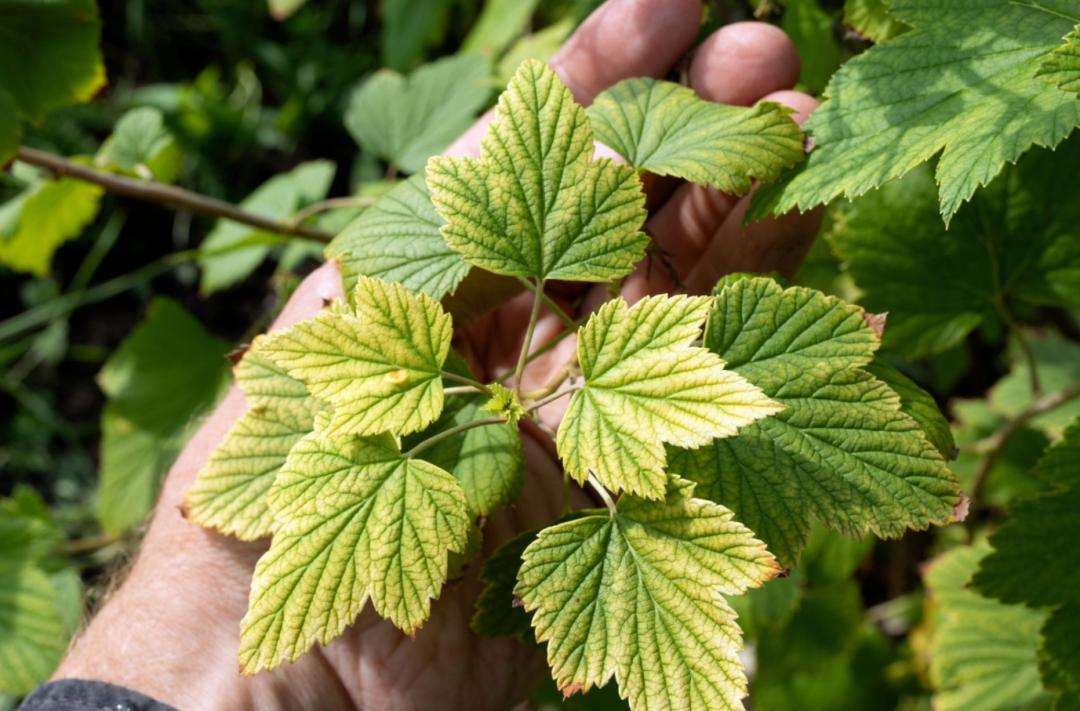
Potassium fattens plants ' roots and increases their resistance. Plants can't lack potassium, just like people can't lack calcium. Calcium-deficit plants are softer and weaker, are more prone to pests and pests, and are prone to drying and decaying plants。
Production methods
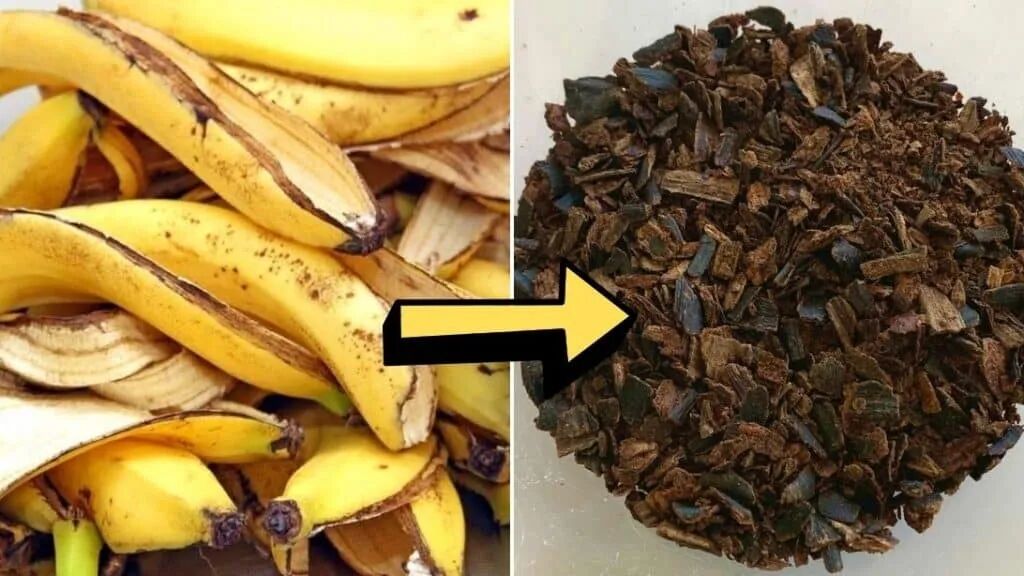
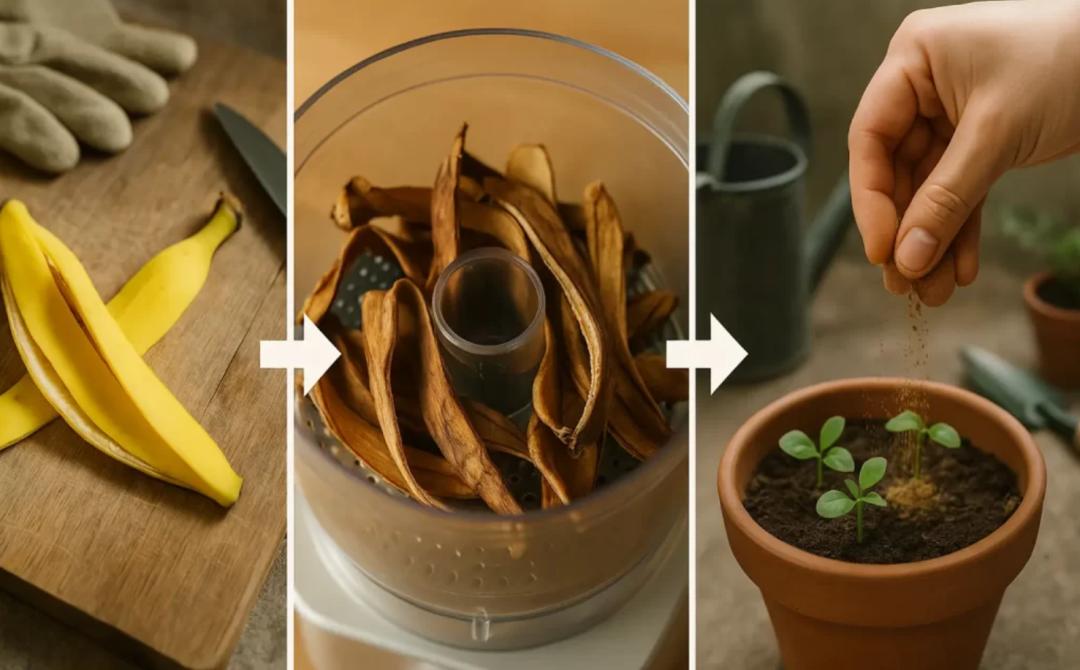
Dry a banana skin or dry it with an oven. When completely dry, it is best to crush it into powder and then to mix it directly into the soil, which is particularly simple organic fertilizer。
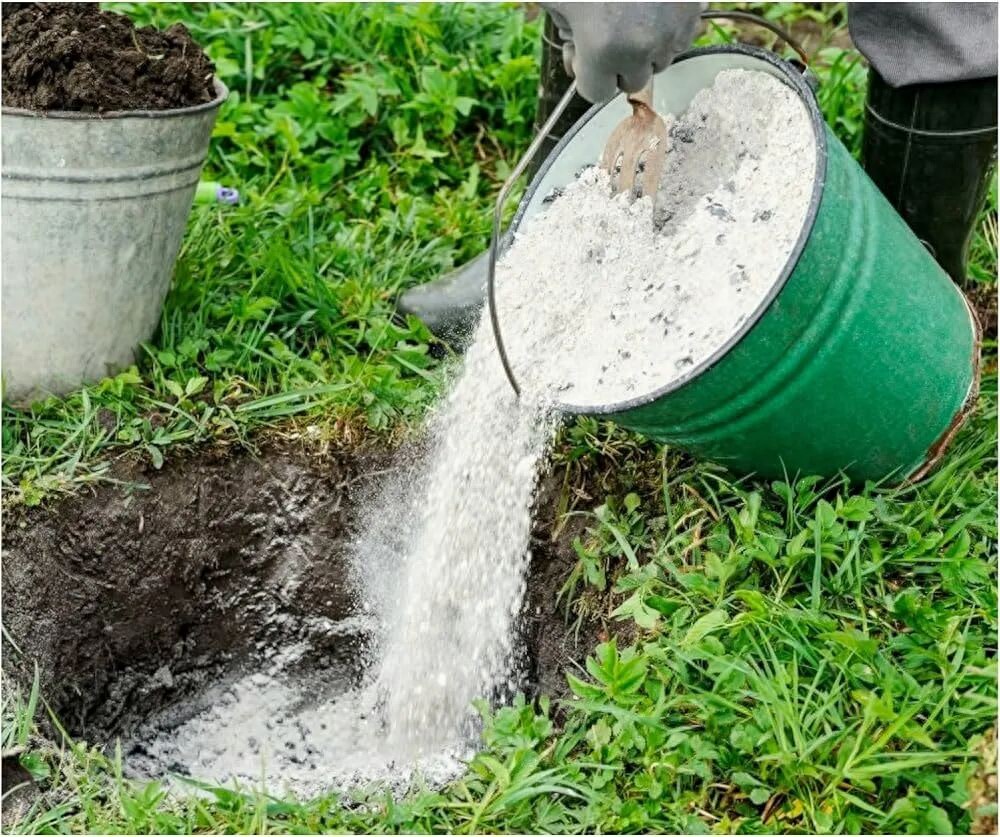
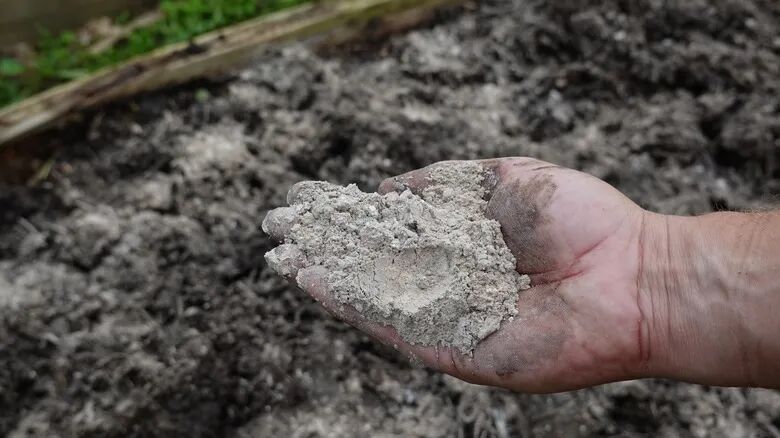
2. Ash is also good potassium fat, which can be collected during barbecues or in rural areas. It can be used as fertilizer, whether ash from dry grass, falling leaves or burning wood. It should be noted, however, that grass-wood ash is alkaline and acrylic plants, such as tea flowers, scabs and jasmine flowers, are not used. Grasswood ash is used in a simple way that can be laid directly on the ground or even sprayed with water on phytoleas, both to prevent insecticidal and to supplement potassium fat。
Organic nitrogen fertilizer: plant "greening"
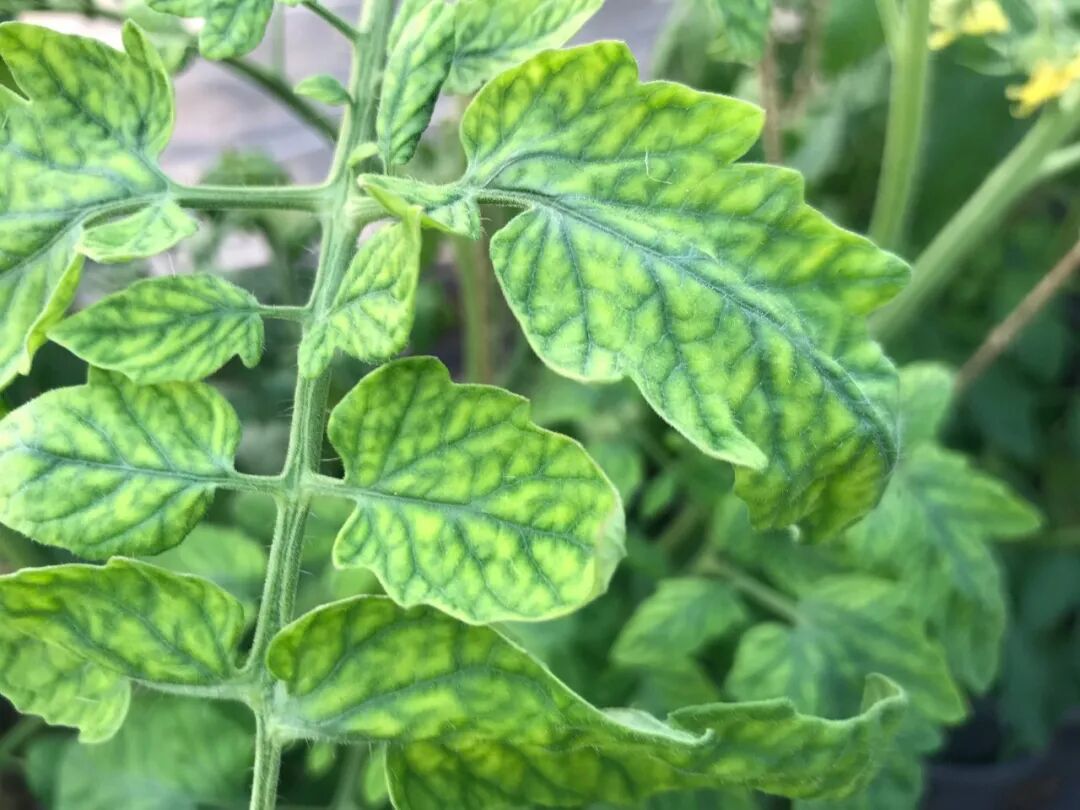
Both leaf-watching plants and leaf-eating vegetables require regular supplementation of nitrogen. For example, common urea, flowers plus 10 are high nitrogen-rich fertilizers that make green carrots, tortoises, chumps or leaves for vegetables of all kinds more abundant。
If you don't want to use chemical fertilizer, you can make organic nitrogen fertilizer。
Production methods
The rest of the soybean slag, or broken peanuts and soybeans, can be used to make nitrogen fertilizer. They can be crushed in a wall breaker or blender, with appropriate water for mixing, and beans can be soaked with water earlier。
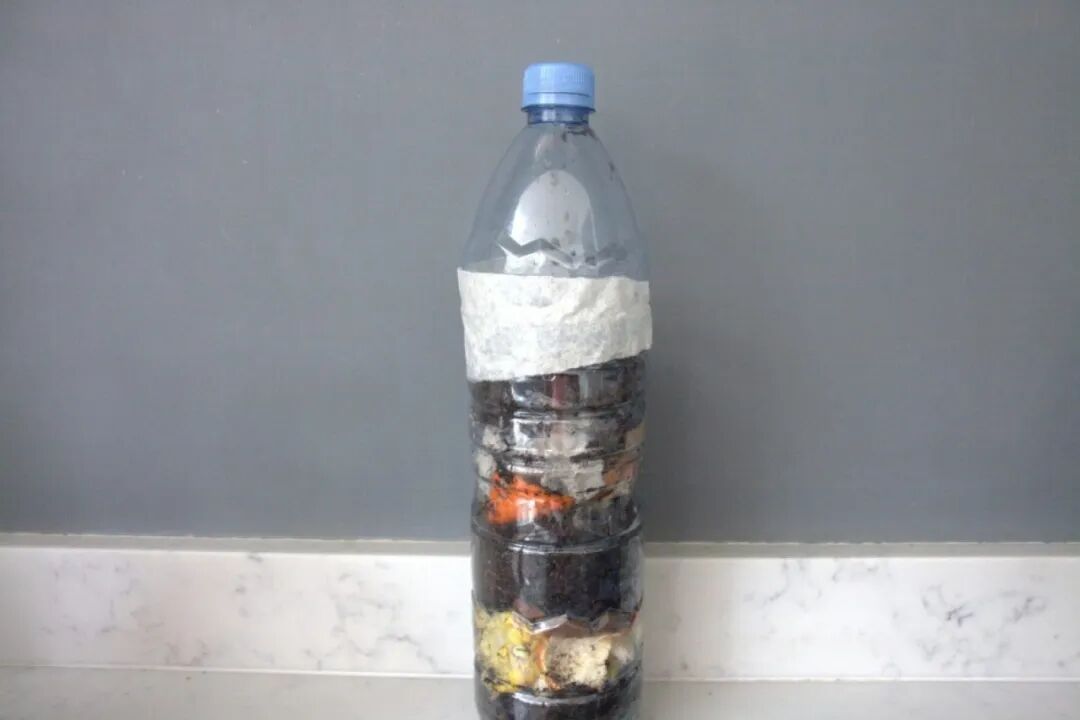
Then you put the treated bean slag in a big plastic bottle, and you don't have soy slag with water. It would be better to put in a few pieces of broken lemon peel and orange peel, which would be effective in reducing the odor。
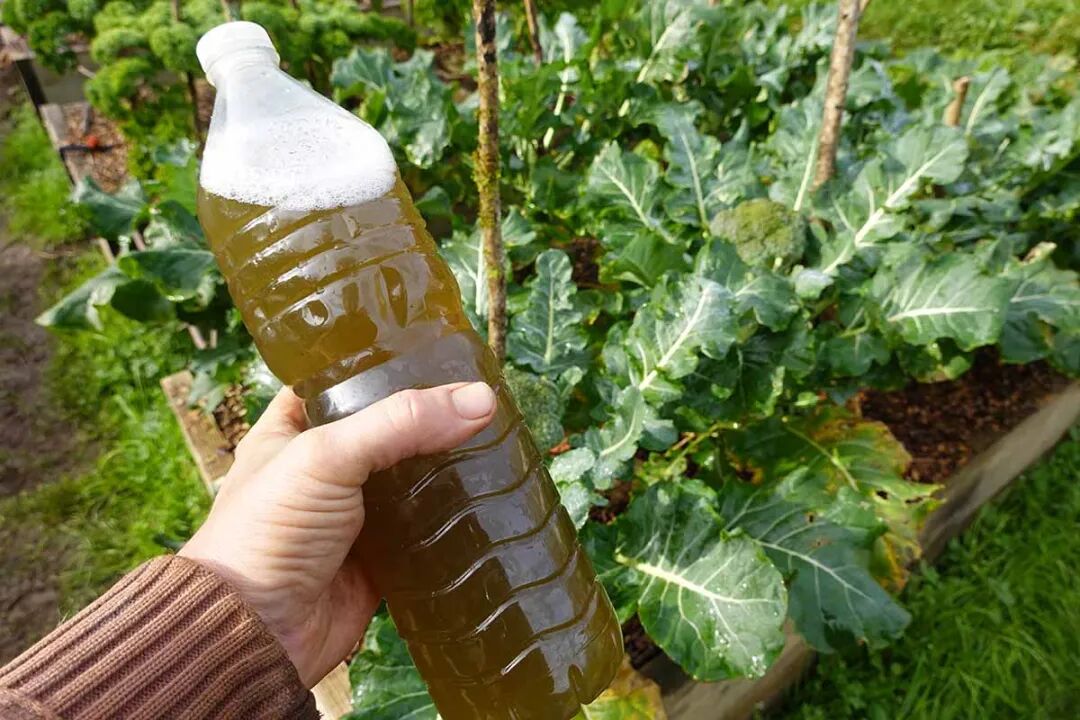
Follow up, open the cap every three or five days and breathe. When the fat water becomes non-stealing and no more gas volatilization, nitrogen fertilizer is made. Water is used 50 to 100 times, and every once or every two weeks during plant growth, allowing the family to grow green and reduce yellow leaves。
3. Organophosphorus fertilizers (flower-promoting)
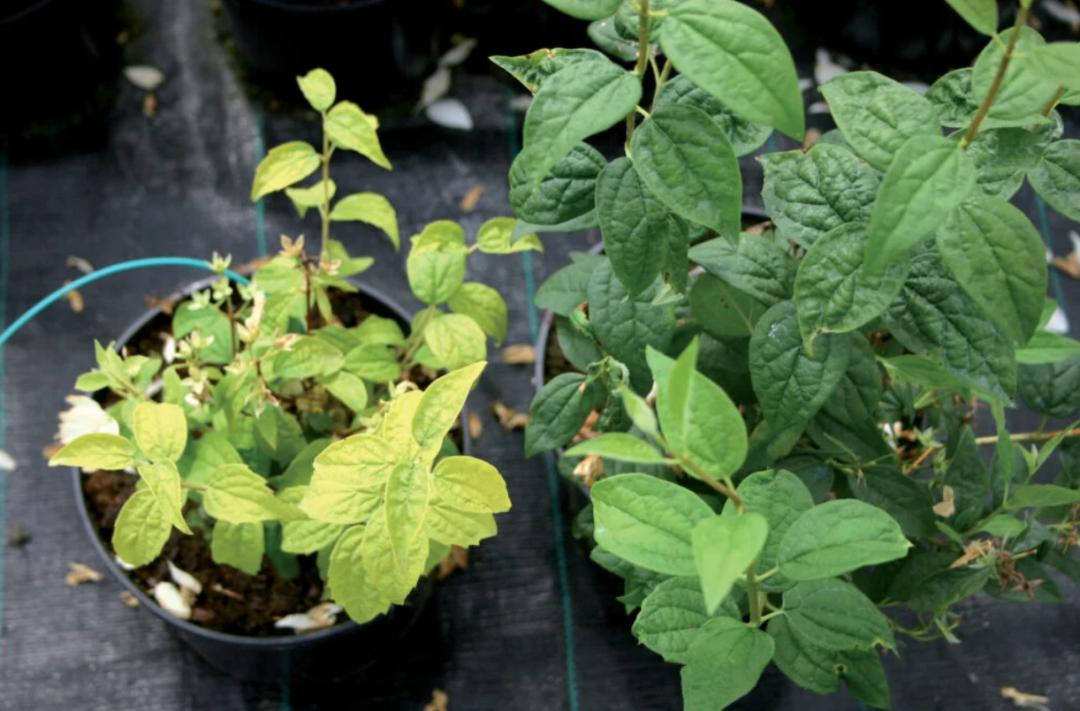
There is a need for adequate phosphorus fertilizers to promote flowering, such as triangles, cuisine, dowries, seasons and jasmines. Plants that lack phosphorus fertilizers can have only long leaves without flowers or small and small flowers. In addition to supplementing the chemical fertilizers such as potassium dihydrophosphate and multi-facility 2, home-made organophosphate fertilizer can also be tried。
Production methods
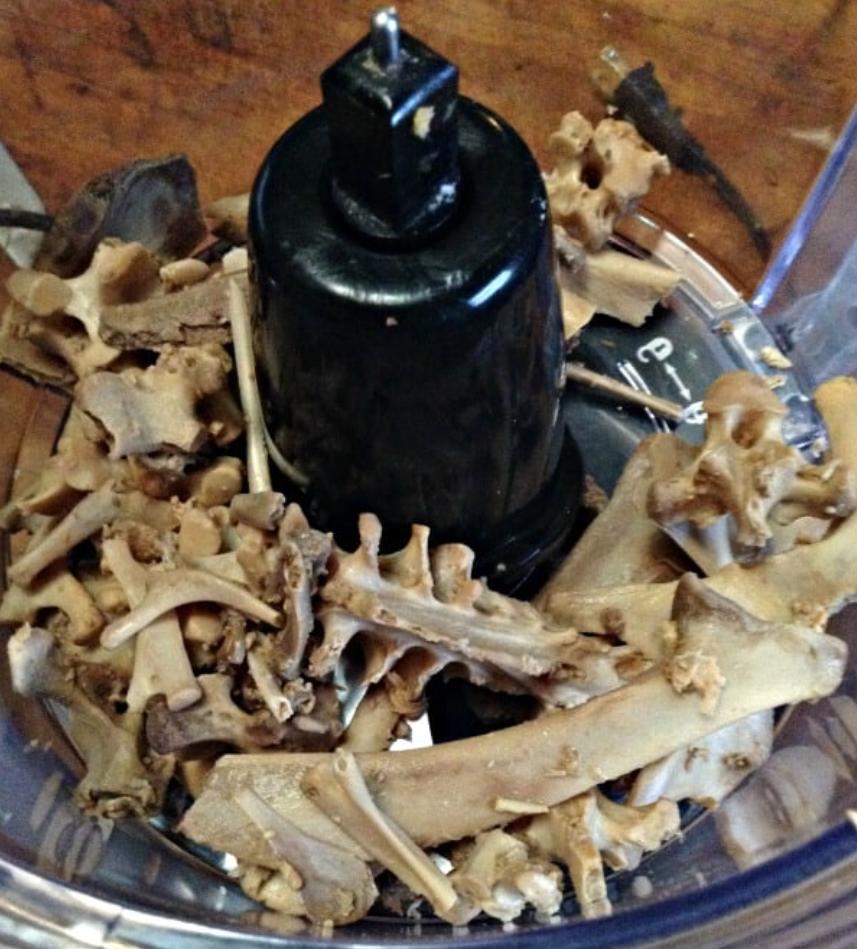
Bones of fat and flesh are removed and boiled more than two or three times in open water and the salt is completely removed from the bone. If you have shrimp shells, you can add them. When boiled, the bones and shrimp shells are dried, which is then crushed with a hammer and then then grinded into a mixer。
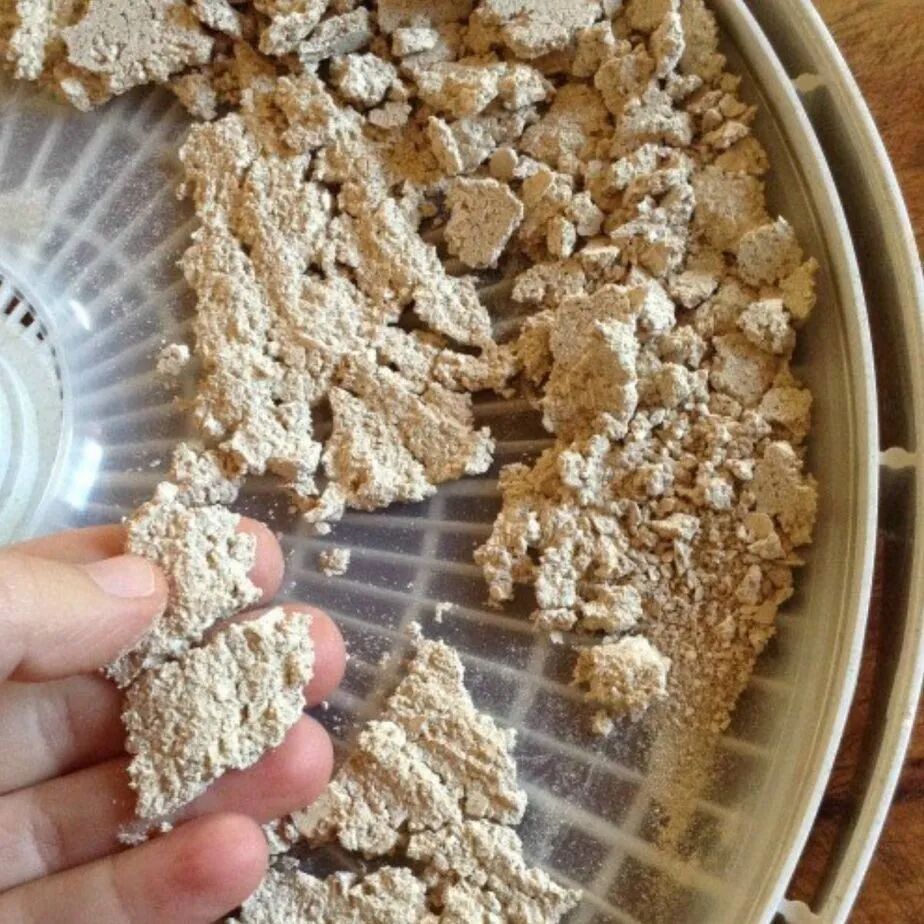
Natural organic powder can smell a little, and can be placed in a plastic bottle, with a few lemon peels or orange skins, and then in a proper amount of water, sealed and fermented. If the temperature is high, it can be fermented in a month or two; if the temperature is low, it takes 3-4 months. Once fermented, it's 10 times the amount of water in the basin。
A little tip:
1. In the production of organic fertilizers, an appropriate amount of red sugar may have previously been added to it. In the absence of red sugar, it is also possible to use the remaining cokes and schizophrenias, which contain a high amount of sugar and allow the microbial population to become more active and accelerate fermentation。
2. When organic fertilizers are fermented, the gas is released, and the cap must be opened every five days or so to prevent the bottle from swelling or even bursting。
3. During fermentation, fermentation can be accelerated by tanning plastic bottles in sunlight。
4. Total fermented organic fermentation does not smell clearly. If there's still a heavy smell, it means the fermentation's not finished。
5. It is important to remember that fertilization must be applied during the growing season of plants, i. E., at the stage when plants are growing new and new leaves. If the plant itself is not in good shape, it cannot be fertilized, at which point it can only cause obesity and burn the plant. This is justified by the fact that a person is “uncompensated” and that, in the event of illness, the patient is given a remedy that not only does not restore the patient but also aggravates the disease。









