


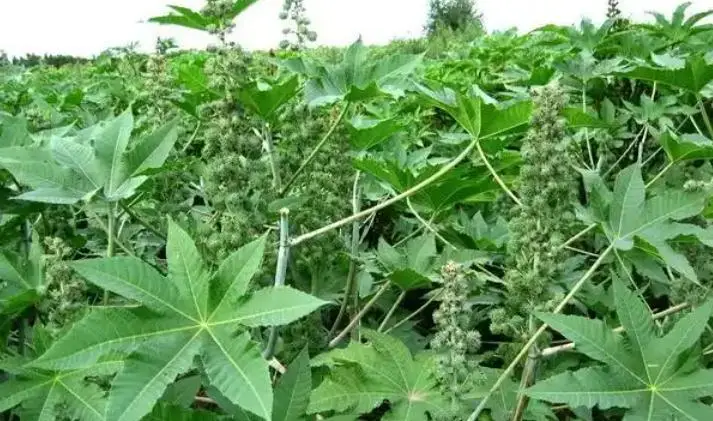
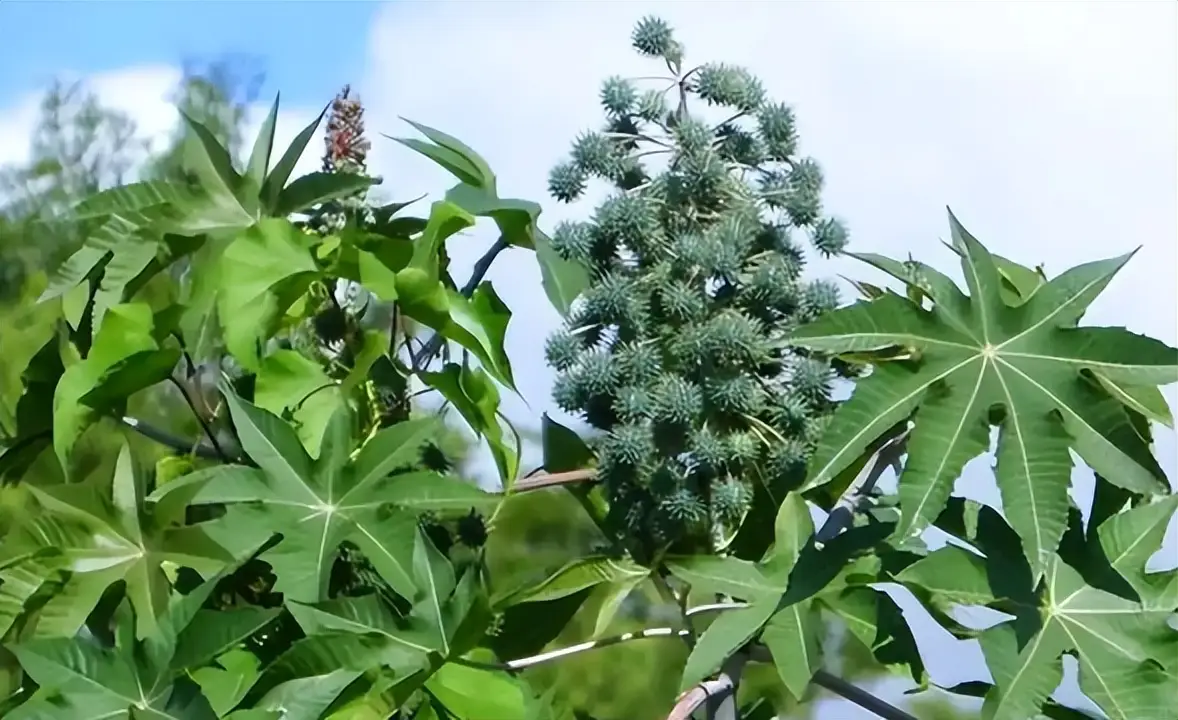
I'm sure all the friends who grew up in the countryside have seen that kind of prickNamaSeeds, old people have to be told never to enter. It's just a normal crop that's been rooting in my country for over 1400 years and that's all around the houseStrategic goodsIt's under strict field control。
It's a commonweed, and it's turned into a military necessity. How can this supply and demand gap be created when we have a millennia of planting history and land is suitable for growth
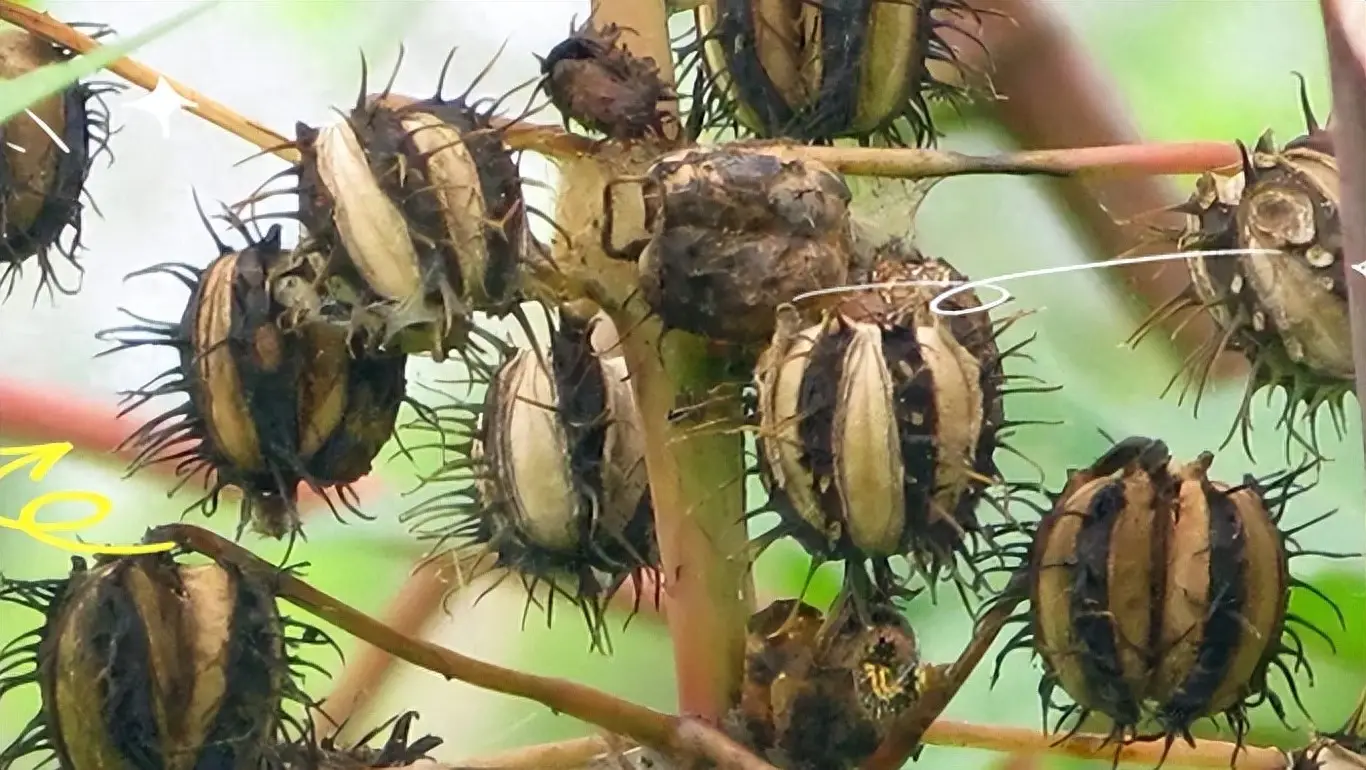
In the vast majority of people's minds, the ricin is really nothing. It's easier to find a field, a house in front of a house, than a vegetable, and nobody takes it seriously. However, it is the same poor crop that plays an irreplaceable role in modern industrial systems。
The modern industry is bound by lubricating oil, but the requirements of high-end equipment for oil are extremely critical. The oil refined from ordinary oil is particularly narrow in temperature tolerance, rapidly deforming at high temperatures and condensing directly into blocks in extremely cold weather. And the ricin oil? It fits perfectly with all the extreme industrial scenarios。
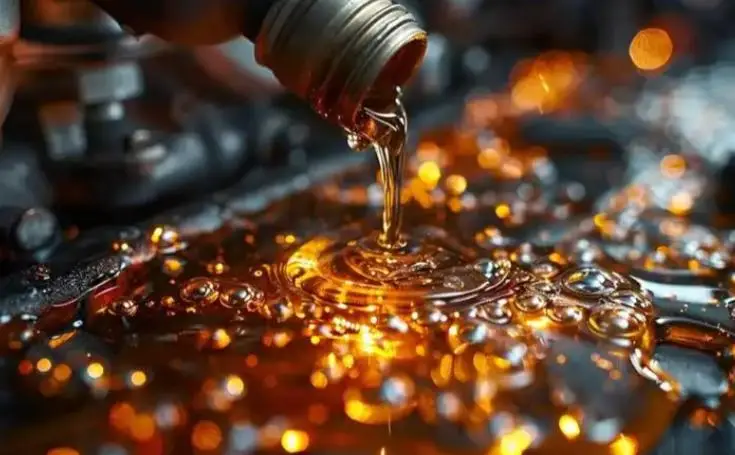
Thousands of degrees celsius of aeroplanes are hot enough to carry continuous lubrication, and tens of degrees below are extremely cold, and it also keeps liquid functioning. At present, there is no global synthetic oil that can catch up with its integrated capacity。
Military engines, missile-serving systems, sophisticated military engineering instruments are all supported by them. The u. S. Department of defense procurement announcement clearly states that the core raw material for aviation lubricating oil for the main warplanes is paralyze oil, which supplies exclusively military equipment。
In addition to the military industry, the industries of high iron parts, wind power generation equipment and high-end medical materials are also highly dependent on ricin oil。
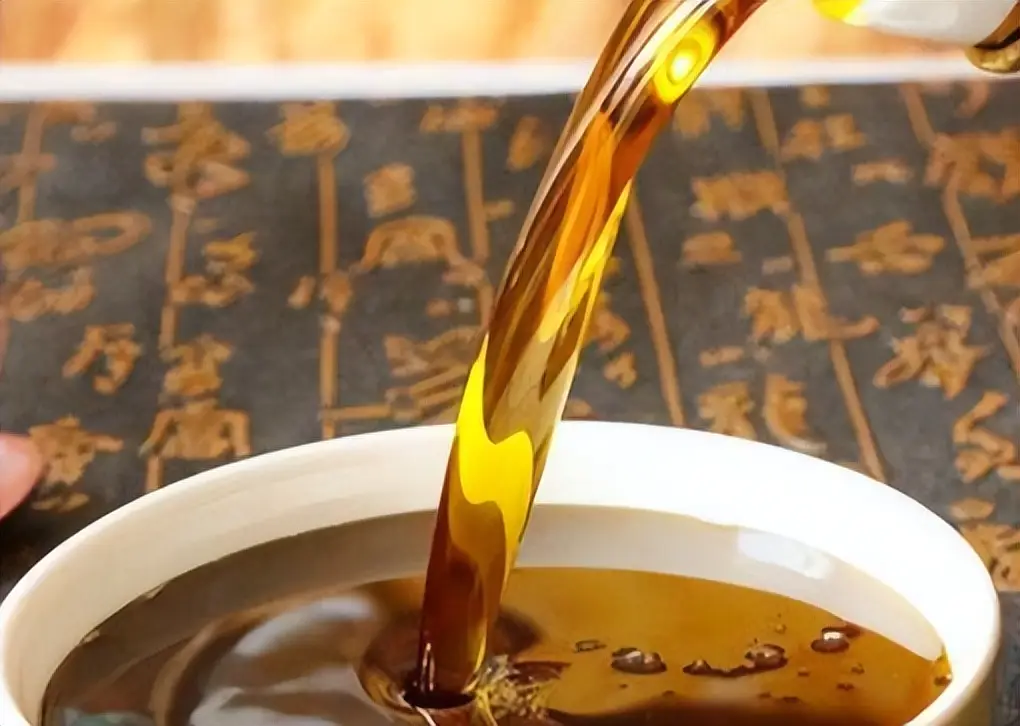
The rate of soybean peanuts is not in the same size as it is. More critically, it is currently the only renewable source of oil that can replace oil on a large scale worldwide。
The whole crop is wasteful, the remaining ricin from the oil can be used as feed for livestock and can be processed into organic fertilizers, improved saline, straw can be made of sheeting, leaves can be squirted and roots can be drugged. It is the united states that has identified it as a strategic asset and as a key defence。
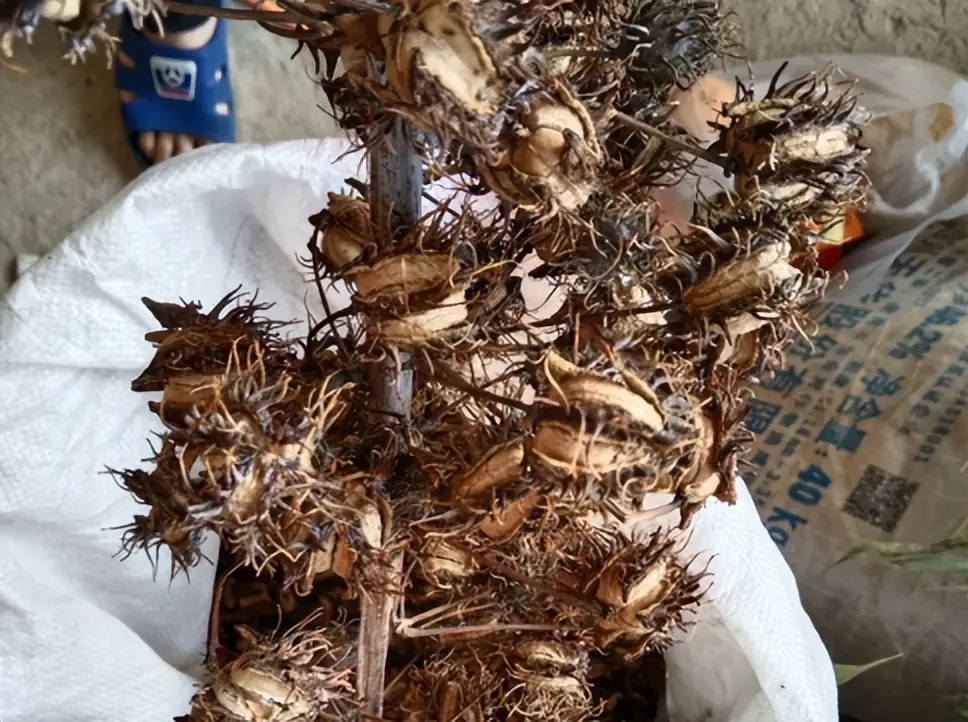
Many people think that we've been growing ricin for thousands of years and that we should have enough capacity. Cultivation is recorded in the ancient tang clan and folk traditions continue to this day. However, the scale of cultivation has changed significantly over the past two decades, leading to a complete reversal of supply and demand patterns。
In 2000, domestic ricin cultivation once exceeded 290,000 hectares, with annual production exceeding 300,000 tons, the largest global core exporter. By 2022, the area under cultivation in the country was about 10,000 hectares, yielding about 21,000 tons, a marked decrease from the peak period。
It is not a question of who planned it, it is a matter of the farmers themselves making an economic debt, and of course no one will grow it if they don't make money. The traditional ricin plant is large and relies mainly on artificial harvesting and does not use machines。
With the transfer of rural labour to urban areas, labour costs have risen and the gains from seeding have become thin. Together with stable subsidies and marketing routes for food crops, it is perfectly understandable from an economic point of view that farmers prioritize food production。
On the one hand, farmers are losing their seeds, on the other hand, factories are using more and more. Once supply and demand were screwed, the gap came. High-end manufacturing and new energy sourcesIndustrial upgradingI've raised the consumption of ricin oil。
In 2022, home-made ricin oil was approximately 16. 9 million tons, consumed nearly 291,000 tons, and over 90 per cent of the raw material demand was met through imports. Indian sources accounted for a significant portion of the 27. 47 million tons of ricin oil imported in 2022。
India accounts for more than 60 per cent of global ricin production, and industrial demand in central america and europe is highly dependent on indian exports. This pattern of supply and demand is the result of a combination of market patterns, cost comparisons and global division of labour. But it does remind us that there is room for optimization in the distribution of strategic resources。
The majority of the population knows only the economic value of qing ma and is less aware of how dangerous the other side is。
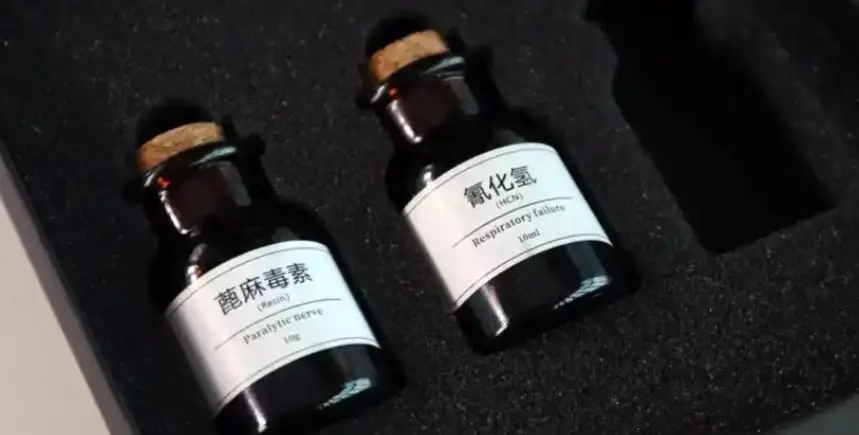
The ricin protein contained in ricin seeds is a naturally present high-risk biological toxin. It attacks in a very subtle way, and when it enters the human body, it destroys the protein synthesis function of the cells and causes large numbers of cell metabolisms in a matter of hours。
The point is that the initial signs of poisoning are too similar to those of the common cold, with heat, powerlessness, disgust and no one's thinking about it. Also, there are no targeted detoxifications available globally, and if poisoned, treatment success is low。
Several historical events were well known to illustrate how toxic it was. In 1978, there was a global umbrella stabbing in london。
An exiled writer was stabbed on the street by an agent at the tip of the umbrella when his body was barely scarred and he was not too concerned. But three days later, he suddenly died of a fever and a dirty device. It was only after-survey that it was found that a micro-mechanical device had been installed at the tip of the umbrella and that it had been injected with ricin at a dose of 0. 45 mg。
From 2013 to 2020, two successive presidents of the united states received letters of ricin. The letter was not delivered to him, but on each occasion the security services were targeted。
For the general population, however, such plants do not need to be overly concerned. It's good that there's a deadly physical short plate of ricin, which is afraid of heat. More than 80 degrees, it's gone. In the process of industrial refining, ricin oil is processed through multiple high-temperature processes, with the final product completely free of active toxin components。
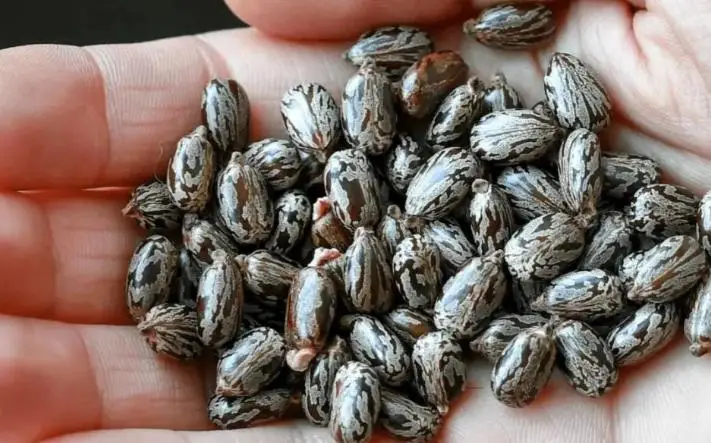
In everyday life, there is only one real risk, the seeds of ricin. Just shut up. Nothing。
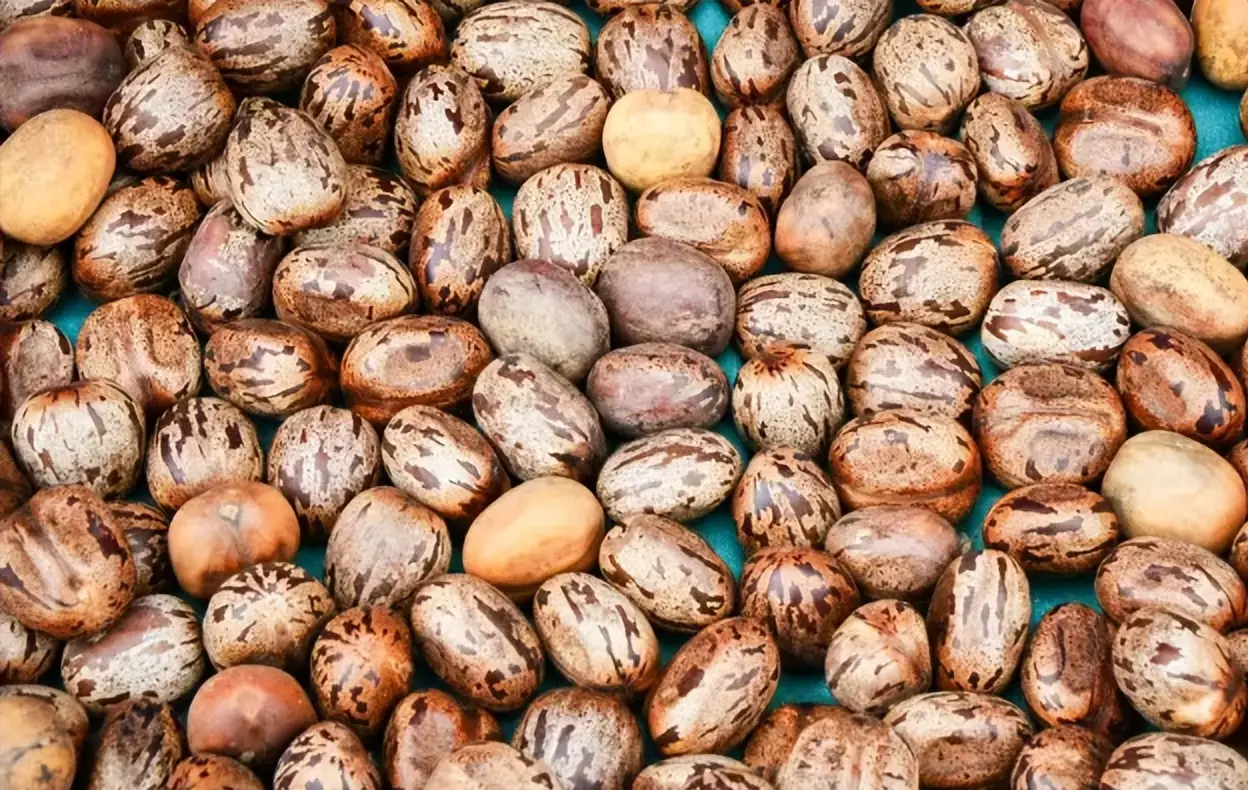
Kids are curious to see seeds with flowers, so they can't enter their mouths. If we look at this and place the seed where the child cannot reach, we can avoid the risk altogether。
The crop itself is not good or bad; the toxin is its natural self-protection mechanism, and what human beings do is understand its attributes, respect its norms and then safely exploit its value。
Long-term dependence on imports from india alone has indeed led to significant supply chain problems. Price volatility and supply stability are not in their hands. However, this issue has been put on the table。
In 2025, the ministry of agriculture and rural development officially included ricin in the special oil production and capacity enhancement programme, and the ministry of industry and communications included it in the list of new strategic materials. Policies, financing and technology packages are being followed up comprehensively, from plant subsidies to research and development support。
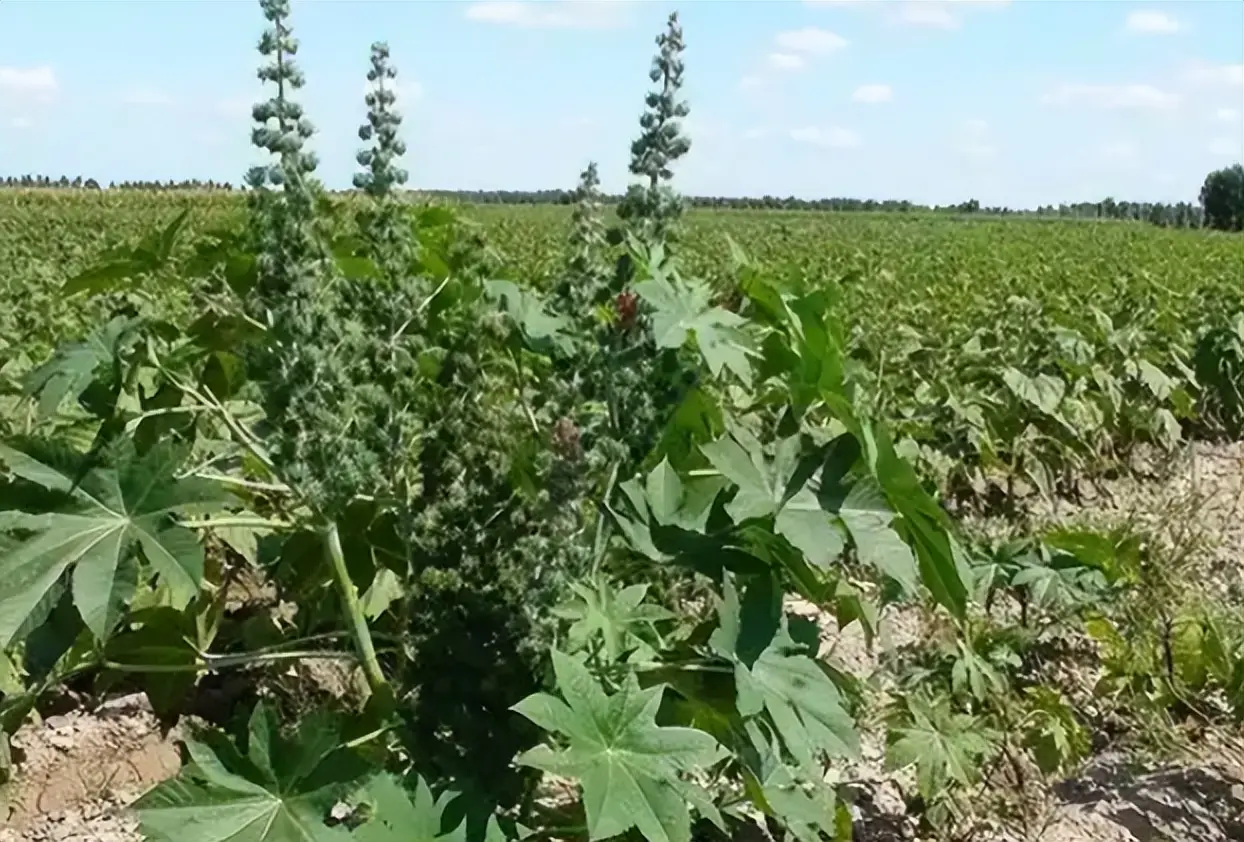
Scientific teams have produced new varieties of dwarfed, drought-resistant and saline-resistant plants, with a significantly reduced level of plant cultivation, mechanized harvests, cutting down the most labour-intensive links in the past and lowering planting costs. The salin wastelands in xinjiang, inner mongolia and other areas have become core planting areas, where food is not suitable for planting ricin, which does not crowd out the main cropland, and where idle land can be used to raise incomes for farmers。
More crucial is the breakthrough in biotechnology. Genetic editing techniques have produced improved varieties with low toxic and high production levels, significantly reduced toxin content and steadily increased fuel output, taking into account both safety and production dimensions。
According to industry reports issued in 2026 by the national centre for joint local engineering research on the use of ricin chemicals, the extent of ricin cultivation in the country has stabilized at a million acre level, increasing the rate of self-sufficiency of raw materials to 65 per cent, a significant leap from previous years。
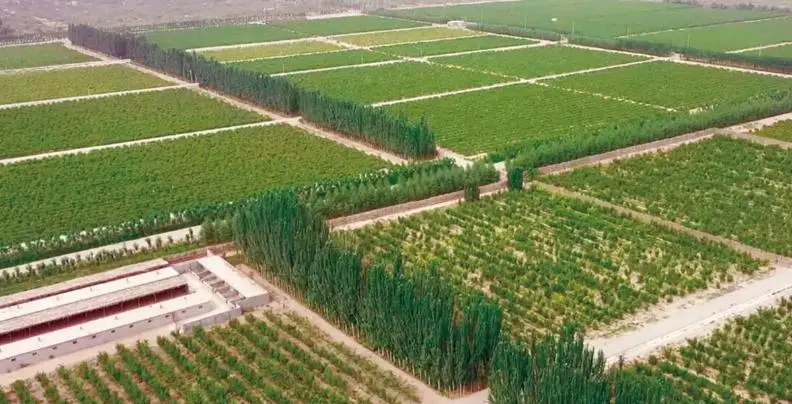
Industrial chains from raw materials cultivation, oil extraction to deep processing are gradually being formed, and alassin and others have landed in the whole industrial chain project to specialize in high-end ricin materials。
Small, once neglected crops are now the key to industrial breakthroughs. Shortboards are being completed and the direction of industrial recovery is clear. A complete exit from import dependence will require sustained investment and time accumulation, but this goal is no longer remote。
How long will it take for us to achieve full ownership of the supply of ricin materials in the light of current progress









