


Nama(ricinus communis l.) is the ricin. A year or years of gross grass or grass bush as high as 5 metres. It's always frost. Leaves are born into each other, in a near circle, in a palm fracture, in an osteoporosis or in a long circle, with sawn teeth; leaves are thick, up to 40 centimetres, in mid-empty, in the form of a shield, with a two-discrete gland at the top, in the form of a gland, in the form of a tether, in the form of a long triangle, and live and fall early. Females and males are the same, with no petals, with no florist; the total or cone is the top of the line, followed by the leaves, the male is the lower part of the line, the female is the female is the upper part, and all have the same species; the flowers are long, the flower 2 room, the pharmacy is near the sphere, and separate. Female pellets 5; sub-rooms with a soft or no thorn, 3 rooms with 1 embryo per room, 3 luminaries, 2 fractures on the top, and hairs in the form of secret nipples. Pyramid or near-ball, soft or smooth. Seed ellipses, 1-1. 8 cm long, smooth, light brown or grey stripes, emulsions; large seeding. It takes years or june-september。
It is produced in eastern africa, is warm, radiant and drought-resistant and requires sufficient light and heat during its growth cycle. From seedlings to maturity, effective temperatures above 2,300°c and greater than 10°c are required and can grow over the years under tropical or subtropical climates12. With the exception of the western, north-western high cold or desert areas, most provinces and districts in china are growing。
Plum is a fast-growing plant capable of reaching a larger size in a short period of time. Its leaves are large and hand-held, helping to capture sunlight for light cooperation. This large blade is an expression of the adaptation of ricin to tropical and subtropical environments. The tubing will gradually become woody as it grows in support of its larger size and blades. The ricin breeds mainly through seeds. The seed is oily, extracts smelt oil for industrial use and is used as a sedative. Seeds are toxic, not edible 1。
Form characteristics
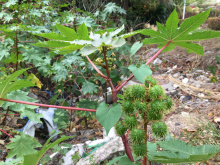
A year of thick grass or grass bush as high as 5 m; small branches, leaves and bouquets are usually frosted and sapy. The lobe contours are close to the circle, 40 cm or greater in length and width, the palms are broken 7-11, the cracks are almost central, the ovulations are long or pins, the top is sharp or lean, and the edges are sawned. The web veins are visible; the leaves are thick, medium, and can be as long as 40 cm; the top end is two plate gland bodies, the base is a plate gland; and the toy triangle is 2-3 cm long and falls early。
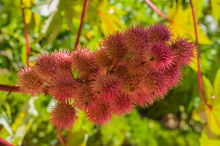
The total or cone sequence is 15-30 cm or longer; the broad pelvis triangle, the membrane, falls early; the male: the pelvis ovary triangle, 7-10 mm long; the male beams are numerous; the female: the pelvis ovary occult shape, 5-8 mm long, falls; the ovary ovary form, approximately 5 mm in diameter, stifling or impervious, the flower column red, approximately 4 mm long, the top 2 fractures, and the contusion of the raw nip。
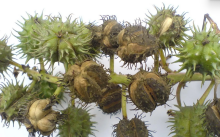
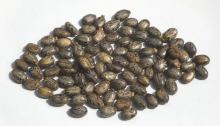
Pyramid or near-spherical, 1. 5 - 2. 5 cm long, soft or smooth, seed elliptical, slightly flat, 8-18 mm long, smooth, light brown or grey, and large seed. Periods of years or june-september 5.
Growing environment
It adapts to a wide range of climates, warm and sunlight-rich environments, heat-resistant, infertile, soil-resilient, and growing 15-26°c. The ricin is warm and sensitive to the cold, and when the temperature is high, it grows and thrives more rapidly, the fruit matures faster and the yield is higher. The ricin is adaptable, resistant to saline, growing fast, and does not pick habitat. It is resistant to drought and has deep and wide roots, enabling plants to absorb moisture from the depths of the soil and withstand drought conditions that other conventional crops cannot withstand。
Distribution
Since its origin was kenya or somalia in north-eastern africa, or ethiopia in africa, it has gradually been introduced into asia, europe and so forth as a result of human activities. Currently, it is grown in countries with tropical to warm temperate zones and, more specifically, in countries between 52° n and 40° s。
China is not a country of origin, but because of industrial needs, china is already in the forefront of the world's ricin cultivation, which is grown in most parts of the country. South china, north to heilong river, has been planted in artificially grown areas of ricin, the main of which are in inner mongolia and jilin. At present, wild communities also exist along villages in the south-west and south-west of china。
Major species
High production, oil and pest resistance are the main targets of ricin breeding. In tropical areas with long-term short-lived or annual replanting crops, early ripening is an important feature of ricin. The negative correlation between pre-maturity and production is a major obstacle to the development of very early-maturity varieties. Cultivation of adaptive machinery to harvest ricin is also an important breeding goal. The seeds selected and widely grown are: (a) the shandong zibo series, which is made of pyrotechnics and pyrotechnics made of pyro-crystals by their parents. The hybrid species are highly productive, stable, of high quality, large, strong and adaptable, and are suitable to be replicated across the region north of the yangtze. (2) the inner mongolia general generalization series, no. 6 is a parent book of the tetra-lmab4 and the green tower is a mixture of pre-literated ricin species of the two parent-selected families with high yields, high oil-bearing rates, high drought resistance, low fertility, salin resistance, high disease resistance and high adaptability. It is appropriate to promote applications in the north-east, north-west and north-west regions of china. (3) in addition, there are mixed species such as the french csr series, thailand and yunnan variety. Csr-6. 181, csr-6. 190, csr-63. 268 and thailand 202 et al。
It's 5 meters tall, it's dry, it's foliage, it's big, it's good gardeningValueI don't know. The ricin varieties used to watch the cultivation are: ricinus communis 'impala', ricinus communis'sanguineus', and ricinus communis ' bright red'。
It's a training technique
The ricin is highly adaptable and can be cultivated in all forms of soil, with sporadic cultivation taking place by the side of the ditch, in the empty areas behind the house, and on the hillside. When planted, the soil is fertilized four to six weeks before seeding, as is the case for sporadic cultivation, which is dug into a hole of 35 centimetres deep and wide. Due to the fear of water stains, if planted in low-lying areas, the floor is to be converted into a stand and the compartments are to open drains. Cultivation of ricin in the wastelands and conversion of slopes into trajectories to preserve soil from erosion and to facilitate management and harvesting. The steep slopes above 25 degrees are suitable for cultivation. In order to achieve high yield, the land is chosen for the good discharge of the land; the front crop is suitable for the grasses, the mouths of the sunflowers and the heavy ones. Eleven
Seed processing
Before seeding, two or three days of sunbath, two or three days of sunbathing, and rolling seeds. The sun-tan stimulates the skin, promotes the activity of the seed enzymes, reduces the moisture of the seed and increases the growth and growth rate of 12. Before seeding, seeds are immersed 24 hours later in warm water of 40-50°c and buried in wet sand, usually germinate 5-7 days before they can be sowed. Lately soaked seed can be used for 48 hours with hot water so as to soften the case and the seed grains can absorb the moisture in order to speed up the seed sprouts, which can be sowed in a timely manner, and which can be sprung in a timely manner, until a portion of the seed sows。
Fine seeding
The ricin seed starts to sprout at 10°c, 15-20°c is the most suitable lumber temperature, and it can produce five in about 15 days. It is common for ricin to sow in “shock” to “lysummer”. Some provinces in south and south-west china were planted earlier, while others in east and north china were generally in april and may. In the south-west, seeds can be planted in the spring, summer and autumn seasons, and in the south-western tropical regions in winter。
The seeding methods are live and transplanted. Live coverage of 2-3 seed seeds per nest, with particles at a distance of 3-5 cm and gus at 2-3 cm thick. The planters are selected for the backwind, a more convenient water source, and a more fertile or sandy soil, which is to be fertilized to a depth of 1 metre wide, then sowed, watered and planted. When the soil is grown from 3 to 4 real leaves, it can be moved with mud. Then you have to water the roots. Then watered every three to five days until the end of life. The density is generally 1. 7 to 2 metres and the acreage is about 160; the saplings are suitable for a slightly more dense order of 200 to 250. Crude slopes and slow slopes can also be grown in a slightly more dense manner。
Shrimp management
It's three to four saplings, two in each den. At the time of the five to six leafs, a seedling was planted together, leaving a seedling in each den. In the event of a shortage of seedlings, healthy seedlings are selected to fill the gap, and if the shortage is larger, seedlings can be stimulated. The first was combined with the seedlings, followed by every 15-20 d per year, with 3-4 strokes throughout the reproductive period, ending before the flowering. The ricin plant is large, and in the event of water or stormy weather attention should be paid to the field so as to prevent the fallout and to facilitate drainage, which can be combined with farming, weeding, fertilization, ditch cleaning, etc. In the event of a fall, you need to get it right and get it right。
Weed cultivation in china
In the aftermath of the heavy rains, it is necessary to make a timely effort to plough, to improve soil permeability, and to placate the ligen. Usually till three or four times before the ban, till about 12 centimetres deep, combine with weeding, and grow the soil to the roots, as appropriate, in case of a fall 12。
Fertilizer water management
Due to the high fertility of ricin, nitrogen fattening is required for the preceding period and is dominated by potassium phosphate fertilizer after flowering. Therefore, mixed grass-wood ash, such as compost or dirt, should be used more as base fertilizer. Fertilizer methods: large areas of cultivation can be fertilized by fertilizing ditches or by applying two composts in each nest to cover the ground and sow the soil; small areas of cultivation can be fertilized with grass-grain. Small human and animal urine is used during seedlings. In the case of cultivation of wasteland, soybeans and peanuts can be grown between the soybeans after seeding. Upon entering the bouquet period in mid-june, the demand for fertilizers increased and should be followed up in a timely manner, as the whole tubal bouquets formed the juvenile fruit, with urea being applied from 8 to 10 kg per acre and potassium fat from 4 to 5 kg. When you're mature, you're going to be able to use 5-7 kg of urea per acre for ricin, and you're going to be able to use 15-kg of hydrogen carbonate to dig up 5-10 cm deep between ricin, in case the ricin falls early. The fruit, which promotes the graze of late fruit, increases the grain weight and improves the quality. In the event of drought, water should be properly watered, isolated, water quantity controlled, ploughed in a timely manner, long and in a timely manner, and drained in the event of flooding. 14。
Disease control
1. Decay, which is a fungal disease, is transmitted through seeds, soils, irrigated water, insects, nematodes, agricultural tools, etc., by myceloids and thick tectonics over the soil and diseased leaves. The disease is severe under conditions of high temperature, high humidity, low-lying terrain, poor drainage and soil adhesion。
Method of prevention: sterilization of seeds; soil disinfection with raw lime prior to sowing; rooting with 500 times more than 50% m. Vibrin or 50% m. Tobuzin wet powder。
2. Powder disease, which, if it occurs, removes the strain, burns or deep-seated source in a timely manner。
Methods of prevention: 1,000 times methyl tobuzin, 800 times more than 50% more than 10 to 15 days of spray, three to four times more. It may also be used for 25 per cent of a thousand times the voltage spray at intervals of 7 to 10 days, with 2 to 3 continuous sprays or with 1 to 120 times the voltage spray。
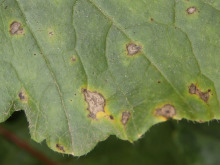
3. Black spots, gills and fruit ears. Serious combinations cause death of leaves. The fruit ears get black and rot。
Method of response: rotation for more than three years. Locally appropriate breeding and planting of resistant varieties, combined with new high-fat membranes for seed treatment, can effectively isolate viral infections, do not affect pre-espiration, enhance breathing intensity and increase seed gerontization. Strengthen field management. Plantation is scheduled to avoid peak periods of development. Science fertilizes, increases organic fertilizers and improves disease resistance; and in flowering, plumbing and bulging seasons, fruit-bearing tiring can be strong, pollination quality enhanced, fruit growth promoted and high-quality commodities increased. Reasonable irrigation, timely drainage after rain, reduction of field humidity; timely deep tillage after harvest, removal of pathologies in the field and reduction of the source of bacteria in the coming years. When necessary, specific drugs can be sprayed with new high-fat membranes。
4. The main pests of ricin are: moths, moths, moths, gold turtles, mites, tigers, etc., and 75 per cent of the pharmacological treatment can be administered with an emulsion 1000 times or 800 times trichlorfon 90 per cent, and 800 to 1,000 times solute spray. The diaphragm is sprayed with 25% vermin 400-500 times and dicofulant 1000-1500 times solution. The treatment of tigers can be booby-trapped: insects use black light and larvae use bait. If the leaf is fed, care is taken about the type of medicine and the time of the spray。
Main valueValue of medicines
The ricin has important medicinal value, and its seeds, leaves and roots are available. In ancient chinese medical records, such as tangmotograss and this grass-next, the value of the ricin has been documented: “the demurrage of tangibles can be derived from the birth of a child, from the mother's clothing, from the bones, from the blood of a scavenger”. It has been documented that aluminum and its extracts are capable of abating swelling, sepsis, detoxification, leaching, insecticidal, itching, painkilling, intestine, treatment of wind and aerobic headaches, strokes, uterus drops, anal discomforts, stomach prolapse, obstructed labour, burns, freckles, rashes, rheumatism, bruises, tetanus, etc. The ricin contains ricin protein and lysin, especially the former, which can cause poisoning. Children aged 4-7 years can be poisoned and killed by two to seven ricin. Twenty of them are fatal for adults. Two grains of ricin produced in africa can kill adults, only one for a baby, but there are also those reported to recover after 24. The ricin protein may be a protein decomposition enzyme that causes death in adults by 7 mg. Symptoms of ricin poisoning include headaches, gastrointestinal inflammation, warmth of body temperature, increase in white cells, movement of blood elephants to the left, no urine, yellow sluice, cold sweat, frequent spasms, cardiac atrophy: symptoms of poisoning often have a longer period of incubation. The ricin protein causes acute intoxication in rats, mainly in the liver and kidneys, causing carbohydrate metabolic disorders, and condensate in ricin. The seeds of ricin and the leaves contain toxins. The toxin content in seed is 2. 8 ~3. 0 per cent, in young leaves 0. 7 ~ 1. 0 per cent and in dry leaves 3. 3 per cent. The ricin toxin is widely used as a pharmaceutical and biological pesticide because of its function to inhibit protein synthesis and its high cytotoxicity。
Plant insecticides made of ricin seeds, roots, roots and leaves have good insecticidal effects. (b) the toxic effects of ricin to powdered lice, green bean larvae, japanese gold turtles, weed mackerel, fleas, flies, mosquitoes, lice, locusts, etc., have been studied; and ricin has a lethal effect on the sky caterpillar, peach mackerel and moths; ethylene ethanol extracts have a strong evasive effect on food storage pests such as rusty valley larvae and pildy valley vermin; 0. 5 kg of ricin leaves added to water by 3 kg, 30 min filtration, which can kill maggots and thorium by pouring them into sewers or dung tanks; leaf is crushed into powder, mixed into 20 times the amount of soil fertilizer, and applied to the soil, with good effect on the control of underground pests such as tigers。
Triple is also used in clinical applications. Treatment of epilepsy: rhesus root (red rotter) 2 taels, eggs 1-2, black vinegar appropriate. The eggs are boiled and then placed in black vinegar and ricin. One dose per day for several days. According to 38 cases, half of the cases have had recent effects. Some of the medications stopped on 3 days. Treatment of neonatal tetanus: 1. 52 per day with red ricin, 45 ml with water and 3 sessions with clothing; 0. 7 ml with heartline, 2 times per day with muscle injection. The heavier cases were supplemented by tetanus anti-toxin injections of 12,000 units. After 10 cases of treatment, 8 cases of cure (normal body temperature, no convulsions, breast milk) and 2 deaths. Toxic effects and severe side effects were not observed, with only an increase in the number of cases of defecation。
In addition, the use of red ricin inoculation fluids (three to five grams per ml) for irritation or convulsion caused by paediatric bronchial pneumonia, encephalitis, etc., has had some effect and no side effects on children between the ages of 1-2 years, i. E., three milligrams per dose of myocardial fluids (which can be applied multiple). It also treats chronic bronchitis, extracts ricin and cuts the water. One dose a day, 10 days a treatment。
Industrial value
The ricin is an important industrial oil crop with close ties to the country's population. The oil-bearing rate for ricin seeds is 46 ~56 per cent and the oil-bearing rate for seeds is over 70 per cent. The ricin oils contain ricin acids, oilic acids, sub-oilic acids, hard lipid acids, glycerine, etc. Of which the content of ricin is approximately 82. The ricin seed oil is high in viscosity, has low condensation, is both cold and hot, is not frozen at 8 ~ 10 °c, is not condensed and variable at 500 ~ 600 °c and has characteristics that are beyond the reach of other greases. For the chemical, light, metallurgy, electromechanical, textile, printing, dye and other essential materials of industry and medicine. Surface active agents, fatty glycerine, fat diol, dry oil, dioxidants, polymer stabilizers and plasticizers, foams and flexible rubber can be produced. It's also advanced lubricant material. It can also be used as a pharmaceutical and has a slow laxative effect. Bread powder is rich in nitrogen, phosphorus and potassium, which are good organic fertilizers and feed after detoxification at high temperatures. Tube is rich in fibres and used as paper and artificial cotton materials。
Size of industry
Cumber cultivation has reached industrialization in more than 30 countries around the world. Countries such as india, china, brazil, the former soviet union, thailand, ethiopia and the philippines account for approximately 88 per cent of the world total production of ricin. Historically, brazil, china and india have been major producers in meeting global demand. However, in the early 1990s, brazilian farmers moved away from planting ricin to more profitable plants, and the surge in domestic demand in china made china a net importer, with india meeting worldwide demand for ricin. Global production of ricin is about 500,000-550,000 tons per year, of which india accounts for more than half. The global trade in ricin averages about 300,000 tons per year, with the major consumer countries being the eu, the united states and japan. China and india are also growing very rapidly, becoming major consumers. As a major producer and exporter, india plays an important role in the global ricin operations. Leprosy oil and its derivatives are widely used in france, germany, the united kingdom, the united states, australia, japan, china and india。
Value
There is a certain value in the fruit spherical form of yip, with a small number of applications in the garden, a lot of them planted in grasslands, walls, and viewing by the road。
The ricin has a good saline-resistant, metal-resistant coercive character and can grow normally under relatively poor conditions, with extremely high application value in areas such as soil and water conservation and soil restoration. Emerald cultivation on salted soil can effectively reduce soil evaporation and inhibit soil re-salinization. The ricin is an effective adsorption of heavy metal elements such as cadmium and copper and has good ecological restoration of soil contaminated with heavy metals. 20。
Toxicity of species
The residues of ricin seeds and oil extraction have long been proven to be highly toxic to animals and insects. Seeds containing ricin protein and alkaline cause poisoning if they are overfed (2-7 in children and about 20 in adults). Studies have shown that ricin was used as an arrow poison as far back as 22000 bc. The 19th century scholars have extracted from ricin seeds a substance that has a strong condensation effect on red cells, that is, ricin protein, also known as external sources of condensation. There is no effective cure for ricin poisoning。
Ecological hazards
The ricin has become a dangerous invasive species in many places through its rapid growth and high intensity adaptation to different environments. In many countries, particularly in the tropics, plumes have overshadowed native plant communities and have had a relatively serious negative impact on biodiversity. Studies have shown that invasive permites have had a negative impact on the composition, abundance, diversity and resilience of the atlantic forest areas. Weed risk assessments in areas such as the united states and the caribbean indicate that the high invasion potential of ricin has prevented its use as a bioenergy crop。









