


Artemisine, a common vegetable, is also known as artemisinin. Artemisynthetic cold weather, intolerant of high temperatures, growing at about 20°c, slow growth below 12°c and poor growth above 29°c. Let's see what we'll do with the trachea。
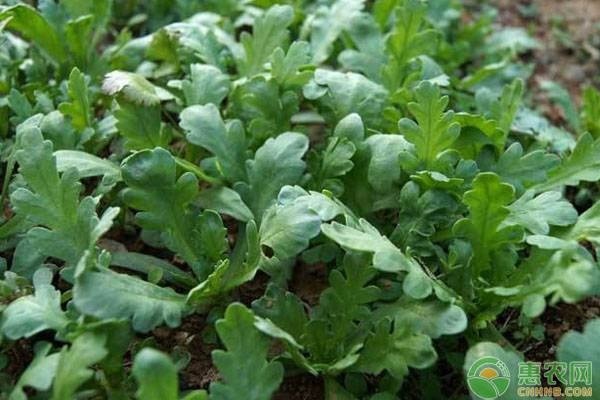
1. Soil selection
Artemisium is not very demanding for soil, but is suitable for sandy soil, requiring soil fertility, organic abundance, easy irrigation and drainage, good water fertility protection and better micro-acid soil. At the same time, connections with the hernia-vegetable crops should be avoided。
2. Fertilizing the whole area
The selection of land is followed by tilling and application of sufficient base fat, usually based on organic fertilizers, such as decomposed dry or farm fat, which can be between 1,500 kg and 2,000 kg per acre. At the same time, appropriate levels of compound fertilizers or fertilizers such as ammonium phosphate may be added to provide sufficient nutrients。
3. Seed treatment
Seed treatment is available prior to seeding in order to increase gerontization and seeding alignment. Seeds are immersed in warm water for about 24 hours, then they are taken out and then laid in a 15-20°c seedling, which can be planted when the seeds are white。
Time of seeding
Artemisynthesis is usually cultivated in the spring and autumn seasons, and can be planted in the spring in february and april, and in the autumn in august and november. Before seeding, it is necessary to ensure that the soil has a moderate water content and that if the soil is dry it is watered。
5. Sowing methods
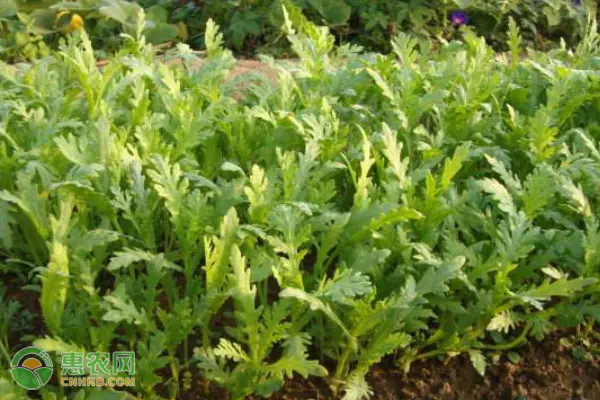
It can be broadcast or broadcast in both ways. And when it is so dispersed, the seed shall be evenly distributed into the face of the twilight, then it shall pass over it with its tools, and it shall be covered with a thin layer of soil, which shall not be too thick for the seedlings to come forth. At the time of the broadcast, the gutter was cut ahead of time at a depth of 23 centimetres and 10-15 centimetres, spreading the seeds evenly along the gutter, and eventually the soil。
6. Slender weeding
When a seedling grows to have two to three real leaves, it should be formed and weeds should be uprooted. The seedlings sowed shall keep the plant at a suitable distance, which shall be at a distance of 34 cm。
7. Water-water management
Artemisium is not free of water during its growth and soil should be kept wet. However, in the rainy season, artemisinin seeded should be managed to prevent sudden fallout when seedlings are fresh. In the future, the fields should be kept regularly humid, rain-proof and flood-proof, and water accumulation should be eliminated。
Fertilizer management
The pursuit of fat is dominated by fast-acting nitrogen fertilizer, which usually starts when the seed is 10-12 cm high and uses urea 20-25 kg per acre. The same amount of fertilizer is followed for each subsequent harvest。
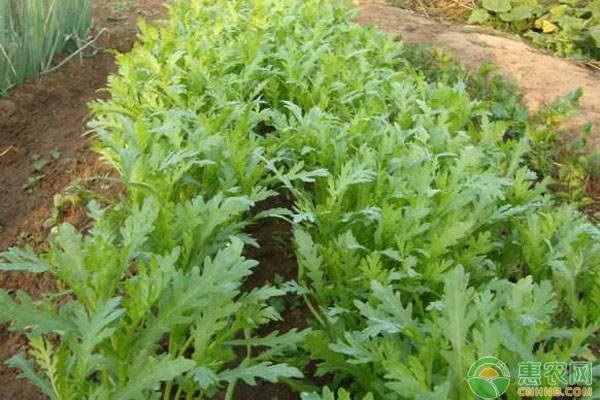
The above is the method of growing artemisinins, which are usually produced for 40 to 50 days and can be harvested with 12 to 13 real leaves when they are up to 20 cm. If multiple harvests are to be made, a knife may be used to leave 2-3 cm in the base of the main tuber, and the cut leaves may be bound to 0. 5 kg of small saps. After cutting, water is poured and can be collected again in a month。
You may be interested in and welcome to the following recommendations of the network:。









