


Artemis is a nutritious green vegetable, which is very good, both in a hot pot and in cooking. Artemisynthetic nutrients are very rich and have the effect of spleen stomachs, condensation, serobics, heart feeding, pulmonary eugenication, fattening, fattening, pressure relief, digestion and sleeping. So when's the best time to sowPlantation pointLet's take a look at it with j。
I. When is the best planting time?
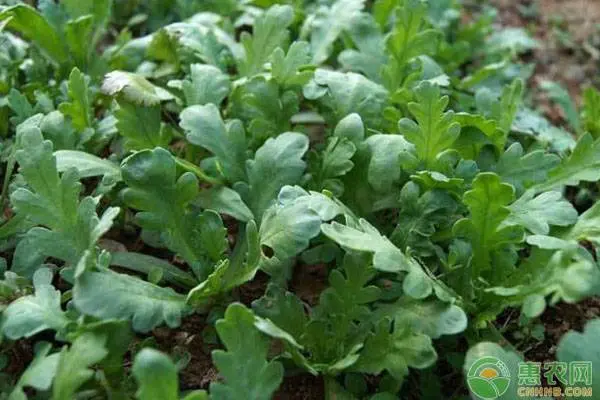
Artemisin generally begins to grow in the spring and in the autumn of each year, but some areas are also growing in the winters because of its nutritional value and unique taste. In general, planting takes place in the spring around february-may, and in the autumn it is chosen around july-september. Because it has a special taste, which the insects do not like, it is also a healthier green vegetable without pests。
Ii. Elements of actors
Methods of cultivation
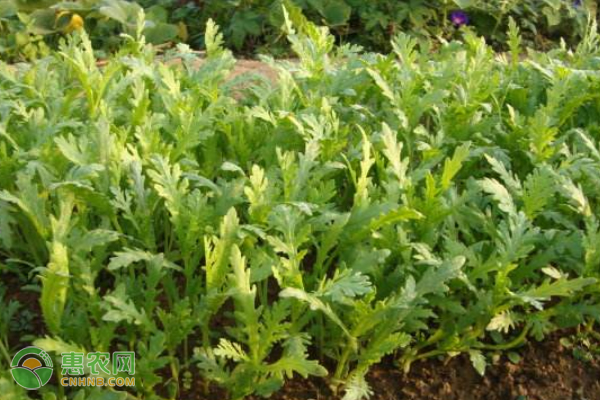
The most common method of growing artemisinin is live broadcasting, i. E. Direct cultivation at a certain density in the soil, usually 3-4 artemisinins per 20 centimetres. The second is the direct use of seeds for planting, which need to be soaked in warm water for 7-12 hours before planting, which can be spread evenly in the field after drying in the cool air, and then a thin layer of seed*, which can be filled with water。
The seeding is done in such a way as to keep the ground humid so as to facilitate the production of seedlings, sowing water at a height of three centimetres, pouring water two to three times throughout the reproductive period and preventing them from being wet。
Active long-term fattening is dominated by quick-impact water-solved fattening, with a combination of water and acres that can be used for profit or 10-12 kg of potassium. Every harvest is followed by a timely fat hunt. Each acre can be used to make profits of about 10-15 kg with cammy, or around 3-5 kg with carmiche, based on hard-working fertilizer. However, growers should be aware that the next harvest should take longer than 7 to 10 days from the last fertilization to ensure the quality of artemisinin collection。
3. Weed removal
There is a need to pay attention to weeds in the field during the growth of artemisinin, and weeds need to be removed in a timely manner to avoid competition for nutrients。
4. Disease control
The land can be ploughed before artemisinin is grown so that winters of disease and pests can be avoided, so that the roots of artemisinin can be avoided. However, there is still a need to strengthen management during planting, where appropriate levels of potassium phosphorus fat can be applied to fertilise, which can increase artesian resistance。
Collection
Artemisic harvesting consists of one-time and phased harvesting. The average one-time harvest is about 40 to 50 days after the seeding of the artemisinin, which can be harvested on the ground when it grows to about 20 cm. The phased harvest, on the other hand, allows for the retention of one or two side branches for harvesting, usually every 20-30 days。
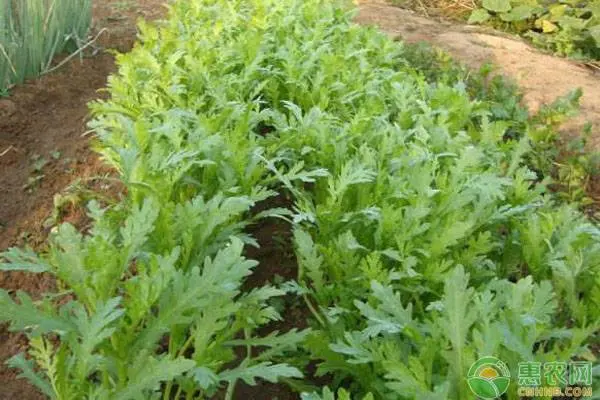
That's what i'm talking aboutSeed timeAnd by the way, artemisinin is a semi-cool-resistant vegetable, a cold, wet climate, less demanding for light and weaker. Friends who want to grow artesian are able to master more than one planting time and method, to manage science, and to catch up in time to achieve high productivity。
AboutArtemisic cultivationYou may be interested in the content of the recommendations below。









