


1Plantation timeFebruary-may and july-september are suitable for the cultivation of artemisinin。
2. Seed selection: two hours of drying of healthy, full-saturated artemisinin seeds, with seedlings, which are sprayed daily for three to five days。
3 soil formulation: plantation by earth: corroded soil: pond mud = 3:2:1 ratio, mixed into organic fertilizers。
Cultivation management: seeding is done on a strip-and-steal basis, with the planting followed by soil cover and watering, followed by ventilation, heating and fatting。
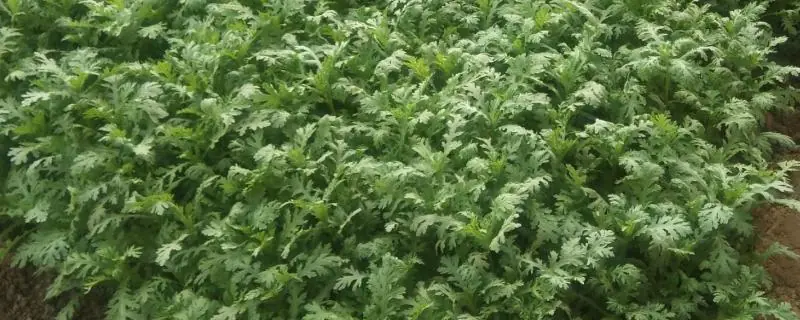
It is usually best in february-may in the spring, it can be practiced in july-september in the autumn, and it is best to sow late, and it is best in april-may in the spring, or in august-september in the autumn。
In order to grow artemisinin, healthy and full seeds are generally chosen for planting, followed by seed management after two hours of drying and watering, with three to five days of seeding。
Artemisin prefers a fertile soil with a perturbable permeability, usually mixed with garden soil, corroded soil, pond mud at a ratio of 3:2:1 and then applied a small amount of organic fertilizer as a matrix, which can be poured into a small amount of moisture。
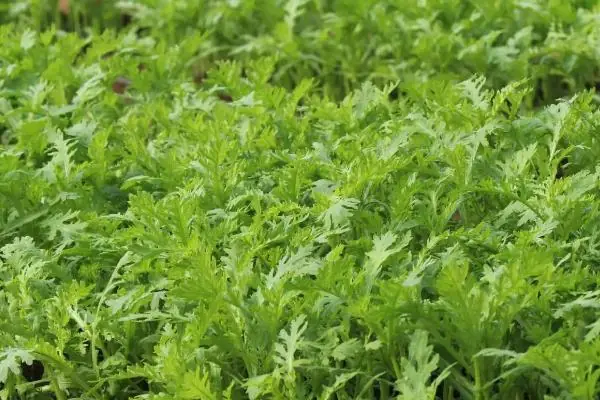
Artemisynthetic seeding can be sowed and taped, seeded with thin ground, light pressured, and at a distance of about 10 cm, planted with a small amount of moisture and the best ventilation。
Artificial artesian growth is at 17°c-20°c, preferably in the early spring, with a plastic membrane on the surface, until the weather warms and the film is removed, and when the temperature exceeds 25°c, the ventilation around it is enhanced。
Artemisin seedlings begin to water when soil is released, usually so that soil is wet and urea solution is added every 25 days and a proper amount of potassium nitrogen phosphorus is applied every other month。
When the sapling grows to 10 cm, it is generally grown separately, with a distance of 3 to 5 cm, keeping in mind that weeds above the soil can be cleaned in a timely manner and the environment maintained for good conservation。
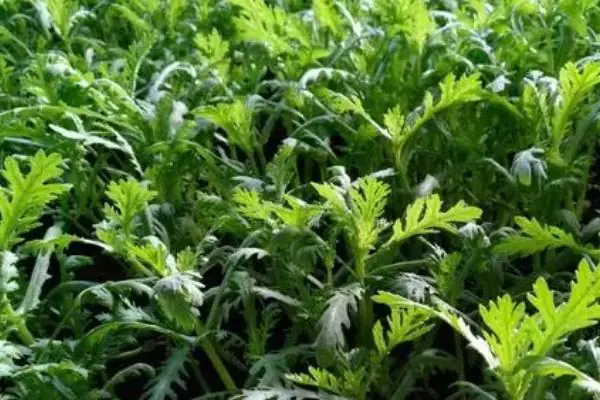
1. Artemism is a long cut, usually repeated after a month, but if the roots of artesynthesis are dead, they cannot be prolonged. The first to 20 cm can be harvested in such a way that the basics must retain two to three leaves and choose a deep green leaf to harvest, so that they feel better。
2. Artemisin, which has a relatively high plant density, can be harvested in its entirety once its buds appear or removed from its roots. The harvest is followed by the harvesting of large seedlings, which can be collected between harvests, and by the growth of the small seedlings. By the time it's about 25 cm tall, two leaves can be left in the stem to remove the upper part. Usually, the sprouts grow in the back of the harvest. Artemisic branches, which grow up in small areas and leave behind one to two leaves of the base, so that regenerative branches continue to grow。
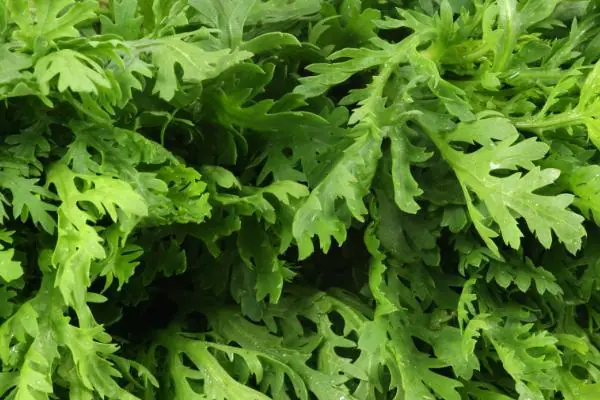
Artemisin farming methods generally choose to sow, and can also breed seedlings and then transfer them. It is sowing its seeds on the soil, then covering them with the soil and watering it with water. This method is usually used to produce seedlings after five days, and artemisinins are suitable for growth at temperatures around 17°c and are very slow to grow in particularly cold bad conditions. In spring, it usually turns out to be spring cold, and if the temperature is lower then it usually lasts about two months。









