


Tea is a tea section, often green. Seeds can be used to extract oil, extract tea seeds, which are good-quality edible oils, fragrance and nutrients, as well as industrial uses such as lubricating oils and rustproof oils. Tea cakes are both a pesticide and a fertilizer, improving farm water storage capacity and combating rice field pests. Vegetables are the raw material for the gel. The following is an introduction to the high production of oil and tea。
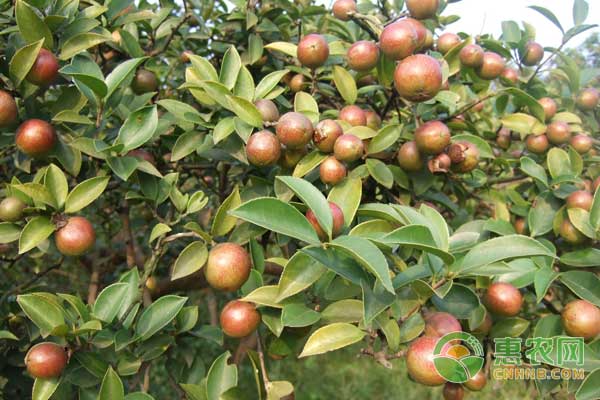
1. Selection of afforestation land
In low hills and hill plains below 500 metres above sea level, oil tea is grown in areas with sufficient sunlight, slopes below 25°, thick and fertile soil, and well drained acid soils。
Land as a whole
(1) land as a whole
1 envelopment: 50 cm long and 50 cm wide and 40 cm deep, with an inner height of 2 m wide, and a hole with a fixed distance。
2 caves: caves are dug at a distance of 50 cm x 40 cm at range。
(2) density: 107-167 units per acre, i. E. A range of 2. 3 x 2. 7 metres (7 x 8 feet) or 2 x 2 metres (6 x 6 feet)。
(3) basic fertilizer: appropriate application of garbage fat, straw, mangs, farm fat, 0. 5-1 kg of combined fertilizer per pit of lime or 0. 5-1 kg of phosphorus, 0. 3 kg of potassium fat and 0. 3 kg of nitrogen after digging, and then back to the filling form to fill the den with a bungee for use in afforestation。
Afforestation
(1) the selection of seedlings: it is generally chosen to adopt good and non-sexist seedlings. The quality of the trees requires strong growth, free from pests and diseases. Saplings are higher than 30 cm in two years, have a diameter greater than 0. 3 cm in one year, have a height higher than 15 cm in one year and have a diameter greater than 0. 15 cm in one year。
(2) afforestation season: it is desirable to wet the soil between early february and early march。
(3) afforestation method: plantation of seedlings in a den spreads the roots of the seedlings, lays them on the ground, then lays a layer of pine soil at depths of 1-3 cm above the root of the tree。
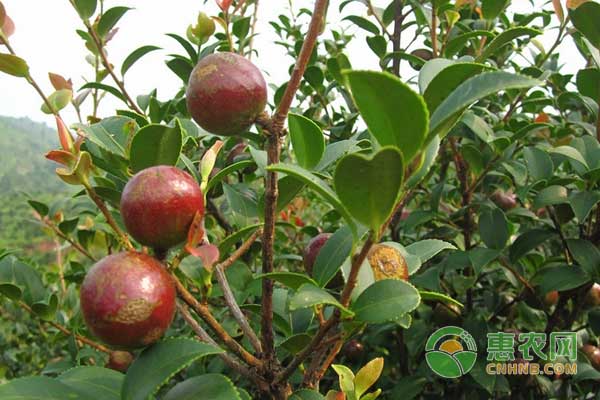
4. Care management
(1) care
The first year after afforestation, to protect the root system and ensure that the survival rate is not ploughed, began one to two times a year, in may to june for the first time, and in august to september for the second time, mainly in the fields of pine soil, weeding, earth-breeding and cave-spreading forests, which can be gradually linked through rearing, with a distance of some distance from the mackerel ditch, and can also be used to build fish pits where the soil has been severely eroded。
(2) replant and trim
Shortages and disease strains were detected in a timely manner to replant seedlings at the same age, and management efforts were strengthened to balance the growth of replanted seedlings with those of woodlands。
Integrative shearing, mainly in plastic form, with minor shearing and master control, suitable for 0. 6-0. 5 metres, promotes the growth of the main side technology and creates low-sized natural garden heads and happy tree crowns。
(3) cultivation and fertilization
During the larvae period, green fertilizers, medicinal products, oils, etc. Are grown, with chinese fertilisation as an alternative to rearing, effectively controlling the growth of impregnation and improving the conservation of water in shanghai。
Combine farming to fertilize larvae, increase organic matter and improve soil. Fertilization should be based on organic fertilizer, combining quick and late fertilizer, and organic and inorganic fertilizer. In winter, 10-20 kg per farmer, compound fertilizer is added before spring rises, with the ratio of nitrogen, platinum and potassium at 2:1。
(4) prevention of diseases and pests
Anthrax is the main disease in oil tea, which is dealt with through a combination of camping measures to clear the source of the disease. Second, between july and september, at the peak of the disease, three to four doses of tea with 1 per cent bordeaux and 2 per cent of tea or 50 per cent of more than 500 times more fungus with 800 times more fungible powder。
The main pests for which tea is used are vermin, leaf moths and tea seeds. Tea moths can be booby-trapped with light and 90 per cent of trichlorfon 500 times more liquid can be injected into the larvae. Teaseeds can be sprayed with 90% trichlorfon by hand. In march-april, the vermin was sprayed with 40 per cent oxidated fruit 1,000 times more。
Economic value
Seeds contain more than 30 per cent oil and are used for edible and drying, medicine, candles and soap, and substitutes for machine oil. Oil tea and oil palms, oil olives and coconuts are also known as the world's four woody oily plants. The tea is very highIntegrated utilizationValues, teaseeds contain soap, teaseeds of sugar, teaseeds of protein, all of which are raw materials for chemical, light work, food, feed industrial products, teaseed shells can also be made of tungstens, activated charcoal, etc. The ash washing of teatrees can kill lice, including eggs. Tea trees are thin, dense, heavy and heavy in their hands. They are hard. They are the best materials for gyro, slingshots, and because of their natural texture, they are also advanced materials for high-end wooden buttons。
Value of food
The unsaturated fatty acid content of tea oil is as high as 90 per cent, much higher than vegetable oils, peanut oils and soy oils, twice as high as vitamin e oils, and contains specific biologically active substances such as mountain teas, which have very high nutritional value. Tea shells are also a good edible culture. Studies have shown that oil tea soap is also resistant to bacteria and oxidation。
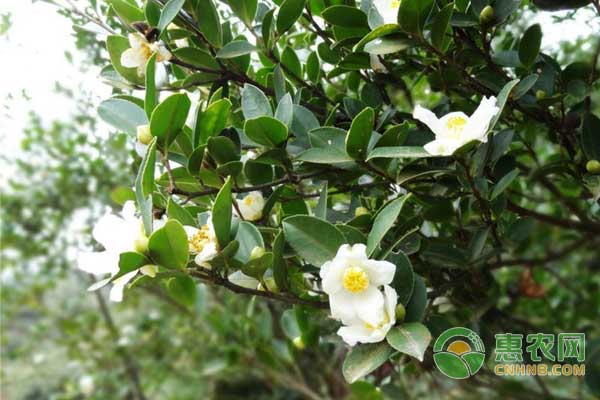
Environmental values
The tea is a good winter honey-fed plant, with a flowering season and extremely rich honey powder from early october to december. Oil tea is also of high application value in biomass energy. At the same time, oil tea is an extremely pollution-resistant tree that is highly resistant to sulphur dioxide, as well as to fluorine and chlorine. Scientific management of oil and tea forests thus has ecological benefits in terms of soil and water conservation, water conservation and climate regulation。
Value of medicines
Functional treatment: antithermal detoxification, active bleeding, pain relief。
Root: used for acute throatitis, stomach pain, sprain。
Tea cakes: external skin aching, leaching liquid snails, killing maggots。
This is..Oil and tea cultivationI hope it will help you learn more about agricultural technology!









