


The oil and tea tree, a tree that mainly produces tea and oil, is widely used and has a long life expectancy, and is therefore of great economic value. In recent years, the cultivation of oil and tea trees has become a hot topic, as people's quest for healthy lives and their appreciation of the value of tea and oil have increased. Next, we're going to explore oil and tea cultivation techniques to help you grow quality oil and tea easily。
I. Suitability of oil and tea for cultivationGeographic context
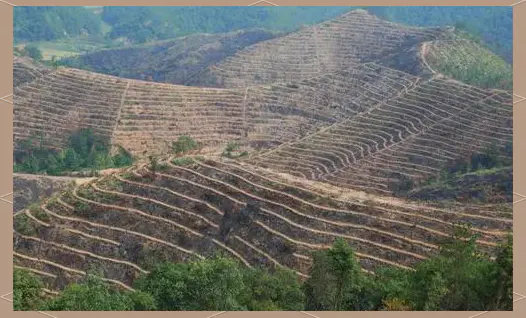
A range of between 5 and 25 degrees is chosen for cultivation in areas with sufficient sunlight and good drainage below 500 metres above sea level. Such a geographical environment would not only benefit the management of oil and tea, but also ensure smooth harvesting when it matures. At the same time, care should be taken to avoid large or too flat slopes to ensure that oil tea can grow healthy。
Oil tea prefers a warm and wet climate, where the most suitable growing soil is perturbed, wet, ventilated, water-preserving, deep, fertile acid or red yellow, with a ph of around 5-6. In such a soil environment, oil and tea can grow well, not only with high yields but also with relatively high oil production rates。
Iii. Complete requirements
Exploit. In flat or slow slopes, the ground can be fully ploughed, i. E. Deep-soiling of 40-80 centimetres, the removal of miscellaneous objects such as stones, roots and so forth, and the tanning of the soil. After that, the rhumping land, with its fixed location, was dug and its depth was controlled at 40-50 cm。
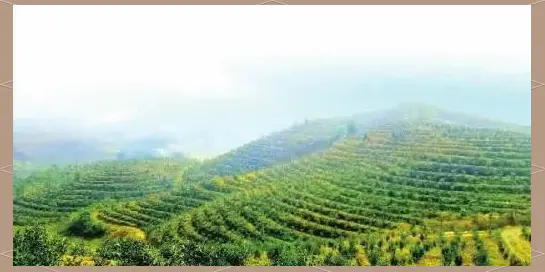
Fuck off. For the larger range, stripping can be used, i. E. Horizontal bands based on pre-set line distances, with inner heights low and bandwidth controlled at 2-3 metres. Under horizontal belts, dig holes at predefined distance fixed points, with the same specifications as total reclamation。
Peaking. In areas with large slopes, the ground should be cleared using cave-crop cultivation. Under the ring-mountain horizontal line, caves are dug in accordance with pre-defined long distances to ensure that their specifications are consistent with total reclamation。
IvOil and tea cultivationDensity
The planting density of oil and tea should be determined by the condition of the ground and the characteristics of the variety. In areas where the soil is thick and mountainous or flat, if a tea with white flower oil is grown, an option of 2. 5 m x 3 m can be used for planting and a type layout (if the bandwidth exceeds 3 m). Such cultivation helps to make full use of land resources and provides a good growth environment for oil and tea. In previous years, a combination of low crops such as soybeans, peanuts, etc. Could also be considered to improve the economic efficiency of the land. Care needs to be taken, however, to avoid planting vine crops so as not to affect the growth of oil tea. In addition, it is important to ensure that sufficient 1 m x 1 m of growth space is left for oil tea to avoid conflicts between crops and young trees over water, fertilizer and sunlight. For areas with lower soil fertility or higher slopes, a reasonable planting density should be determined as appropriate。
V. Distribution of base fertilizer
In order to increase the fertility of the soil, a proper amount of garbage fat, straw, mangill and farm fat is required after the digging has been completed. At the same time, 0. 25 kg of lime and 0. 2 to 0. 3 kg of compound fertilizer are applied to each den. The base weight should be applied in depth and at a distance of about 15 centimetres from the base of the seedling in order to avoid the burning of roots as a result of the application. Finally, it is necessary to ensure that the topsoil is refilled in the den and that the ground is covered to prevent weed growth。
Oil and tea cultivation
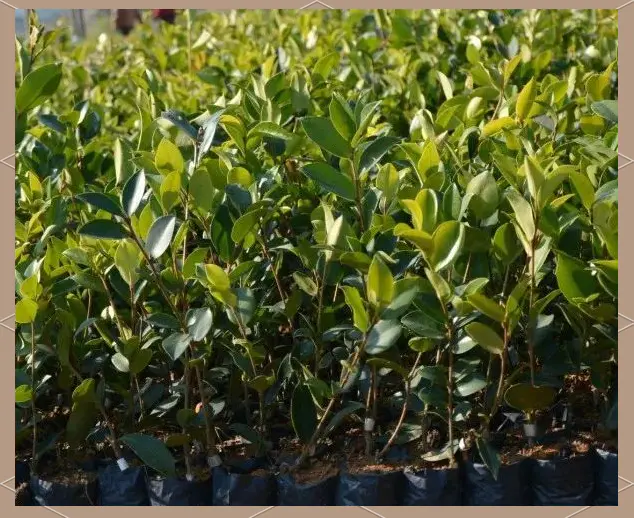
The best time to plant oiled tea usually falls between the end of january and mid-may, during which time the soil remains moist and often accompanied by intermittent rainfall, meeting the temperature and rainfall conditions required for the growth of oiled tea seedlings. Before planting, close attention is paid to weather forecasting and preference is given to rainy days to ensure that nurseries are seeded and transported in a timely manner. Upon arrival, the tea seedlings shall immediately be immersed in the mud with the rooting agent to increase their activity. Use of fertile field and pond mud in water fields or ponds is recommended for slurry configuration. At the same time, it is desirable to ensure that each seedling shipment is controlled within 2-3 days to complete planting。
During the planting process, only one tea seedling will have to be planted in each of the plantations, which should be excavated to match the root and depth of the tree. When planting, it shall be ensured that the tree is grown in a proper and appropriate depth, that the root system is sufficiently stretched, that the soil is laid down, that the roots are closely integrated and that the planting depth is more than 3 to 5 cm above the roots of the tree. Upon completion, a soft layer of soil will be covered and water will be poured out. In the event of continuous dry weather, the trees should be ploughed in time to supplement the necessary moisture。
For the care of the slopes, the level should be maintained to ensure that the slopes are flat or slightly inverted. At every distance, a canal should be dug to maintain soil and water effectively. Where soil erosion is more severe, fish pits can also be built to further enhance rainwater harvesting capacity。
Early childhood care management
Following the planting of oil and tea, care must be managed in a timely manner to ensure their healthy growth. Such management measures are essential to ensure the viability and early abundance of oil and tea, usually lasting three to four years。
Chinese tillage is a key link. In the year following the planting of the oil and tea seedlings, a no-cultivation method should be used, with only the weeds in the den to be removed. Starting in the second year, weeding of the pine soil will take place twice a year, in march-april and august, respectively, and at a depth of 5-10 cm. At the same time, weeds are covered around the roots of the trees and covered with soil, together with seedlings to produce soil and fertilizers, which both inhibit the growth of weeds and provide nutrients for oil tea。
Rehabilitation is also essential. During the second two-year period following planting, the seedlings should be regularly inspected and the plants should be replanted in a timely manner if they are found to be missing in order to ensure full seedling。
In addition, irrigation and fertilization are essential links. There is a need for sufficient moisture during the period of oil and tea seedlings, especially during the summer drought, which should be filled with timely water. At the same time, rational fertilization is required to meet the nutritional needs of the tea at all stages of development. Generally, in early march and in mid-july, one fat hunt was carried out, mainly by organic fertilizers supported by chemical fertilizers, with attention to the co-use of nitrogen, phosphorus and potassium。
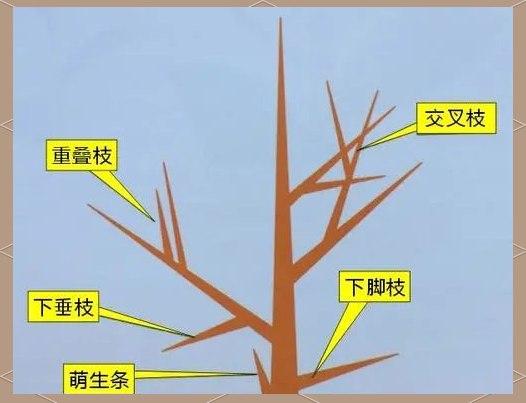
Orthopaedic shearing is also an important part of nursery management. Through rational shearing, tree height can be controlled and side branch growth promoted, resulting in a reasonable canopy structure. Cutting steps should follow the principles of first, first, last, last, last, last, and so on, and rationally trim long branches and cross branches in order to maintain the ventilation of tree crowns。
Viii. Forest management
Deep-drilling is a key component of forest management. The best timing is usually divided into “winter and summer shovels”. In winter, deep excavations are most appropriate from after-severing flowers to before the roots begin to move; in summer, shallow shovels are generally chosen between july and september. This regulatory measure should adhere to the rhythm of “three years in depth, with a shallow shovel every year”. For oil and tea mountains at different slopes, different methods of reclamation should be used: the body of a slope of more than 10 degrees is suitable for full reclamation or full-scale shallow shoveling, while the body of a slope of between 10 and 25 degrees is recommended for either striping or striping. For oil and tea mountains with steep slopes, heavy soil erosion or scarce weeds, cave cultivation or shovels should be used. In the depths of reclamation, the principles of “deepness in the winter and summer, as well as in the mountains of hirana, as well as in the desert, as well as in the mountains of the earth, as well as in the mountains of the earth, as well as in the walks of the earth” should be followed。
In addition, preventing soil erosion is an important task in forest management. Between march and june of each year, bamboo cleavages should be dug horizontally between oil and tea lines, with a bottom 50 cm wide and 40 cm deep, usually between 1 and 2 m long, and ranges adjusted to the slope of the hill. For areas below the gradient of 15 degrees, the length of the ditch is 10 metres; for areas between 15 and 25 degrees the gradient should be reduced to 8 metres. Every year, when oil and tea are reclaimed, there is also a need to completely remove the sludge from the cane。
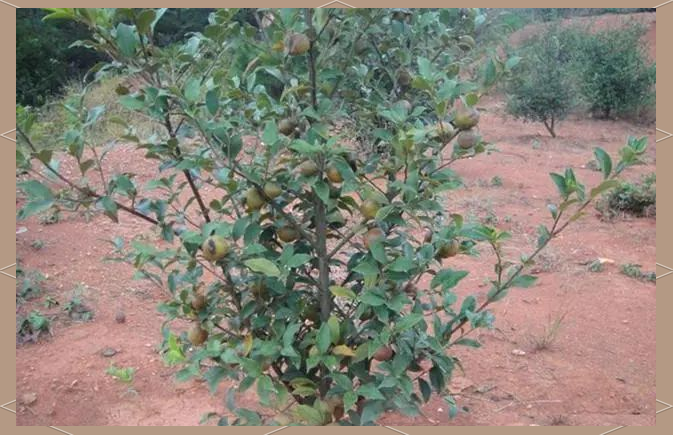
Rational fertilization is essential for the growth of oil tea. In the early spring period, nitrogen and a small amount of potassium fertilizer should be applied to promote the growth of new stakes, leaves and fruits. The summer fall festival is suitable for applying phosphorus fertilizers in order to improve the quality of fruit, increase the fat content and promote the separation of buds. The winter should focus on the application of potassium, phosphorus fertilizer in order to stabilize the fruit and increase cold resistance. The application of nitrogen and phosphorus fertilizer should be increased in years of high oil and tea output in order to stabilize the fruit and further promote flowering。
With regard to fertilization, it is common to apply 40 to 60 kg of compound fertilizer, 10 to 20 kg of potassium fertilizer and 10 to 20 kg of nitrogen fertilizer per acre. The amount of application should be adjusted to the size of the tree and the number of flowers, with more trees with larger trees and more flowers and fewer trees with smaller trees and fewer flowers。
In fertilizing methods, the use of circular ditch application techniques is recommended. That is, grooves with depths of about 30 to 40 cm along the outer edge of the tree canopy are excavated and the fertilizer is evenly placed behind the gutter. If the slope of the oil and tea mountain is large, the semi-lunar ditch should be dug above the tree crown. Thereafter, fertilization positions should be replaced on an annual basis in order to promote the growth and expansion of the root systems of oil and tea absorption。
In addition, preventing soil erosion is an important component of forest management. During the period march-june of each year, bamboo cleavages should be dug horizontally between oil and tea lines, with a 50 cm base width and a depth of 40 cm, usually set at 1 to 2 m. The length of the ditch is adjusted to the specific slope of the range, which is 10 m for the area below 15o and 8 m for the area between 15o and 25o. Every year, the recovery of oil and tea is combined with the complete removal of silt from the canals。
It's also an indispensable part of the process. It is usually recommended that this take place in winter and spring, with the early spring period, from late february to mid-march, being the best period. In the process of trimping, the main factor shall be the removal of the twigs, the lower branches, the overlapping branches, the insect branches, the dry branches, the parasitic branches, the ageing branches and the long branches. Cutting should be done with care to keep the cut smooth, and the cut-off branches should be moved out of the forest in time for burning。
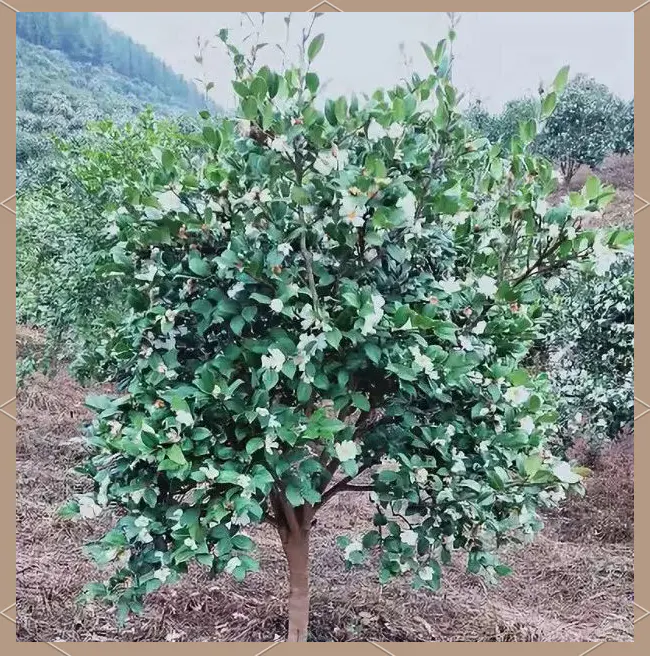
Ix. Tea with oilPest control
The oil tea is vulnerable to a variety of diseases, including anthrax, morbid and nucleotosis. At the same time, there are a variety of pest threats, such as tea moths, tea poachers, tea moths, gold turtles, elephants, sky cattle and red spiders. In our strategy to combat it, we should insist on prevention and apply a combination of biological and chemical methods。
1 the main disease facing the tea is anthrax, which is characterized by brown spots of leaves. In the first 1 to 2 years of larvae, the disease needs special protection, especially during the high-prevalence period from july to september. A combination of 1% bordeaux and 2% teaclad water is recommended for three to four times, or 800 times wettable powder and 50% more than 500 times fungus in a series of four to five times。
2. Leaf-eating pests such as oiled tea, tea silk and lily idiosynthesis can be lured to death with light through their lighting. In larvae, trichlorfon or dichlorvos may be sprayed from 1000 to 1,500 times the fluid. In addition, biopesticides, such as white fungus and fungi, can be used to poison these pests. In the autumn, a combination of reclamation and earth-breeding can reduce plumes by burying them in less than 60 cm。
3. For pests that endanger the stem and fruit, such as tea moths, vermin and tea seed ale, they may be used to artificially kill or spray 90% of trichlorfon 1000 times more. For vermin, the use of 40 per cent of oxidated fruit was 1,000 times more effective between march and april。
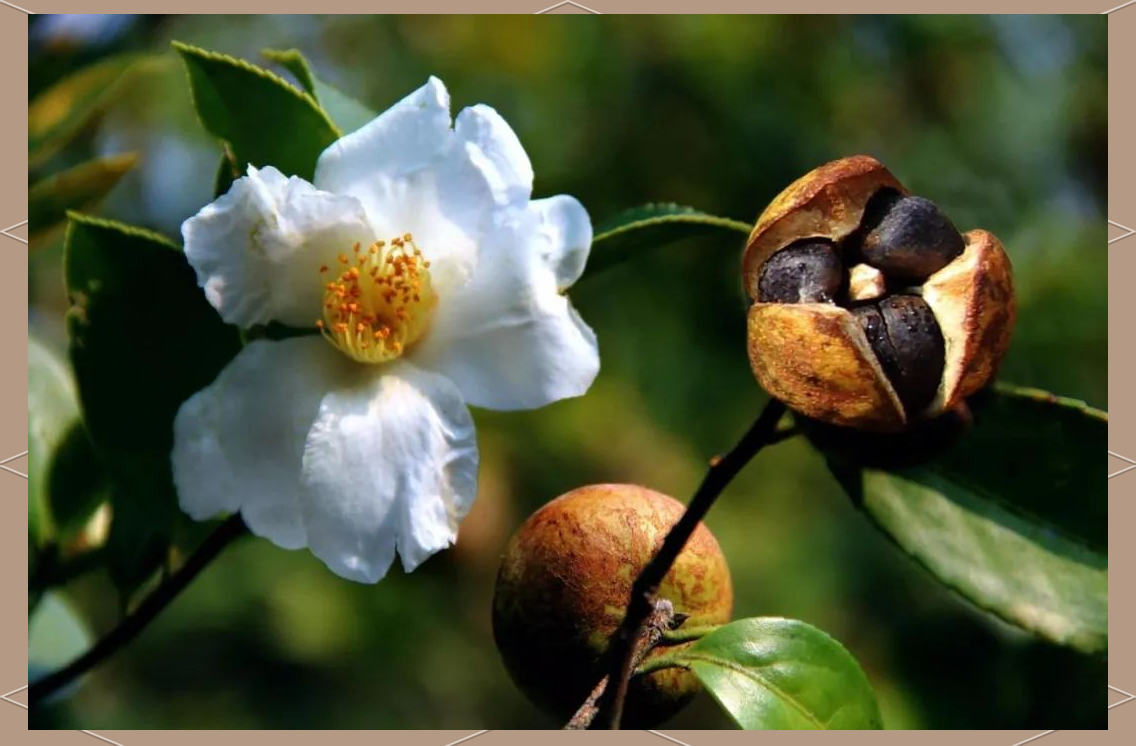
X. Auxiliary operations
Until the oil and tea forests are completely closed, non-vegetable crops such as soybeans and peanuts can be grown in the shoals of oil and tea, thus increasing not only economic gains but also soil fertility through residues of these crops. In addition, under local conditions, other crops, such as groceries, oils and medicinal products, can be cropped on a rotational basis, but care is taken to avoid growing vines and vines so as not to affect the growth of oil tea. It is important that sufficient space (1mx1m) be reserved for oil and tea seedlings to ensure that they do not compete with crops for moisture, nutrients and sunlight. At the same time, bees or earth bees can be raised to increase the pollination rate and production of oil tea using their frequent exchange of pollen between different strains during pollination。
Xi. Responsibility
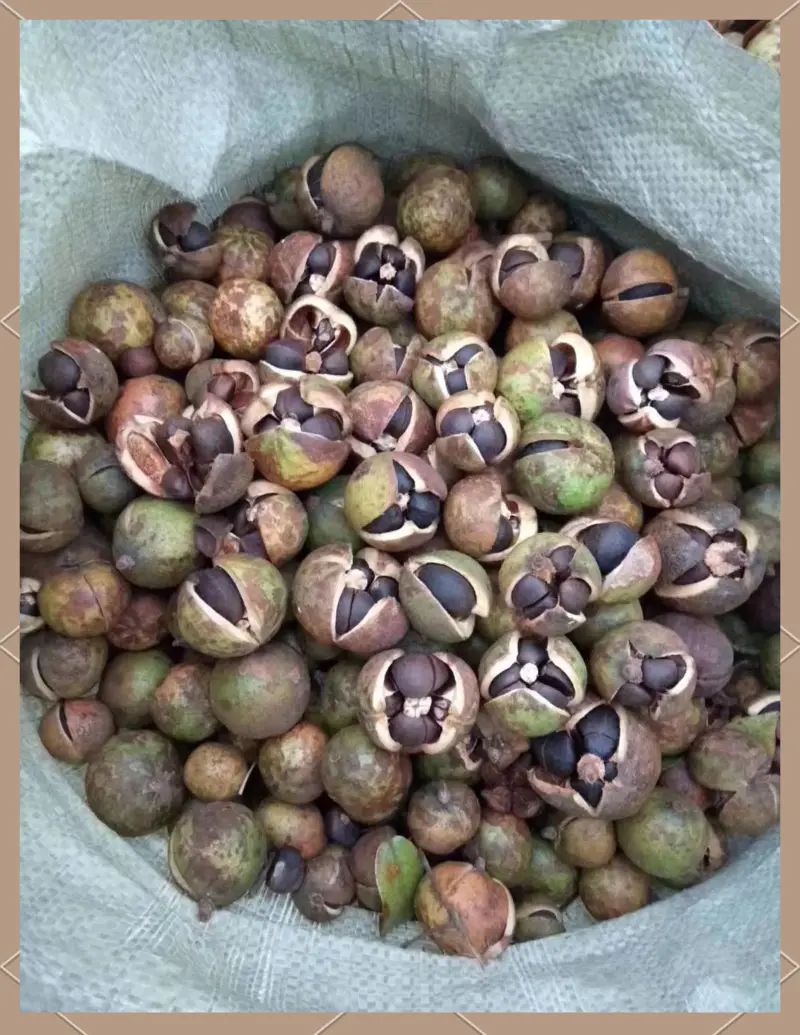
The harvest of oil and tea fruit usually begins after the fall of the frost, i. E. After 20 october, when the fruit matures. The harvested fruit should not be stacked for long periods of time, which should not exceed four days, and should be contained at an altitude of less than 0. 5 metres. It should be followed by a timely drying process to facilitate the separation of the shells and seeds。
Declaration of exemption:









