


I. The oil and tea industryMarket prospectsValue of cultivation
Oil tea as a woody oil crop unique to our country, due to its ecological value in recent yearsEconomic valueAttention. Tea oil, which is referred to as "oriental olive oil", has an unsaturated fatty acid content of over 90 per cent, much higher than the usual edible oil. With the spread of the concept of healthy diets, the demand for high-quality tea oil has continued to grow and prices have stabilized between 100 and 300 yuan per kilogram, with significant benefits for growers。
Unlike traditional crops, oil and tea trees can yield benefits for decades at a time, with well-managed production periods of over 30 years. Compared to other economic forests, oil and tea have the advantage of being adaptable, relatively simple in management and sustained in economic efficiency. This is especially true in the southern hilly mountainsOil and tea cultivationIt can both preserve soil and water and create economic value for both ecological and economic gain。
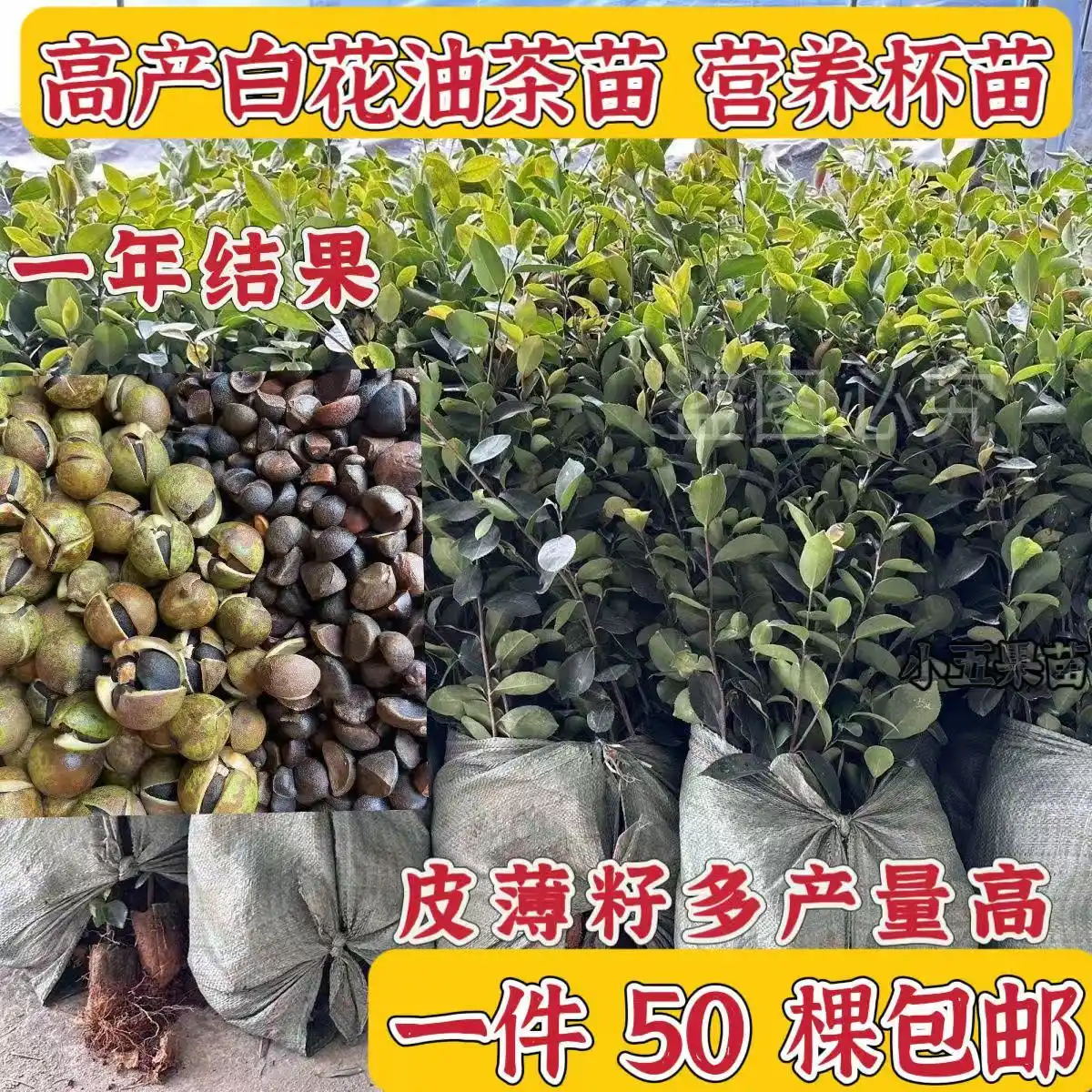
Ii. How to select high-quality oil and tea seedlings
1. Varieties choose to determine production ceilings
High-yielding varieties that are currently dominant in the market include white flower tea, fragrance tea, etc. White flower tea is well known for its high yield and yield of fruit, with a single fruit weight of 20-30 grams and a rate of between 25 and 30 per cent, and perfumed tea, which offers both value appreciation and economic value, is rich and radiant and suitable for the development of tourist agriculture. The selection of improved good seedlings ensures that later production is 30-50 per cent higher than that of common varieties。
2 ️⃣ the tree mass directly affects the survival rate
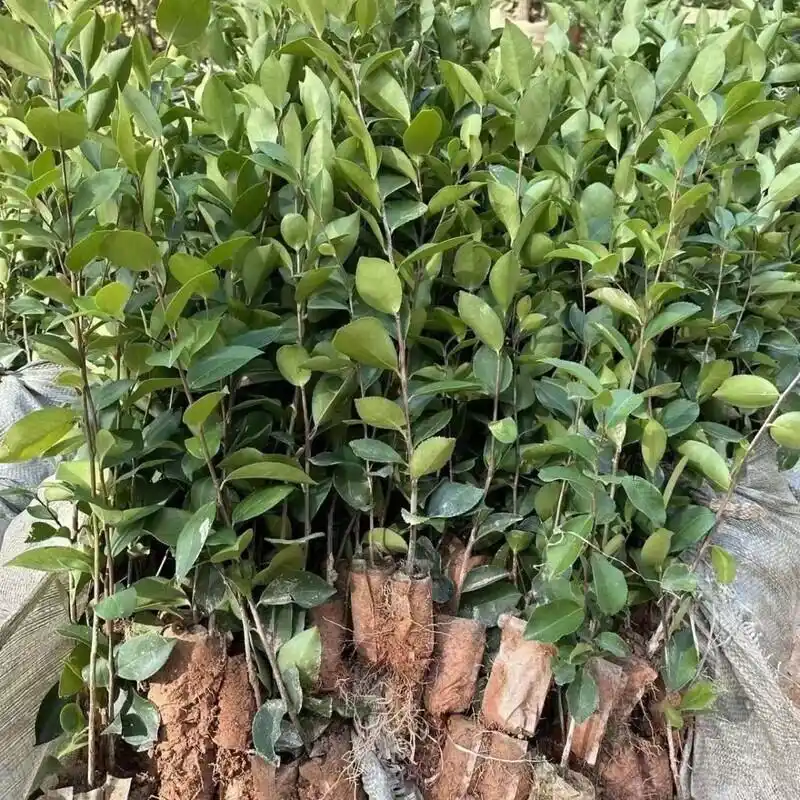
High-quality oil and tea seedlings should have the following characteristics:
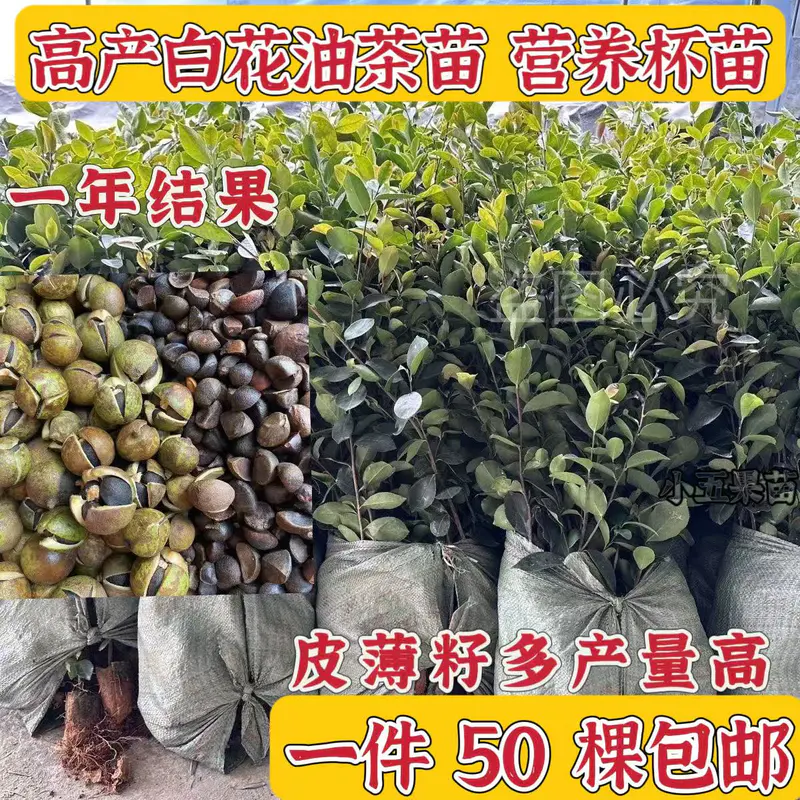
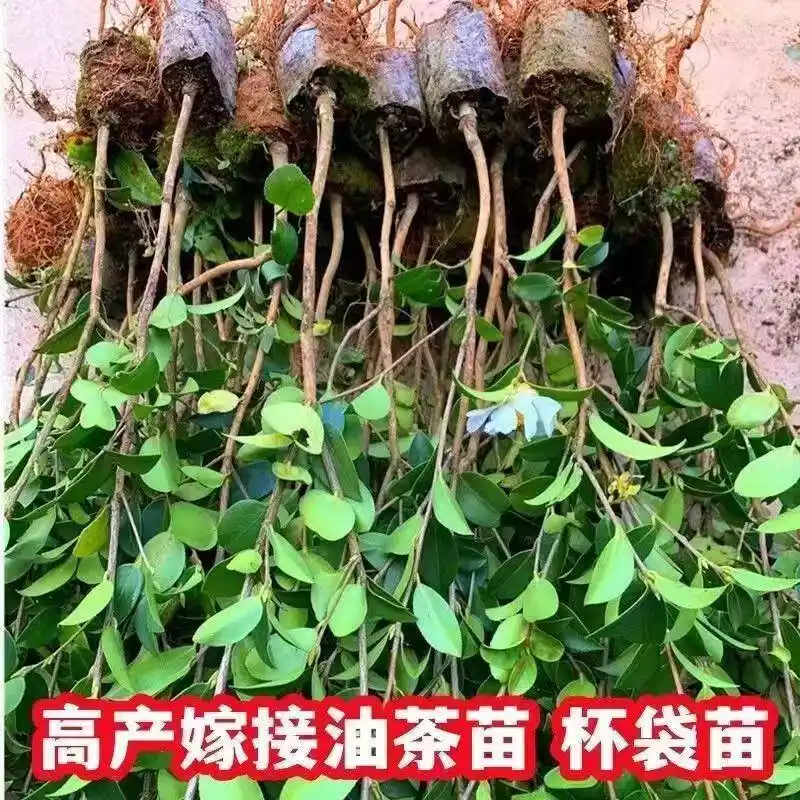
Distribution of 50 high-yielding, white-leaved, white-grained, oil-grained, tea-grained seed with 100 high-quality tea cups of 30-60 cm high
Three hundred
There's no reason for a 100% gyeongdong rating
Purchase
Down already
Click on the link, on a preferential basis: 50 high-yield white flower tea seedlings are distributed, the seedlings with earth cups ensure survival, 30-60 centimetre strong seedlings, and one year of growth。
Scientific cultivation methods and day-to-day management
Location and location
The oil and tea are well-silent and well-drained micro-acid soils. Weeds will need to be removed before planting, and dens (approximately 50 cm x 50 cm x 40 cm) will be dug at a line distance of 3 m x 2. 5 m, each of which will be applied to 5 to 10 kg of decompetent organic fertilizer。
Plantation techniques
Best season: the south is suitable for november to march, and the north proposes spring planting
Depth of cultivation: keeping the surface of the original earth cup level to the ground, too deep to rot
Water-water management: wetting of the soil during the first three months after planting
Iv. The programme for the construction of high-yield oil plantations
For users of planned-scale planting, mixed planting models are recommended, combining varieties of different maturity periods, both to prolong harvest periods and to reduce the risk of pests and diseases. The following are two suggested combinations:
Combining i: white flower oil tea
Combining group two: flower oil tea
Forty
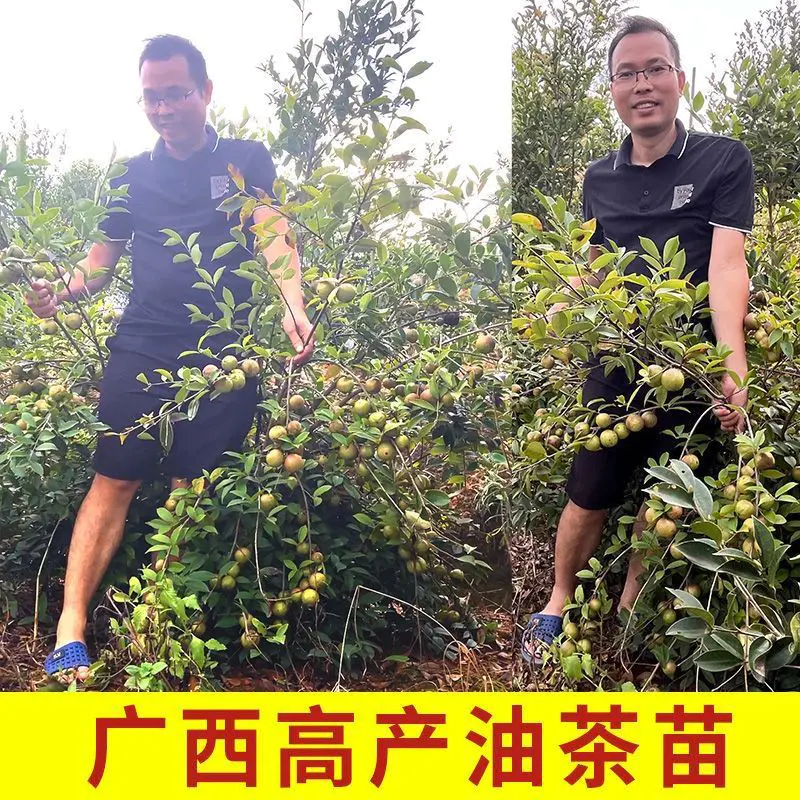
Guangxi high-yielding fragrance tea, white-leaved tea, high-yielding margarine tea, high-quality tea tree, high-yield, good-quality bouquet tea (recommended) 50 30-40 cm high (nutrient cups with ground leaves)
It's just a matter of time
There's no reason for a 100% gyeongdong rating
Purchase
Down already
Click on the link, on a preferential basis: guangxi high-yielding fragrance tea saplings 50 packages, 30 to 40 centimetres of robust nutrition cups, high rates of earth-bearing leaves, especially recommended to farmers planning to develop tourist agriculture。
V. Tea seedlingsPest control
The main diseases of oil and tea are anthrax, morbid diseases, etc. Insect pests include oil and tea moths, tea seeds, etc. The response should be based on the principle of prevention and an integrated approach:
Agriculture prevention and treatment: keeping the garden radiant and removing the fallows in time
Physical control: pests such as aphids with yellow sticky boards
Biological control: protection of natural enemies such as weeds, grasshoppers, etc
Chemical control: selection of highly effective and low-toxic pesticides, when necessary, with care to rotate drugs
Vi. Different investment technology improving enterprises
For farmers with limited land, low-level planting techniques can be used to achieve early production by controlling tree heights (about 2 metres) and reducing the distance (two metres by 2 metres). Shortened oil tea seedlings have the following advantages:
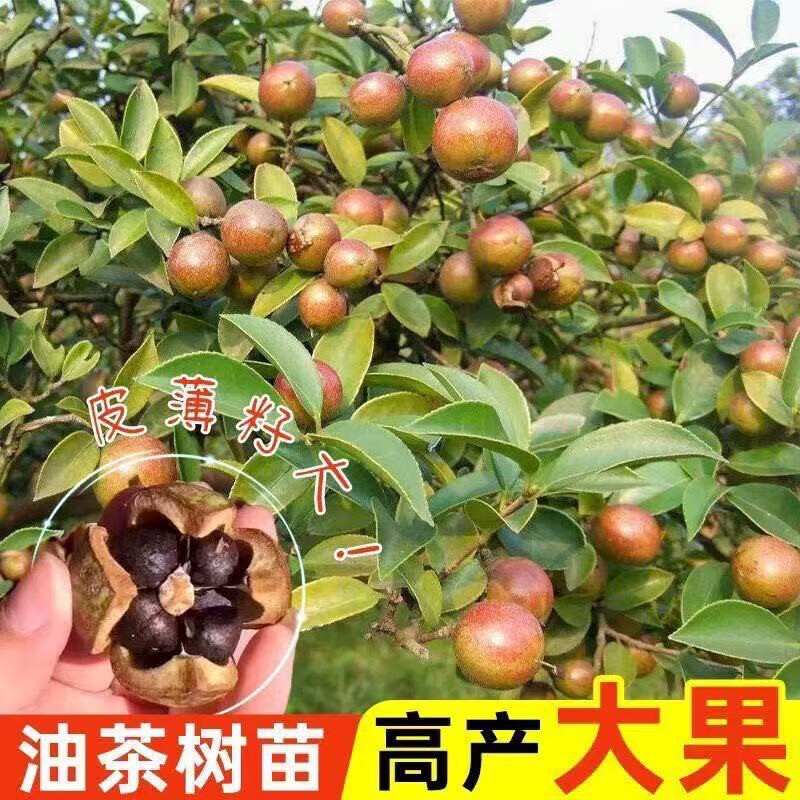
High-yielding white flowers and tea sprouts, low-sprung tea seedlings, large-spruce white flowers and fruit sprouts, high-yield improved tea and fruit 50 large fruit fruit
##207
Kyodong has a 100% rating
Purchase
Click on link, with discounts: 50 packages of high-yielding white flower tea sprouts, red-skin fruit varieties, especially suitable for family orchards and small-scale cultivation。
Vii. Diversifying business thinking in the oil and tea industry
Modern oil and tea cultivation should not be limited to single oil production, but should develop a complex business model to enhance overall returns:
Tea oil deep processing: production of high-end cosmetic oil, pharmaceutical oil, etc
Tea tea: production of organic fertilizers, biological pesticides
Tourism experience: development of oil and tea viewing and harvesting experience
Under-forest economy: cultivation of medicinal products or rearing in forests land chicken
Viii. Common questions on oil and tea cultivation
What if the leaves are yellow after the oil and tea seedlings
This may be due to overwatering leading to rotting roots or soil ph. The drainage should be checked and, if necessary, the alkalinity of the acid should be regulated by a sub-iron sulphate。
Why is the oil tea flowering so little
The main causes include poor pollination and undernutrition. Artificially assisted pollination can be used to increase phosphorus fattening before and after the flowering period。
How long does a tea tree go into production
In general, in 4-5 years, the seedling enters the early stages, in 8-10 years, and is managed to sustain a high yield of more than 20 years。
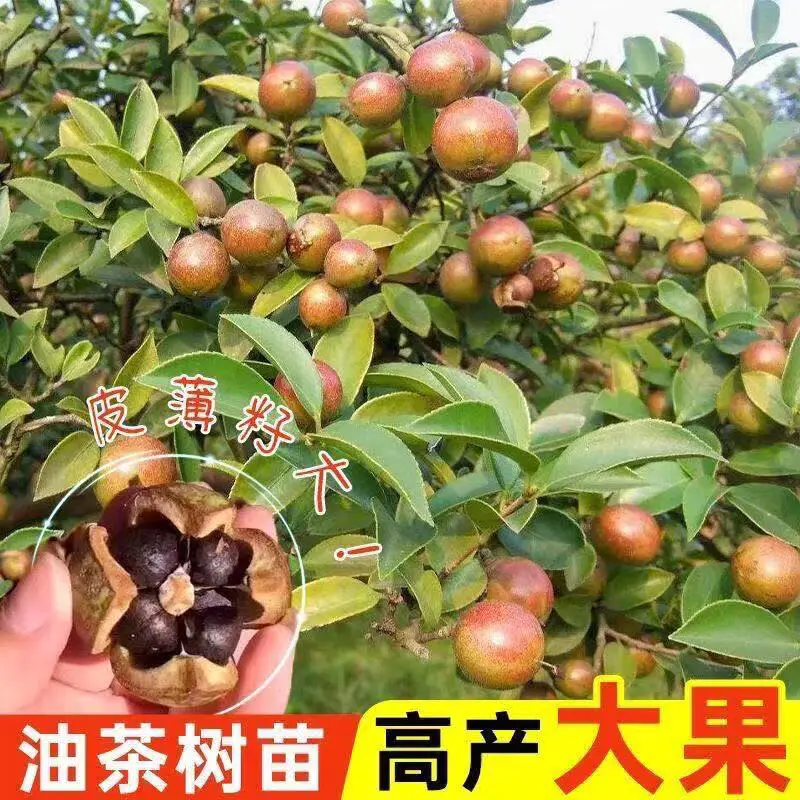
High-yielding white flowers and tea seedlings planting oil and tea tree saplings and seed seedlings
¥296
Kyodong has a 100% rating
Purchase
Click on the link, on a preferential basis: 50 packages of high-yield improved oil and tea fruit, fruit-type varieties, suitable for commercial growers pursuing high-yield production stability。
Small-scale family farming programmes
For family users who only want to try out a few trees, the following options are available:
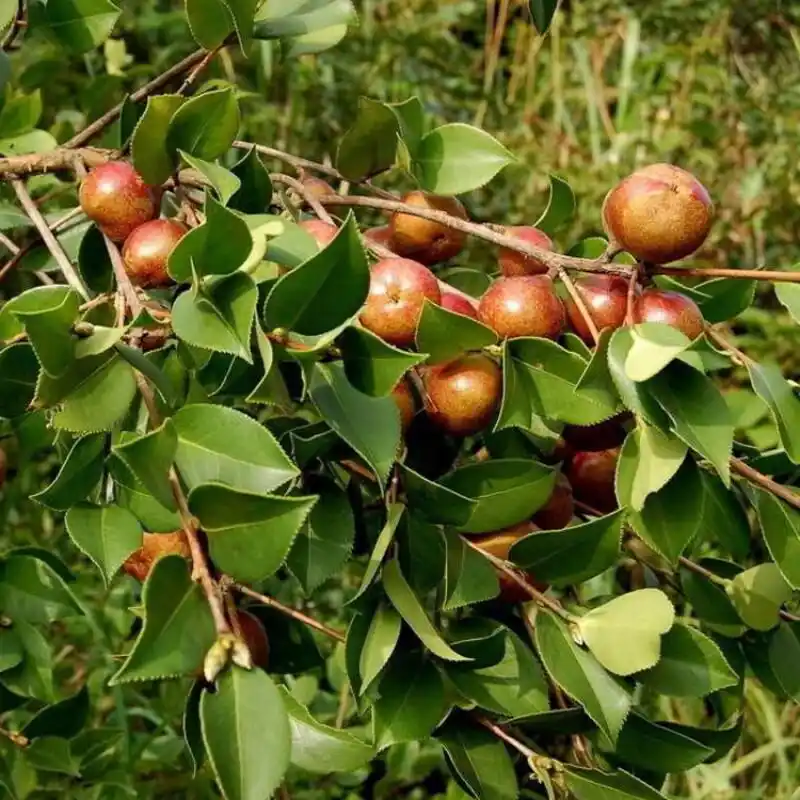
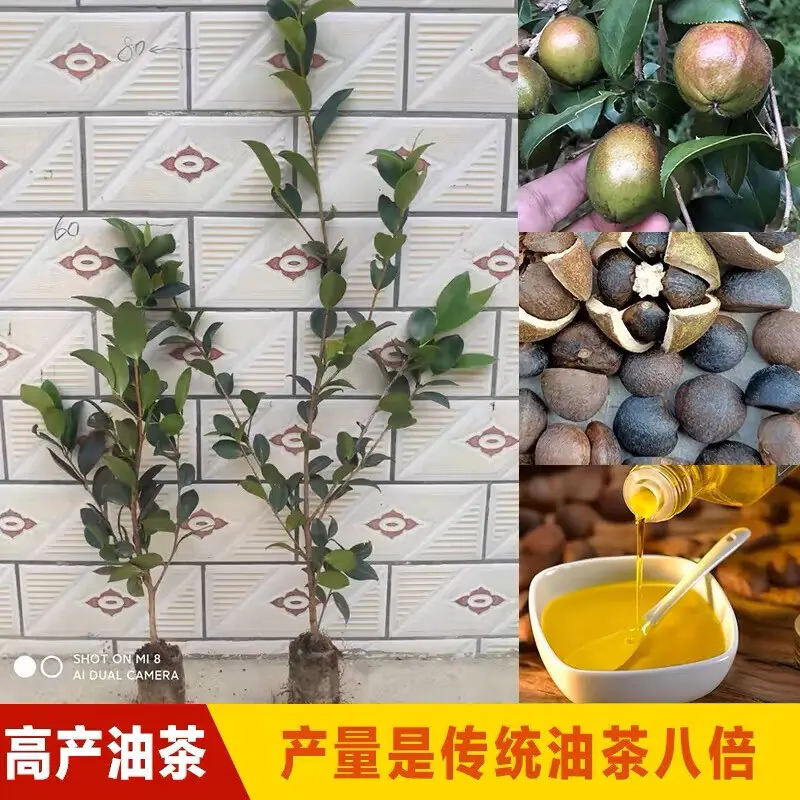
Tea sprouts, tea sprouts, tea sprouts, tea sprouts, white flower sprouts, tea trees, 20-30 cm tall, one
¥12
Kyodong has a 100% rating
Purchase
Click on the link, on a preferential basis: a single oil and tea sapling, 20-30 centimetres of high growth, suitable for home test seeds and small space planting。
X. Full cycle management from planting to harvesting
Oil and tea cultivation is a long-term investment that requires full-cycle planning:
The first three years: focusing on tree formation and proper oozing
4-7 years: gradual increase in production and improvement of tree structure
Eight years later: entering a stable high-birth age with a focus on balance fat
Fifteen years later: updating some of the old trees in due course and maintaining the age structure of the trees in the garden
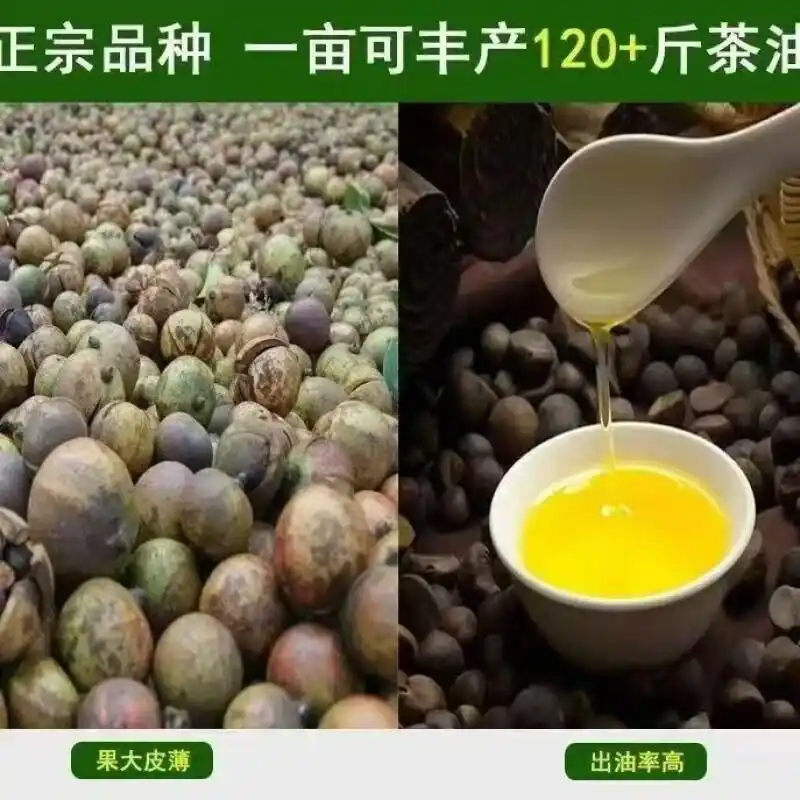
Through scientific management, the annual production of tea and fruit could be 1000-1500 kgs per acre, with a gross revenue of 20 to 30,000 yuan at current market prices and a net gain of about 15 to 22,000 yuan after cost deduction, with significant economic benefits。









