


"i eat twice a dayGarlicIs it really good for you?" this is a question asked by a retired employee during a medical examination. Garlic is often seen on the table as a common saucer, but an increasing number of studies and clinical observations have found that it is far more than just a tasting。
In particular, garlic is eaten rawly, because its active ingredient is not damaged by high temperatures and is more likely to work. Many people's understanding of it remains “infective”, but they don't know if they insist on eating it, and there may be a series of profound changes in the body。
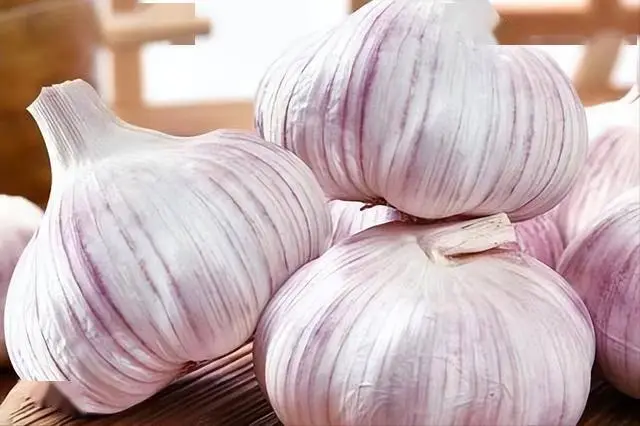
ImmunizationIncreases and decreases in the frequency of flu are the most visible changes. Garlic is a natural antibacterial substance that inhibits many bacteria and viruses。
Unlike drugs, garlic displays a wide spectrum and mild effect in the body, which does not target a particular pathogens but increases the overall level of defence. People who eat garlic for long periods of time are often less prone to colds during season change and recover faster when symptoms occur。

According to information, the incidence of respiratory infections among people who regularly eat garlic is significantly lower than in the general population. The balance of the immune system is the key to combating disease, and garlic plays a role in that balance。
It is not a direct substitute for immunization, but provides sustained support for immunization. This role tends to emerge in weeks to months。
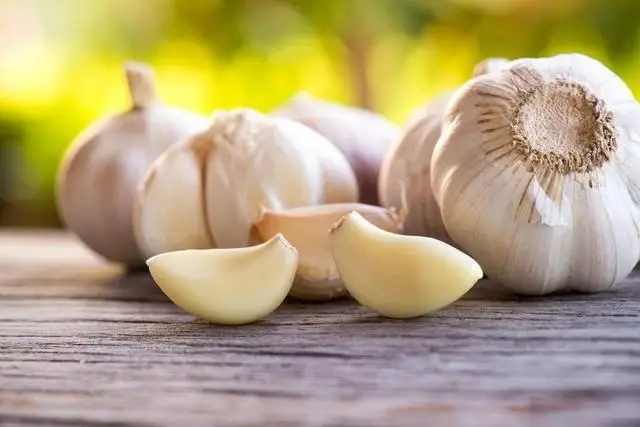
CardiovascularHealthBenefiting is another important change. Sulphur-containing compounds in raw garlic help to contain the accumulation of platelets and reduce the risk of leaching. It also contributes to the expansion of blood vessels and improves the mobility of blood。
For high blood pressure populations, the long-term consumption of garlic may have a mildly depressive effect, while for people with blubber disorders it can reduce overall cholesterol levels in blood. In many clinical observations, the incidence of cardiovascular events among people who regularly eat garlic is low。
This is not about the immediate effect of garlic as medicine, but rather about the gradual improvement of internal function and the blood environment through long-term regulation. The value of garlic is that it is not unique, but rather multi-pronged in order to improve the cardiovascular system as a whole。

One of the deep values of garlic is thatAntioxidationWith inflammation. The active ingredient contained in garlic removes the free radicals in the body, thus reducing the oxidation stress。
Oxygen stress is considered to be one of the core mechanisms of ageing and various slow diseases, and the antioxidation of garlic helps to slow down the process. At the same time, garlic reduces the level of inflammation factors and improves chronic inflammation。
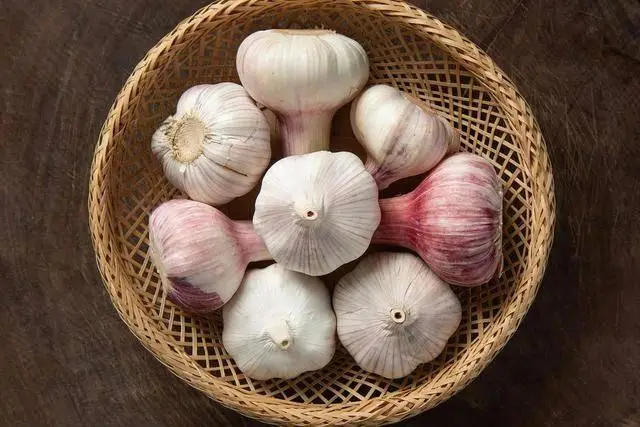
Chronic inflammation often occurs, but it is associated with cardiovascular, metabolic and neurodegenerative diseases. Physical inflammation indicators are usually more stable for people who regularly eat garlic。
This means that garlic is not a single antibacterial, but rather provides deep protection to the body through the dual path of antioxidation and anti-inflammation. Long-term persistence will slow the ageing and make the body more balanced。
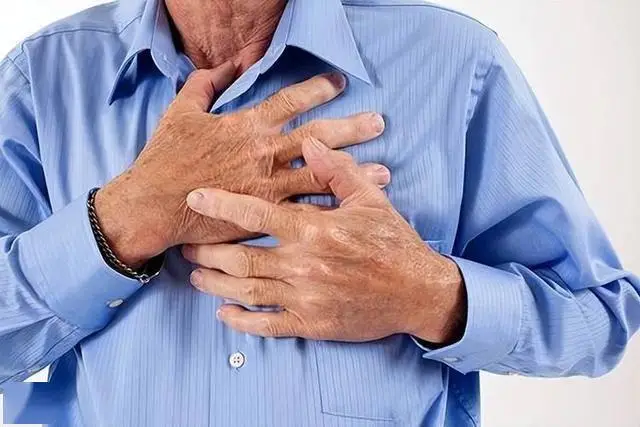
The slowing down of cell ageing and the potential for supporting cancer resistance are areas where garlic is frequently studied. Ageing is not just a change in appearance, but a gradual decline in cell function. Organic sulphides in garlic protect dna from damage and maintain cell resilience。
In some crowd observations, the incidence of cancer in parts of the intestinal, stomach, etc. Of the population that regularly eat garlic is lower than in the non-eating population。

While this relationship is still being explored, it is certain that garlic can develop its cancer-resistant potential by improving the cell environment and regulating metabolic pathways. It is worth noting that this potential is not short-term, but built on long-term habits。
Its value lies in reducing risk, not in replacing treatment. The impact of diet on the cell level is often underestimated, but garlic provides an example of long-term accumulation。
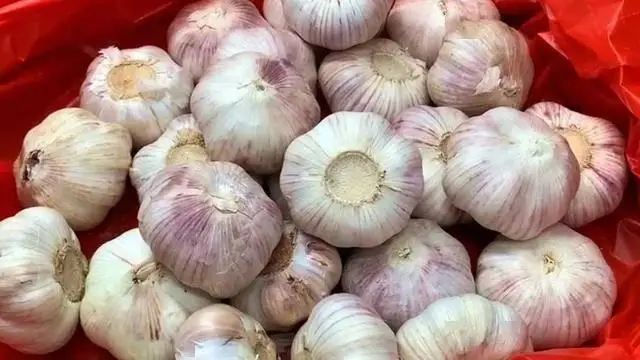
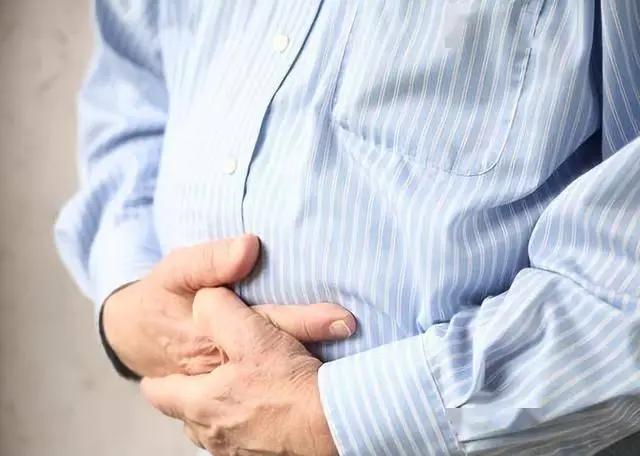
Improving the health of digestive systems is also a change from eating garlic raw. Garlic promotes gastric fluidization and helps to digest food. It also regulates intestinal clusters, inhibits the growth of harmful bacteria and provides a good environment for beneficial bacteria。
After many people have been eating garlic for long periods of time, the conditions of abdominal swelling and poor appetite have improved. This suggests that garlic acts as a similar "balancer" in the digestive tract. For those who are partially susceptible to diarrhoea or constipation, the effect of this regulation is more pronounced in garlic。
The stability of digestive systems relates not only to nutritional absorption but also to immunization and metabolism. Garlic indirectly improves overall health by improving the digestive environment. Its value lies not in treating digestive diseases, but in prevention and stability。
The role of raw garlic is not immediate, but rather long-standing feedback. Many people feel that food has limited power, but it is truly noteworthy that they have changed the basic environment of their bodies through day after day。
Garlic is valued precisely because of its role at multiple levels and not as a single target. Medicine is increasingly focused on prevention, which often comes from the most common foods。
Garlic provides a model that reminds people that real health comes from long-term accumulation rather than short-term treatment。
Adhering to rational consumption does have a positive impact on the body, but it is a departure from the essence of health if it is expected to solve all the problems。
The key to health is balance, and the role of garlic is precisely to help the body maintain that balance. What one has to do is to understand this balance and to practice it continuously in life。
For reference purposes only, please consult a specialist in a timely manner if you are ill
What do you think about garlic? Welcome to the comment section
References









