


Each year, when rice is harvested, there are piles of straw in the fields, which many people do to save, burn directly, or pull on one side to rot. That's what i used to do. I didn't think straw was any use except for firewood. Then in the village next door, an old man planted mushrooms with straw in his yard, and i went to see it, and i thought it was a very clever way。
Without sophisticated equipment and without paying for a large quantity of raw materials, the main material is rice to harvest the remaining dried straw, which, after more than 40 days of processing, will produce a fresh sap of mushrooms, which will be sufficient for home-grown consumption. Let's talk to everyone today about this straw-planting mushroom. Let's talk about the steps. Let's talk about the pits that are easy to roll over。
To begin with, the truth is that this is a low-cost, folk-based earth-planting of mushrooms, suitable for small-scale trials in small yards, balconyes and not large-scale sheds. The yield is less than that of a professional bacterium bag, which is a waste of straw, and which, if not successful, is less costly。
Many old-age species have failed, mostly as a first step in the treatment of straw. The straw is covered with fungus, eggs, and if the fungus were to grow directly, the fungus would not be able to take it, and the last bag would be covered in green mold and all would be scraped. Cooking straw, the central purpose of which is to sterilise and soften the straw so that it can break and take root。
Let's start with material. Everything's good。
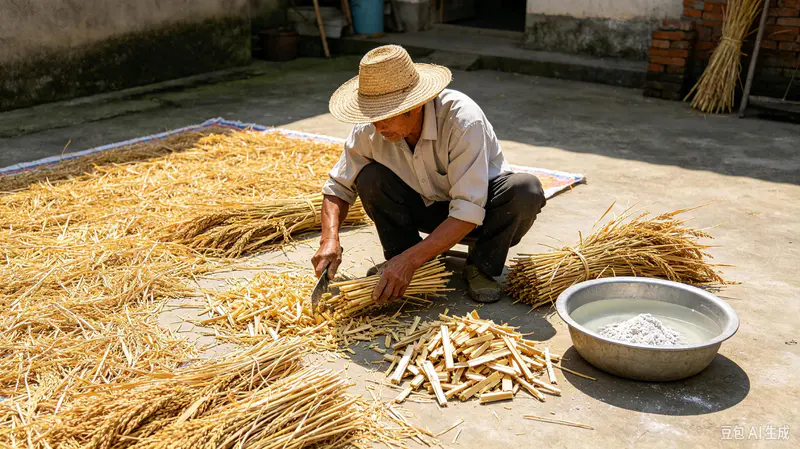
The first is dry straw, which can be tanned after harvesting, but which is already morbid, dark and stinking, and which itself carries a large amount of fungus, which is difficult to clean and to give up. The straw is cut as much as possible, into a fraction of about 10 centimetres, so that it can be boiled and bagged in the back。
The second is the availability of fungus species, fairs or online, and the selection of wide-temperature mushroom varieties suitable for straw cultivation, which adapt to a wide range of temperatures, most suitable for the spring and autumn seasons. Summers are too hot to be bad, winters are too cold for the fungus to be slow。
The third is lime, small enough to regulate acid alkalinity to contain some of the fungus; and plastic bags for filling, thickerCultivationA bag, or a solid bag of fresh meat, with extra ropes and large pots。
We'll talk about the full operational steps, one by one。
Step one, straw prep. Scraped straw, which is used for the first half of the day to soak up the water. Grab a squeeze and there's a drop of water in the stitch, but it's not dripping down. When the bubble is done, it is extracted and the extra water is dried up。
Step two, boil the fungus, which is what our title says. Water is added to the pot, the straw is put in, the water is boiled and boiled for 40 minutes to an hour. The purpose of the cooking is, on the one hand, to eliminate most of the fungus, bacteria and eggs in the straw at high temperatures; and, on the other hand, to soften the straw in hard-tons, so that the fungus silk grows in。
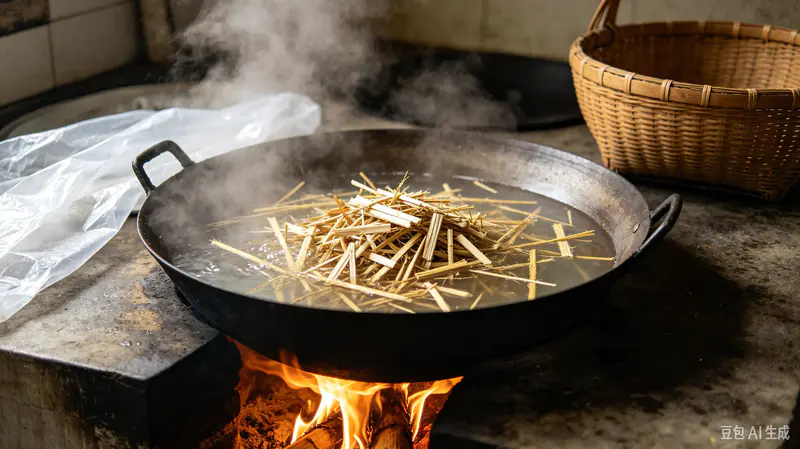
After cooking, they are taken out and cold on clean concrete floors or plastic sheeting. This is a particularly critical step, which must be cooled down to below 30 degrees centigrade, so as not to burn hands. Rice straw is also a hot, temporal fungus seed, and high temperatures can burn the fungus in the bacteria, the most common turning point。
Step three, plaster, chromosomal. When straw cools, a little bit of raw lime is spilled, evenly mixed, little bits of microfatal alkaline is used to reduce the growth of green molds. The bacteria are then made into small blocks, a layer of straw, a layer of fungi, an alternation, or a direct mixing. We can't have too few bacteria, we can have enough bacteria, we can grow the fungus fast, and we can't easily invade the fungus。
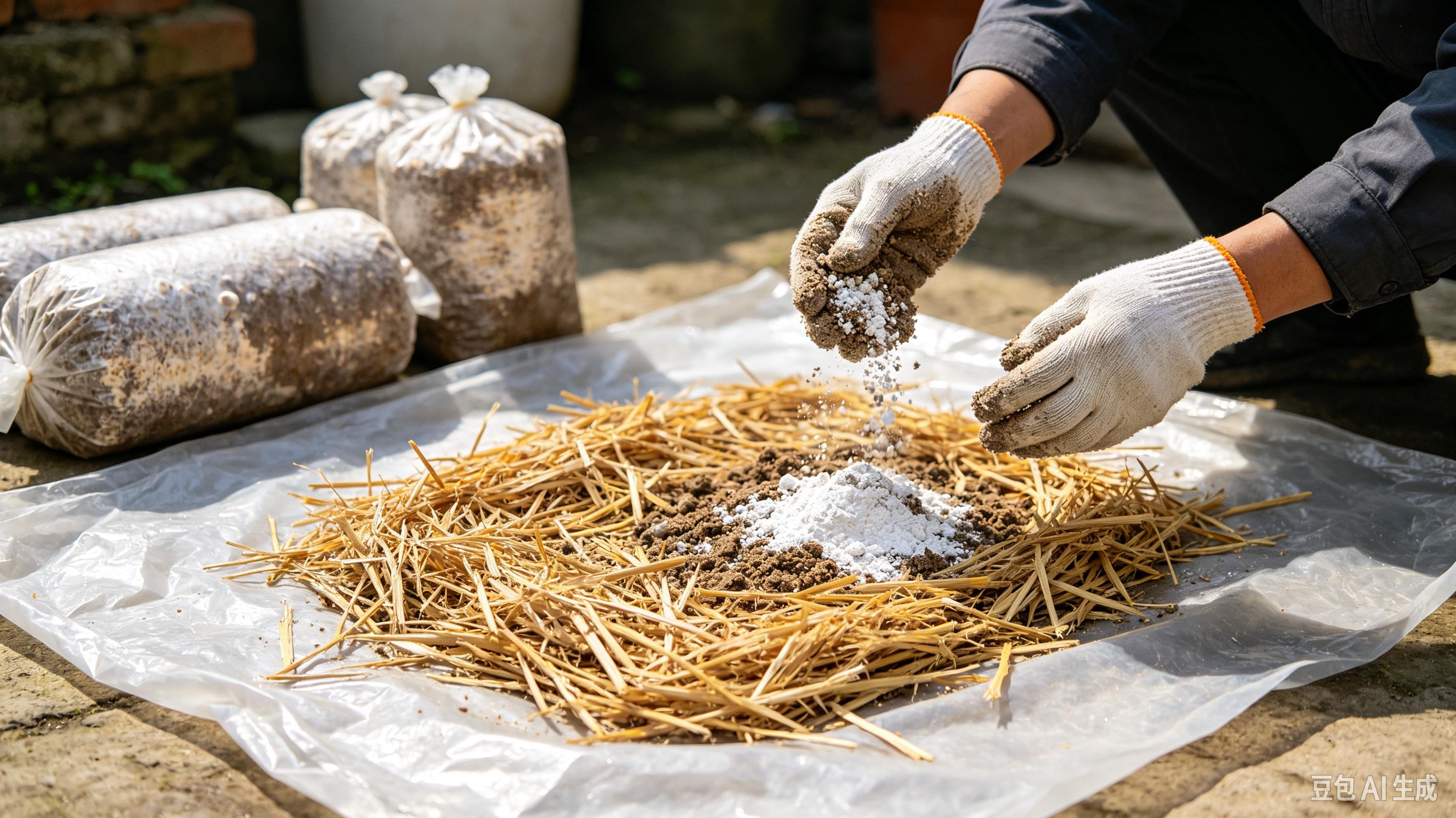
Step four, bag and hole. When mixed, put in a plastic bag, not so tight, loose, leave a little air. Put it in the bag, but not completely sealed. With a thin nail, put a little hole on the side of the bag, which is easy to breathe. The fungus filaments require a small amount of oxygen, are completely sealed, they are not long and they stink of acid。
Step five, fungi management. Put them in a fungus bag and put them in a shade of light and air, without the sun. No water is sprayed during the fungi, mainly for temperature control. The ambient temperature is most appropriate at 18-25 degrees. It was a period when the mycelium slowly crawled with the whole paddy, normally for more than 20 days, and the bag was full of white mycelium。
During the fungi phase, a few days later, if the bag smells of acid and grows a green fungus clot, it is a fungus contamination, and the bag is dropped and cannot be kept。
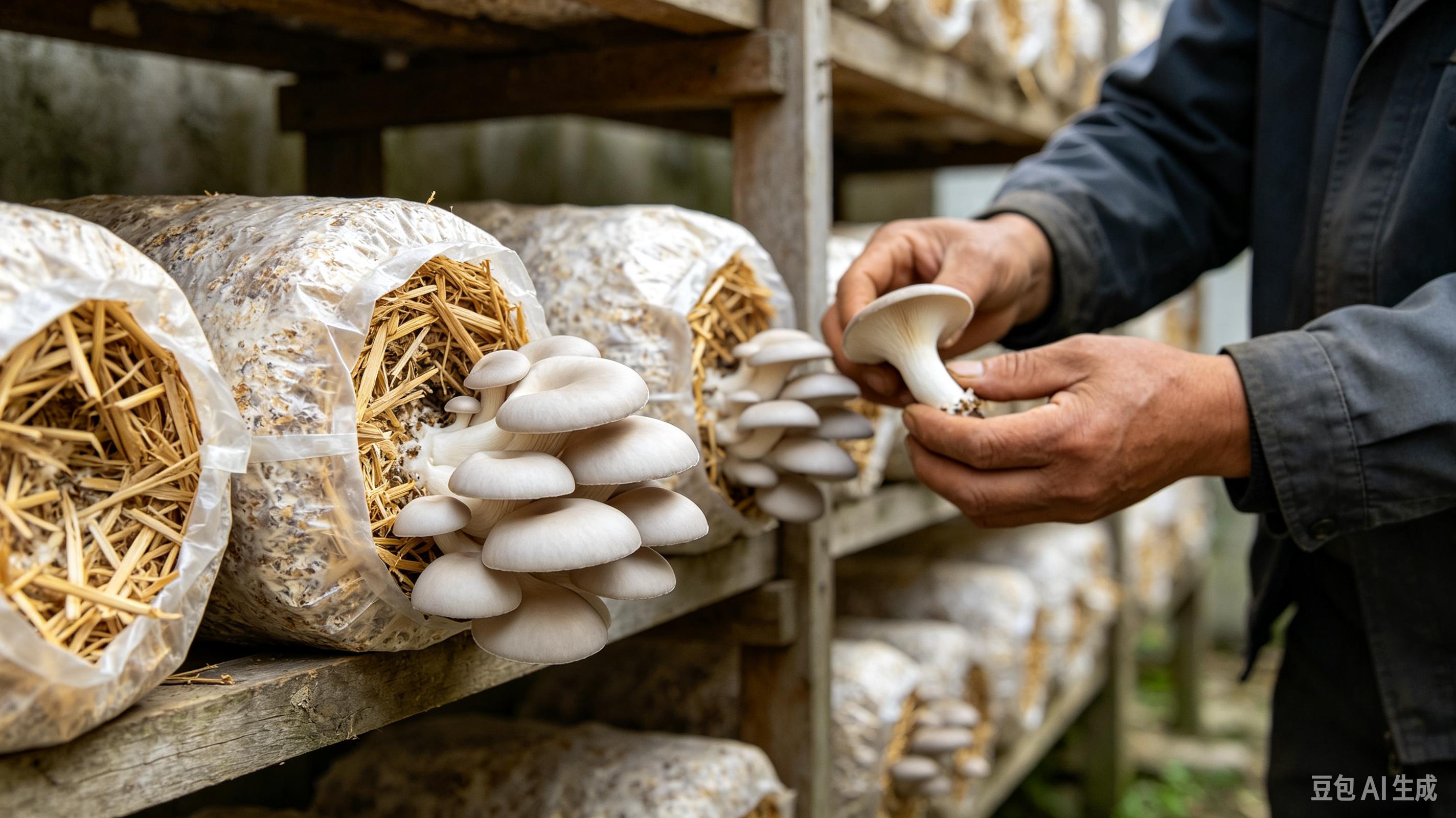
Step six, mushrooms, mushroom management. When the fungus is full, it's time for mushrooms. At this point, the bag can be unsealed, with additional scattering light, with a small amount of water being sprayed daily into the surrounding air, rather than pouring on the surface of the material, which can easily rot in mushrooms. Keep the environment moist and ventilation early and late。
When normal management is in place, 10 days after the mushrooms, you can see a little mushroom bud coming out, from boiling straw to harvesting, and counting it together, and you can eat mushrooms for over 40 days, which is about 48 days。
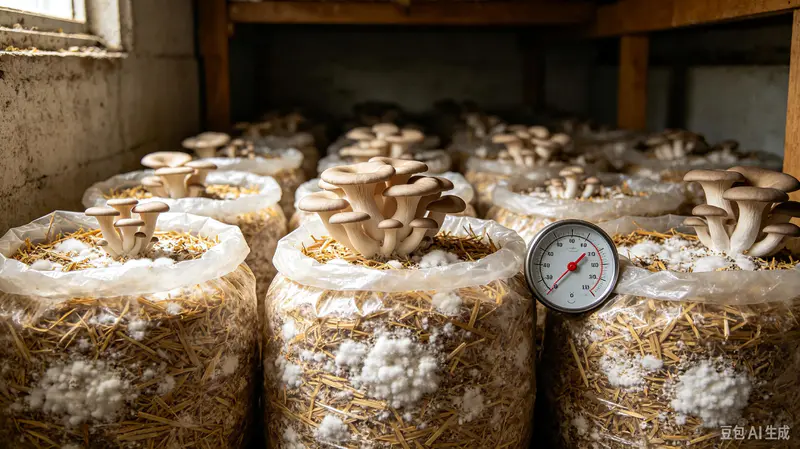
Step seven, harvest. The best taste is when mushrooms grow into umbrellas and are not fully dispersed. When they were taken, they were wrinkled, and after they had been picked, they cleared the shroom roots left on the surface, stopped for two or three days without spraying water, kept them wet, and produced two more mushrooms。
After the steps have been taken, many people have been planted at these points。
The first pit is made of corn and straw and rain. It's hard to control the fungus at the bottom of the raw material, probably with green mold。
The second pit: the straw mixed with bacteria without cooling, the hot and burning bacteria, and lastly, nothing。
The third pit: the bags are so tight, they don't breathe, they stink. The mushrooms are good fungus, and oxygen is easily lost。
The fourth pit: sun-tan. Mystics are afraid of strong light, hotter sunbath bags and easier to burn. It's the light, the shade。
Fifth pit: every day during the mushroom-spilling phase, mushroom-leaving water, rotten mushrooms, yellow hair. The spray is wetting, keeping the air wet, and the fabric is fine。
There's a time-choice reminder for spring and autumn. The summer temperature continues to be above 28 degrees, and the material is prone to heat fever and fungi; the winter temperature is longer than 10 degrees, the mycelium has almost stopped growing, the cycle is longer and the newcomers are less successful。
It is also important to be objective and clear to everyone. The straw itself is less nourished than cotton husks and maize cores, so it is not very productive, suitable for a small amount of household taste, and it is not appropriate for large-scale harvesting. Moreover, family sterilisation is merely evaporated, less than high-pressure sterilization in factories, with a higher probability of contamination than a professional kit, with a certain probability of failure and no 100 per cent expectation of success。
Many old people harvest rice, which used to be either burned or simply dumped, wasting resources, burning and not allowed. It's used to test the mushrooms, the waste is used twice, the mushrooms grow their own fried meat, the soup, and the taste is tender. Rural institutions are free to try less and the cost is almost negligible。
Many of the waste materials have other uses, and straw, corn cores, peanut shells can be used to plant edible fungus for a little bit. Either way, it follows the habits of the fungus. Temperature, water control, fungus resistance, every step of the way, is easy to lose。
I don't know, folks. Have you ever planted mushrooms at home with straw and corn cores? Have you ever seen a bag with green mold and no mushrooms? You're welcome to talk about your experience in the comment section。
"sweet tip."
Rice herbs are home-grown, which is not entirely susceptible to fungi breeding; ventilating and trying to avoid hot and hot summer seasons; and bad and stinking culture。
Declaration of exemption:
This paper, which shares the civic experience of home-based simple cultivation of mushrooms, is only suitable for small-scale family trials, and there is no guarantee that the mushrooms will always come out; wild mushrooms will not be harvested at will, and molded bacteria will not be eaten。









