


Pepper, this tiny tree seedling, may not be visible in your yard, but it's an indispensable spice for chinese cooking. It brings a spicy and unique taste to our food. If you want to plant pepper trees in your own backyard, there are some great ideas about how to grow it. Let's explore how to plant pepper seedlings in your oasis。
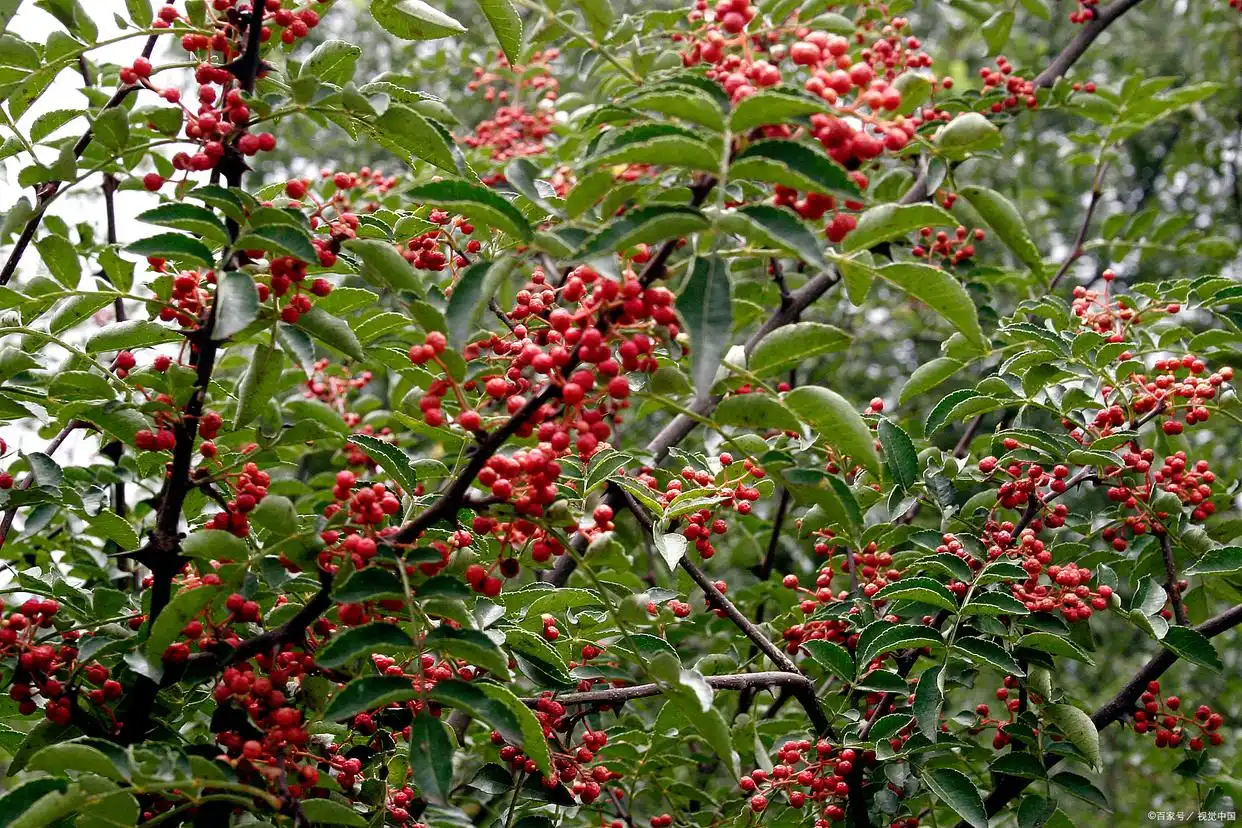
1. Selecting for healthy pepper seedlings
First, you need to buy healthy pepper seedlings. If you have a farm market or a nursery nearby, go see it! It's like the tree seedlings that seem to be vibrant, leafy and unobvious. And, of course, make sure they're pepper trees, not faked by other trees. If you have any doubts about the species of tree seedlings, you can ask professional horticulturalists, who will be happy to help。
2. Selection of suitable planting sites
Precious trees like sunlight, so choose a place with plenty of sunlight. Take into account the height of maturity of the trees when selecting the site to ensure that it does not block the growth of your sun or other plants. In addition, good drainage of soil is ensured and water accumulation is avoided, as pepper trees do not like wetlands。
3. Soil preparation
Prepare the soil for your pepper seedlings. Precipice trees do not have stringent requirements for soil, but the best soil is estranged land rich in organic matter. You can mix some organic fertilizers in the soil to increase nutrient content。
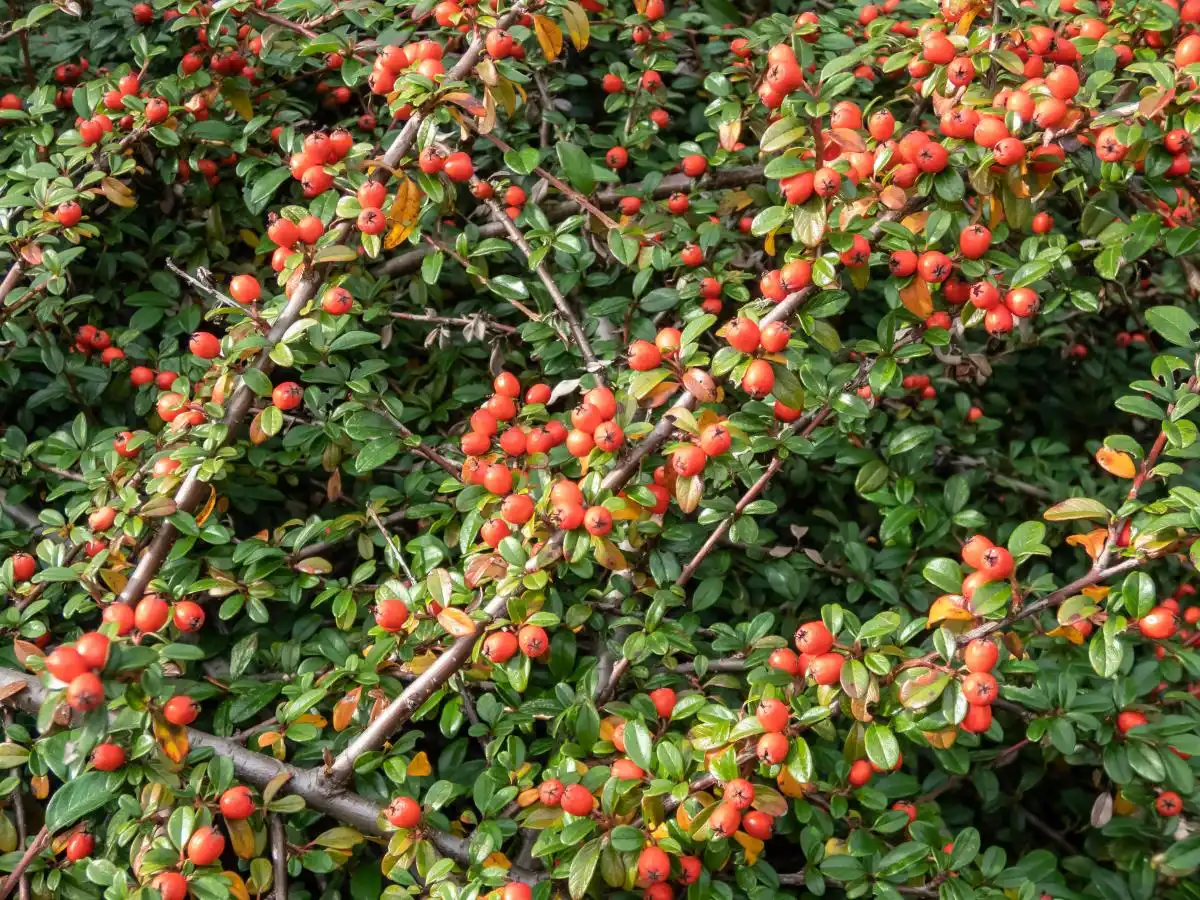
4. Plantation of pepper seedlings
Now is the time to put your seedlings into the soil! Dig a pit large enough for the roots of the seedlings to spread easily. A circle of earth was laid around the seedlings so that water would not run away during irrigation. Ensure that the stem of the seedlings is leveled to the ground and not buried too deep or too shallow。
5. Water showers
The new seedlings need to maintain moist soil, so it needs to be watered daily. However, do not overdo it, lest the roots be drowned. The frequency of watering can be gradually reduced when the pepper tree begins to grow and becomes stronger。
Fertilization
Every year spring and fall, fertilize your pepper tree. Use some organic fertilizers or those specially designed for pepper trees. This contributes to the growth of trees and increased yields。
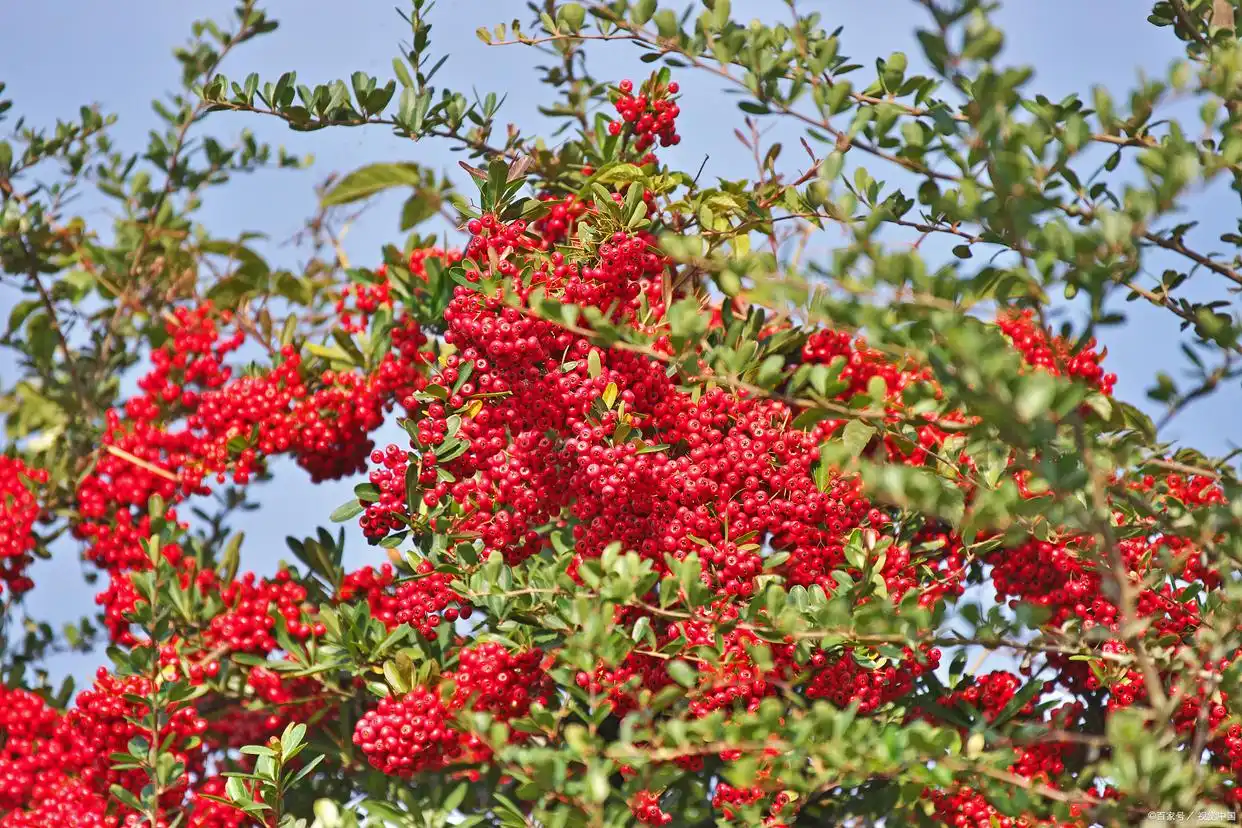
7. Management of pests and diseases
Although strong, the flowers are also subject to pests and diseases. Close attention should be paid to leaves and trunks and, when problems are identified, appropriate measures should be taken to prevent the spread of pests and diseases. You can use some organic pesticides or teach a professional gardener。
8. Cuts and trims
In order to keep the flowers healthy, the canopy is regularly trimmed and the dead branches and overtly branches are removed. This contributes to ventilation and sunlight and increases the productivity of peppers。
9. Harvesting peppers
Usually, the result does not begin until three to five years after planting. The harvest can take place when the fresh red is shown. You can pick pretzels and dry them or save them for cooking。









