


Pepper treeThe planting of seedlings is a careful and patient process involving site selectionSoil preparationThere are many links between cultivation and management. We will now give a detailed account of the process of planting the paprika seedlings in order to help you successfully grow healthy paprika trees。
Location
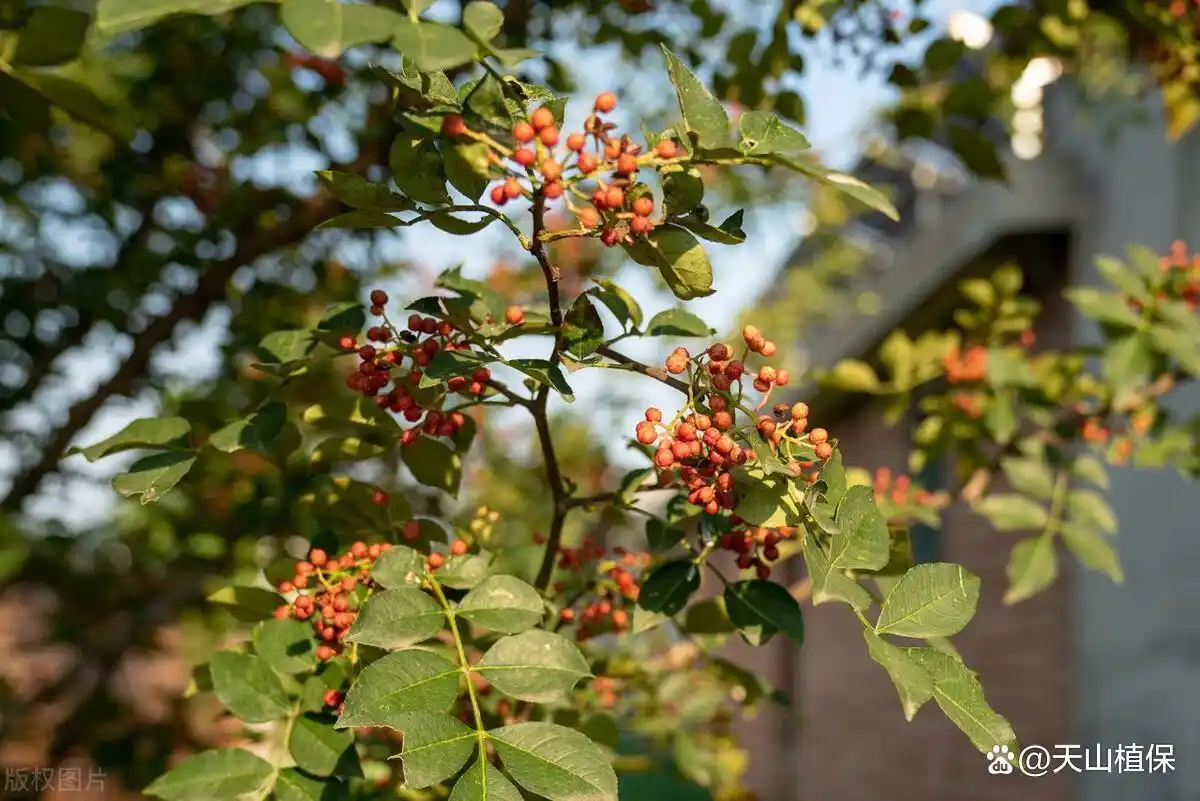
Precipice trees prefer warm, wet climates and are less demanding for soil, but prefer to choose deep, well-watered, organically rich soils. Sites are selected in such a way as to avoid low-lying areas, wind vents and areas vulnerable to freezing。
Soil preparation
Soils need to be grounded and fertilized before planting. Deep rolls can defusing the soil and improve its permeability, contributing to the growth of pepper seedlings. Fertilizers, in turn, provide sufficient nutrients for the soil and for the growth of pepper seedlings. Generally, each acre can be used to apply 2000 - 3,000 kg of decomposition and 50 - 100 kg of compound fat。
Iii. Cultivation
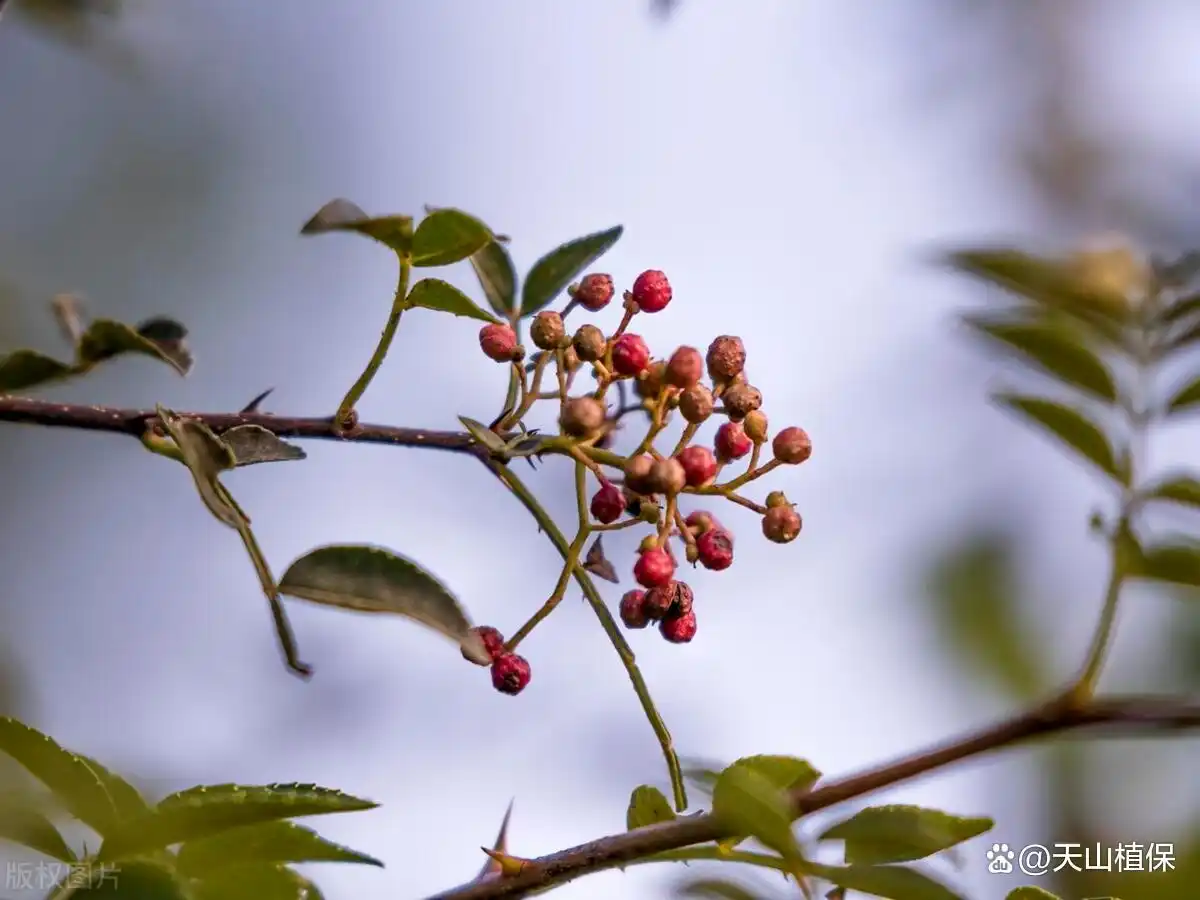
1. Selection of seedlings: crop seedlings that grow robust, have developed roots and are free of pests and diseases. The height of the tree is typically between 50 and 100 cm and the diameter between 0. 5 and 1 cm。
2. Timing of planting: the planting time of the paprika seedlings is generally in the spring, at which time the temperature is gradually rising and the soil temperature is moderate, facilitating the growth of the paprika seedlings。
3. Cultivation methods: caves are dug on prepared land at a distance of 2-3 metres and between 1 and 1. 5 metres, depending on the size of the tree. The tree is placed in the den, the soil is filled with the ground and the ground is pressed lightly, so that the tree is closely integrated with the soil. It is then watered enough to allow the soil to absorb。
Management
1. Watering: precipice seedlings need adequate moisture during their growth, especially during dry seasons, and water is timely and soil humid. Care must be taken, however, to avoid over-watering and to avoid the root causes of decay。
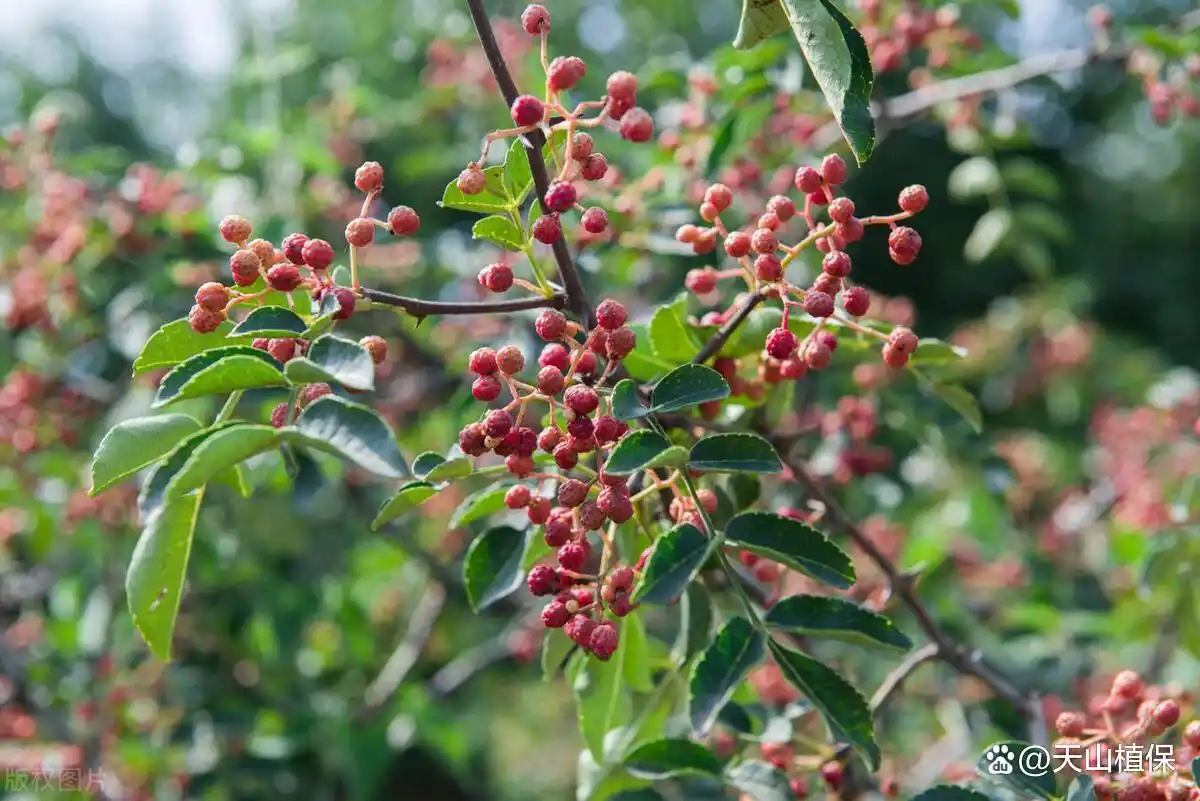
Fertilizers: precipice seedlings require constant nutrient supply during their growth. In the early stages of growth, nitrogen fertilizer can be applied once a month to promote the growth of trees. As the trees grow, the proportion of phosphorus and potassium fertilizer can be increased as appropriate to increase resistance and production of peppers。
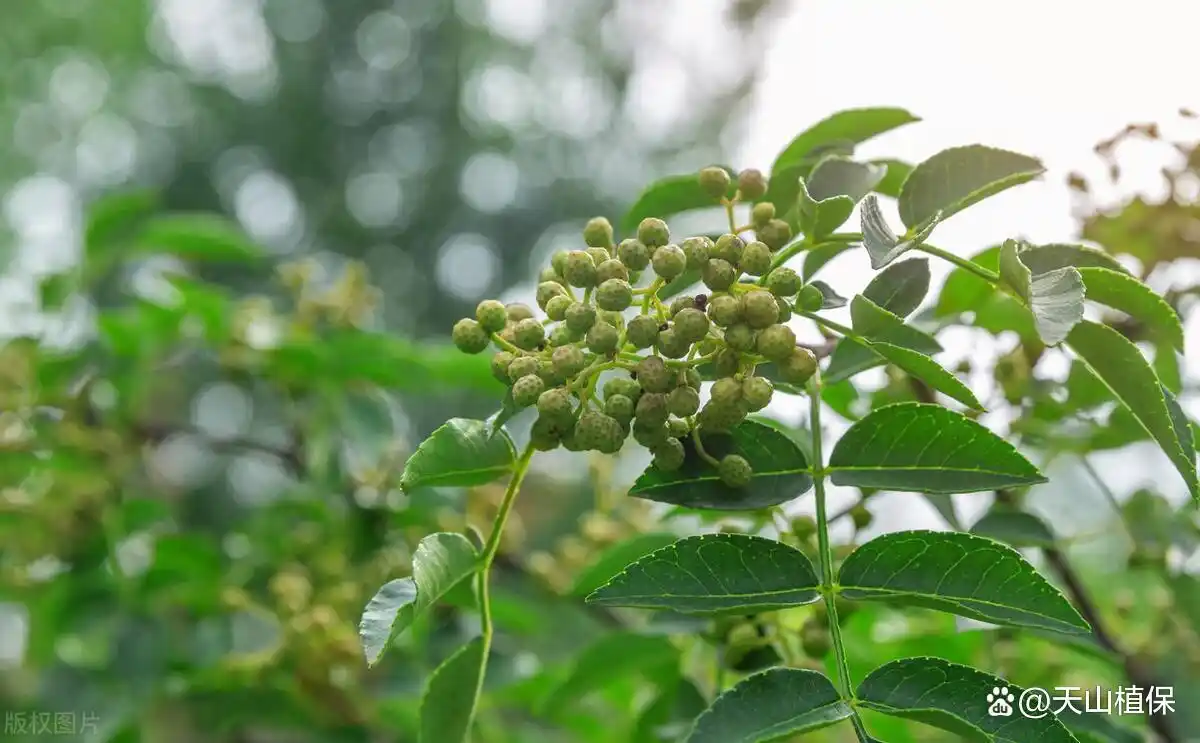
Cutting: precipice is an important measure to improve yields and quality. The purpose of the cut is to preserve the beauty of the tree, to ventilate and to reduce the occurrence of pests and diseases. Cuts are done to remove weak branches, cross branches, overlapping branches, etc., so that the canopy is either umbrellaed or happy. Cuts are usually performed during winter。
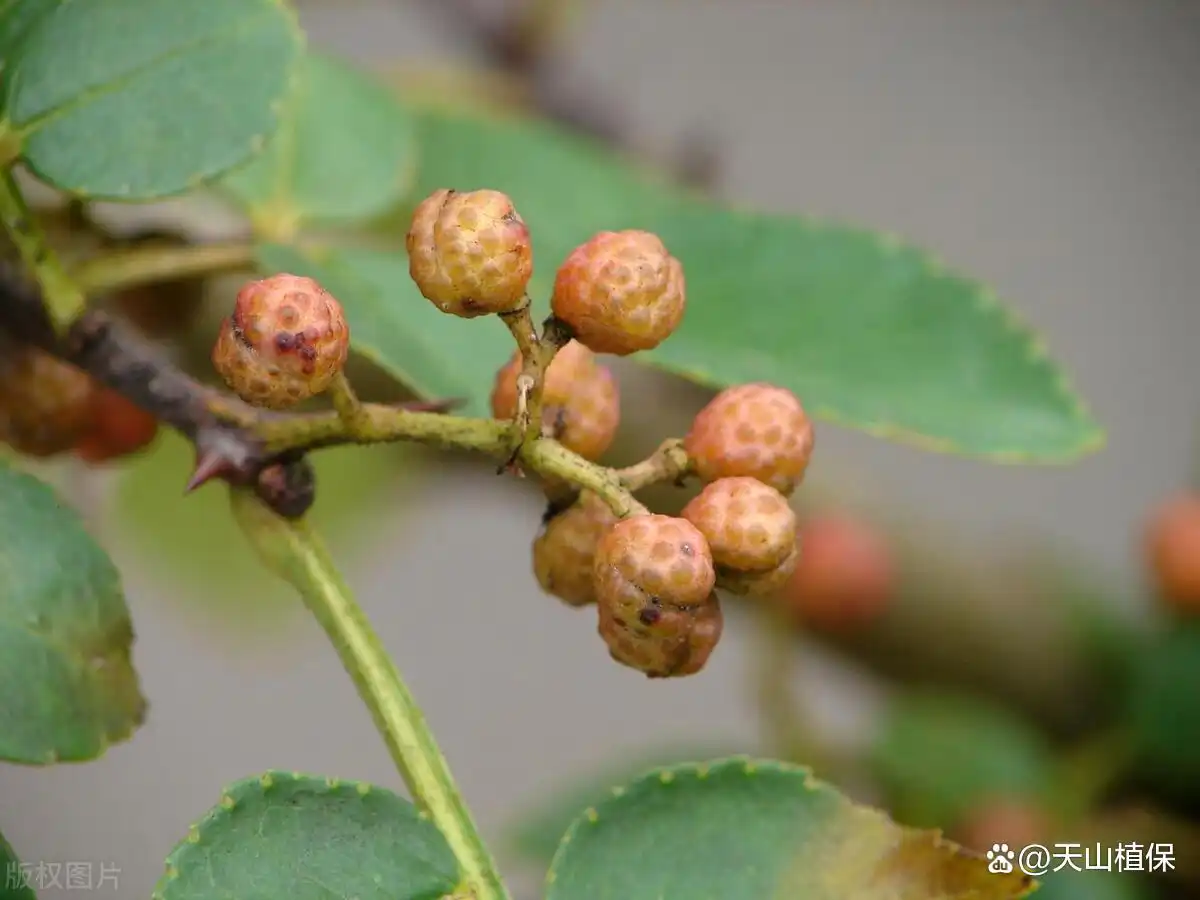
I'm sorry.Pest control: precipice trees may be affected by pests during their growth. In order to combat pests and diseases, the following measures could be taken: selection of disease-resistant varieties, enhanced management of fertilizers, maintenance of tree strength, and timely removal of disease and pest sources. In the event of an infestation or infestation, drug control measures should be taken in a timely manner to prevent the spread of the disease。
Harvesting and processing
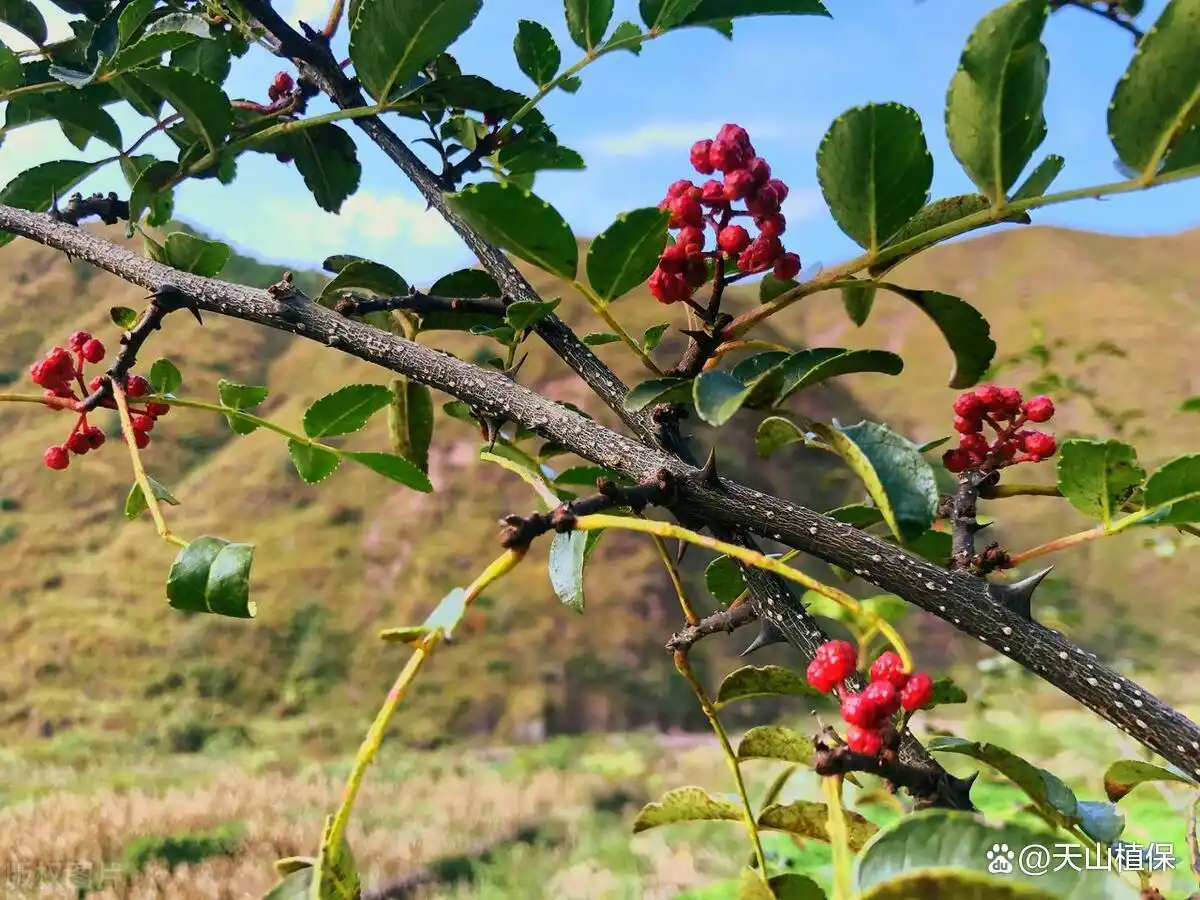
Precipice trees are usually harvested in the autumn when the colour of the precipice is red or brown and the skin is radiant. Picking is done by choosing the clear weather to avoid rain or open-water weather to affect the quality of the peppers. The pick-up of the peppers is prepared for drying or drying to reduce its water content to less than 12 per cent, which can then be stored or sold. # piper tree #
In short, the cultivation of pepper seedlings requires some technical and management experience. The successful planting of healthy pepper trees and the joy of harvests can be achieved through a combination of site selection, soil preparation, planting and management. I hope this will help you









