


Pepper treeAs an economically valuable, adaptable and widely used spice and medicinal crop, there is a long history of cultivation in china and throughout the world. Its fruit is rich in aromatic oil, which is an indispensable spice in cooking, while the pepper trees also have medicinal values such as ventilation, humidification and live blood communication. Here's a detailed description of the pepper treeMethods of cultivationAndManagement techniquesIt helps growers to produce high-quality pepper trees efficiently and scientifically。
One, prepare for planting
Soil selection
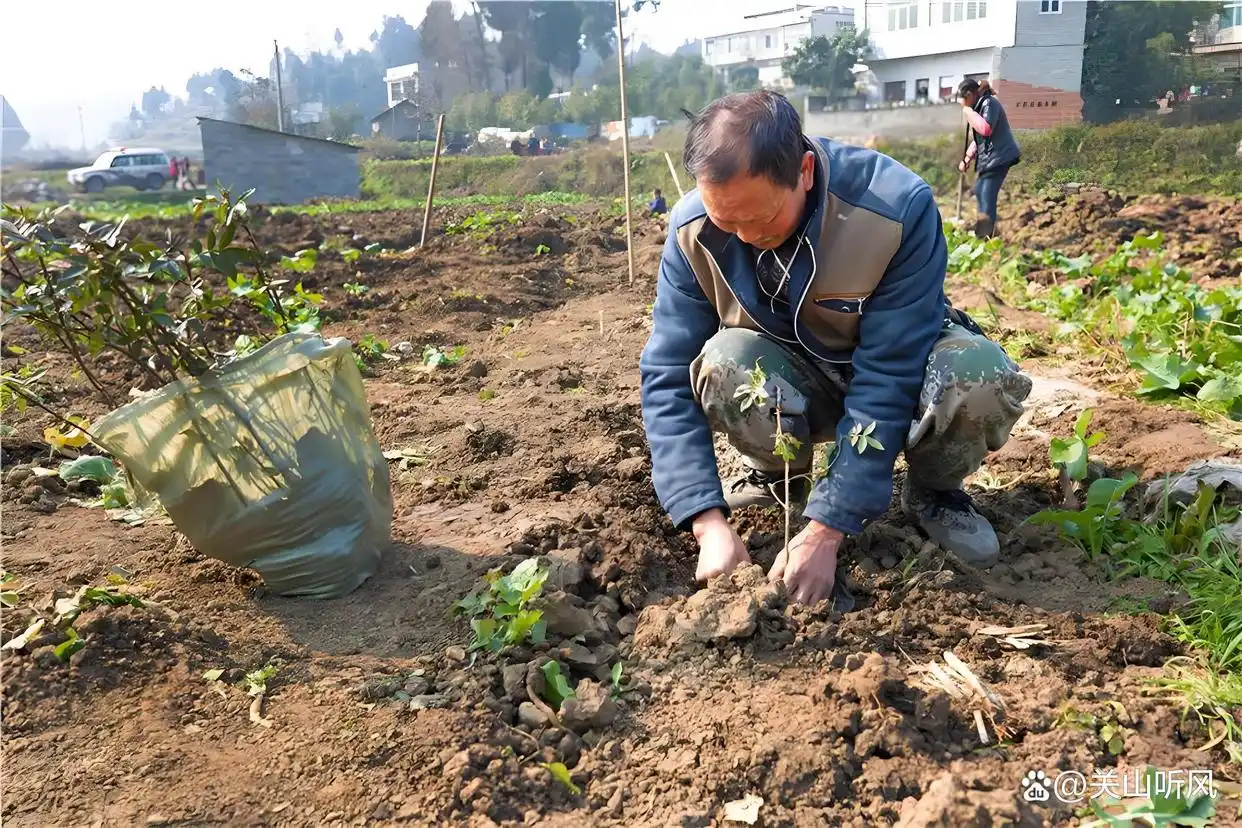
Precipice trees are more adaptable to the soil, but are best grown in deep, fertile, well-watered sandy or bordered soil. Salinity, low-lying and adhesive land should be avoided in the selection of planting grounds to ensure healthy growth of pepper trees。
## ## 2. Fertilizing the whole place
Pre-plantation requires deep soil reclamation at depths of 30 to 40 cm, along with the removal of weeds and stones. In combination, application of decomposed organic fertilizers as base fertilizers, adjusted for soil fertility per acre, is generally recommended for 2000-3000 kg and is combined with an appropriate amount of composite fertilizers to balance soil nutrients。
3. Varieties selection
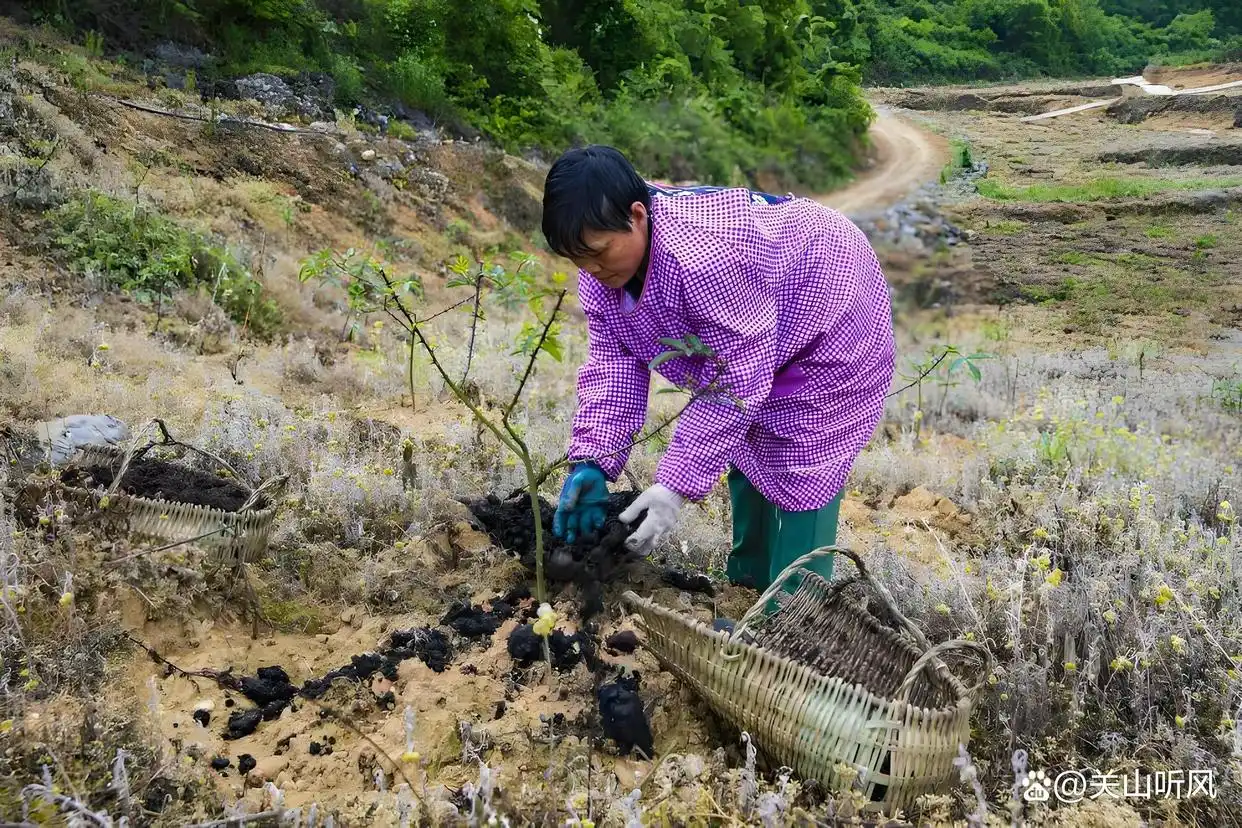
In accordance with local climatic conditions and market demand, varieties of precipitous, high-yielding and high-quality peppers, such as red robes and nine leaves, are selected. Ensure that seedlings are strong, disease-free and root systems are intact。
# # # # # # # # # # # # # # # # # # # # # # # # # # # # # # two # # growing techniques # #
##1 #1 planting time
The best planting time for a flower tree is in the spring or autumn, when the soil is unfrozen until it is fertilized and in the autumn before the soil is frozen. These two seasons are suitable for the production and growth of precipice。
Cultivation density
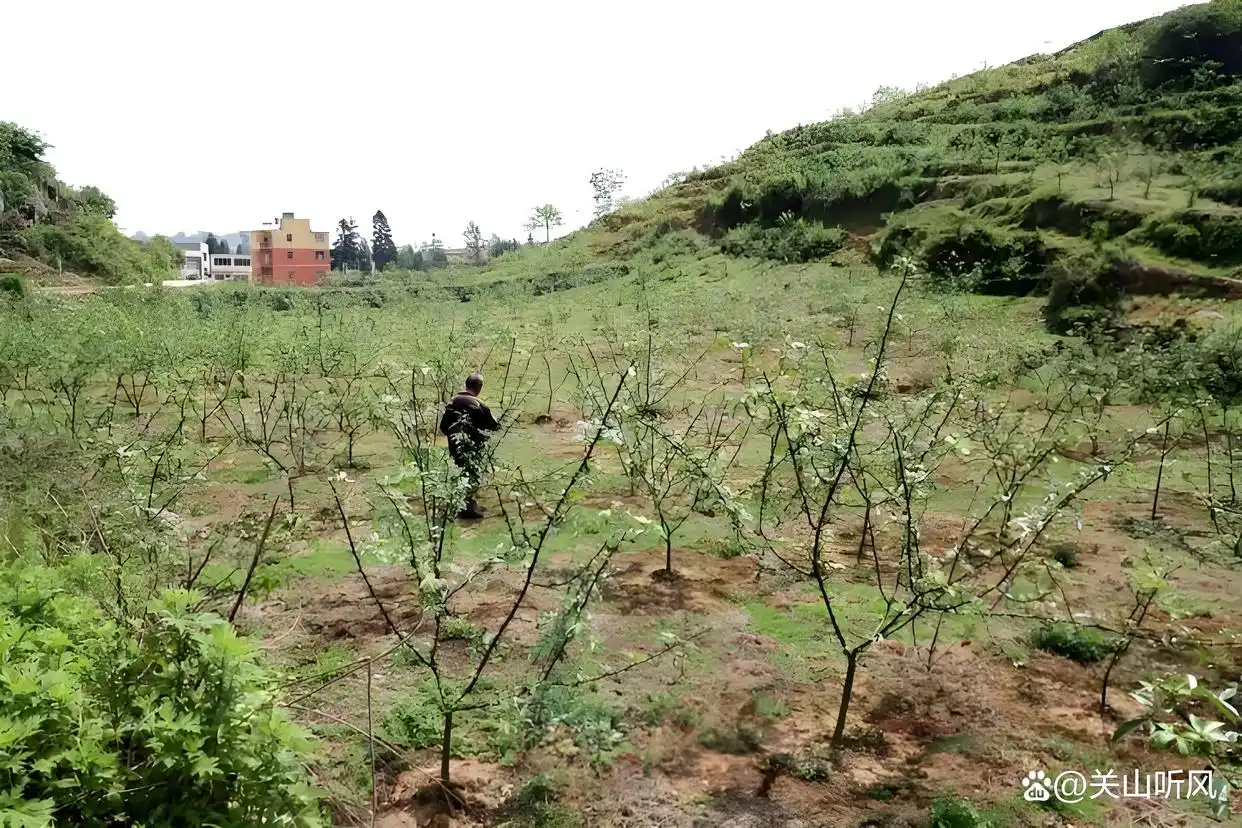
Sound planting is key to increasing the production of peppers. Cultivation density is generally determined on the basis of topography, soil fertility and variety characteristics, with a range of 2 m x 3 m or 3 m x 4 m in the plain area, with an appropriate increase in the range of the slope to ensure sufficient space and light conditions for each flower tree。
3. Plantation methods
Preplanting is preceded by the extraction of slurry or root powder solution from the root of the pepper seedling to increase the survival rate. When planted, the dens are dug, with depths slightly greater than the root length of the tree, the tree is placed in the den, the soil is refilled and the seedling is light, the root is naturally stretched, then the soil is laid down and the water is poured out。
# three, management technology
Water and drainage
Precipice trees are resistant to drought and flooding and need to be properly watered during their growth in accordance with soil conditions, and the soil is wet but not wet. During the rainy season, attention should be paid to drainage and flood prevention and to avoiding the root causes of decomposition。
2. Fertilizer management
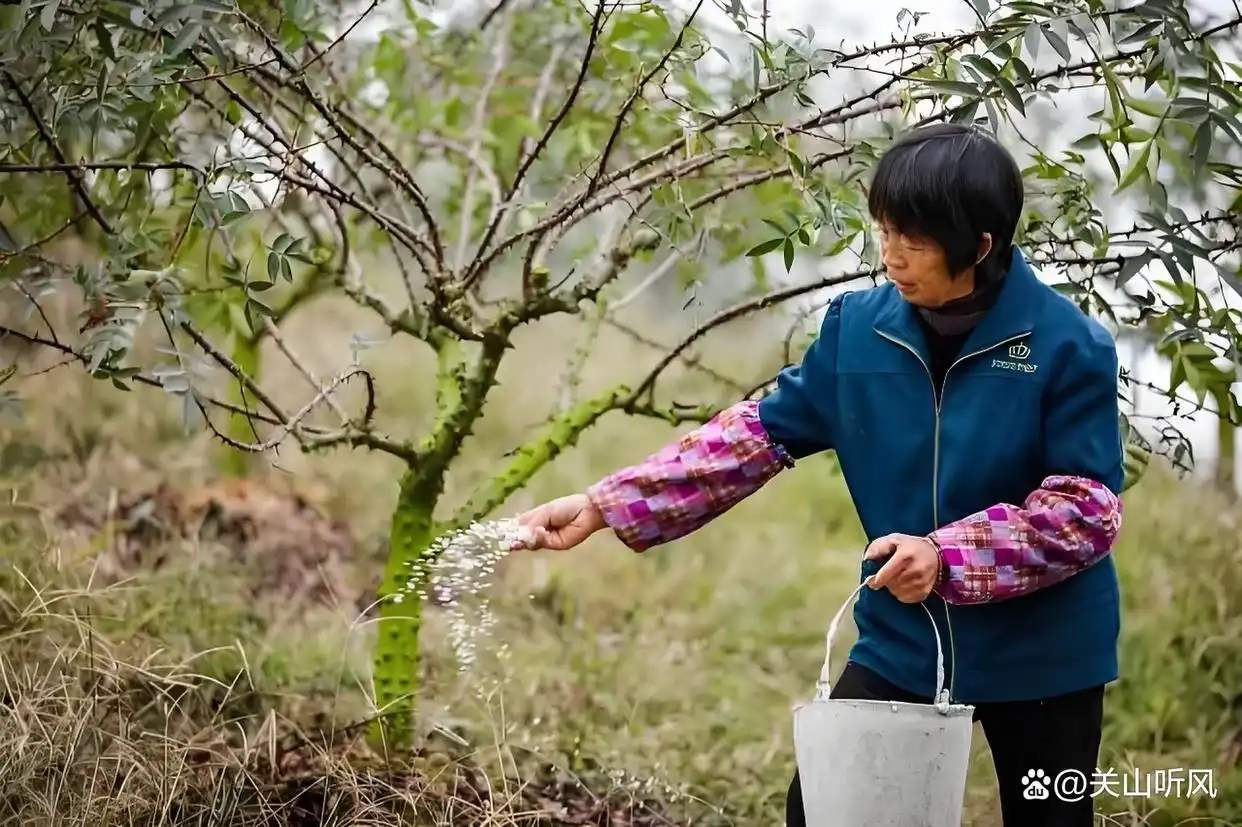
Precipice trees have a long cycle of growth and require high levels of fertility, which, in addition to base fat, require multiple pursuits. The growth of branches is facilitated by the long-term production of nitrogen fertilizer; increased application of potassium phosphorus fertilizer during the bouquet period, which promotes chromatization and fruit development; and the introduction of organic fertilizer in early autumn and winter, which increases the resistance of trees to cold. Fertilizers should be applied in ditches or caves to avoid injury to the root system。
##3 trim
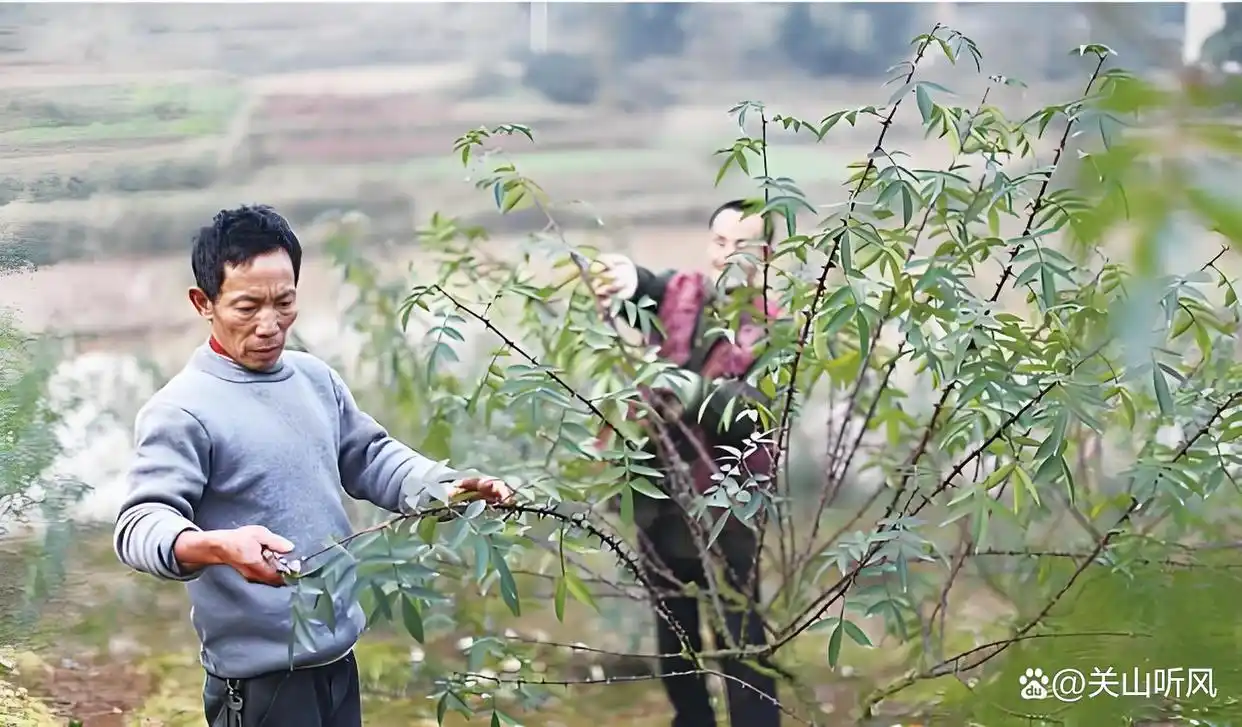
The precipice tree is trimmed mainly by winter and by summer. Winter shears are mainly for pests, weak branches, cross-cutting branches and overlapping branches, improving the ventilation of trees; summer shears are mainly for heart cutting, sprouts and pulls, controlling branch lengths and promoting the separation of buds. The production and quality of peppers are enhanced by the modification of their shapes and the formation of rational tree structures。
#4 #.Pest control
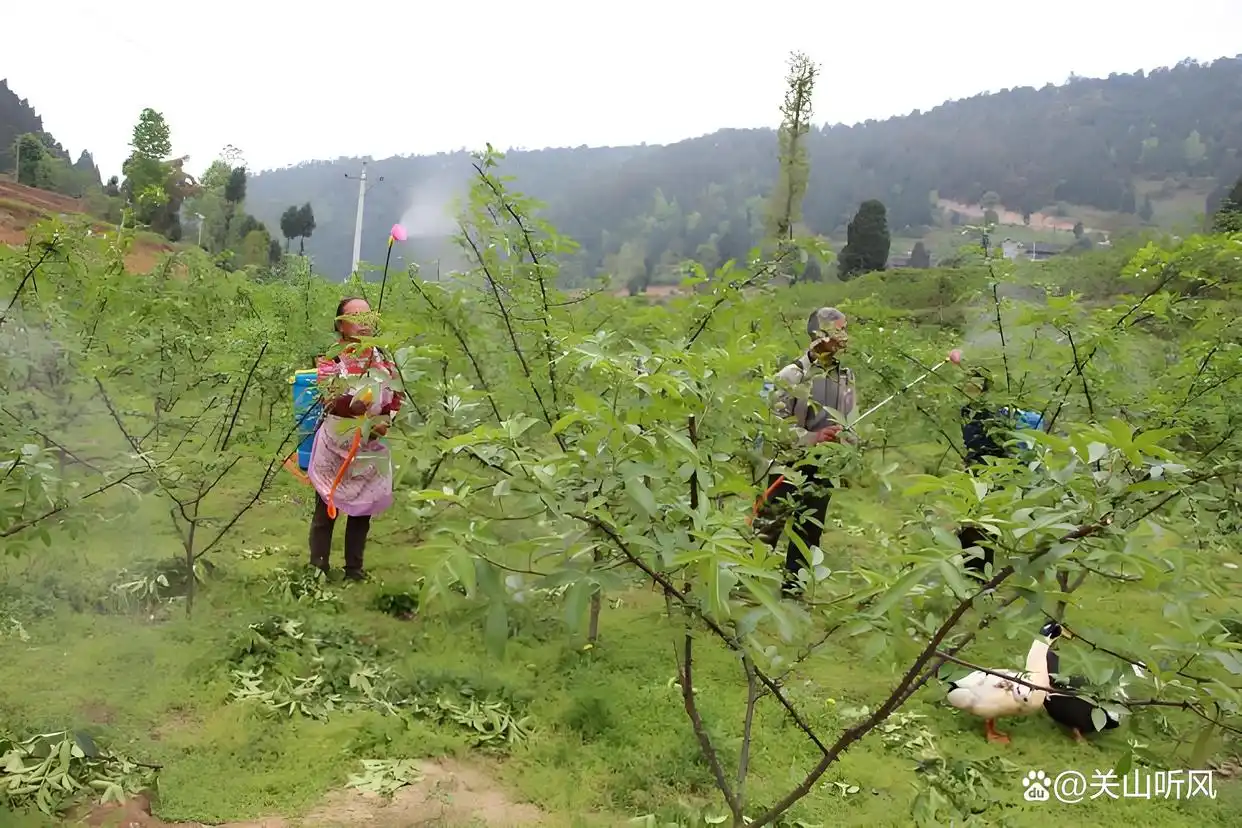
Aphids, red spiders, pepper rust and anthrax are common pests. Prevention should be based on the principle of “preventive, integrated” and take a combination of agricultural, biological and chemical approaches. Strengthen field management to improve tree resistance; control pests using natural enemies and biological agents; and, if necessary, select low-toxic, efficient and environmentally friendly pesticides for chemical control。
5. Collecting and storing
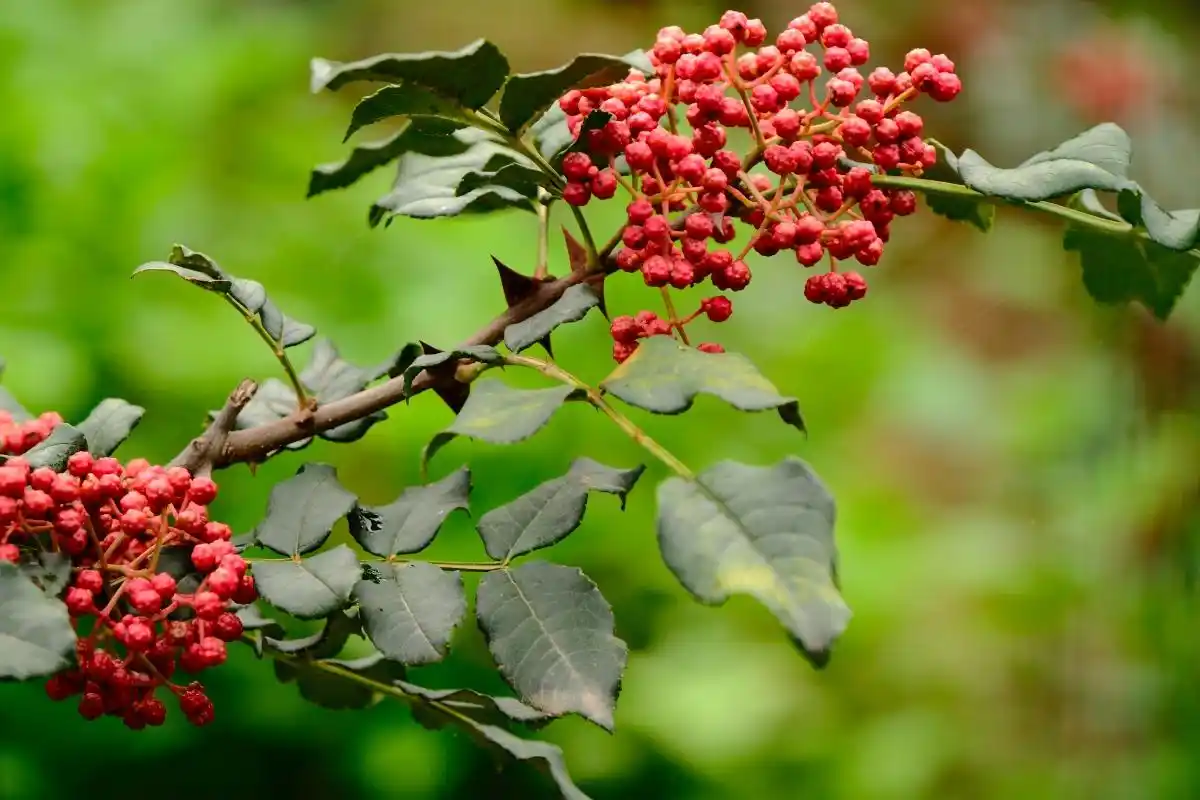
The timing of the harvest of the precipital fruit varies according to variety and region, usually during the summer to summer periods. The harvest shall be chosen in the light of the sun, and the branch shall be moved gently with its hand so that the fruit may fall naturally, avoiding damage to the branches and leaves. The harvested precipitine shall be dryed or dried in time to a quantity of less than 10 per cent of water and shall then be placed in a sealed bag or container and stored in a cool and dry place in order to prevent impurities and pests。
In summary, the method of planting and management techniques of the flowers are multifaceted and each step, from pre-plant preparation to the maintenance of critical technologies in the planting process, is critical. Only scientific planting techniques and fine management methods can produce high-yielding, high-quality pepper trees, with a double harvest of economic and social benefits。









