


The precipitous and economically valuable nature of the peppers, which are good spices and important medicinal products, and the fact that seeds can extract oil for consumption and for industrial use, can be said to be a treasure。
In addition to the large population of the country and the high demand for them, the production of peppers in the country continues to be exported to foreign countries, such as japan, singapore and malaysia, which use our own unique peppers for spices。
During this year, the country's paprika plant covers approximately 17,284,000 acres and is divided into two varieties of paprika and red pepper, mainly in sichuan, yunnan and guizhou, and mainly in shaanxi, shandong, henan, hebei and jiangsu。
As for the benefits of pepper cultivation, i would like to refer to the benefits of pepper cultivation in terms of supply and demand for production and consumption, respectively:
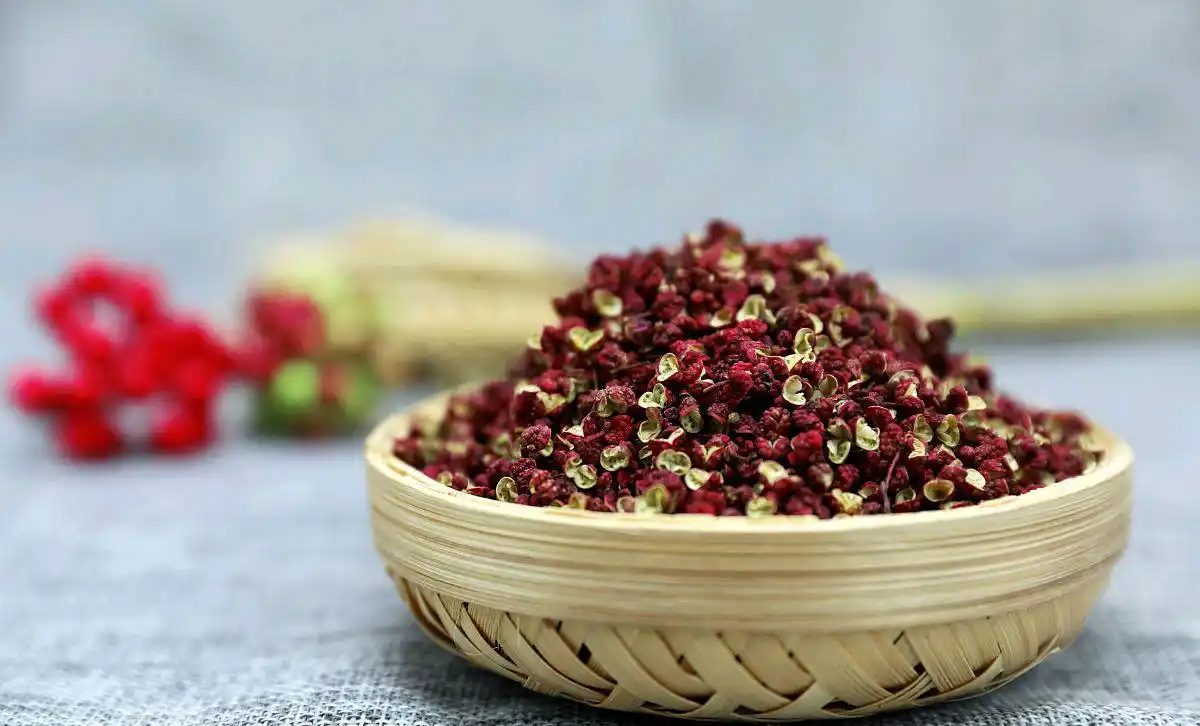
Prospects for and benefits from the cultivation of peppers:
1. Production of peppers:
As for the production of peppers, statistics show that from 2014 to 2018, domestic production of peppers increased from 289,000 tons to about 574,000 tons, an increase of 29. 4 per cent。
As for the consumption of peppers:
However, domestic production of peppers is far less than domestic consumption, which in 2020 was around 740,000 tons。
More than 70 per cent of the peppers imported from japan and south-east asia, in particular, have been imported from our country。
3. Benefits of growing peppers:
Currently, the price of dry peppers is 39 pounds, according to 100-120 pounds of dry peppers per acre and 500-600 pounds of fresh peppers. So an acre of peppers has an annual income of 110 pounds x 39 bucks per pound = around 4290 bucks。
Owing to the perennial benefits of a flower tree cultivation, the cost of managing it is minimal and is largely labour-intensive during the picking season。
As a result, the cost of planting, managing and labouring each acre is around $1,900, and the net income from planting one acre of peppers is 4,200 – 1900 = 2,300 – so the benefits of planting the peppers are considerable。
In particular, it has the characteristics of fast-growing, high-yielding, high-yielding and early marketing, and can produce about 150 pounds of pepper per acre, more than $5,000。
As a result, farmers grow pepper as a enrichment project based on the production, consumption and benefits of cultivation. However, the cultivation of peppers is also due to their origin, and some parts of the country are not suitable for the planting of pepper trees。
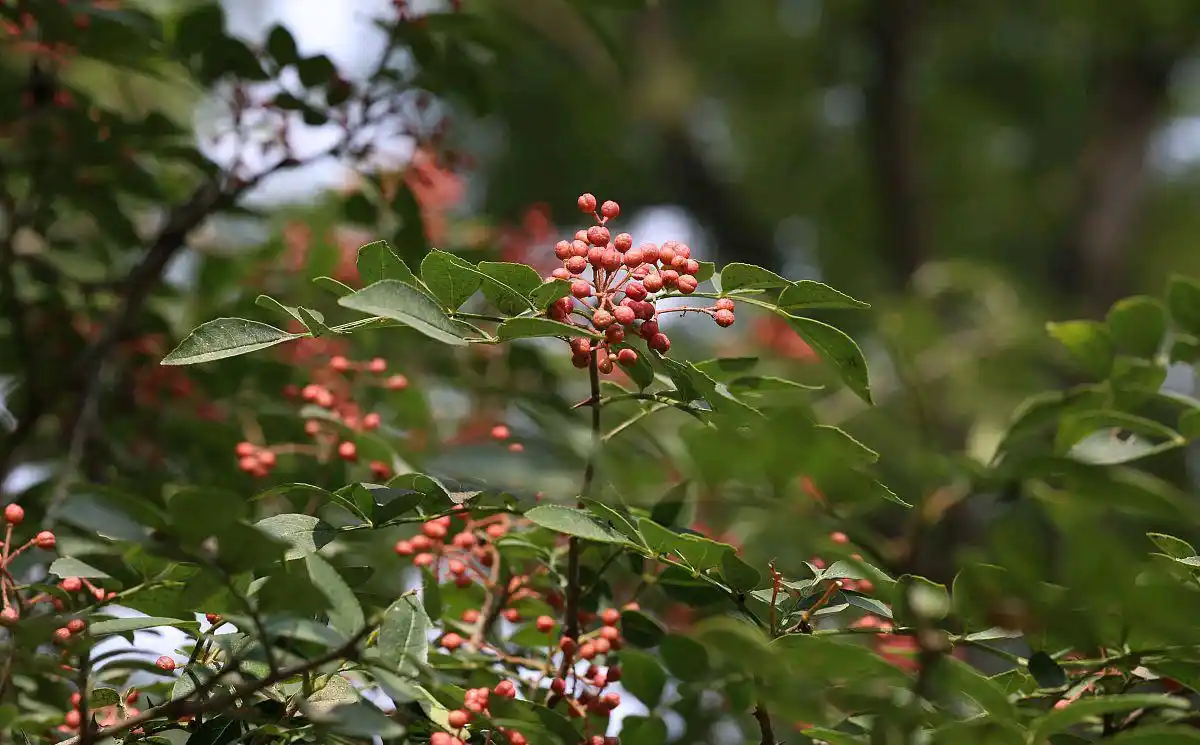
Scientific methods of planting peppers:
[applause]
Since the pepper seed matures between september and october, it should be picked when the skin outside the pepper is purple and individual bark is split and the seed is radiant。
We farmers dry the paprika seeds that are recovered in thin air in the back. Be careful, however, not to be exposed so as not to decrease or lose the gerontivity。
When the wind breaks dry, the seeds and moist grass-wood ash can be taken together and the oil on the skin removed, so that they can be broadcasted in winter or stored in winter。
[ii] storage of pepper seeds:
There are two steps in its storage. Let me say:
Step 1: in a well-drained backside, dig a rectangular pit of approximately one foot and five inches deep, approximately 0. 5 metres deep, depending on the size of the seed。
The seed is then immersed slightly with a warm water, and then the seed is mixed with two wet sands in a single seed, covering about five inches (17 cm) of sand。
The second step is to add a single seed, two of cow dung, sheep dung or mud to the water, and then make it into pies or mudcakes, and dry it up and put it on the wall。
Then, after spring, the cakes will be broken and the dung will be soaked on the bed。
Scientific seeding of peppers:
Gourd:
The choice of nursery land is also important, and since the pepper tree loves sand, it is preferable to choose yellow or sandy land with drainage conditions before breeding。
When a ditch is opened, machine till about 30 centimetres, then organic fertilizer is applied, usually 6,000 pounds per acre, 100 pounds of fertilizer, and then seeding is done。
In general, seedlings are available in winter or spring, before seeding is done, they are spread on well-established nurseries. It is approximately 27 centimetres away, covering 1. 5 to 1. 8 centimetres of soil, and is sowed after light repression。
Seeding:
The seed volume of pepper per acre is about eight to ten pounds, which is often watered after planting and the nursery bed is kept wet。
When the soil is 50 mm high, the seedlings combine with the pine soil and weed. In the early hours of the precipice, artificial or chemical weeding is used, and the use of hoes is not permitted in order to protect the seedlings from its roots。
In june and july, fertilizer can be applied at intervals of about 15 days each, and 10 to 15 pounds per acre, or 600 pounds of organic fertilizer。
When the seedlings were over 50 centimetres high, they were ready to plant。
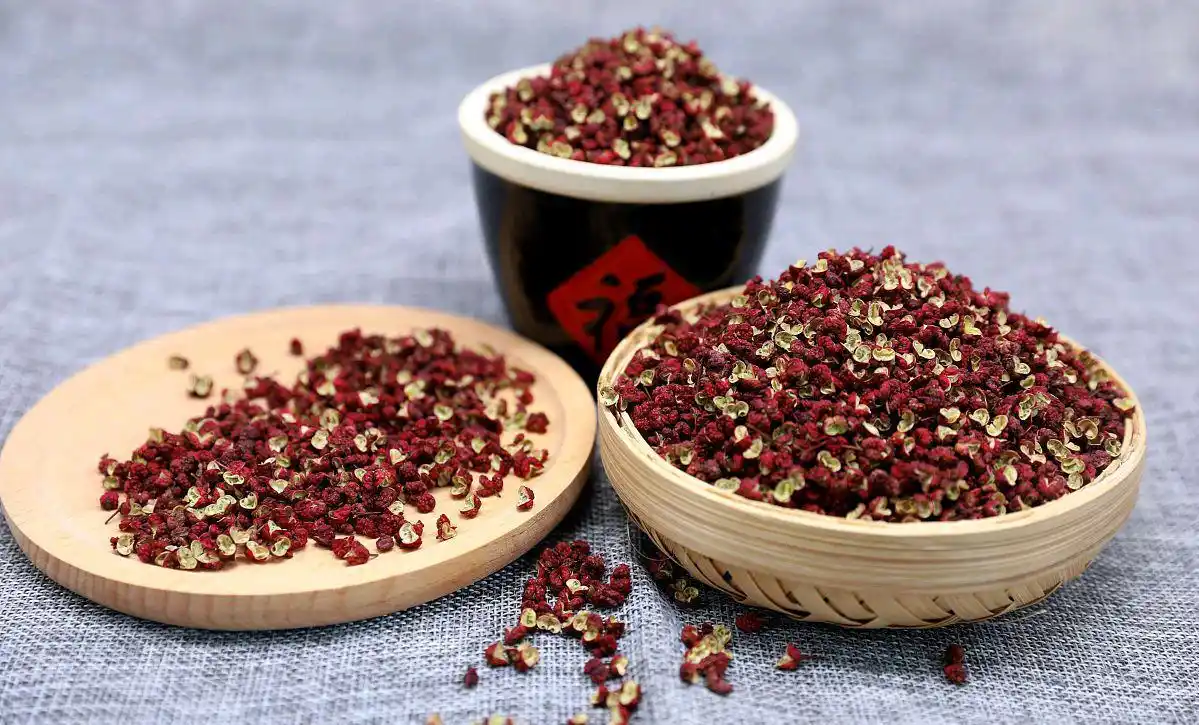
[iv] forestation of pepper trees:
Because of the warmth and coldness of the peppers, it would be preferable to plant them with a backwind towards the sun, warm and wet, and deep earthy low slopes, either behind the front house or on the field。
Afforestation time: it usually occurs before winter spring and spring, which, if too dry, can also be planted in the rain, but not after autumn。
In the form of an acre, approximately 250 to 300 acres are grown, while the four sides are made of a green fence, which can be planted at a distance of five feet (about 50 centimetres) and three feet (1 metre)。
Caution: during planting, some of the leaves are cut with scissors to reduce the dry water evaporation of the trees in order to increase the productivity of the seedlings。
Scientific management of pepper trees:
In the second year following the planting, in addition to the timely management of pine soil, other than grass, fertilizer, etc., the precipitating and deforming of the precipitating piping is necessary to encourage multiple branching in order to benefit from the increased production of pepper。
(1) water fertilizer management of pepper trees:
Because of the radiant, drought-resistant and flood-resistant nature of the flowers, we must manage them in such a way as to drain them。
Therefore, when managing the paprika tree, it is important to put the soil below and open drains and irrigate it properly to sustain its normal growth。
Second, the roots of the pepper tree are more developed and there is a high demand for fertilizers, so it is important to apply extra fertilization when applying to ensure that the tree is adequately fed。
(2) integrative cutting management of the pepper tree:
There's three points in the scientific integration
1 at the early spring festival, the trees are cut off from the trunks of the flat ground, so that the trees are sprouted into a bush and wells are repaired。
2 at four to five inches from the ground, the trunks are nuanced into low-dry shapes。
3 at 3 to 5 feet from the ground, the trunks are nuanced into high dry form。
The benefits of a bushy and low-dry pattern are the abundance of paprika branches, their high production, their strong wind resistance and their ease of harvesting the fruits, which are mostly used by farmers at high productivity。
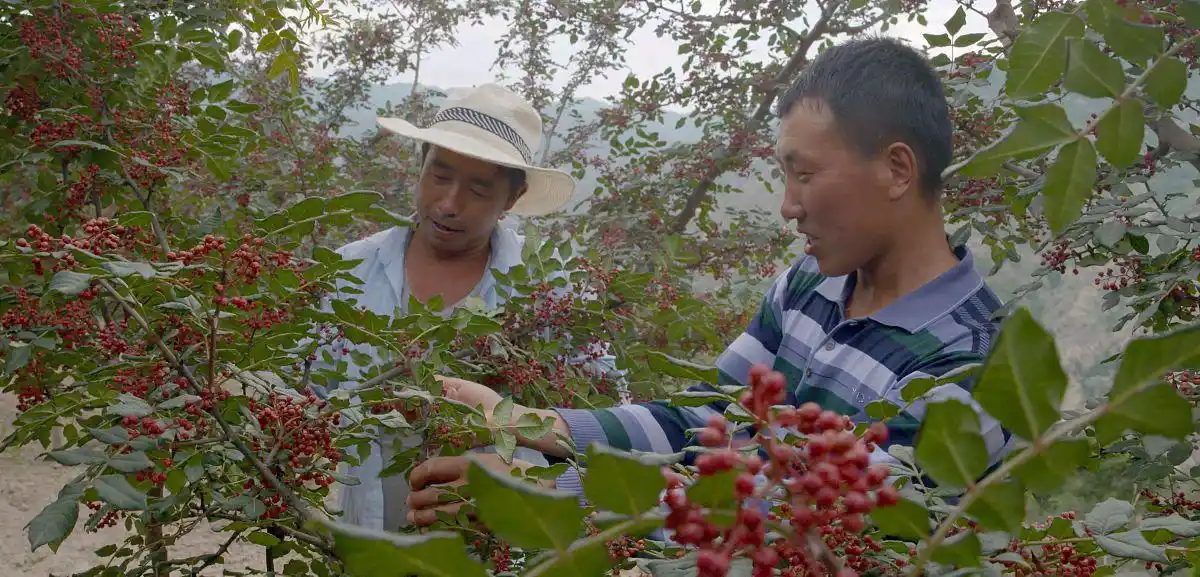
Final summary:
That's how the flowers growManagement techniquesAnd the prospects for farmers to grow peppers. Thus, the prospects for the cultivation of peppers are good, while the current market consumption of high-quality peppers is also on the rise, with annual growth trends。









