


At this stage, to promote rural constructionAgricultural developmentThe regions are actively exploring planting projects that will lead to sustainable development in accordance with local climate and soil conditions. And today, where the economic value of peppers is growing, it has become an important option for farmers to reap the benefits. Precipice trees, which are small leaves, are one of the early, adaptable and cost-effective economic species, with obvious application value for fruits, leaves and branches. Therefore, in order to achieve the high-yielding goal of planting pepper trees in the regions, it is necessary to start with the technique of planting pepper trees and to identify the main elements of planting them。
I. Value of pepper cultivation
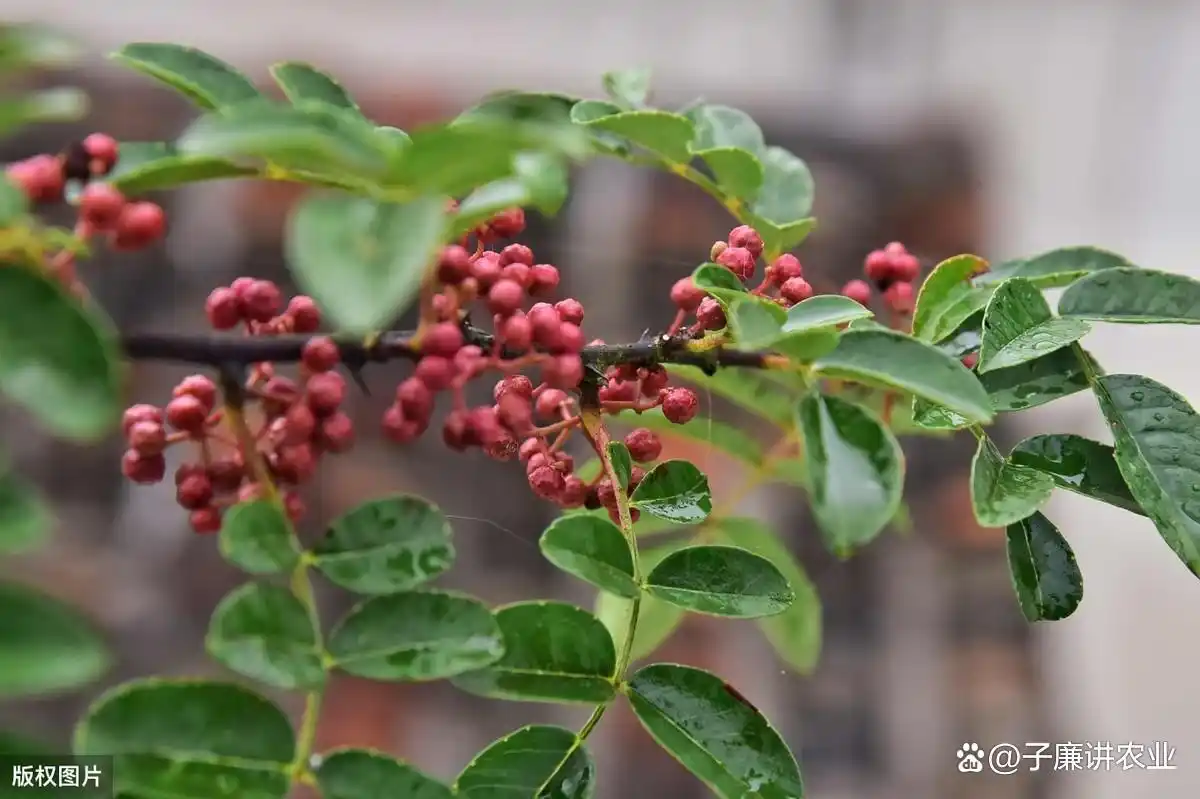
The main areas of the country are gansu, shaanxi, shanxi and sichuan. Precipital trees are one of the more widely distributed oil and spice trees in the country, and their planting value is reflected mainly in their own use. In particular, the paprika roots, which are well developed and more solid, are the water and soil conservation species of our arid, semi-arid regions, which can be grown alone or as a shielding fence for agricultural land, or orchards. In addition, the pepper seed is woody oil, and oil cakes can be used for breeding, fertilization and soap production, and precipitine leaves can be used for cooking after crushing. However, the precipitine is a spice, aroma raw material and has the effect of medications such as painkilling, insecticidal and typhoid, which treats aphids, diarrhoea and abdominal pain. The woody structure of the paprika tree is tight and even, and the radiant radiance of the face is evident, with more outstanding fine arts and crafts value。
Ii. Technology of piece piece
1. Good species choices
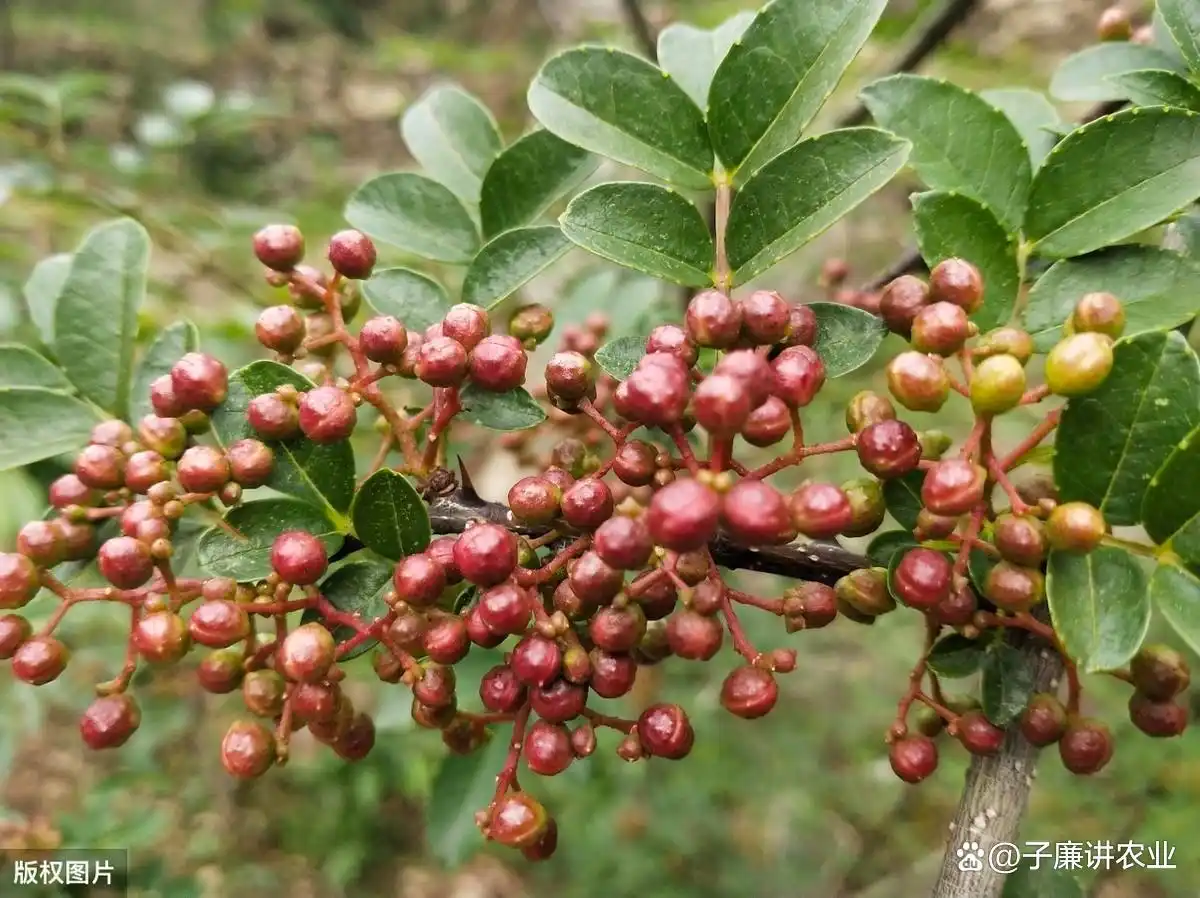
Owing to the abundance of the species of peppers, the selection of the varieties of peppers will have to be based on local climatic conditions during the pre-planting period. On the one hand, planters can choose a 10-year-old, healthy and productive parent tree as a source of pepper species. On the other hand, the quality of the precipitous seeds is strictly controlled, which ensures that they are free of pests and that the particles are full. In addition, once the seeds have been collected, they should be dried in a timely manner and stored in wet sand deposits. Thereafter, the planters are required to move the wet sand layer to areas with good volume and ventilation, and to water the sand regularly in order to retain water, thereby enhancing the life of the seed and ensuring its growth rate. Prior to formal planting, planters should focus on the processing of pepper seed. First, during the cleaning of the seed surface oil, a suitable cleaning agent can be poured into the warm water and, when it is integrated with the moisture, a portion of the cold water can be transferred. In general, 50 hot water should be applied to 200 g washing agent, but after later cold water should also ensure that the overall temperature of the cleaning solution is at 50°c. Second, the seed is poured into the cleaning solution and the cleaning is done by hitting the outer wall of the container. Finally, when the colour of the surface of the seed becomes light black, it is necessary to extract the seed in time for it to be immersed in clean cold water for a period of 6 to 10 hours in order to wash the skin oil。
Landscape selection and landscape
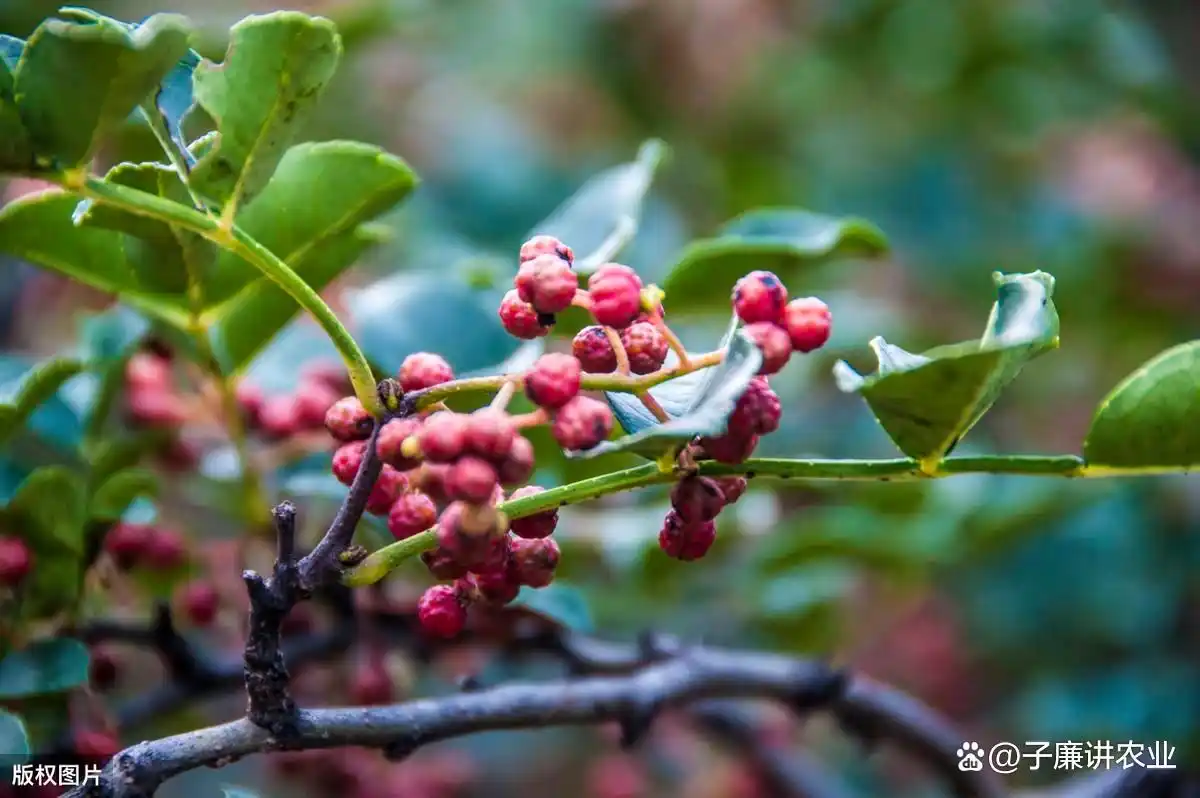
First, park selection. Soil conditions affect the production and quality of peppers, so in the case of planters, the choice of the garden needs to be valued, and as far as possiblePepper cultivationCultivated to areas with high soil fertility and high drainage performance. At the same time, in order to ensure good lighting during the growth of the pepper tree, planters also have to choose an open garden。
Second, the whole floor. The ground-building work during the planting of peppers is based on the scientific treatment of geological types such as flat ground, mountains and so forth. Therefore, different measures are required to improve the quality of the landscape and to address different geology. For example, when you're sorting the ground, you can use a taped, block-shaped approach, combined with the growth of the pepper tree, and turn the garden into a standard-specified pepper-planted cave. In the case of the mountains, the terrain is more organized in strips. During this period, in order to avoid soil erosion and to induce soil erosion, planters should parallel trenches with high lines such as mountains。
3. Plantation management
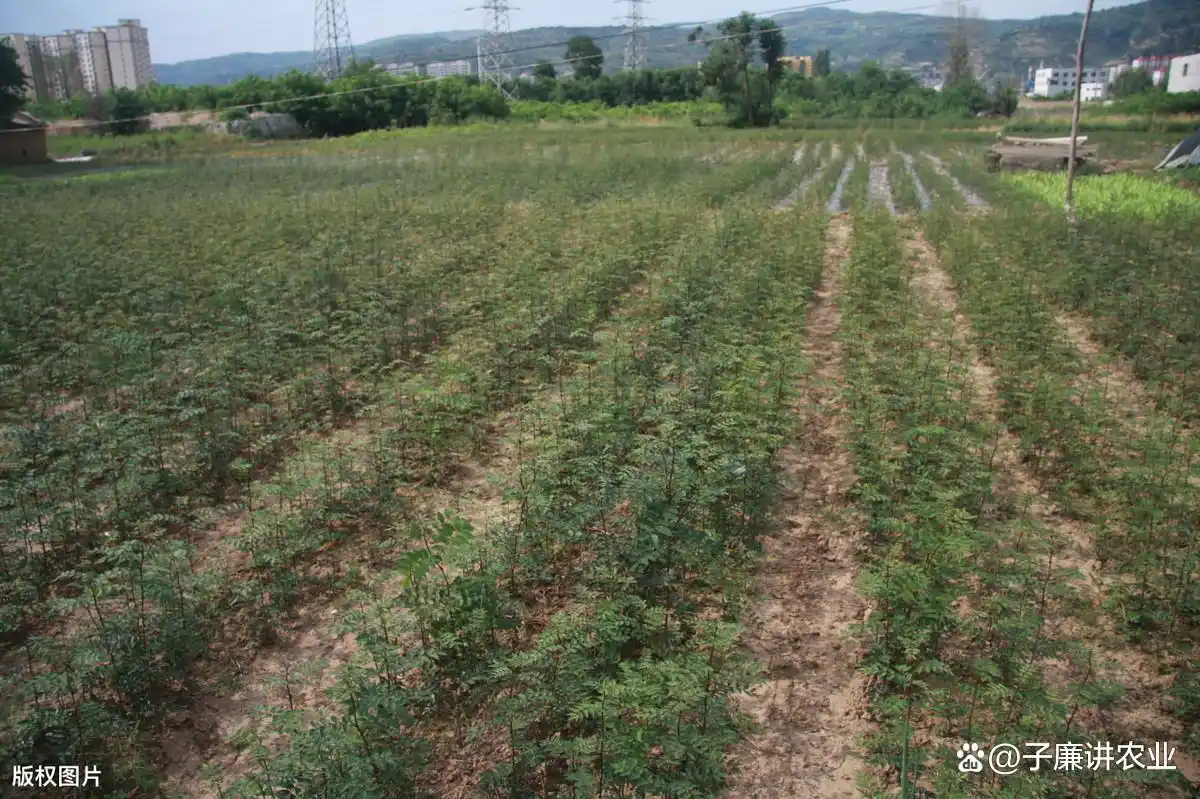
(1) sowing and planting. In order to sow, plant density should be reasonably controlled according to soil conditions. After seeding, the soil is covered on the seed surface with a thickness of 1 ~ 1. 5 cm. Then above the soil, cover part of the grass, thereby preserving soil moisture and increasing seed survival. After seed sprouts, seedlings are formally established, but the distance between the seedlings should be 10-15 cm. During seedling growth, planters should also regularly observe and record their growth, while at the same time performing fertilization and replanting. Following the production of precipice seedlings, the plant will enter the formal planting chain. In this regard, the planters should do the following. First, the choice is for a more robust and complete seedling to be planted at a height not less than 70 cm. Before planting, check the whole of the seedlings in time to ensure that they are free of pests and diseases. Second, when the seedlings are planted, membranes can be used to protect the internal moisture and temperature of the soil. Finally, in order to improve the yield and quality of the peppers, there should also be regular farming and a reasonable number of such cultivations. At the same time, weeding, pine soil, etc. Are used to provide good conditions for the growth of the flowers。
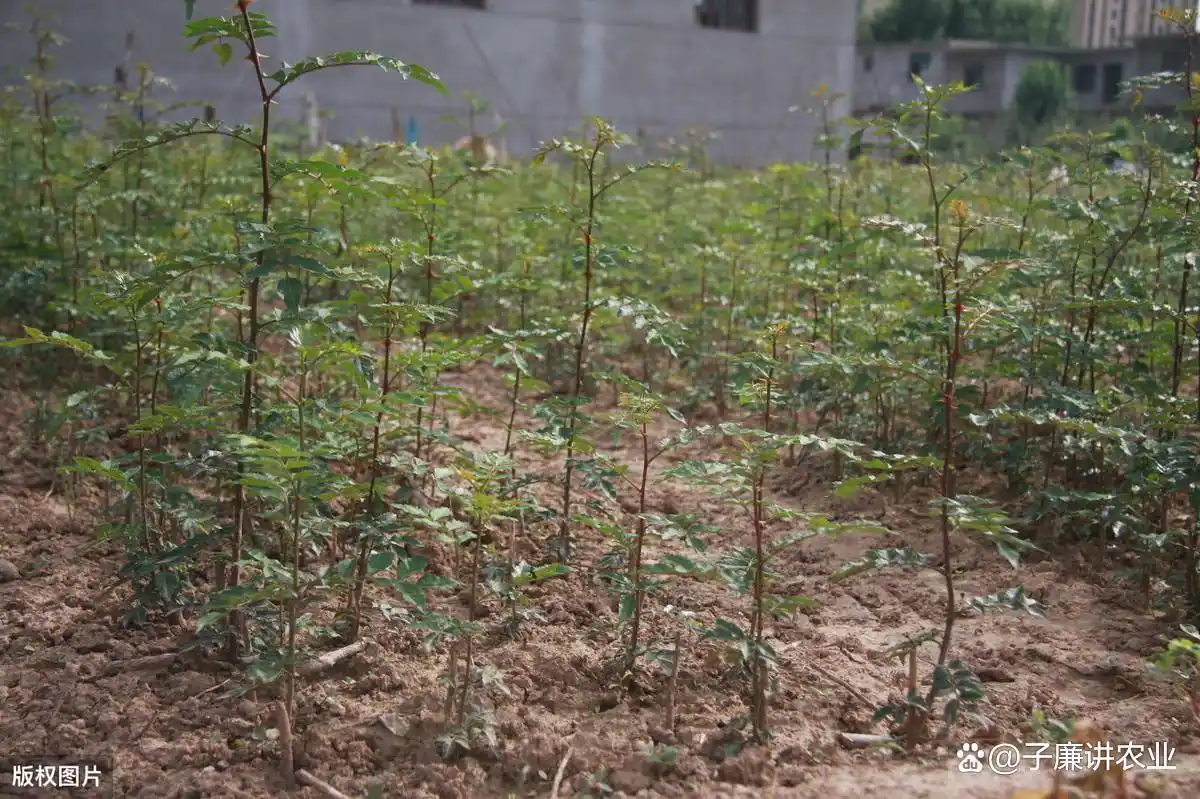
(2) fertilisation. Fertilizer is an important factor in the growth and high productivity of the pepper tree. Therefore, in the long term, planters should complete their fertilisation work, including base fats and pursuits. In response, planters can combine phosphorus fertilizer, organic fertilizer and farm fertilizer, while the actual application of fertilizers depends on the overall condition of the pepper tree. If the pepper tree is planted for less than 5 years, the fertilization rate is 10-15 cm per acre, and when the tree is over 5 years old, the fertilization rate is 15-20 kg, while the fertilization time is usually around the pellets. In addition to this, in order to prevent diseases and pests in all their aspects, fertilizers should be carried out on the frontal lobes. However, during fertilization, the proportion of spraying fluids needs to be strictly controlled。
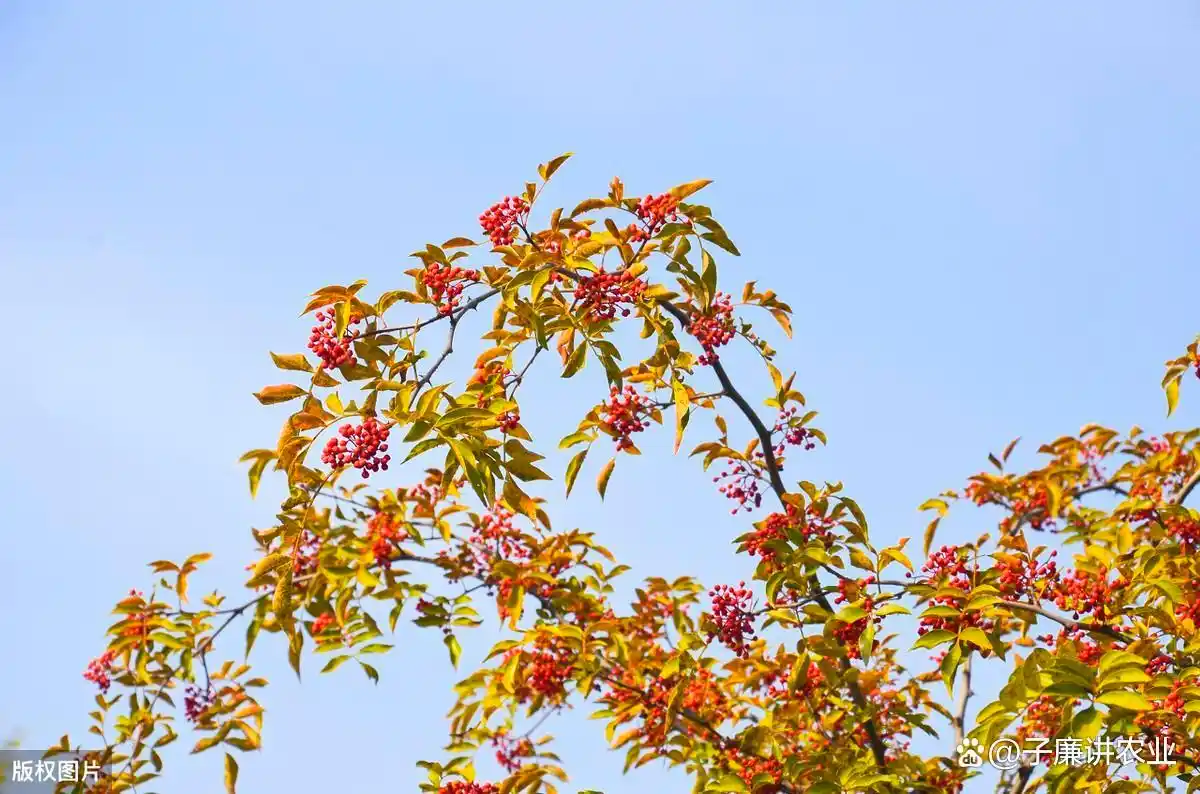
(3) water drainage. Precipice trees are resilient and drought-resistant, so their water needs are smaller during planting. However, due to the amount of water in the ground of the ground and the differences in the soil in the regions. Plantors should therefore also be flexible in their water-watering efforts in accordance with local conditions. The water is used mainly before and after the flowering period and during the gestation period, while the control of the amount of water poured should adhere to the principle of “a small number of times”. Moreover, monitoring of soil water content is still needed to ensure the effectiveness of paprika water. The timely removal of excess water from the soil and the avoidance of damage to the root roots of the peppers due to higher water accumulation are detrimental to their growth and output efficiency。
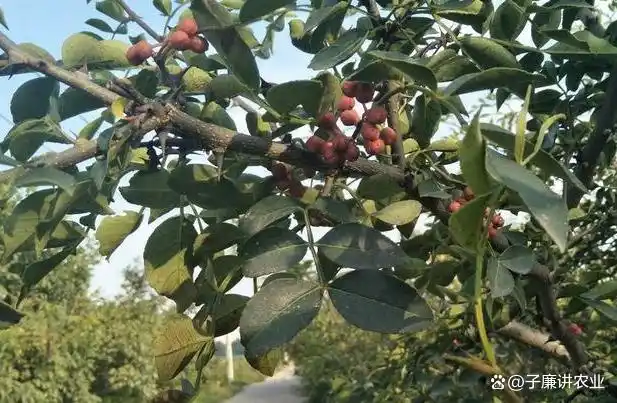
(4) flower fruit and plastic management. In the long term, as a result of environmental factors, the flowering and fallout phenomena affect the overall production of the tree. In order to reduce the damage caused by falling flowers and falling fruit to the production of pepper trees. Planners can start with precipitous precipitations, depending on their size, with strong precipitous fruit management. On the one hand, during the flowering period, trees are scientifically protected against falling through spray solution. On the other hand, during the period of the precipitous tree outcome, it is necessary to perform regular plastics and trim the stem of the precipitous tree, so as to balance its nutritional distribution and promote its healthy growth。
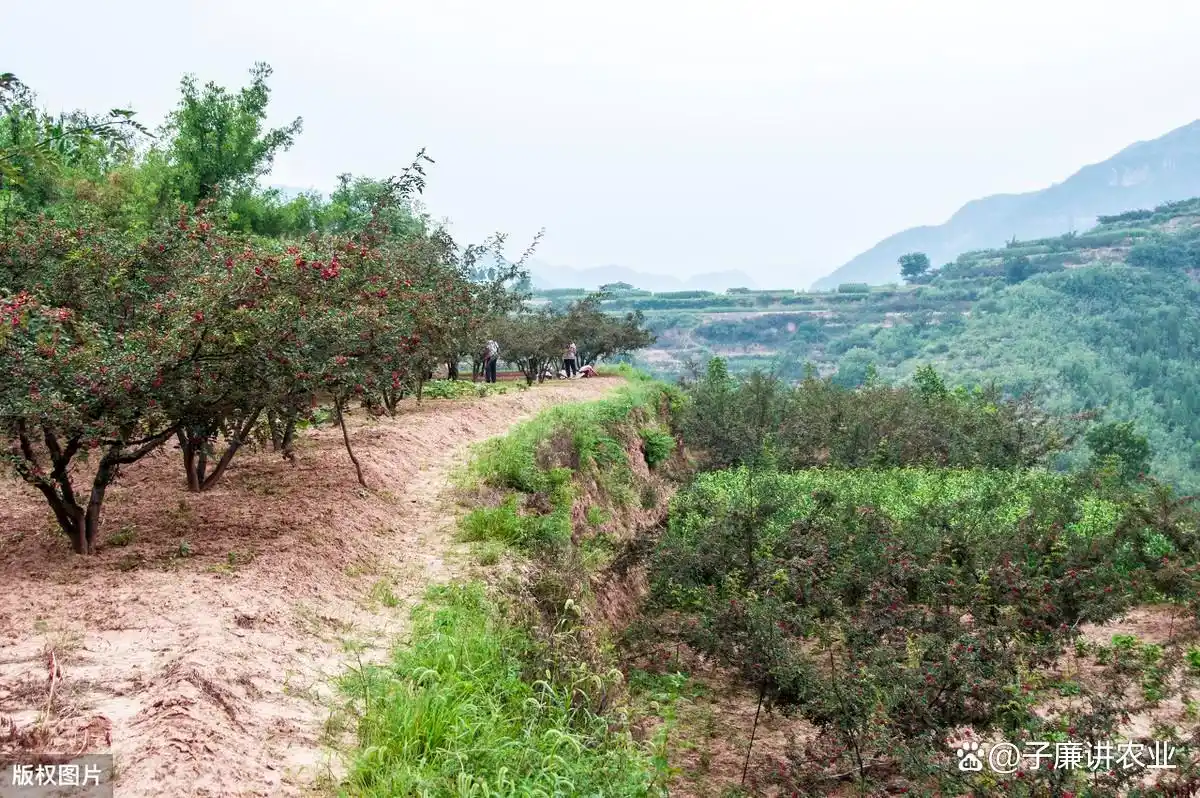
(5) prevention of diseases and pests. Plantation is more concentrated during the planting of peppers, and the spread of pests and diseases can be easily developed. As a result, planters are required to develop precautionary measures ahead of time in the prevention of plant diseases. Based on past precipitations, the common pests are aphids, rusty, tigers, etc. There are clear differences in the onset, symptoms and causes of diseases and pests. In this regard, planters should adopt targeted prevention programmes for the most common diseases of pepper trees. In addition to this, during the prevention and control of paprika pests, planters should strengthen garden patrols and management。
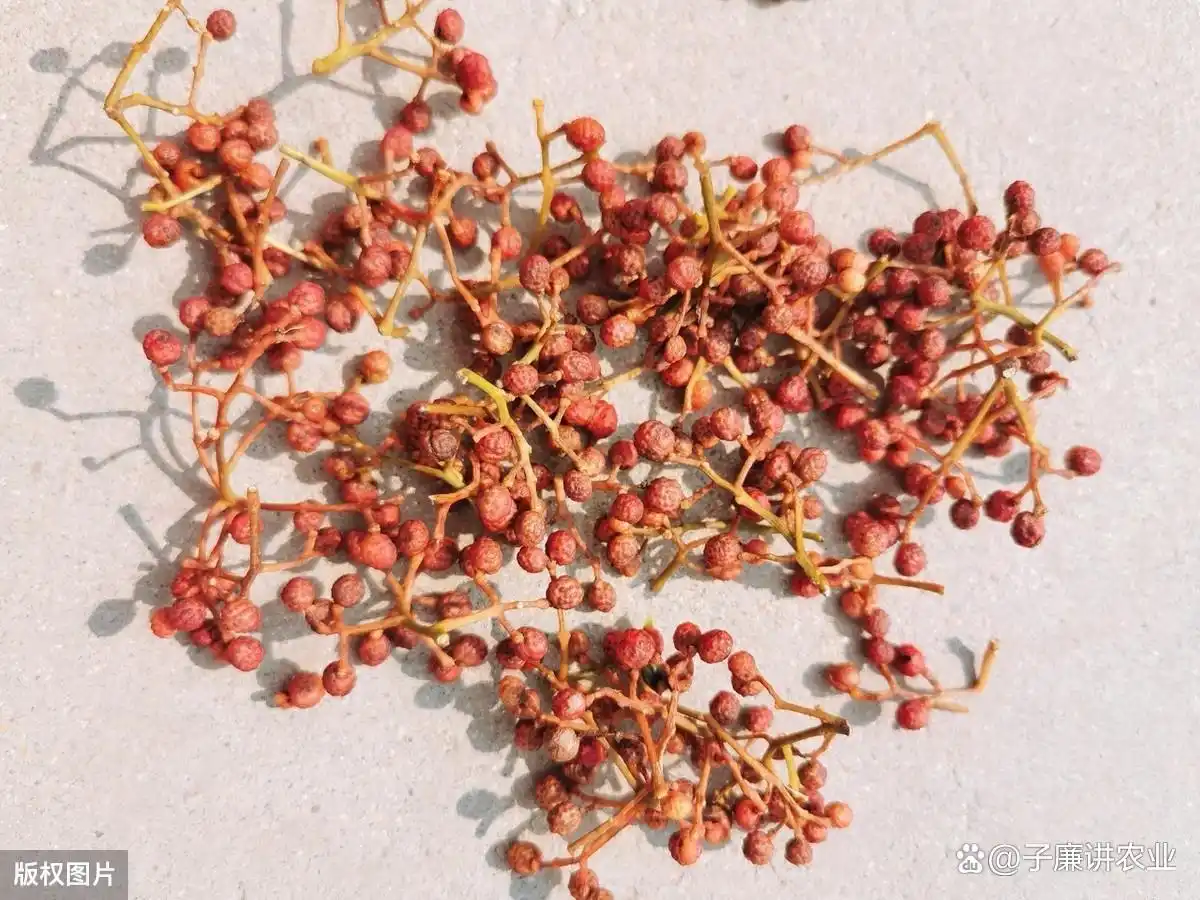
Precipice trees have a more prominent economic and operational value, and their planting effects affect the individual incomes of farmers in various regions, as well as the growth of the local agricultural economy. However, factors such as soil and climatic conditions and landscape management limit the annual production and quality of the production of peppers during the planting of flowers. Therefore, in order to ensure the efficiency of the plant, the personnel concerned should actively implement the planting techniques. Choose, sow, water and fertilizePest controlIn other areas, it guarantees the comprehensiveness and science of the precipitating work. In turn, the value of their cultivation has been used to help build the regional agricultural economy。









