


Guangzhou is the largest vegetable-growing county in my provinceVegetables industryIndustry efficiency gains have been achieved through sti-led development. Today, the “baby basket” has become a major county industry, bringing wealth to the population。
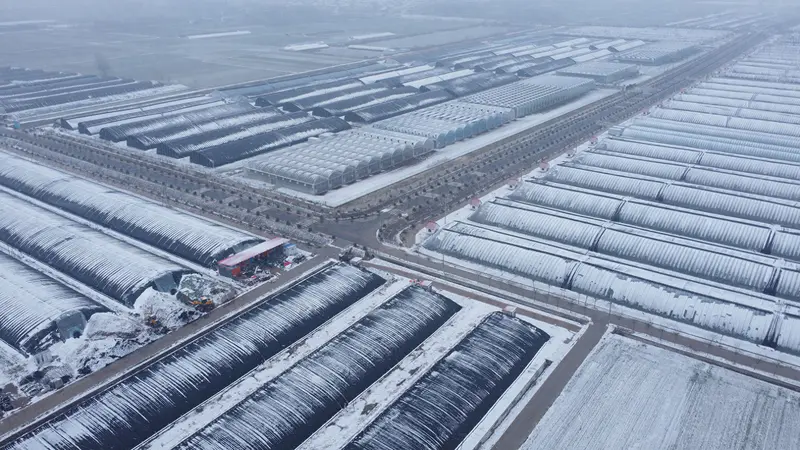
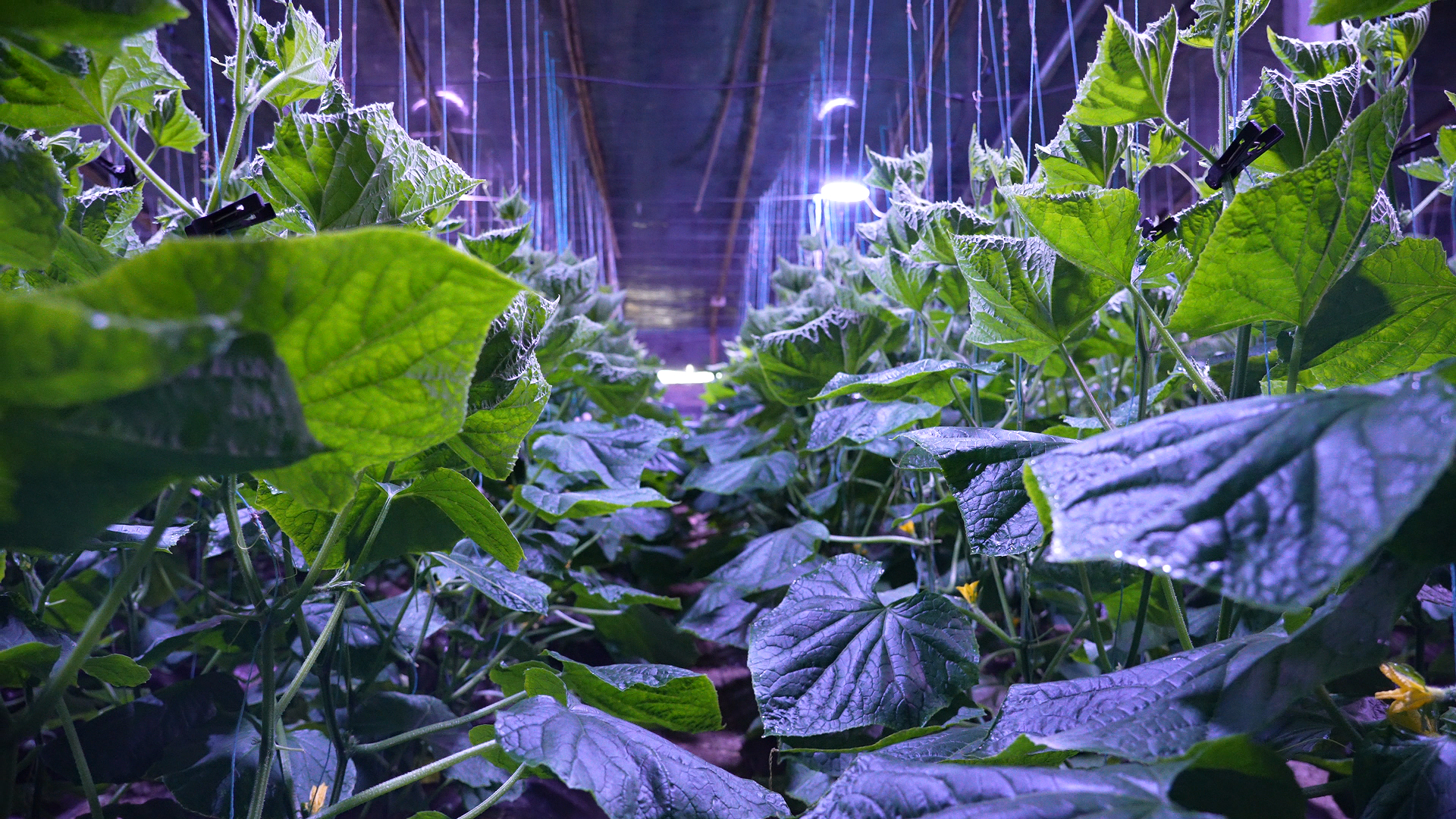
“this cucumber should be down for another half month, and this winter, the anti-season vegetable, is a daily necessity...” in the greenhouses shed in the village of zhou guo guang village of meibashi, zhou guang county, villagers are carefully caring for cucumber seedlings, strangling and collecting. These cucumbers will soon be fresh on the market. Methamed said, "like the cucumber i planted, it's a short time, and an acre of land is 660,000 pounds, and an average of 899. 560,000 dollars for one shed and 100,000 dollars for three of my sheds. It's better than working."
The village of meibashi, a well-known cucumber-growing village, is located in chaigan commune, zhou guo guo city, and has 1070 acres of cucumber, more than 90 per cent of which is cucumber. More than 5,000 tons of high-quality, non-hazardous vegetables are produced each year, serving as a national base for green non-hazardous vegetables production. Through the growing vegetable industry, the village of mayhashi has been awarded a model village for agricultural technology and a model village for one village by the ministry of agriculture. Mr. Mae, secretary of the party for the administration of meibashi, chai-gang commune “our village seizes the opportunity to build a `middle garden' in an estuary district, optimizes the structure of varieties, improves the quality of vegetables, improves the quality of graded packaging, expands the scale of cultivation, and builds a `one village, one food'. At the same time, the itomeh vegetables cooperative, which makes the farm super-optimal and electrician sales, makes our village a model village of sightseeing, picking, leisure, resting and tourism."
Zhou guangzhou is known for its cucumbers, zheng guang is known for chili, and zheng yu is well known for its western blue flowers. A total of 130,000 vegetable workers, with 76 “three-products-one” vegetables, of which “cheek watermelons” and “cheek peppers” have been certified as national agricultural products geographical indications, have been distributed annually in the cane county with an area of 520,000 acres, with an average annual production of 3. 7 million tons and a total value of $4. 68 billion. It has also drawn attention to the “baby basket” of estuaries. Jo qingyun, general manager of chinese chefs: “we put the project in a gutter because its vegetables are green, clean, of good quality and taste, and now our company purchases about 320 tons of vegetables on a daily basis, some of which are self-marketed and others processed and sold throughout the country. The next step is to make chili and broccoli a net red product through our deep processing."
The gutter is green and rich. In recent years, zhou guo guo county has approved the “small vegetable” industry, which forms a model of integrated development of a full-fledged, technologically advanced, diverse, market-oriented and efficient vegetable chain, a model that not only contributes to the sustainable development of the local economy, but also brings tangible benefits to farmersEconomic benefitsI don't know. Today, the chute of the chinese food is accelerating its rise with its unique charm. Zhou guo jiu county standing committee, minister of public information and deputy governor zhou dezhi of zhou, said: “eu jiu jiu county uses modern agricultural estate construction as a tool to scale up vegetable cultivation, to highlight green safety in vegetable production, to take full advantage of regional distinctive resource advantages, to further improve industrial chains, upgrade value chains and open supply chains, and to create structurally sound and integrated advantagesSpeciality industriesClusters to make the modern vegetable industry operationalRural revitalizationNew sources of support, new bright spots for agricultural transformation and new vehicles for industrial integration have brought about a `one village, one village and one village' development pattern that truly transforms the `basket' into `big industries' for district development, `gold jobs' for mass enrichment.”









