


Hello, i'll bring you up to date every day. I'll take care of everything
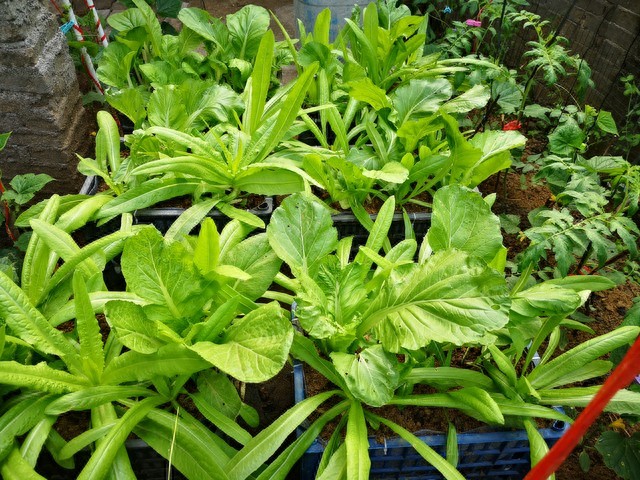
Many people grow food at homeOn the balconyThere is a common disease: space is too small to be numerous. I'm afraid i'll have no air, no roots, no leaves, no food. Most of the guacamole and vegetables do fear dense planting, which results in long distances, illness and reduced yields, and must be kept strictly space for one or two months to be collected。
But not all vegetables require large spaces and long cycles. There are six regular vegetables that are inherently dense, with no deliberate spacing, so that seeds can grow long and fast. It takes between 10 and 15 days to sow and harvest, and it takes no more than 10 to 15 days for the plant to be fully grown up, so that the seedlings can be repeated。
This type of fast and dense vegetable is particularly suitable for the cultivation of balconies, windows, small courtyard corners, foam boxes, flower basins, which can survive without proper care, water, four seasons of seedability, recycling, with fresh vegetables available in the home at all times, without frequent purchases of vegetables and with zero failure on the part of newers. Today we will be able to explain in detail the method of planting these six vegetables, the main points of conservation, the techniques of harvesting them, and the whole course of the product, after which everyone can grow high-yield vegetables。
I. Rhodra seedlings: 10 days of high-speed harvest, full of pots
Radish seed is allPicklesThe fastest-growing, least-absorbed species are also recognized as the “separated ceiling”. It is completely free of space, and the seeds can be spread in the soil in an equal manner, and the thicker, the more it becomes, the less it becomes。
The radish seedlings grow for a period of 10 to 12 days, which is a solid short-term pickle. Cultivation does not require deep soil, with three to five centimetres of thin soil sufficient for foam boxes, light pallets, waste basins, and extremely suitable space for the home。
Core planting techniques
1. Selection of seeding: the choice of plain white radish seeds is sufficient and no special seedlings are required. Before seeding, no soaked seed is distributed, all the soil surfaces are evenly covered, the seeds are bound to each other, they are not piled up, they are not covered with dust, and they are pressed lightly to the soil。
2. Preserve the seed season: the three days following seeding are in the lumber of the shivers, which cover the pallet and keep the temperature between 18 and 25°c, which is the most appropriate growth temperature for radish seedlings. Water is sprayed twice a day with a canteen to keep the soil moist and in no way accumulate water, which can easily rot. When the sprouts occur, the shelter is removed and maintained in the ventilated ventilator to avoid the tan。
3. Means of harvesting: planting for about 10 days, radish seedlings can be harvested when they grow to 8 to 10 cm high and two full leaves grow. They cut the ground with scissors and retain about one centimetre of the root, without rooting, and with reasonable maintenance, they can be re-emerged and re-harvested and receive two to three strokes。
Food advantage
The radish sprouts are soft and sweet, there is no radish spicy, rich in vitamins and dietary fibres. Frying, cooling, soup cooking, fire pots are all right. They are fresh, clean, fit for all, and nutritional density is far above ripe radish。
Ii. Peas seedlings: insistence, 12-day harvest, four seasons
The pea seed is..Family cultivationThe greatest advantage of hot and fast vegetables is that they are extremely resistant to dense planting, which in turn allows the plant to grow, not fall back, not disperse, and to grow evenly. It is highly adaptable and resistant to the cold, with the best growth of indoor balcony cultivation in autumn and winter and early spring, and normal summer shades。
The growth cycle of peas is stable for 12 to 15 days, with the best taste in the small-plant phase, with no need to wait for reptiles, ivy, no need to build, no need to trim, and no need to trim vegetables for the lazy。
Core planting techniques
1. Leaching: the pea seed seed is large and needs to be soaked before seeding. Insulated with constant-temperature water for six to eight hours, so that the seeds saturated and swelled their skins to extract the asphalt back-up. The pelvis is flattted with a loosely ventilated, low-basketed soil, so that the seeds are laid on the ground, so that the seeds are close enough to each other, without leaving a gap and a centimetre of the ground。
2. Premium conservation: soil moist until sprouts, 3 to 4 days for lumber avoidance and acceleration. The seedlings are then moved to the bright ventilated areas, which ensure a sufficient amount of light per day to avoid long-term darkness, otherwise the leaves will grow slightly and yellow. The application of the “minority multiples” principle is followed, the surface soil is sprayed when dry soil is in place, the soil is always wet in the pelvis and flooding is prohibited. Peas seedlings are almost free of pests and pests and can grow normally without fertilization throughout the journey, relying on pelvis nutrients。
3. Collection methods: harvests of 10 to 12 centimetres high, green leaves green, cutting the upper spot with scissors and retaining 3 to 4 centimetres of the base. Timely wetting will produce new seedlings in about a week, with three to four recycles at extremely high value。
Food advantage
Peas seed brings fresh incense, soft tastes, sweet flavors, and high-end vegetables for sale. The eggs, the garlic, the soup are beautiful, nutritious, and young and old。
Iii. Chicken cuisine: a pickle version, 15 days of dense planting take it
Many do not know the difference between chicken cuisine, which is the stage of cabbage and chrysanthemum seedlings in shanghai, which are designed to harvest small seedlings. It is a basic vegetable growing in a family garden, on a balcony, with a perfect fit for a dense planting pattern, with smaller distances and better seedlings。
Chicken cabbage is growing for 12 to 15 days, three times faster than mature green vegetables, without long maintenance, and can be sowed four seasons a year with and without food。
Core planting techniques
1. Element of seed planting: small seed seed of chicken cabbage, ready for direct dry seed sowing without the need for seeding. The pelvis is evenly distributed and the seeds are distributed in a dense manner, without the need to deliberately leave space and finally cover 0. 5 centimetres of thin soil, with light pressure on the soil. The sowing is followed by a permutation of water, which fills the soil with no water and accelerates seed sprouting。
2. Conservation focus: chicken cabbage is a cooler environment with the fastest growth rates from 15 to 28°c. The seedlings are fast, and in about three days they're ready. After seeding, sufficient light is guaranteed, which results in thinness and yellowing of leaves. Day-to-day conservation keeps the soil moist and undry, which can lead to an aging of small seedlings, changes in taste wood and thickening of fibres. No seedlings are needed for intensive planting, and small seedlings grow younger and stronger。
3. Collection methods: after 12 days of sowing, harvest in batches, priority is given to the extraction of long and large plants, and small and weak seedlings continue to grow. Split harvests allow both instant food and light growth space for the remaining seedlings, extending the harvest period and allowing multiple batch picks in one batch。
Food advantage
The chickens are soft, non-coarse, easily cooked and practiced. The cooking, cooking, cooking, cooking and cooking are all appropriate, and fresh and fresh chicken cuisine, which tastes younger and free of pesticide residues than those purchased by the market。
Iv. Purple seedlings: long, fragrancely, 10 days to harvest
A lot of people only know how to make it taste, but they don't know it. Sodium seedlings are also excellent veggies and are extremely dense and fast growing. The vitro is highly pathogenic, with almost zero pests, so that it can fill the basin with extensive management and is well suited to the balcony plant。
The growth cycle is 10 to 13 days, and the small leaves are fresh and smelly, more suitable for daily consumption than the old ones, with the dual value of food and sauce。
Core planting techniques
1. The method of seeding: the seed of violet is small and seeding does not require soil. When the soil is levelled and the bottom water is poured, the seeds are distributed evenly, so that they are sorely planted that they do not accumulate. The seeding is done without soil, with the application of a canteen, with light water spray, so that the seed can fit the soil and cover the film or tray so that it can be wet for two to three days。
2. Conservation techniques: violet light, which must be sown in full light, and the greater the light, the greener the leaves, the more fragrance, the stronger the plant. Day-to-day water is used to keep the soil humid, wet and drought-resistant, with little impact, but long-term water is strewn and needs to be watered. Ventilation is normal in a dense-planted environment, with no yellow leaf saplings and no seedlings。
3. Means of harvesting: small saplings can be harvested at the top when they grow up to 6 to 8 cm and three to four leafs. Every time it picks small and leaves and straws, continuous conservation is divided and sprouted, the longer it takes, the more it takes。
Food advantage
The violet sapling brings its own unique fragrance, and it's very effective to get fresh. They can mix, make eggs, and mix fish and shrimp with meat for cooking, soak and taste, and they are natural vegetable vegetables, which are always very practical。
V. Wheat and seedlings: cream-free, dense, 15-day harvest
Growing-up gravy requires long distances and cycles, but it is quite the opposite for seedlings that are suitable for high-density sowing and growing very quickly. The moist stage of wheat, without the bitter taste of old food, has a soft taste and is of good quality。
Wheat seedlings grow for 13 to 15 days, are cold and heat-resistant, are the best in spring and autumn, and can be grown year-round with summer shade and winter indoor heat。
Core planting techniques
1. Plantation highlights: wheat seed is small and can be broadcasted dryly. When the basin is flattened, the seeds are spread evenly, covering 0. 5 centimetres of thin soil, so that the water is wetted. If the temperature is appropriate, the seedling can be successfully produced in three days, with a high degree of integrity。
2. Conservation priorities: wheat and wheat seedlings are dissatisfied and afraid of tan, and high summer temperatures require appropriate shades to avoid tans and aging leaves. Day-to-day soil moistness is not allowed to dry up and water is not available, which can cause rapid fibrosis and poor taste. Cyclastic planting does not have to worry about ventilation, small seedlings have short growth cycles, with very few pests and diseases, with no fertilization at all stages, and soil base nutrients are sufficient。
3. Means of harvesting: to the extent of eight centimetres long, and to the extent that the leaves are soared in green, the seedling is collected in batches. The seedlings are harvested first, the seedlings are recycled until the whole seedling is harvested, and they can be rebroadcast as soon as the basin is cleared, with seamless links to feed。
Food advantage
Wheat is so juicy and sweet and rich in vitamins that can be eaten raw, mixed, fried, boiled, eaten in a variety of ways, tasted far too maturely, was purified, fit for all kinds of common food。
Vi. Scientific screen: scientific institutions, 12 days, to find the problem
The problem of slow-growing, low-yielding and long-duration cuisine is often encountered by many people, the core of which is that it is too thin and poorly maintained. The cilantro seedlings are perfectly suitable for dense planting, with high-density cultivation that can plant the plant, prevent inversion, make it more robust, and they are more fragrance, tenderer than the old cigarettes, without hard fibres。
The sprout cycle of 12 to 14 days is perfect for solving the problem of slow-growing fragrances, and it does not have to wait a month or two before fresh fragrances can be eaten in 10 days。
Core planting techniques
1. The key to seeding is the strong shell of the fragrance seeds, which are grown slowly and poorly. Seeds must be treated before planting, with hard objects to remove the shell of the seeds, and round seeds in half, followed by four hours of immersion with water to extract asphalt and sow. It is scattered on the surface of the basin, which is 0. 5 centimetres of covered soil, soaks water, keeps the light wet for three days and soaks fast。
2. Conservation techniques: custodials are cool, growing fastest around 20°c, slow growth and sleep easy at high temperatures. After seedlings are produced, they are maintained at the ventilator of light, avoiding direct light. Keep the soil moist, not dry-dry, with small saplings growing in a dense state, and the staves are long and inverted。
3. Collection methods: small seedlings are collected in batches as required when they grow to 7 to 9 cm and leaves are green. The extraction of fresh seedlings is sufficient, without the need for full extraction and rational water conservation, and can continue to grow new leaves and harvest。
Food advantage
The fragrance of the fragrance is pure and fresh, and the fragrance is excellent. Whether the soup is cooked, mixed, mixed or made, a small amount of adornment can significantly improve the taste of vegetables, which are essential for the home。
Common core elements for cyclops
Many people grow these fast foods in poor shape, yellow leaves and bad seedlings, not as a matter of varieties, but as a matter of conservation details. The six generic planting techniques are organized here and the next one is full of pots and harvests。
1. Soils are not too thick: such small, fast-born seedlings are shallow and require only 3 to 5 centimetres of estranged soil, which tends to pile up the roots of the water, with dry and wet ground cycling fast and more suitable for small seedlings to grow。
2. The whole journey is free of heavy fat: with a growth cycle of more than 10 days, the nutrients of the pelvis are fully adequate, and the application of fertilizers leads to burning of seedlings, foliage suffering, growing of a growing stock and full water conservation。
3. Water is not sprayed: small seedlings are fragile and cannot be irrigated with heavy water. Water must be sprayed with a canteen to keep the soil surface humid and to avoid spilling over the seedlings and building the roots of the water。
4. Priority light-dissemination conservation: small seedlings who are newly seeded are afraid of strong sunlight, three days before the seedling is released to avoid the humidity of the light, receive bright light after the seeding, grow younger and greener, and do not become old fibrosis。
5. Long-term, batched harvests: the speed of aging when the fast-natured vegetables matures is extremely high, and the collection criteria are met in a timely manner and do not last long, otherwise the leaves become old, the mouth changes and the fibre becomes thicker. Batch collections can extend the overall harvest cycle。
6. Recycleable after harvest: once the harvest is complete, seeds can be sowed again, recycled and eaten throughout the year without the need to change soil, soak up the soil and rehydration。
The core advantage of the balcony for planting vegetables
Compared to ordinary vegetables, the six fast-growing and dense vegetables are fully functional and are particularly suitable for the general family。
The first is to save space, whether in the windowsill, balcony, shelf, corner of a small yard, or even a small foam box, plastic basin, so that small households can grow their vegetables free, free from residential space。
The second is short-cycle, quick-impact, with no long waiting periods, a 10-day harvest, with no hoarding, no frequent buying, and no fresh vegetables。
Moreover, it is not easy and cost-effective to grow without a professional technique, without pesticide fertilizer and with very few pests and pests, and it is easy for new people, older people and children to work。
Finally, they are healthy, self-planted vegetables, full-scale water conservation, pesticide-free, non-corrigated, non-residual, old-age children who are safe to eat, taste and are well nourished。
Topical interaction
How many plants have you planted at home? Which vegetables do you think are the fastest growing and best taste? And you know what vegetables can be harvested in the short term without being planted? Welcome to the comment area to share the experience of growing vegetables, and to enjoy a little attention from home-grown vegetables, as well as to continue sharing practical food products
Disclaimer
The present cropping techniques and periodic data are a summary of routine family cultivation, with slight variations in growth effects due to geographical location, temperature and conservation patterns, and are used only for everyday farming purposes and not as a professional basis。









