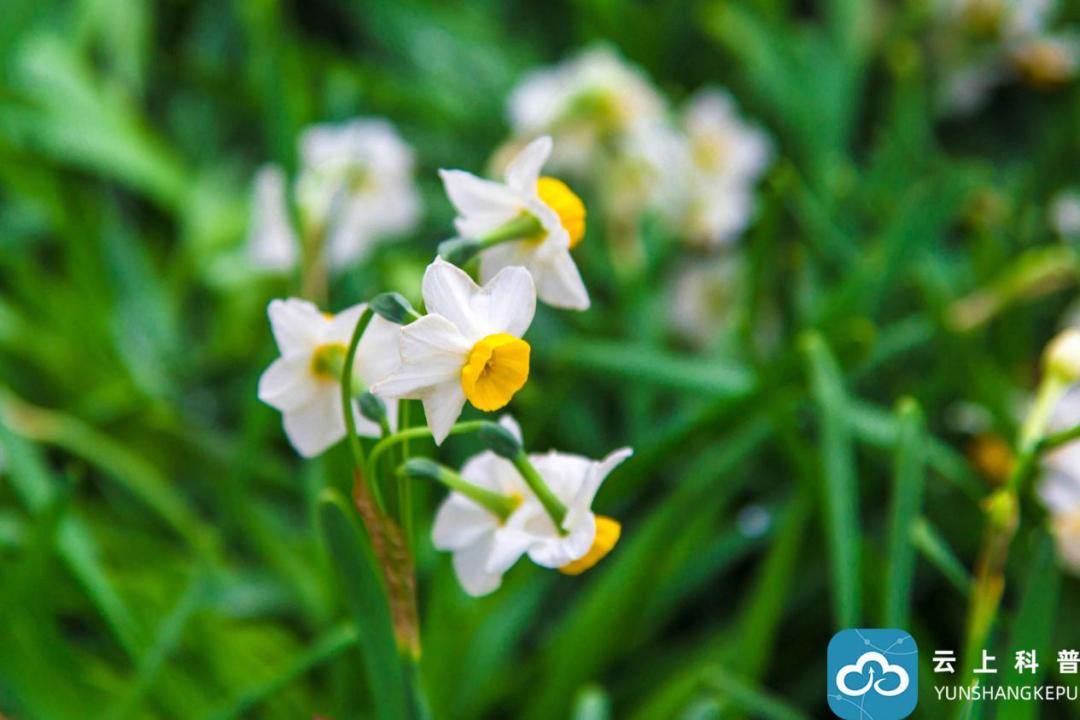
The daffodils, which belong to the garlic daffodils, are grown up in chinese plants, and the daffodils are running all over the country from jaizhou. There are more than 800 plants in the world, and more than 10 of them, such as the hollow water fairy and the apron fairy, are extremely valuable. The pixie fields are located in central europe, along the mediterranean coast and in north africa, and the pixie in china is a variant of the plumes. The flowers are white, in the order of the umbrella room, with a long band of leaves, and the water pixie roots produced by them have the effect of acoustic detoxification. The words of daffodils are thoughts and reunions。
Ecologicality
The daffodils are a greenhouse flower of the autumn roots, full of sun, resilient, half-obsolete and intolerant. In july-august, the leaves fell asleep, with lumbering in the growth point of the hibernation pole, with the physiological characteristics of autumn and winter growth, early spring flowering and summer hibernation. Aqueous, watery, fat, suitable for warm, wet weather conditions, fertile sandy soil. It's cool in the pre-growth period, cold in the medium term, warm in the later stages. The winter is therefore called for without harsh summers or hot summers, and the climate is rained in spring and autumn。
During the day, the daffodils are to be laid in a sun full of sunlight to give sufficient light to the sun. Because plants need to provide nutrients through chlorophyll for photocosm, so that daffodils can be thick, graft, green leaves and fragrance. On the other hand, the leaves are thin, thin, yellow and not even flowering. Alluvial sandy soil, which is fertilized and deep in the earth, is the most suitable for ph to grow at 5-7. 5。
Butterfly orchids are famous cut flowers. Butterfly orchids are single-cut accompanies, short, large, one to several hairs, arches, large flowers, which are known as butterflies. It's beautiful, colourful, rare in tropical orchids, and it has the reputation of queen lan。
Ecologicality
Butterflyland likes high temperatures, high humidity, ventilated environments, insufferable flooding, semi-vaginal environments, violent sun, water accumulation, cold, growth temperature of 22-28°c and winter temperatures of not less than 15°c!
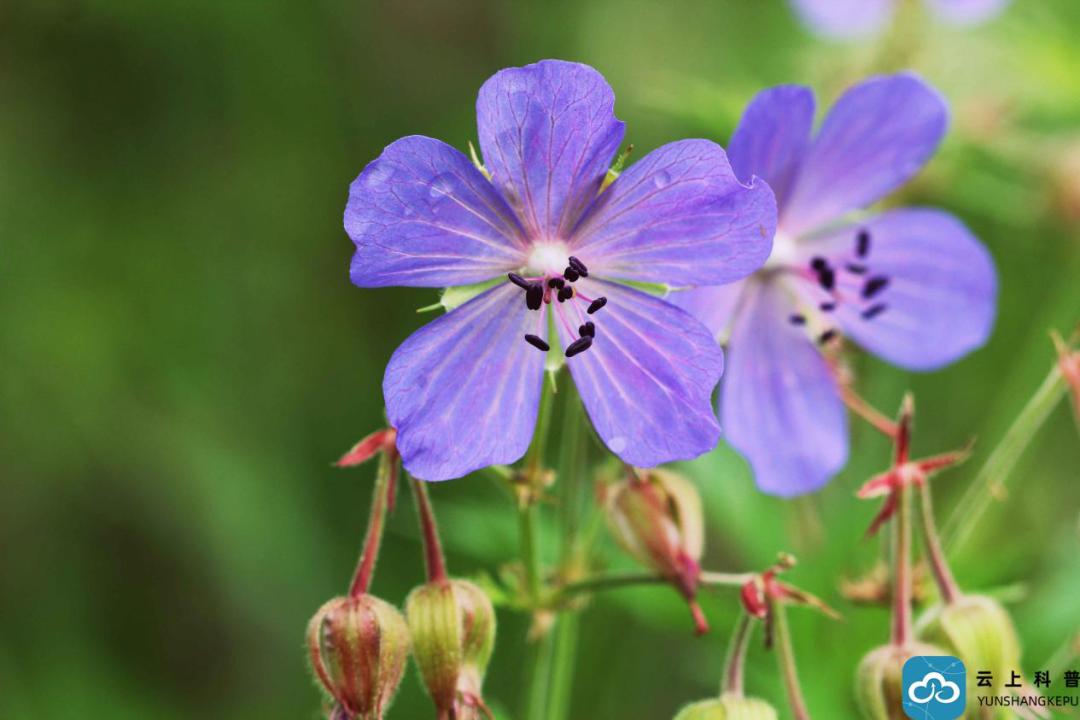
The sunflowers, known as embroidery balls, plums, rheumatism, acacias, are of the seedlings of oxen, including some 230 species of raw meat, sub-bush or shrubs. It's from the sunflower
The acacia larvae is a meat herb, and the old is half wooded; in the west, flowers are very good for decorating windowsills, especially in continental europe, such as theo。
Ecologicality
Warm, humid and sunlight-rich environments. Poor cold tolerance, fear of wetness and high temperature. It grows at 13-19°c in september and at 10-12°c in winter. Half-slept between june and july and water should be strictly controlled. It is fertile, lax and well-drained sandy land. The sun is warm and warm in the sun, and the flowers are normal when they are kept at i0-15°c per day in the winter room and above 8°c at night. However, the maximum temperature is 15-20°c. The sunflower is dry and damp, and it is not necessary to pour too much water in the winter to see it wet。
Leaf grass
Leaf herbs are also known as molybdenum, quail, knobs, clouds, santis, lip-forming, meadows, and flowers in the summer。
Ecologicality
Vegetable grass, warm and wet weather, happy sunlight, poor soil requirements, common soil and waste slopes for planting, with more fertile soil and adequate water conditions, but not suitable for water accumulation and fear of flooding. Growing in many environments, up to 3,400 metres above sea level. Wild fields, roadsides, fields, hillside grasslands, riversides, many towards the sun. The warm and wet climate, where people up to 1,000 m above sea level can grow, is less demanding for soil, but it is desirable for sandy, sandy and well-drained soil to be planted in the sun。
Living environment
1. Born in fields, by-passes, streams or grasslands on hillsides, especially in the sunward zone, growing at altitudes above 3,000 m。
2. Be born on stone slopes, sandy grasslands or pine forests up to 1,500 m above sea level。