


There's a fruit. It growsBitter melonIt's like a golden shell, with a bunch of bags of different sizes on it, and it's full of gold and oranges, and it's covered in a lot of red seed grains, and it's all moist. It's called raisins. It's more common in the gangnam area. So what's the difference between grapes and guacamole? How? How much
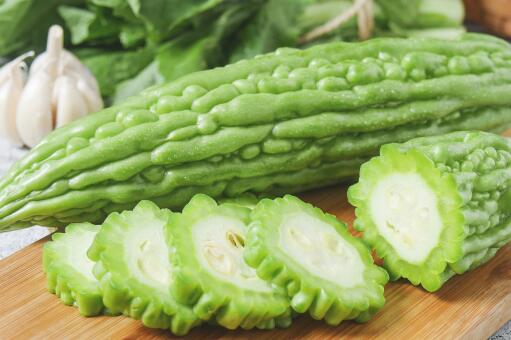
The difference between grapes and bitter melons
1. Appearances look
In terms of appearances, the rough melon has a longer stripe, while grapes are more convoluted。
2. Edible time
The bitter melon is edible as long as it produces; grapes must mature to eat。
3. Attribute categories
A bitter melon is a vegetable, tastes bitter, can be mixed or cooked。
Grape grapes and bitter melons are considered as plants in the bitter melon entries of the great chinese dictionary. When the bitter melon matures, the shell turns yellow, the seed is red, and the food is sweet. On the contrary, it's also bitter before the grapes mature
GrapesNutritional value
Grapes as a fruit, when ripe, are red and sweet, and its small body contains rich vitamins a and c. Grapes have to mature to eat, and when they mature, it can't wait to show you, and the fruits will split and the red raisins will appear。
Grapes contain proteins, small molecules, small molecules of sugar, soap, fat, coarse fibres, vitamin c, calcium, phosphorus, iron and 17 amino acids, containing up to 6. 99g/100g, various vitamins and minerals. It also contains a wide range of nutrients, including glucose, jelly, sugar, sugar and alcohol and plaster acid, herbic acid, lemon acid and apple acid. Va ingestion is very good for our eyes, especially if you have night blindness, a little va is very good for your body. Grapes also contain a great deal of minerals that, on the one hand, can supplement the nutrients we need in our bodies and, on the other hand, help balance our internal environment with our acidity, which is very good for the prevention of some cardiovascular diseases。
It is also important to mention the food fibre, which is very abundant to help humans digest food, which has a good effect on the abdominal swelling, followed by grapes and thermal detoxification, which is very useful for excreting liver fire from our bodies, and is a good option for deflammation。
Grapes are abundant enough to supplement the elements needed by the human body, and can be used to remediate blood, in vitro, strong bones and tonic urine. At the same time, it treats diseases such as weak blood, bad pulmonary cough, weakness of the liver and kidney, cardiac arrest, acidic pain in the waist, weakness of the neck, rheumatism, swelling of the face limbs, and bad urine。
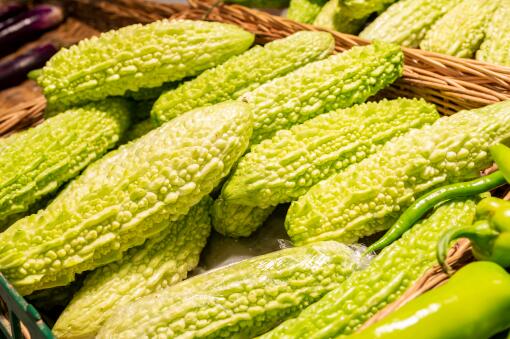
How much for grapes
The variety of grapes is special and nutritionally effective, with health and cancer resistance. Grapes, as fruits, usually harvests in july and august of summer, and you can buy something to taste. Wholesale on the market, that is to say, in large quantities, is $8 per pound, or $12 per pound if it's just a few dollars. Prices vary according to region。
The way to eat grapes
Grapes, like fruit, wash and eat directly, that is, raw. But make sure it's mature before eating. The ripe grapes are orange yellow and fresh red fruit, with numerous red seed grains lying in them, gathered together in velvet。
Cut open the shells before eating grapes, leave the bark behind, eat the red meat inside and spit out the bag, the seed. However, those with weak stomachs should eat less when they are cold grapes. People should also be careful not to eat more at once。
The method of growing grapes
1. Preparatory work
In the sunside areas, fertile soil of 50-60 per cent in the field of food crops, 40-50 per cent decomposition organic fattening, 0. 1 per cent potassium per cent compound sulphate and 0. 1 per cent grasswood ash are made into trophic soil, with appropriate quantities of water, with tight grips on the water, with loose hands, and through sift into a 6 cm caliber of nutrients. There is a gap in the placement of nutrients, with approximately 170 nutrients per square metre. The area under cultivation is prepared one week before the birth。
The field is prepared to be tanned, frozen, ploughed mechanically, and to break the earth, with a platinum all-faced strip, approximately 1. 6 m bottom width, 0. 8 m upper and bottom width, 0. 8 m ditch width, 2000kg of high-quality farmer fertilizer in the central strip of the platinum, 150 kg of bread and 25 kg of potassium sulfate compound as base fertilizer。
They can be prepared before or after planting. A stick is inserted on each side into a “1” font, which is attached to each row with a bamboo bar, and a “well” font on top of each row, which is thicker and is conducive to raising vines, taking into account ventilation, while keeping grapefruits hanging. The height of the shelf is man-made to operate in a ditch, which is approximately 1. 8 m from a general ditch to the top of the shelf。
2. Cultivation
At the end of march and early april, seedlings were raised in small arch sheds. Seeds are immersed for 30 minutes with hot water of 50°c and then impregnated for five hours in hot water of 25-30°c, leached for about three days at about 30°c, wet conditions, and inserted into the trophic sprouts after the lumber of the hulls, with a small amount of soil per sap, before the seeding is produced. Slender beds move north-south, pre-sprinkle cold, post-spill high temperature burns, hot and wet during seeding, should be ventilated in a timely manner, and should not normally be fertilized. After about 20 days, two or three real leaves can be planted, usually before the rain and in the dark. The average acre is 400-500。
3. Field management
Water fertilizer management filled the root water during planting and sprayed 0. 2-0. 3 per cent potassium phosphate on the leaves one week after planting. Grapes are drought-resistant, but wet soil environments can run off with drought. Small results generally began on or around 20 june, when large-scale listings began on or about 10 july, when 25 kg of compound fertilisation per acre was applied and some more fertilization was applied at the end of august depending on growth。
Weeding in the field once in the course of the seven days prior to the planting, in the case of a herbicide, in the case of dapuji, and thereafter in the case of weed growth, in the case of a herbicide。
Cultivation is highly staggered, and each leaf of the main chicken grows a chicken, so all the chickens below 1 m are taken to heart, and three or four of the later chickens are left on board. The growth of grape plantations is characterized by: there is a constant need to tie the chicken to the top until it climbs up, the climate is slow to grow, the plant is particularly fast after the rain, and if the result is so good, some of the chickens can be properly removed, their growth reduced, reproductive growth promoted and production increased。
Pest and pest control at the end of may 10% of aphids 3,000-4,000 times more liquid than aphids; between the end of july and the beginning of september, the guacamole was treated with a 5 per cent or bt wet powder 600 times more liquid。
4. Collection in due time
Standards for harvesting: females in general have 10 to 12 days after opening up, with a full bar and tumour of fruit, and a luminous skin, which can be collected in timely batches. It's nice to have a nice day at the harvest, and it's good for the initial sun. It avoids collecting in the rain and can freeze in the rain. From a small number of results in mid-june and a large number in july-september, frost harvests began in early november, with the average acre production at 2000kg。









