The heart of lily's farming is just one thing: it's deep in the ground, it's air against the ball. With five steps down, the newcomers can also produce the sparkling flowers。
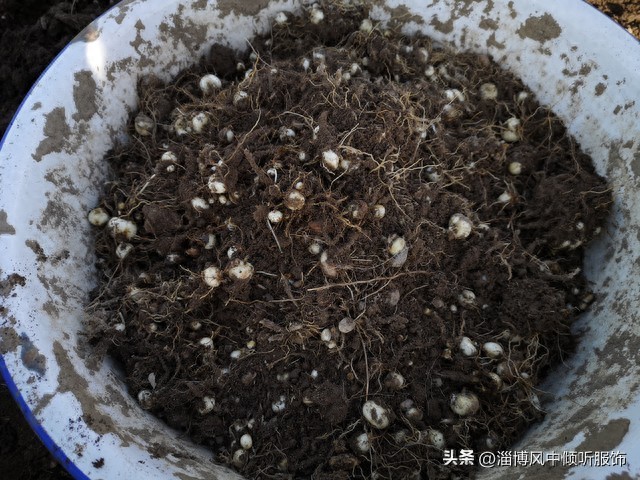
Pick a full, non-stereotyped seed ball and cut out dry and rotten roots。
Disinfect for 20-30 minutes with 1000 times more polybacterium, and then dry and replant。
2. Soil selection
Soil: recommended peat: pearl rock = 7:3; or coarse river sands, corrosive coconuts in trophic soil, with lax acid soil. With a sticky garden, easy to suck。
Battery: deep basins (altitude 20 cm) must be used with drainage holes at the bottom。
3. Cultivation depth (most critical)
Land cover is 23 times the height of the seed ball, ** 810 cm**。
Sprouts up and pour water once. Deep burys allow the tubing to grow its roots, absorb nutrients and plant plants like stubbles to prevent them from falling when they bloom。
I'm sorry.Daily maintenance
Light: the luminum is guaranteed six hours a day after the luminum luminum, and the light is not enough to grow and fade。
Watering: sticking to “dry and wetness”, the topsoil dried up and re-fed, and the water was banned。
Fertilizers: balanced compound fertilizer for the extension of leaves from seedlings; conversion of potassium dihydrophosphate (1:1000) to oxidizing of flowers during pregnancy buds; and continuation of phosphate fattening balls after flowers。
5. Post-flower management (decision whether next year's recovery will be possible)
They cut off the flowers and keep all the green leaves and parts of the straw so that the luminous co-operation of the leaves can accumulate nutrients for the balls。
Potassium fattening of phosphorus continues until the leaves are naturally yellow before cutting off the ground。
In addition, the heavy petal lily plant is relatively high, and when the flower is swollen, it is recommended to insert a pole to tie it to avoid a fall。