


But anyone with a small yard, a wall, a fence or even a large balcony can't walk away from the moon. SeasonWallI don't know. With flowers on one sideTou's seasonThe walls, the springs, the springs, the summers, the summers, the autumns, the springs, the springs, the winter branches, the winters, the winters, the winters, the winters, the winters, the seasons, the gardens, the gardenes, the gardenes, the gardenes, the gardens, the gardens, the gardens, the gardens, the gardens, the gardens, the gardens, the gardens, the gardens, the gardens, the gardens, the gardens, the gardens, the gardens, the gardens, the gardens, the gardens, the gardens, the gardens, the gardens, the gardens, the gardens, the gardens, the gardens, the gardens, the gardens, the gardens, the gardens, the gardens, the gardens, the gardens, the gardens, the gardens, the gardens, the gardens, the gardens, the trees, the gardens, the gardens, the gardens, the gardens, the gardens, the gardens, the gardens, the gardens, the affairs, the affairs, the affairs, the affairs, the affairs of the world. Many southern florists have been afraid to grow the guacamole season, with the greatest concern being the exceptional climate in the south, the high temperature of the summer, the high humidity of the plum rainy season, the absence of low-temperature springs in the winter, and the fact that many web-based red vermin are planted either without flowers, or with wild sickness, or with long vines, leaving only a pile of dead weeds at the end of the six months。
Many newcomers have stepped on numerous pits, such as powdered dragons, horses, etc., which follow the wind into the internet, and have found that these varieties are simply not suitable for the southern climate. Either a single season of flowers is spent a year, which lasts only a dozen days, or the hot weather is full of black spots, platinum diseases, daily pharmacists, vines and vines, and they don't make beautiful walls. It's not really the south that can't grow a lunar wall, it's just that you don't choose the species that fit the climate of the south. Today we share with you a few things that have been measured by many of our southern bouquets, that are truly resistant to disease, that are resistant to heat and flooding, that do not need to warm the spring, that new hands close their eyes, that are not carefully maintained, and that can be built every year as a wall of flowers。
First of all, it is also recognized by southern florist friends as the “flower wall ceiling”: the red sapphire。
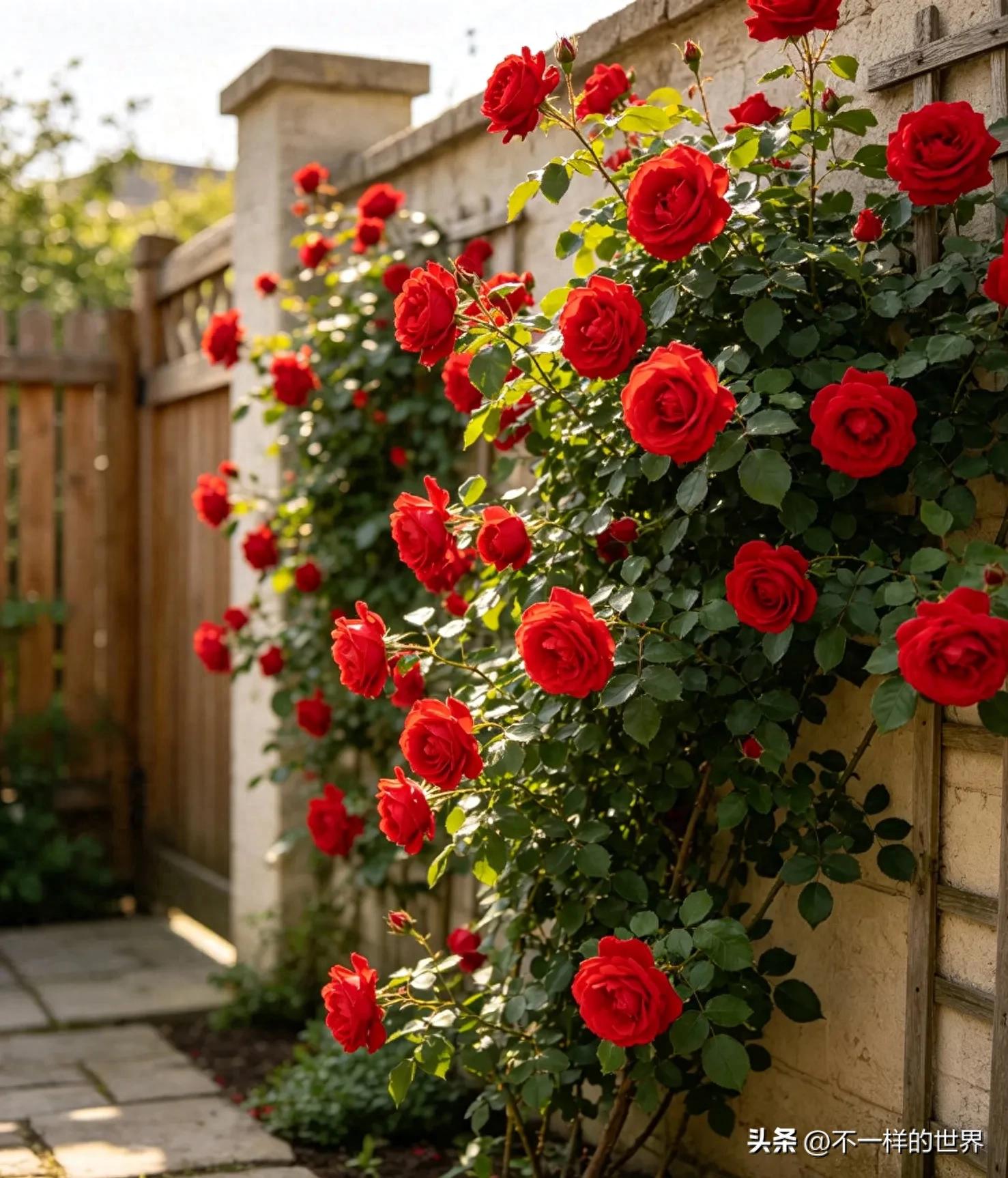
This season, which has been built entirely for the southern climate, has completely broken the flowering and infirmity spell of the southern vine. Many newcomers are unable to distinguish between red dragons and pink dragons, which are typical of one-season species, relying heavily on low-temperature springization, with almost no recovery in warm areas of the south, while red dragon sapphires are a multi-season cycling flower variety, with heat tolerance, disease resistance and flowering all full。
Red dragons grow at a particularly rapid rate, can climb up a two-metre fence in a year, easily build a full flower wall in two years, have strong and strong vines, have strong branches, and can naturally form a saturated strain without deliberately cutting tow. Its flowers are of a red heavy petal type, full of bouquets, layered petals that are so fine and soared that there are no tatters or deformations. A single flower lasts too long and lasts more than a week after it blooms, and the wind and rain are not easily decaying and extremely rewarding。
What is most commendable is its resistance to disease, the rainy season in the south, the heavy humidity of the air, most of the monthly seasons with black spots, frosts, yellow leaves, the extreme resistance of the red sapphire, and the fact that the leaves remain green and barely ill in high wet temperatures. Moreover, it does not pick the soil, does not pick the environment, does plant the pots, does not need springing at all, does not need hot and wintery areas like the two wides, fujian and hainan. The spring, summer, autumn and winter blooms continue, with a wave of flowers, and is the preferred species for building the wall of flowers in the south。
The second, suitable for the south, is the field march. It's a classic old climber season
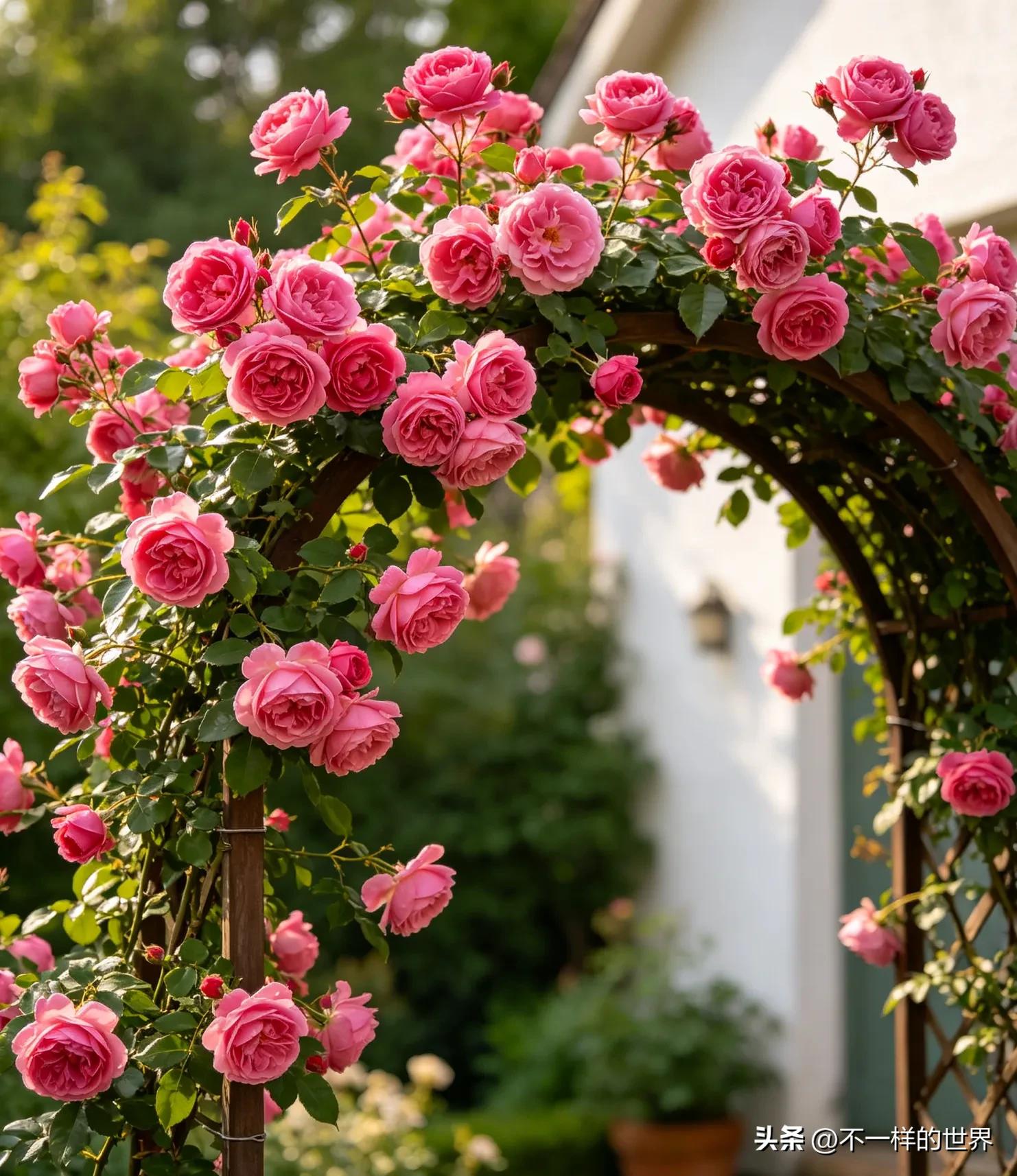
For decades, it has remained on the list of new players, based on the strength of solid leather, flower-burning, adaptive advantage, perfect for the wet and hot southern climate, and easy to feed with zero-basin friends. The parade, which is part of a large forest season, is extremely aggressive and can last three or four metres in a year under conditions of cultivation. It spreads at a high rate. It is well suited to decorate the walls, arches, fences and quickly shape the atmosphere walls。
Its colours are warm and dark pink, its bouquets are open, its flowers are so intense, its fragrances are covered with all the branches, its green leaves are almost invisible, and the whole wall is a rotten pink sea with great visual impact. Unlike many of the weaknesses of a loose and thin season, the flowers of the march are so full that the flowers are so stable that they can bloom, whether in the spring or in the summer, that they will bloom normally and will not be in a state of discomfort。
The marches were also very good in response to the most painful ills of the south. Its leaves are thick and oily, its self-absorbing properties are extremely strong, it is hot, damp and tan-resistant, and it is still able to grow normal and resembling in a three-voltal, high-temperature hot environment in the south, and it does not go into hibernation. And it reflowers very quickly, with a single wave of flowers to trim them and fill them with a small amount of water fat so that, in about 20 days, it can produce new flowers, recycle them around four seasons a year, so that “the moon and the moon have flowers”. The parade is definitely the most expensive option for southern florists who want to build a huge wall at a low cost。
The third is dedicated to the wet and hot climate of the south: honey caramel. A lot of people want to grow a small amount of money
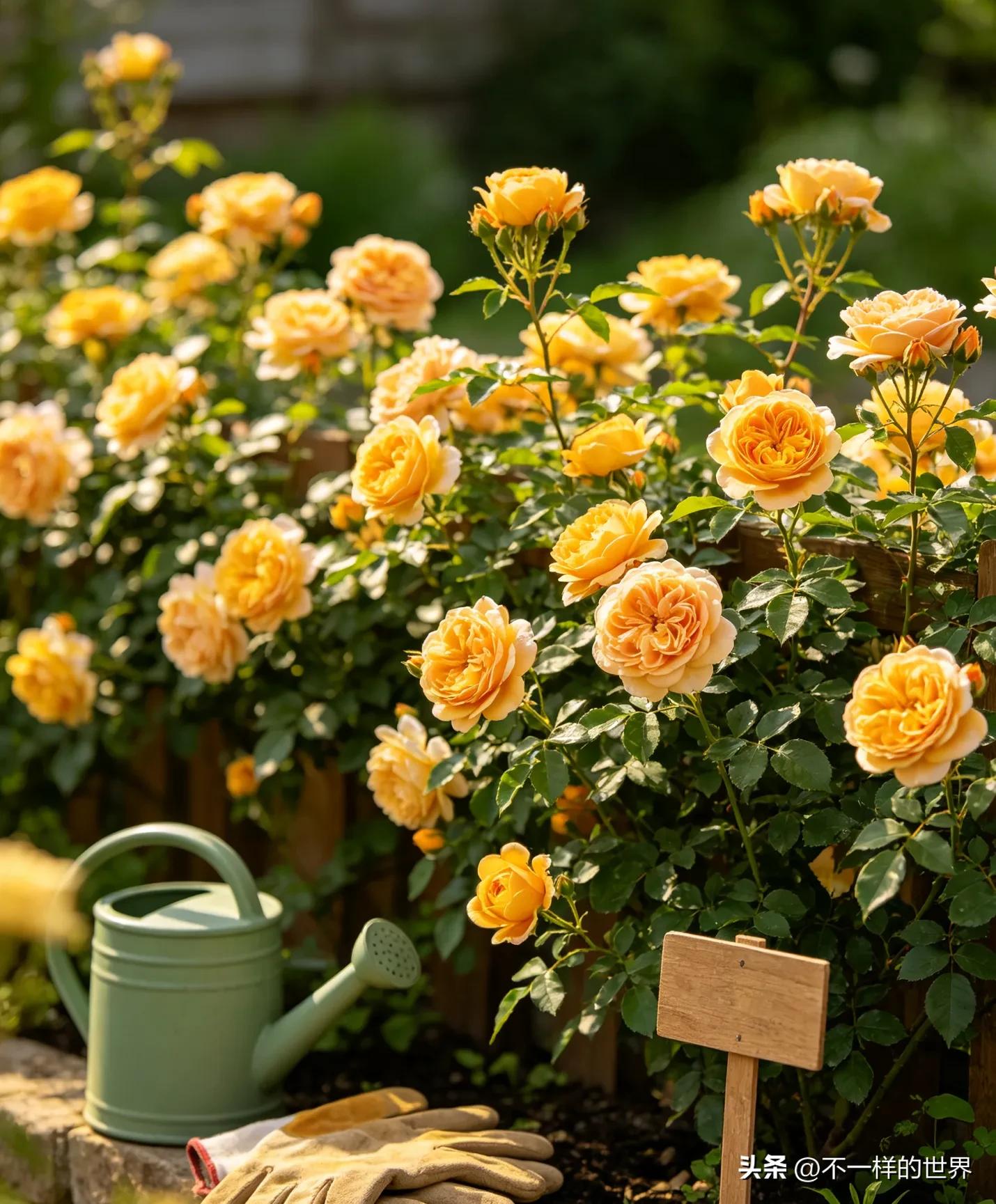
A unique, incorrigible and incorrigible vermin, honey caramel is the best choice, unique caramel yellow color that emerges during the red pink season, tender, high-quality and atmosphereful. The heat resistance of this horticultural month is of the highest order. It is the most suitable species for growing in the south during the yellow horticulture season. It is perfect for high-temperature, high-humid areas such as the two-wide, south-west and south-west。
Honey caramel has a strong strength and is extremely resilient and suitable for a towed shape, especially for arches, flower racks and walls. Its flower shape is a fine little petal, small and delicate, open in clusters, full of walls and yellow, warm and curable, and far more beautiful than the normal yellow season. Its greatest advantage is its heat-resilient heat, its 40-degree heat, its tan, its flowers still bloom normally, it does not burn, it does not die, and it is a rare multi-month variety of vegetables that explode in the summer。
At the same time, its resistance to the disease is remarkable, and it is extremely resistant to the high incidence of black spots and white powder in the south, and leaves remain green and green during the rainy season, without frequent drug treatment. Moreover, its agility is beyond doubt, with repeated seasons of year and year, a huge amount of spring and fall, a wall full of walls, and a small flower in summer and autumn, with no window break. The honey caramel is better suited to the southern climate than the easily green petals, lazy flowers and diseased gold celebrations, with newers planting zero pressure。
Number four, zero failure moon: little girl。
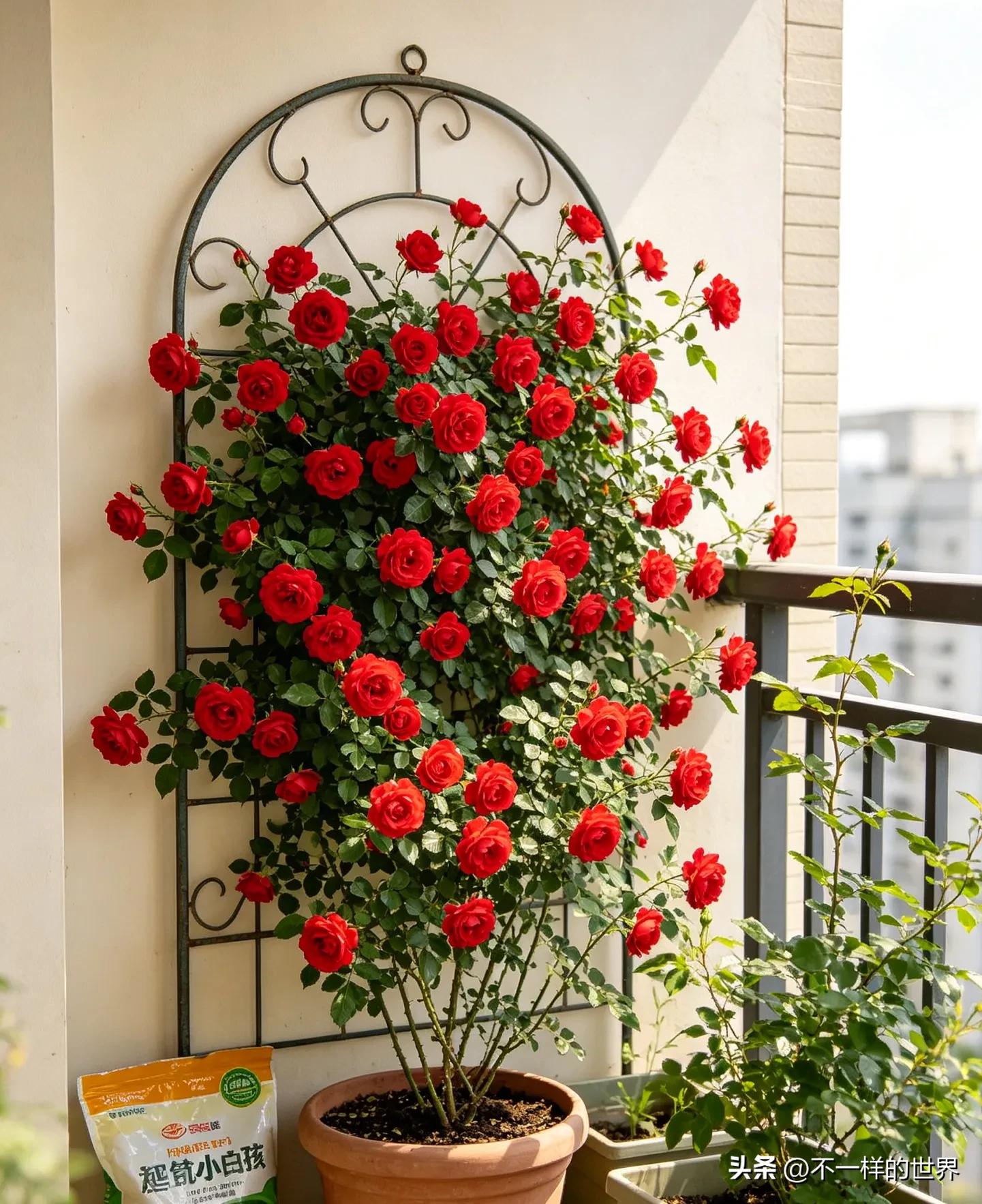
If the home yard is small, the fences are short, or the balcony is not suitable for the planting of large vine moons, the small reptile season is the best option for a little girl. The strains are compact and manageable, do not take over space in a crazy way, while maintaining super-flour and anti-pathogenicity, perfect for all types of growing environment in the south。
The color of the little girl is a luminous red, pure and colourful color, extremely flower-intensive, multi-faced species, with a single branch that can produce a dozen flowers, with a gleamed twig of flowers, and an extra festive red fire. Its growth habits are particularly relevant to the climate of the south, which is high-temperature, humid and infertile, with very low requirements for soil water fattening, and with extensive management, which can lead to wild booms. Even when newers don't know how to trim, and they don't know how to fertilizer, they can grow every year。
The season is almost unobserved, leaves are thick and strong, leaves are not bad during the rainy season, leaves are not yellow in high temperatures, and a whole year is full of greens. The recovery is extremely rapid, with flowers growing and cycling, and small courtyards, balcony walls, fences and decorations are the most appropriate, with small fine and utensils。
Many southern florists have bad times with fujimori, and there is a core error: they look only at colorless, non-coercive, blind and northern-hot varieties. Red varieties such as chalk sapphire, free spirit and blue rain are indeed extremely high, but they require low-temperature springing in order to flourish in large numbers. In the south, when winter temperatures are too high to meet spring conditions, problems arise with long-soft, non-flowering and reflowering, with no explosive effect at all for several years。
All of the high-quality varieties recommended above, which have been validated by hundreds of thousands of southern florist on-site conservation, do not require low-temperature springing, heat-resilient and flood-resistant, multi-seasonal and multidisciplinary, perfect for the unique climate of rain, heat and humidity in the south. Eighty per cent of the success in choosing the right species is to build a beautiful season wall, and the remaining conservation work is extremely simple and does not need to be carefully managed。
Conservation in the southDuring the month of reptiles, it is only necessary to remember three core small techniques that can pop up the wall every year. The first is the location of the plant, where there is as much light as possible, where there is good ventilation, where there is a guarantee of direct light for more than four hours a day, and where sufficient light contributes to the fragmentation of the flowers and reduces the incidence of humid disease, which is the key to being flowery and not ill. The second issue is drainage, with heavy rainfall in the south, the need to plant the soil high enough to avoid the rooting of the water, the need for the pellets to be drained in time after the rain. The third is to trim after the flowers, and after each wave, cut off the flowers and the thin branches, keep the strong main branch and simply add to the compound fat, so that the flowers can be reflowered quickly and continue to last for a whole year。
In general, the south is not a vulnerable area for flowers, and it is easy and easy to grow a wall of seasons that are often running and flowery, and double the price of flowers in its own small home every year。
Disclaimer
It's a flower techniqueVarieties recommendedThese are practical experiences of mass horticulture, which are used only for everyday planting by ordinary flower friends. There are differences in soil, light and water fattening conditions between different regions, and the growth and flowering of plants varies from human to human. This paper does not constitute a recommendation for professional farming and is not commercially oriented, so please do not over-replicate it。









