


The hydrocarbons
Forest fruit crops are divided into five major species: berries, nucleus, nuts, citrus and tropical fruit。
I. Berries: grapes, strawberries, walnuts, pomegranates, peaches, etc
Ii. Nutrient fruit: peaches, dates, plumes, almonds, cherries, etc
Iii. Nuts: apples, pears, walnuts, poachs, chestnuts, silver almonds, etc
Iv. Citrus: oranges, citrus, oranges, grapefruit, tarts, etc
Peach classification
(01) northern peaches population: at the top of the fruit, it breaks up and the stitching line is deeper; the tree is more direct; and the proportion of the medium and short branches is larger. Drought-resilient, from 5 to december. The main distribution is in north, north-west and central china。
(02) southern peaches populations: fruit at the top of the top, with soft and juicy fruit; tree canopy; usually long branch results; buds are mostly re-emerged. Drought and cold resistance are weaker than northern populations. They are mainly located in east, south-west and south-west china。
(03) peach population: both the pellets and the meat are yellow and the meat is strong and strong and suitable for processing and canning. The north-west and south-west regions of china are more cultivated, with less cultivation in north and east china。
(04) peaches stock: fruit flat, dimpled at both ends; canopy canopy developed with short branches; flowers are abundant and productive. Jiangsu and zhejiang are the most cultivated and less developed in north china and north-west china。
(05) peaches population: no hair outside the fruit. This is particularly true in xinjiang, which is home to the north-west provinces。
Hydrocarbons achieve green, ecological, organic, non-farm safety targets
Safe use of hydrocarbon nuclear fertilizer
In the case of northern peaches, the growth cycle can be divided into six stages: budding, gestation, peach, walnut, peach:
Episodes: before they bloom. 50 ml to 15 kg of water spray. Five days apart。
Early childhood: premature fruits grow to the size of checkers. 60 ml to 15 kg of water spray. Seven days apart。
Ping-pong balls. 70 ml to water 15 kg spray. Seven days apart。
Plumbe period: the fruit grows to the size of the egg. 80 ml to water 15 kg spray. Seven days apart。
5. Peach period: fruit peels turn yellow from green. 100 ml to 15 kg of water spray. 10 days apart。
The period of hearts: the fruit grows to mature harvesting. 100 ml to 15 kg of water spray. 10 days apart。
Nutrition maintenance
After the fruit is harvested, the water is sprayed at 100 ml to 15 kg, 30 days apart until the leaves fall. The following can be achieved:
Accumulation of buds: ensuring a steady increase in production in the coming year and avoiding “years and years”。
Prevention and treatment of diseases and pests, preparation of healthy branches for the coming year。
Safe winters: to prevent thaws and improve resistance to thawing。
Storage of moisture: fruit trees store enough moisture at root to prevent winter and drought。
Strong root systems: the fruit trees store the rest of the nutrient accumulation at the root, promote the development of the roots, and ensure adequate nutritional supplies in the wake of the guillotine scene in the coming year。
Juicy management in citrus:
January
January is winter and the hibernation of citrus trees. Our work in january revolved around combating the cold and promoting the separation of buds. So it's our job to trim the tree, develop the tree, and clean up the garden. During this period, there may be freezing. So we're going to do a 10-day double-spacing application with the nucleo-fat algae door of 300 or thiomers + bioplasm to whiteen the trunk。
February, march
It's time for february, and it's starting to spring. During this period, citrus trees are in the pre-breeding hibernation period, until march, when they enter the spring. The main focus of our work during this period has been the promotion of flowers and the pursuit of spring fertilization. Three packs per acre of hydrocarbon-based fertilizers or mainly nitrogen-based fertilizers, supported by potassium phosphorus. Fertilizers should be combined with rational watering to ensure a smooth spring and dry season. And at the same time, at the onset of spring, we have to fight the scabs and the red spiders. We can use the hydrocarbon anti-worms 200 times more。
April
In april, the metabolic period began and the first physiological fallout began. We're about to do something to prevent the disease. About a week after the bouquets, we sprayed a carbon-fat red algae trap and cut it to the point of preserving the fruit. Acacia, resin disease, anthrax, red spiders, wood lice, powder lice, aphids, shellfish. It can therefore be prevented by a 250-fold application of the hbcw or a 200-fold choice of hbat。
May
Turning into may and into summer. During this period, the summer break and the second physiological fallout began. So our main orchard management is porridge. During this period, in addition to re-circumcision, we have to take control of the summer, drain the water in time and cover the trees with sunscreen. Possible pests during this period are anthrax, scabies, red spiders, aphids, curly moths, shellworms, black stings. During this period, we can use 200 times more of the hydrocarbon fertilizer。
June
June is the celibacy period, and the same is what we're going to do. High rusty spiders, wood lice. The selected drug was sprayed with 15 milligrams of cyanide and 30 pounds of water, and the hydrocarbon water was fertilized 500 times or sowed。
July
The time has come in july, and it is now the due date. This phase continues until the fall. During this period, drought protection is required. At the same time, diseases and pests during this period include rusted loice, subleasing moths, oxen and ulcer disease. Rusted wall lice and red spiders can spray 200 times the carbon-hydrogen cortex or choose to use the avial cyanide. An ulcer can be chosen with a coin。
August, september
The months of august and september were periods of fruit expansion, and we used a five-kilogram carbon-hydrohydroxide fertilizer per acre or a pack of base fertilizer per acre to be applied. In addition to continuing to combat drought and humidity, we have to combat pests and diseases during this period. Rift fruit, rusty wall lice, leaf moths, resin disease, anthrax, coal smoke, ulcer, lignosis. For the fibrosis, we can use 100 milligrams of hydrocarbon fertilizer for 15 kg of leaf spray。
October, november
In october, the citrus tree was ripe for the fruit, with 200 times the carbon-hydrogen nucleus sprayed and the harvest period. In october, we're going to grow and prepare for harvest; by november we're going to start harvesting. When the fruit is harvested, we apply hydrocarbon fertilizer in a timely manner, 150 kg per acre and in combination with a deep roll of land, with a deep fertilization. Mainly, 10 days before the harvest, water should not be poured. Pre-harvest citrus is often accompanied by insect-infested fruit, as well as brown rot and green fungus infections。
The safe use of citrus hydrocarbons:
Safety usage
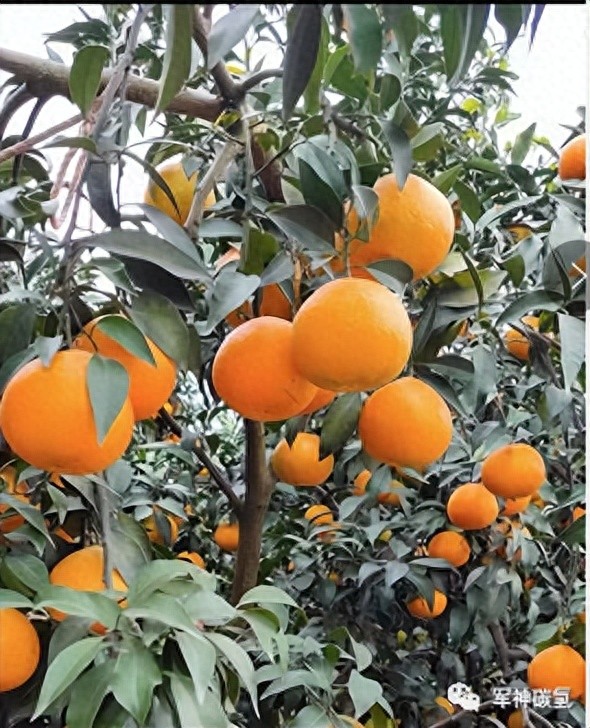
Take the example of sugar oranges. 4-may and 10-december. It was originally born in the town of huangda, the town of qingqing. The main areas of production are guangxi: guilin, chuzhou, 100-colored, qiuip, yongfu, liu gui, all-state, yangshang, monsan, kim soo, yizhou, ping lo, zhaoping, pingnan. Guangdong: yunfeng, yang chun, guangning, four meetings. Based on changes in the colours of the fruit sheet, the growth cycle can be divided into five stages, namely, a short period, a young age, a young age, a long period of fruit, a long period of fruit and a long period of maturity:
Spacing: from new to falling flowers. 50 ml to 15 kg of water spray. Seven days apart。
Early childhood: early childhood to the size of the checkers. 70 ml to water 15 kg spray. 10 days apart。
3. The green season: the fruits grow to the size of the eggs. 80 ml to water 15 kg spray. 10 days apart。
The yellow fruit period: the fruit sheet is turned from green to yellow. 90 ml to water 15 kg spray. 15 days apart。
5. Overcooked period: fruits grow to mature harvesting. 100 ml to 15 kg of water spray. 15 days apart。
Nutrition maintenance
Oranges are green trees. After harvest, 120 ml to 15 kg of water was applied at 30 days intervals. The following can be achieved:
Accumulation of buds: ensuring a steady increase in production in the coming year and avoiding “years and years”。
Prevention and treatment of diseases and pests, preparation of healthy branches for the coming year。
Safe winters: to prevent thaws and improve resistance to thawing。
Storage of moisture: fruit trees store enough moisture at root to prevent winter and drought。
Strong root systems: the fruit trees store the rest of the nutrient accumulation at the root, promote the development of the roots, and ensure adequate nutritional supplies in the wake of the guillotine scene in the coming year。

Hydrocarbon orange safety use:
Safety usage
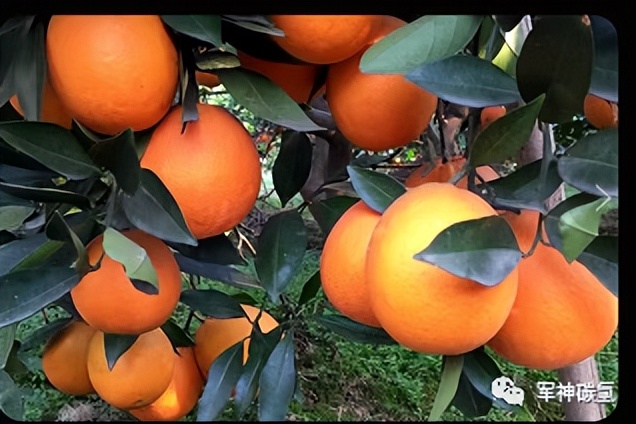
Take the example of jiangxi umbilical orange. April-may, november-december. Red meat umbilical oranges, a variety of fruit powdered to red, evenly coloured, special scented, of good quality, good merchandise, near garden shape of fruit, closed cords. Based on changes in the colours of the fruit sheet, the growth cycle can be divided into five stages, namely, a short period, a young age, a young age, a long period of fruit, a long period of fruit and a long period of maturity:
Spacing: from new to falling flowers. 40 ml to 15 kg of water spray. Seven days apart。
Early childhood: early childhood to the size of the checkers. 60 ml to 15 kg of water spray. 10 days apart。
3. The green season: the fruits grow to the size of the eggs. 70 ml to water 15 kg spray. 10 days apart。
The yellow fruit period: the fruit sheet is turned from green to yellow. 80 ml to water 15 kg spray. 15 days apart。
5. Overcooked period: fruits grow to mature harvesting. 100 ml to 15 kg of water spray. 15 days apart。
Nutrition maintenance
Oranges are green trees. After harvesting the fruit, 100 ml to 15 kg of water was applied 30 days apart. The following can be achieved:
Accumulation of buds: ensuring a steady increase in production in the coming year and avoiding “years and years”。
Prevention and treatment of diseases and pests, preparation of healthy branches for the coming year。
Safe winters: to prevent thaws and improve resistance to thawing。
Storage of moisture: fruit trees store enough moisture at root to prevent winter and drought。
Strong root systems: the fruit trees store the rest of the nutrient accumulation at the root, promote the development of the roots, and ensure adequate nutritional supplies in the wake of the guillotine scene in the coming year。









