In the sheds, the number of cherries and tomatoes is unlimited, and they are long and long, and they are the dominant type of fruit growing in winter and summer. The chicken is the core management technique for the long-season cherry tomato cultivation, and many old growers say, “the tomato production is high, seven on the whole branch and three on the chicken”. Scientific chickens control the height of the plant, improve the ventilation conditions in the shed, extend the outcome period, avoid the premature decay of the planter, and effectively address the problems of late-planting, empty trees, small fruit and disease. The following is a standardized chicken management technique for ground-teaming, ready-to-land cherries。
I. Central role of the chicken
1. Regulation of strains, suitable sheds: shed space is limited and cherry tomatoes continue to grow up to 2 metres high, easy to top and shade the wind. Roast chickens can reduce the overall height of the plant, unify the field strains, fit the sheds to grow space, and facilitate the operation of the field, such as later pharmacies, picks and whole branches。
2. Ventilation and reduction of diseases: even distribution of leaves in the fall of the chicken, elimination of the plume in the field, significant improvement in the lighting and ventilation of the leaves, which can effectively reduce the growth of high-wet diseases such as grey, leaf and frost, and reduce the probability of pest concealment。
3. Root conservation, extension of the outcome period: avoid the growth of the top-end plant and the depletion of nutrients, promote the downstreaming of nutrients, preserve the principal and root systems and prevent the early decay of later plants. At the same time, it can continuously stimulate the capacity of the side branches to produce a substantial increase in the harvest period for cherry tomatoes, resulting in increased production of a variety of pickles and liftings。
4. Equilibrium fertilisation, parity of fruit: to address the weakness of the plant, to balance the nutrient supply of the upper and lower fruit, to avoid large upper, small lower and large deformities, and to increase the sweetness of the fruit and the commodity rate。
Ii. Optimal chickening time and frequency
1. First chickening time
Follow the old rules of picking chickens and not emptying a chicken, and do not be too late. When the plant is up to about 2 metres long, the first chicken fall can be carried out after the complete harvest of the next two ears and the formation of empty branches. It is prohibited to leave chickens when the fruit is fresh and the berries are not changing, which can easily cause nutrient disorders and fallouts。
2. Leaching weather selection
Priority is given to sunday operations from 9 a. M. To 3 p. M., when the temperature in the shed is high, the penis contains the right amount of water and is the most resilient, and when it falls, it is not easy to break a branch。
Chickens are forbidden in the rainy weather, in the evening and in the early morning, when they are soft and watery, and when they are operated, their wounds are not easily healed, they are highly contagious and they cause the trough to rot。
3. Roast chicken frequency
Cherry tomatoes are grown in long seasons, with chickens three to four times for each harvest and three to four times for the entire growing season. They are adapted to the size of the plant and the height of the shed, and are subject to the principle of “minority, graduality and graduality”。
Iii. Preparatory work for chickens
Preparedness for chickening directly determines survival and growth, a step that many growers can easily ignore and is key to reducing injuries。
1. Water control crouching: stop watering, reduce fertilizing, and quench properly three to five days before the fall. (c) to increase the symbioticity and resilience of the penis, to avoid excessive water contenting and fragile, and to significantly reduce the risk of falling chicken damage。
2. Cleaning of leaves: one day in advance, cleaning of useless leaves under the plant, and the complete removal of old, yellow, sick, handicapped leaves from the base, as well as all invalid branches, long branches and rollers. Only the upper 13-18 leaf is kept to ensure light co-operation while avoiding disease in the lower branch。
3. Routine retention: check the cranium rope, untie the knots early enough to keep enough lengths based on the height of the cranium, and avoid strangling the cranium by pulling it tight. The ropes in the shed are uniformly set aside to facilitate subsequent chicken landing operations。
4. Bacillus protection: wide-spectrum protective microbicides can be sprayed throughout the shed before the chicken falls, the fungs in the shed can be eliminated early and the minor wounds from the chickens can be prevented。
Iv. Standardized methods of operation for chickens
The same-directed, low-level planting method is used to ease the whole journey and to eliminate hard and hard breaks。
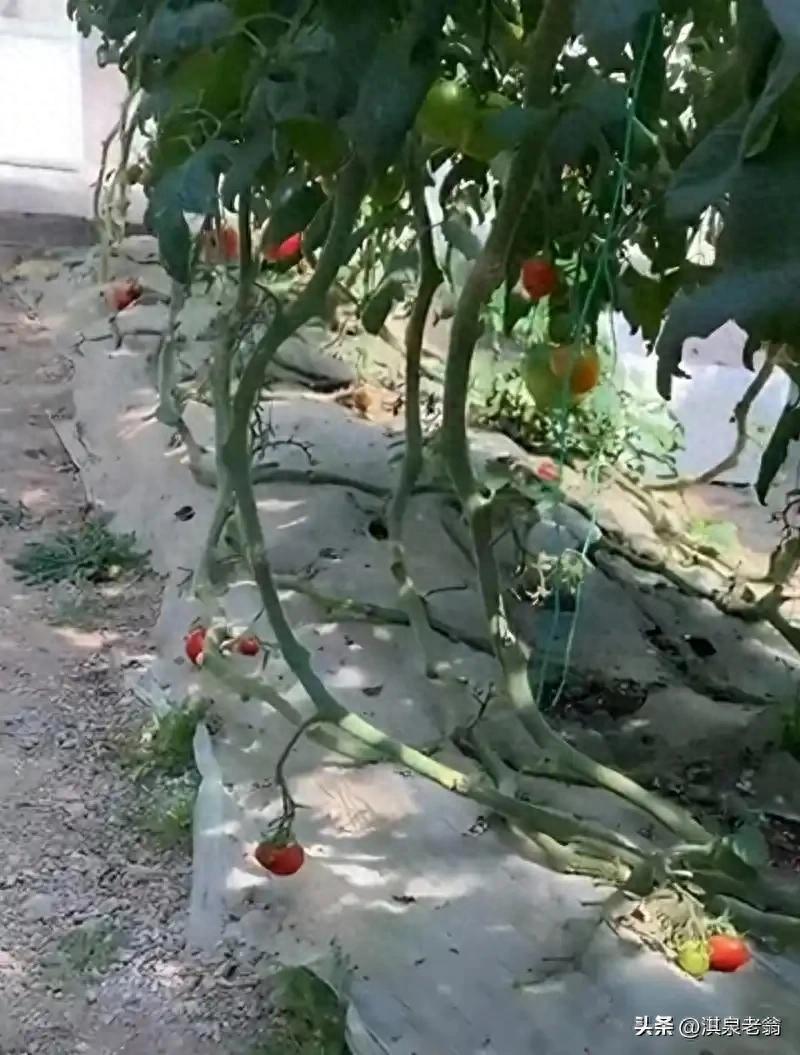
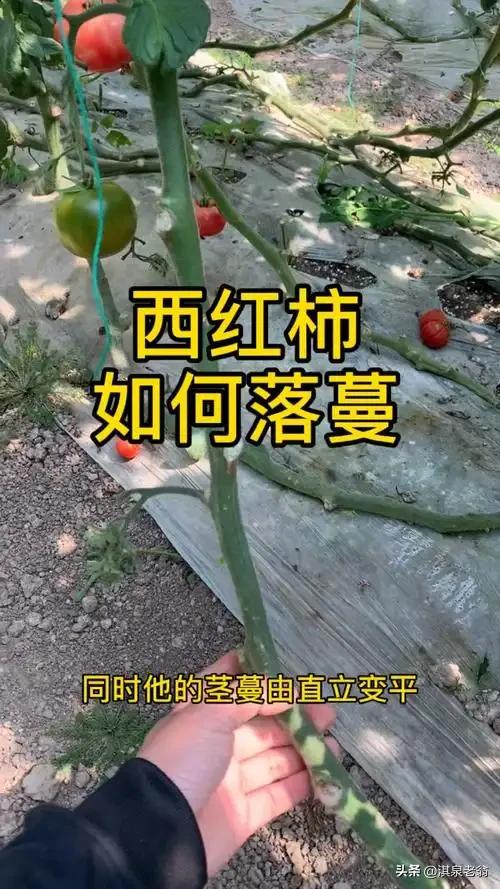
1. Looping of chickens: softly untie the top hook of the plant, slowly decorate the rope, slowly fall down the chicken along the natural bending of the penis, strictly prohibit reverse bending, violent distortion of the trough, and prevent the fragmentation of the tube, resulting in the aging of the plant and the death of the tree。
2. Unified chicken: the whole field plant will be rounded in one direction, the chicken will be swirled in an orderly manner, and it will be rounded on both sides of the plant. The height of the fall chicken is consistent and the principle of “low northerly northerly height” is followed, with a suitable lower south side of the shed and a slightly higher north side, avoiding shades of light and ensuring even light across the field。
3. Controls of high distance: strict control of the bottom length of the tubing at a distance of about 15 cm after the fall of the chicken, which avoids the wetness and decay of the adhesive ground and stabilizes the strains and prevents the fall of the suspension。
4. Re-stuffing: once the chicken is finished, the ropes are re-concentrated to the hooks, and the upper penis is gently pulled up to ensure that the head of the grower is straight up, that it is not crooked, that it does not fall down, and that the top advantage disorder is avoided and that subsequent growth results are affected。
V. Priority conservation management after chickens fall
It is not the end of the chicken, and later conservation is the key to high productivity, and these steps are being done with less premature growth and more fruit。
1. Ventilation and wetting: 2-3 hours of ventilation after the fall of the chicken, quick-dry-dry-dick wounds, reduction of field humidity, elimination of bacterial infestation and prevention of stasis and silt outbreaks。
2. Cultivation tree: 2-3 days after the fall of the chicken, with the application of crustaceans, fish proteins or acid-crushed water solublely, effective application of plant maintenance tubes, repair of minor damage caused by the fall of the chicken, promotion of the roots, restoration of the tree position, and storage of nutrients for the next strung fruit. A small amount of balanced water soluble fertilizer is combined to avoid the application of nitrogen-based fertilizers and to prevent plant long。
3. Timely prevention of disease and insects: a timely application of an anti-irritation agent after the cranium wound has been healed, with a focus on the prevention of foes and truncations, while inspecting the fields to prevent pests such as white ticks, aphids and tremors, and to prevent infestation。
4. Timely twirling of twirling: timely elimination of non-functional sprouts, madness and reduction of nutrient consumption. And make fresh saplings, and remove deformations, small fruit, and sick fruit, and ensure that they are smooth and even。
Vi. Common taboos and fault zones
1. Overstretched chickens: single chickens must not exceed 50 cm, excessive chickening can lead to a sharp decline in luminous leaves, inadequate nutrient supply and problems of aging, rigidity and fallout。
2. Roast chickens: the planting period, and the prohibition of chickens during the lumber bulge period, are highly susceptible to the wrinkles of the fruit handle, the interruption of nutrients and the causing of a large number of falls, stiffs, which seriously affect production。
3. Obscenely decomposed chickens: the chickens may not fall directly on the ground after falling, and the high humidity of the soil can lead to the discomfort and decay of the tub, while at the same time causing endemic diseases and pests。
4. Frequent chicken landings: when the next ear is unharvested, when the plant is longer and weaker, do not fall blind, and frequent chicken landings cause repeated damage to the plant, resulting in a decline in tree positions and early decline in production。
5. Absorption to the chicken: a disorderly, reverse chicken is planted, which leads to the closure of the field, the deterioration of the ventilation light and the distortion of the tubing tube, which affects the flow of water fertilizers。
Summary
The core mouths of the small cherry tomatoes in the sheds are: clear-air chickens, post-harvest operations, water-control crouching, co-direction, leaves for ventilation, root protection. Controlling the length, operational strength and later conservation of chickens will allow the plant to grow robustly and without premature failure, and will continue to have multiple pickles, effectively improving the production and quality of cherry tomatoes。