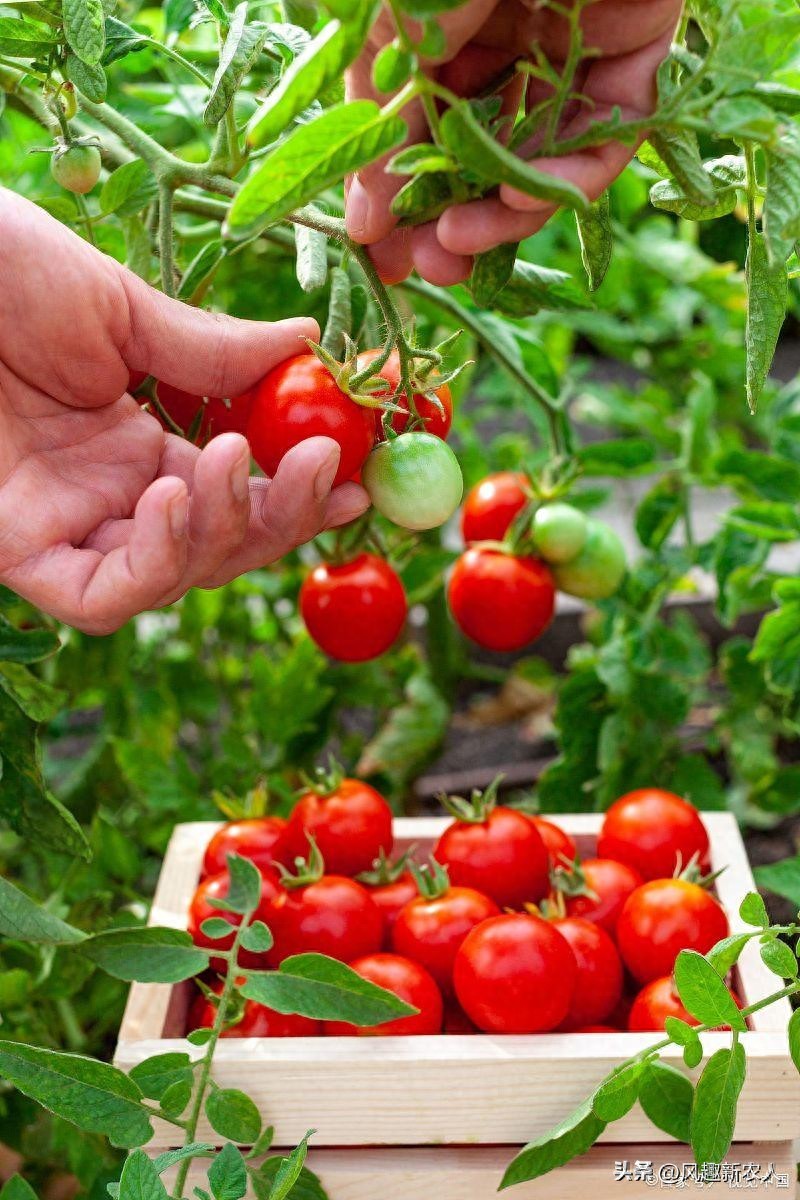
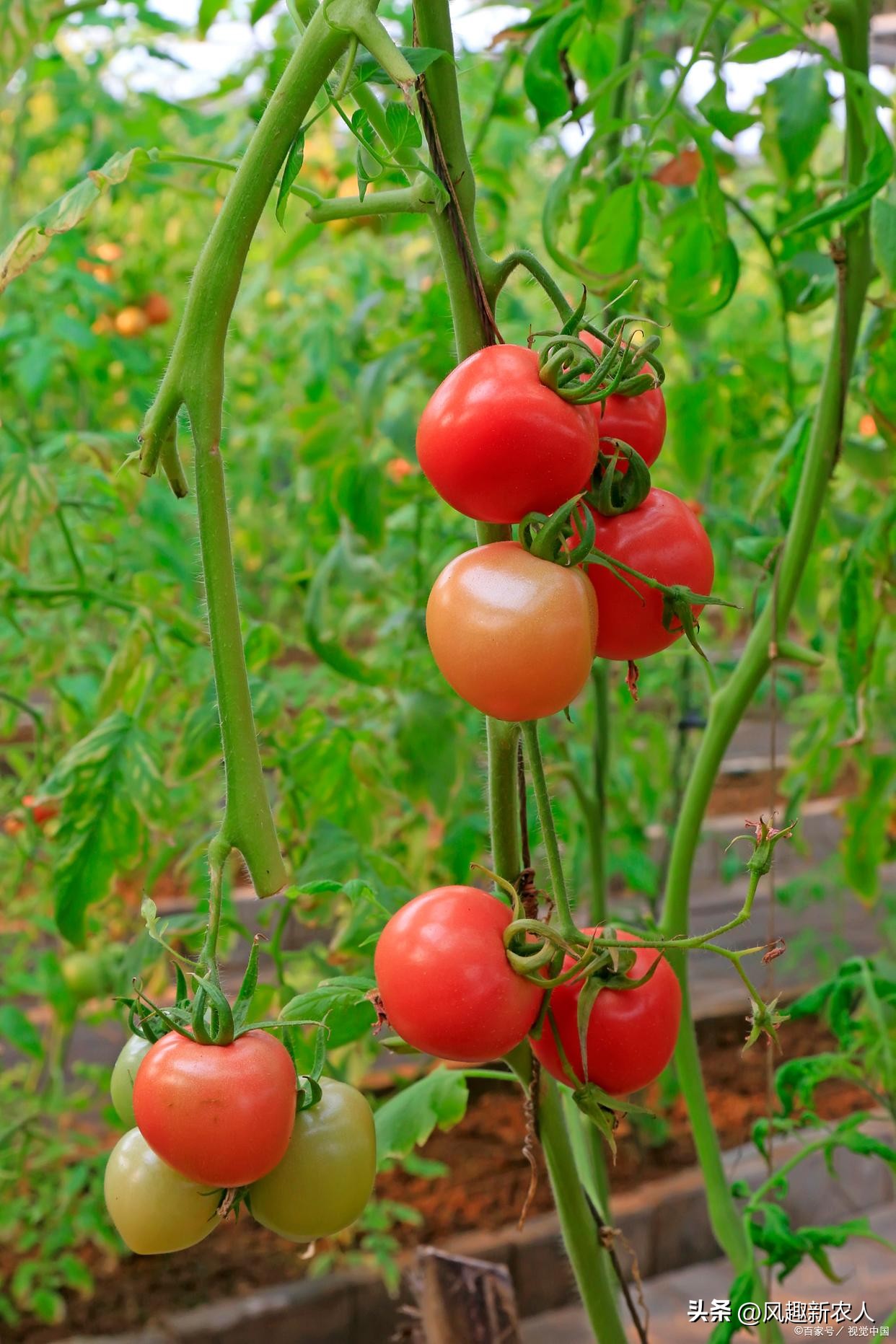
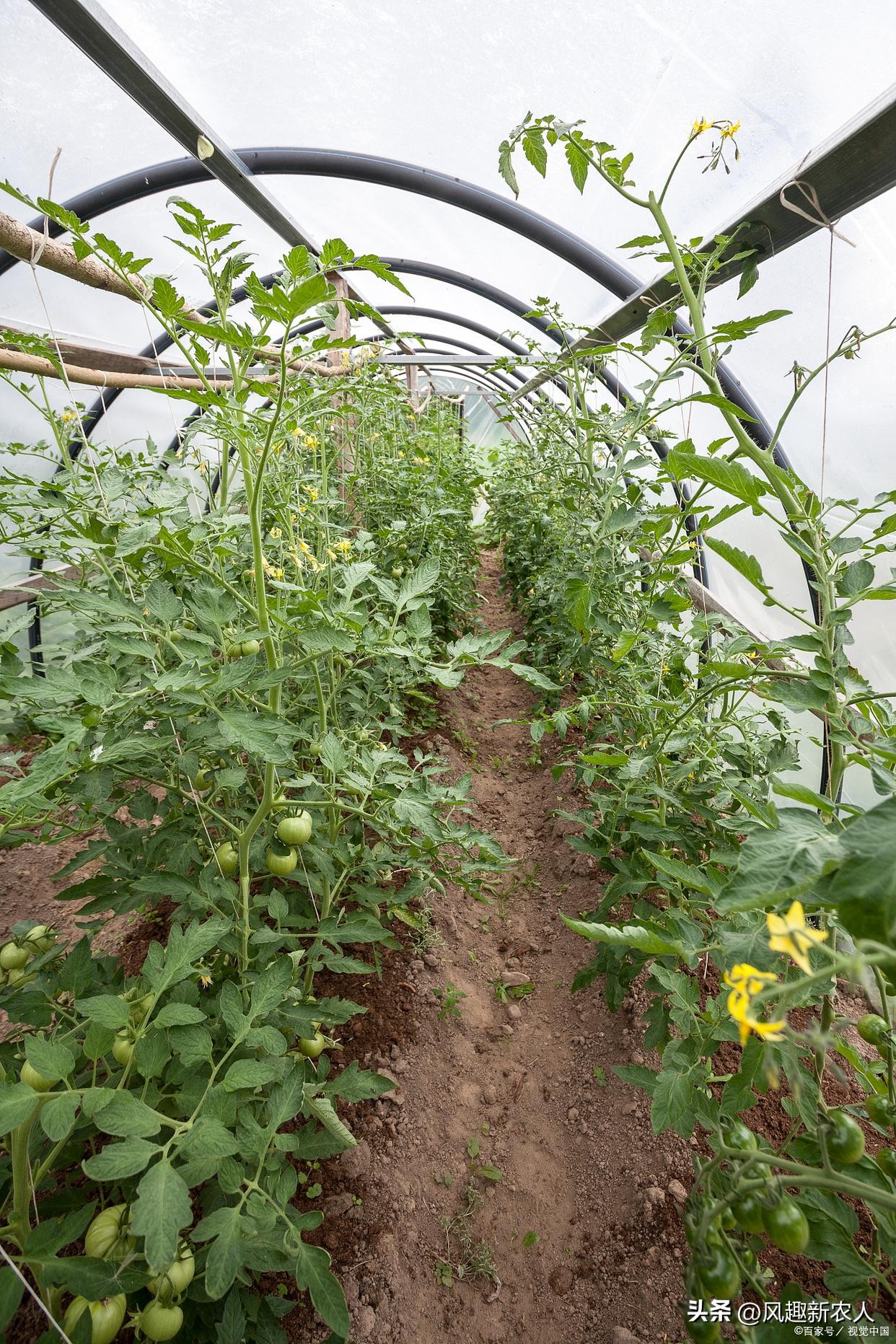
Cherry tomatoes, based on their unique tastes of fruit fragrance, sweet and juicy juicy, and thin skin, are the most economically efficient feature of the facility's vegetables. The closed environment, limited soil buffers and controlled temperature and humidity of the sheds, while achieving four seasons of cultivation and high productivity, are highly susceptible to such quality problems as soil nutrient imbalance, long-planted plants, low-yielding fruit, high acidity and hollow fissures. A large number of planting practices show that the core of oral excellence lies not in high and low yields, but in the scientific precision of fertilization. Rational regulation of fertilizer types, usage, rationing and periods of application, which can effectively contribute to the accumulation of fruit sugar, vitamins, the balancing of the acidity ratio and the improvement of the tightness of fruit and meat are central to the upgrading of the quality of cherries and the value of commodities。
I. Adverse effects of fertilization imbalances on the taste of cherry tomatoes
Under closed cultivation patterns, such problems as blind fertilization, nitrogen fertilization and the pursuit of fertilization are prevalent among farmers, which directly disrupts the balance between nutrient growth and reproductive growth, and severely lowers the taste quality of fruit, with particular disadvantages。
The preference for nitrogen fertilisation is the primary cause of a bad taste. Nitrogen fertilizers during seeding periods and with long-term overdoses can lead to long-planted leaves and a condensed leaf, reduced ventilation in the sheds, and heavy consumption of luminous plant products on the branches to prevent their accumulation. Ultimately, the fruits are over-inflated, over-watered, dry matter is not enough, they are tasteless and tasteless, they are very low in sweetness, and they are soft and unsustainable, and they are prone to flower fruit and disease。
The absence of trace elements such as potassium phosphorus causes a direct defect in fruit quality. Potassium is the core element for the synthesis and trans-shipment of tomato sugar, and the lack of potassium leads to an accumulation of fruit and sugar, an imbalance in colour, and a strong acid odour; the deficiency of phosphorus prevents the bouquets and the growth of fruit, leading to poor growth of fruit, small size of fruit and hard taste; and the scarcity of calcium and boron, which leads to problems such as fibrosis, fibrosis and emptiness, leading to a lax structure of fruit and meat and to a complete loss of taste properties of quality fruit。
Improper application rates and periods of confusion in the pursuit of fertilizer can lead to disconnection in the supply of and demand for nutrients. The continued application of high nitrogen fertilizers in the outcome period, inadequate supply of potassium fertilizer during the expansion period, and late-term neglect of leaf face to supplement fertilizer can lead to an imbalance in the proportion of fruit-polytous sweets, problems of pre-medium-term acidity, low-yielding post-partum fruits and low overall wind tastes, and a significant reduction in the commodity fruit rate。
Ii. Fertilization of scientific formulations that accurately match the long-term nutrient needs of each child
There are significant differences in the nutritional needs of small cherries throughout their reproductive years, following the core principles of nitrogen control, phosphorus, potassium enrichment and micronutrients, according to the four critical stages of the shrunk season, the long-lived period, the flowering season and the maturity period of the expansionFine fertilization• supplying nutrients on demand, helping sugar to accumulate and optimize fruit。
(i) shrimp period: light fattening and rooting to develop the root smell of sprouts
The core objective of the seeding period is to nurture a strong and well-developed seedling, avoid growing up and lay the foundation for quality results later in life. At this stage, the plant needs to have a small amount of fat, a lack of fat, and an excess of nitrogen。
After planting the seedlings, the first fertilization was carried out in combination with the water from the seedlings, mainly at a thin speed, with urea 7-8kg per acre, with potassium acoustic acid fertilizer 2-5kg per acre mixed with the mineral source, and drip irrigation with water diluted. Potassium accommodated the soil of the shed, promoted the growth of the root system, improved the absorption capacity of the root system, avoided the growth of the seedlings and ensured that the seedlings were robust. Nitrogen fertilizer is strictly controlled during the period of seeding, which does not blindly pursue fattening, prevents the foliage from growing and consuming nutrients, and avoids the risk of bad taste from the period of seeding。
(ii) the flowering season: strong and strong, balanced nutritional security mass
The flowering season is the key node for nutrient growth to reproductive growth, and nutrient imbalances can lead directly to poor quality of the sitting fruit and poor natural wind in the fruit. At this stage, the supply of nitrogen phosphorus will need to be stabilized, the ratio of potassium, calcium and boron will need to be increased appropriately and the strength of the plant coordinated。
Single nitrogen fertilisation is discontinued during the initial flowering period, with 5kg water solubles of 19-19-balanced water per acre, guaranteeing long-stable plants and full sprouts. At the same time, emphasis is placed on regulating potassium calcium ratio, which is controlled at 1. 6:1 in the trophic fluid of the flowering season, which significantly enhances the activity of sugar-based metabolic enzymes and provides a basis for the synthesis of sugar in fruit. In addition, the leaf is sprayed with 0. 3 per cent boron fertilizer solution, which effectively prevents the drop of flowers, increases the flatness of the sitting fruit and ensures that the follow-on fruit is well developed and tastes uniform。
(iii) numeric period: heavy potassium nitrogen control, accumulation of sugar and sweetness
The expansion period is a crucial period for determining the taste of cherry tomatoes, at which the fruit size, sweetness, acidity, and sense of fruit and meat are defined, with the application core being strict control of nitrogen fertilizer, a large increase in potassium, and the addition of moderately trace elements。
When the first sap begins to swell, the use of high nitrogen fertilizer is completely eliminated, with more than 15 kg of potassium per acre flushed with high potassium sulphate compound fertilizer, and preference is given to low nitrogen high phosphorus high potassium formulation fertilizer, which is accurate in the supply of nutrients. The calcium potassium ratio was adjusted to 1. 7:1 during the outcome period, with the best ratio maximizing the accumulation of fruit and sugar and significantly increasing the sugar content of fruit。
Every 7 to 10 days, fattening is followed every acre by potassium dihydrophosphate 2 - 2. 5 kg, combined with 0. 3 to 0. 5 per cent of potassium phosphate leaf spray, with a two-pronged promotion of the transport of photocolumn products to the fruit, rapid accumulation of sugar and reduction of acidity. Synchronized application of 0. 3 per cent calcium nitrate solution, supplementing calcium elements, preventing fibrous, umbilical disease, so that the meat is juicy and sourly sweet。
(iv) age of maturity: corrosiveness, locking in the taste of the wind change
The shift of fruit to the mature stage will require a reduction in soil fattening, reinforcement of the leaf face and avoidance of soil moisture and nutrient fluctuations leading to oral retaliation and fibrosis. At this stage the soil is suspended from fertilizing, leaves are preserved only, potassium phosphate + amino acid folate is sprayed every eight days to maintain the light efficiency of the plant, to promote the smooth transformation of the fruit, to lock in the sugar and wind, and to avoid the softening and dim taste of the later fruit. A small amount of magnesium is also added to prevent the premature decay of the leaves and ensure the continuity of nutrients in the mature process。
Iii. Optimizing fertilization packages and maximizing the taste of fruit
In addition to relying on precision formulations for fertilizing, the cherries in the sheds have increased their tastes, which need to be combined with the environmental characteristics of the sheds in order to optimize their application, improve the soil and regulate the synergy of water fertilizers and achieve efficient utilization of nutrients。
First, organic fertilizers are maintained, supported by fertilizers, and soil roots are improved. Pre-plant deep tillage, with a suitable amount of microbacterial agents used per acre in the application of fertilizers of 2,000-3000 kg, bio-organic fertilizers of 200 kg. Organic fertilizer can improve the structure of the shed sheeted soil, increase the organic content of the soil, slowly release nutrients of all kinds, avoid sharp increases in nutrients caused by quick fertilizer, allow the fruits to mature naturally and have a strong odour of wind and lynch, and effectively address the issue of “sweet and unsalvable” fertilizer-growing fruit. Microbacterial agents can regenerate the soil, inhibit harmful bacteria, promote root absorption and reduce the incidence of physiological diseases。
Second, the introduction of integrated water fertilization dripping and the accurate supply of nutrients. The use of drip irrigation is a priority for shed cultivation, which follows the principle of “a small number of times” and avoids heavy flooding and one-time fertilization. Controlling root ec values on the basis of long plant dynamics keeps root nutrient concentrations stable, both to prevent fatting and to sustain a steady supply of nutrients, to promote even expansion of fruit and steady accumulation of sugar, and to combat fissure and sour inequity due to dampness and thinness。
Finally, small and medium-sized elements are supplemented, as required, to complete the quality panels. In addition to potassium potassium, magnesium, zinc and iron are essential. Magnesium is the core ingredient of chlorophyll, and lack of magnesium leads to insufficient photocolumn and low accumulation of sugar; zinc and iron enhance the resistance of the plant and ensure normal growth of the fruit. Long-term, bulging periods supplement complex micro-fertilizers with desired leaves to optimize the quality of the fruit and increase the fragrance of the fruit。
Iv. Avoiding fertilisation and stabilizing quality of oral quality
In daily cultivation, most of the problem with the taste stems from the misapplication of fertilizers and the targeting of wrong practices in order to stabilize the quality of the fruits。
The first is the elimination of the preferential application of nitrogen fertilizer, which applies only to seedlings, and the subsequent excess of nitrogen fertilizer, which inevitably leads to long leaves, heavy water flavour in fruit and acidity exceeding the norm; the second is the avoidance of heavy phosphorus, which needs only stable supplies, and potassium fattening during expansion, which is the core of the protein, which is the main reason for the insinuity of the fruit and its poor wind taste; the third is not the neglect of the moderate element, which can directly undermine the sense of fruit and commodities caused by missing fisssion, hollowness and cortex; and the fourth is the prohibition of late-stage run-off, which, before the fruit matures, can lead to a serious effect on the sense of gratin, fruit acid and maturity。
Concluding remarks
The oral quality of the small cherries in the shed is a combination of nutrient science regulation, balanced growth of plants, and healthy growth of fruit, and scientific fertilization is the core of efficiency gains. In the process of planting, the traditional patterns of blind weighting and preference for nitrogen-based fertilizer are abandoned and the fertilizer programme, “presentity promotion during seed seasons, steady flowering, sweetening and mature supplementation,” is strictly followed. It is accompanied by organic fertilisation, integrated and accurate management of water fertilizers, and small and medium-microfat panels, which can effectively increase the sugar content of fruit, balance the sweetness ratio, strong tulips, optimize the meat quality of fruit and lead to a significant increase in cherry the quality of the commodities and market competitiveness of peach tomatoes achieves high-quality, high-quality production and high-quality production。