


Black muirCultivation is guizhouDejiang countyOne of the main industries, placesAgriculturePassBacillus consumptionIndustrial development has led to increased enrichment by farmers, resulting in the development of a system for the scientific cultivation of edible bacteria. This paper focuses on practical experiences with planting techniques in hemuire, tejiang county, and explores the local realities in the development of the fungus industry。
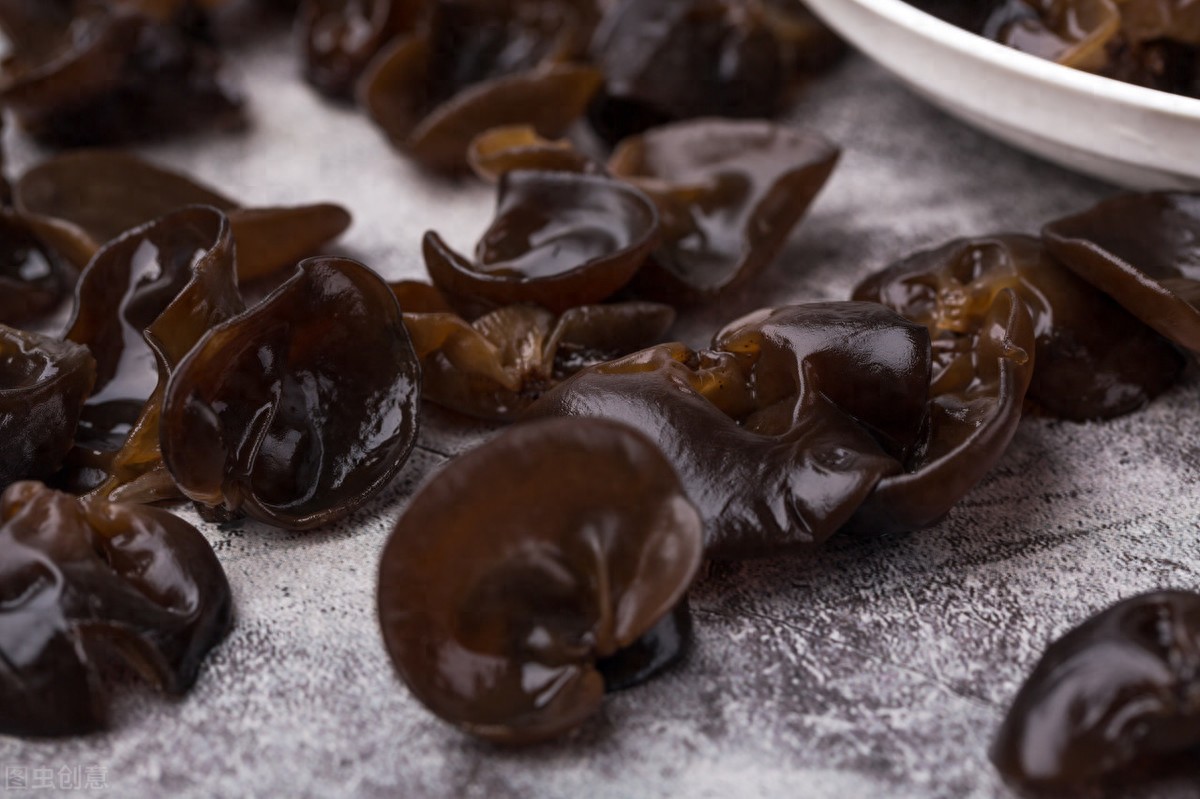
There are two types of technology for the artificial planting of blackwood ears, namely, bagging and wood cultivation, which are closer to the natural and wild growth patterns of blackwood and more responsive to the construction requirements of modern agricultural development, while bagging is more stable and more productive. In tejiang county, guizhou province, bagging is the method used in the field of haze ear cultivation。
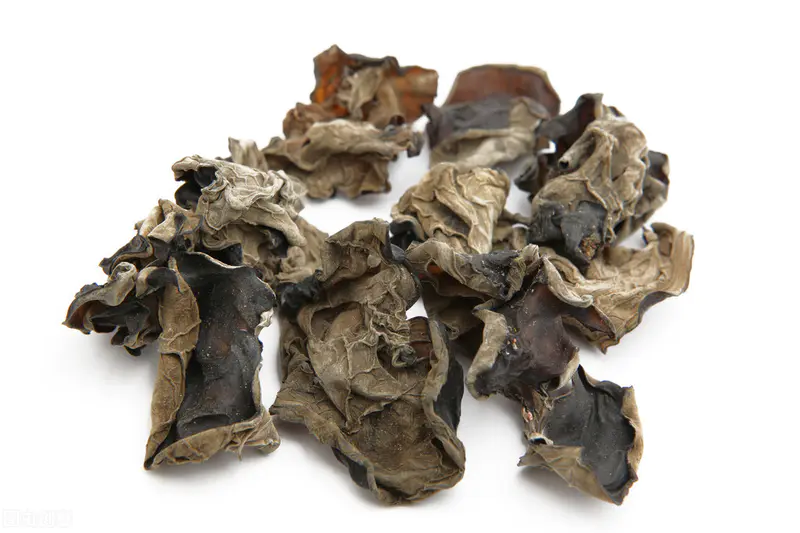
I. Status of development of hamul cultivation in tejiang county
Dejiang county, which belongs to the city of bong-in, guizhou province, is located in the north-east of the highlands of guizhou and is the crossroads of the mountains of tai lu and wu mah. Dejiang county has a subtropical monsoon humid climate with an average annual temperature of about 13°c-17°c, and a cool and humid climate of about half a summer and half a winter is well suited for edible growth and reproduction. To this end, local cultivation of edible fungi types has been mainly carried out with black moor, with the use of bagging techniques in order to achieve a steady high output, and with the establishment of specialized co-operatives and specialized parks in the counties. Since 2013, the hae muir industry in tejiang county has been growing and growing, with over 95 per cent success in vaccination and 1,600 kg/1,000 bags of production, offering a wide range of development prospects for the local market for edible fungi, and black moul cultivation has become the most profitable means for local farmers to become rich。
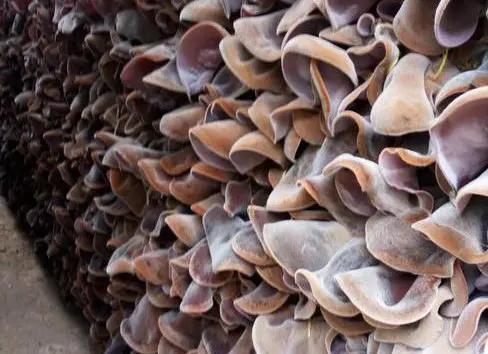
Ii. Basic methodology for cultivation in hamul, tejiang county
In order to increase production and make rational use of the local environment, hemui, tejiang county, uses traditional bagging techniques, which use sanctuaries, etc., as primary materials, which cause the fungi to contract and separate the material from the walls, and where the ear buds are found in the non-sting hole, they tend to become “stacks” and rotting sticks. In order to overcome this problem, suitable varieties have been introduced locally to ensure that the material is compact and that appropriate amounts are filled into a bacterium as a supporting material, which has a good effect on reducing the contraction of the fungus. At present, in tejiang county, each package of black wood ear cultivation is almost capable of producing more than 1,600 kg/1,000 bags, ensuring the highest efficiency in planting。
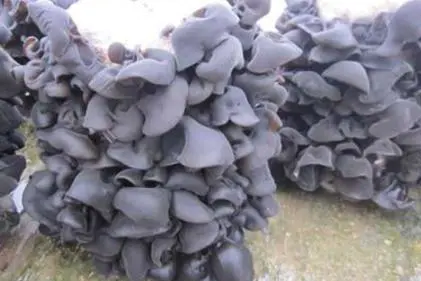
Iii. Pocket planting technology applications in hemui, tejiang county
(i) bag-planting techniques for black muir
1. Vaccination
In tejiang county, open vaccinations are carried out mainly through vaccination kits, breeding rooms or inoculation accounts, and routine sterile operating environments are strictly controlled and administered in accordance with standard norms. For example, during inoculation, bacterial blocks are kept dry, so that they are evenly pressed into the den. In the case of bacteria with a high water content, light pressure is required to avoid the death of the fungus from their pressure from water stains. During the hot summer season in tejiang county, two vaccinations are generally scheduled at night or in the morning, when lower temperatures can effectively increase the rate of vaccination。
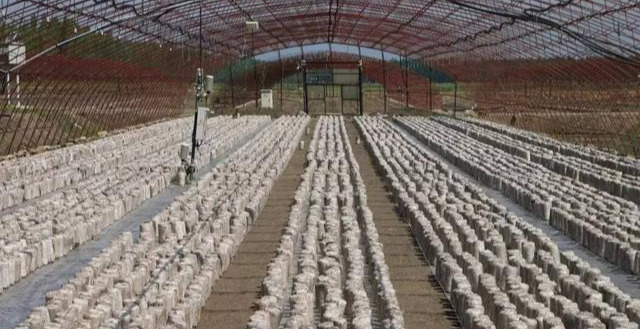
In general, the fungi season during which bags are planted with black molluscs tends to be warm and prone to a variety of fungs, so that ventilated conditions remain cold. Inoculation in the vicinity of earfields is generally chosen, with special use of bamboo and steel pipes, and with the black and white membrane in the shampoo. At the same time, a spray belt is installed on the roof of the shed, if the temperature is high and sprayed in a timely manner for cooling and humid purposes。
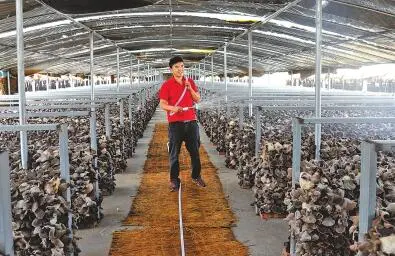
2. Bacillus management
Over the course of the fungi management period, the two management models of double-heavy and non-heavy-controlled fungi were mainly adjusted to seasonal climatic conditions to effectively ensure high levels of black molybdenum inoculation, generally at an early stage in tejiang county, and at a high level in mid-july each year. This is done by placing a blubber in relatively cold, ventilated, spacious incubators or sheds for wall stacks, with heights around 10-14 levels, and vaccination stacks in the direction of the side, while a blubber bar requires a distance of approximately 50 cm per distillation, with strict coverings of thin membranes, to be used to isolate thermal air from the outside. Inoculations may be 7-9 cm in size for approximately 10 days, at which point the film can be lifted using direct cooling in the form of water spray from the roof of the shed。
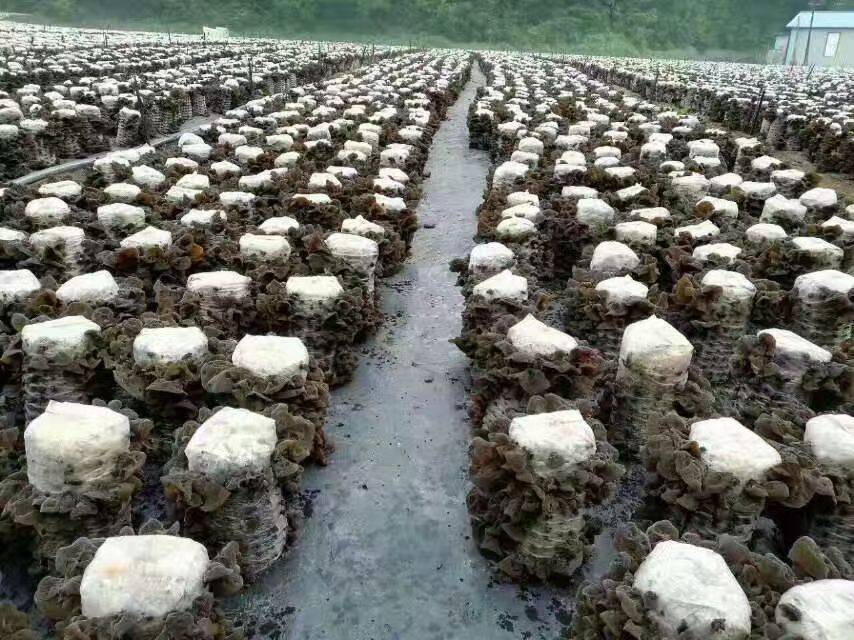
Dejiang county will remove the black molybdenum enzyme during the second dump, hoping to further increase the oxygen supply required for the growth of its mycelium, and then evacuate the rods further. There is a general guarantee that 60 rods of black wood will be cultivated per square metre and that close attention will need to be paid to indoor temperature changes in the sheds, with a view to increasing thermal ventilation and ensuring that indoor temperatures remain within 28°c。
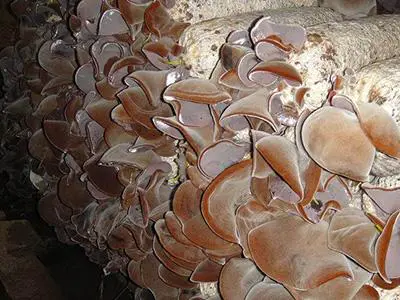
(ii) ear management techniques for black muir
Dejiang county, in the field of ear management for bagging of black-mules, has chosen suitable and cool weather weather (under 25°c) mainly after stinging holes. The “dry and wet” increased water spray, which is specifically designed for ear buds, ensures that ear buds remain wet and wet at all times, but cannot be overwet, which can easily lead to a flow of ears, so that the ear buds can be dryed out in water loss. If the outside temperature environment is higher than 25°c during the management of the field, the water will be sprayed once in the morning and evening, and each batch of black wood will be stopped for about 10 days after harvest, giving the fungus in the culture base sufficient recovery time and space for the next earring management once the new bud is formed。
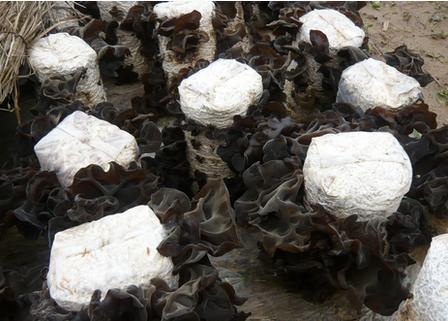
In the light of the above, and in order to ensure the high quality of production in hemoo, tejiang county, this paper describes the traditional bagging techniques that have been chosen in the region, which can be adapted to the local environment for the quality development of the black moor and create favourable conditions for the long-term development of the local consumption industry。









