


The haemorrhoids, which are naturally grown by white ocean starch, produce large quantities, masonate by hand, have good roots, grow fast, and are particularly suitable for large areas of artificial lake, river and wetland cultivation. Our unit is responsible for construction, planting and then charging。
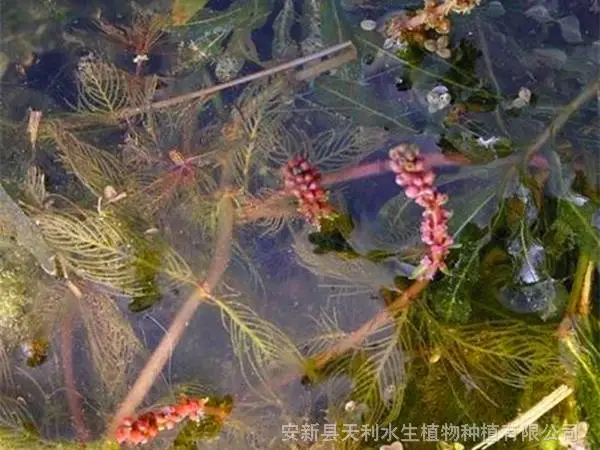
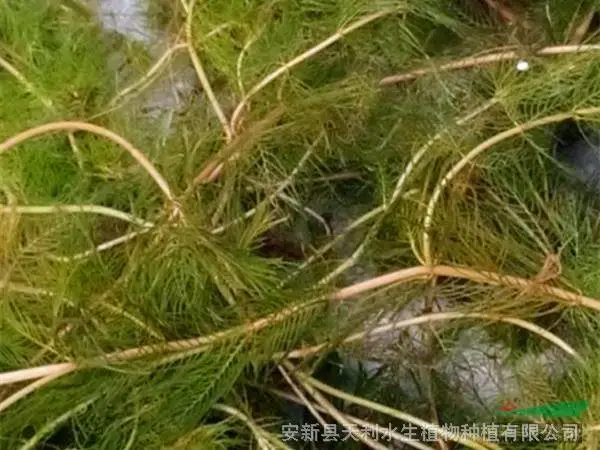
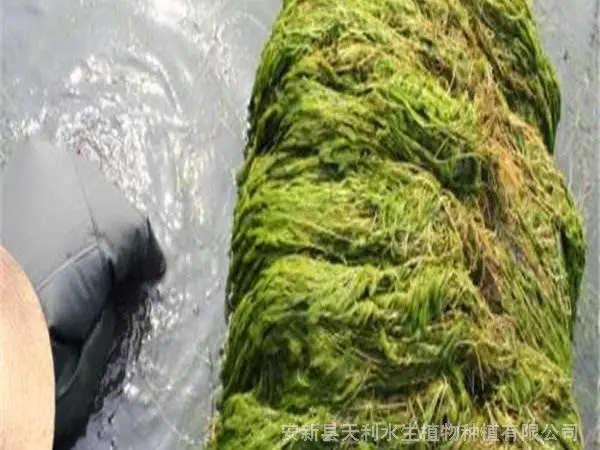
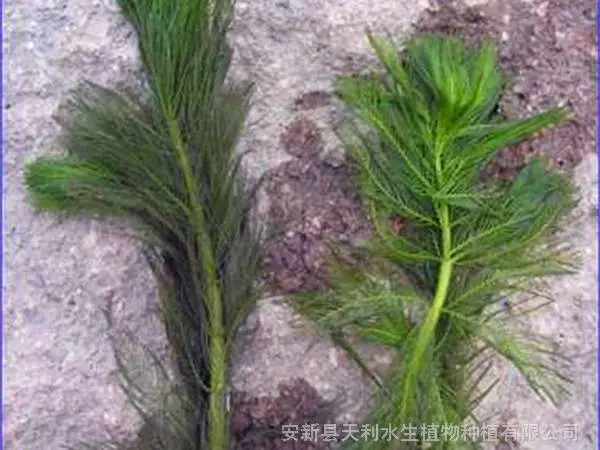
Episode-like foxtail algae are also known as phoenix-tail algae, and pink-coloured fox-tail algae are small pixie plants, with long-lived water-sinking plants, akin to goldfish algae, with particularly developed roots, which can spread in the soil of the water floor, with roots on the surface, and very strong breeding and rapid growth. The skin and goldfish algae are very similar, and the two plants are often confused. Now, let's talk about the siltification of the silhouetteMethods of cultivationI don't know。
Water ecology
Specular foxtail algae are herbivorous plants that grow under water on a perennial basis, together with other sunken plants, build underwater forests, effectively control the biomass of phytoplankton and improve water bodies, improve the transparency of water bodies by purification water quality, and have a particularly visible effect on copper-green micro-algae, with the cultivation of eutrophication *** of the water column in nutritious water bodies. Water-sink plants are commonly used in the greening of water bodies in rivers, lakes and artificial wetlands for water quality improvement。
Methods of cultivation
Specular foxtail algae are highly fertile, especially cold and cold, and whole plants can grow normally under the ice, and the specter algae can survive at depths of 2 metres. The pox-tailed algae are grown mainly through adhesion, which can be grown from april to october each year. The alkalinity of water quality is less demanding and can range from slightly alkaline to slightly alkaline water quality, but the light is high and the open shallow waters are growing fast。
Purchase of osteoporosis ***Aquatic plantsThe base provides direct seeding and subsistence*** and provides planting methods to cover the construction and planting works。
More aquatic plant varieties: poaching, sleeping lotions, reeds, bamboo, scabs, scabs, aquatic beauties, scabs, scabs, scabs, rain flowers, sorghum, sorghum, scabs, scabs, scabs, scabs, scabs, scabs, scabs, scabs, scabs, scabs, scabs, scabs, scabs, scabs, scabs, scabs, scabs, scabs, scabs, scabs
Water-sinking plants (watergrass): grass, wheeled black algae, short and bitter grass, malay eyebrow, toothbrush eyebrush, oscillated foxtail algae, pink foxtail algae, dragonshad eyebrow, grand tsalgae, small tsalgae, microtooth eyebrow, ilegae, etc。
Hdpe artificial floats, foam floats, polyester fibre floating wetlands, complex floating wetlands, exclusive plant plant on artificial floats。









