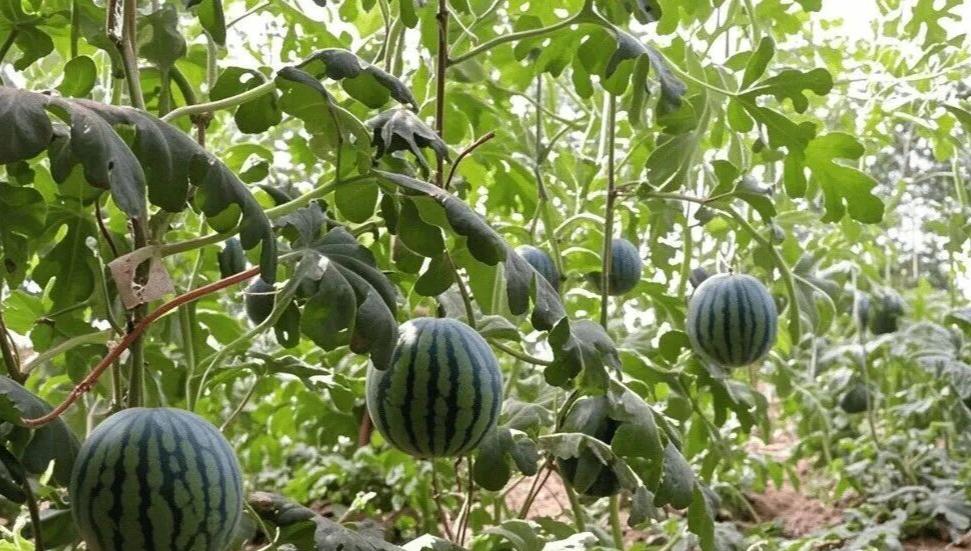
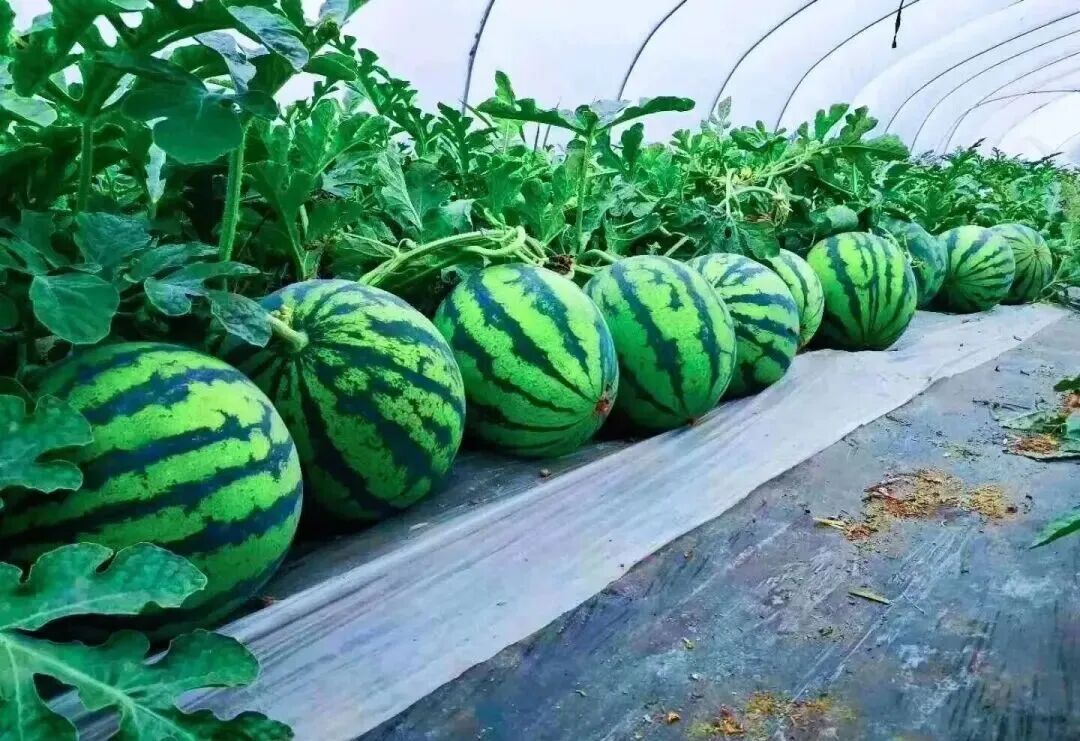
A big shedThe ability to regulate the growth environment and to market watermelons against seasons and faults has become an important form of cultivation in the main area. However, the current production of watermelons is still prevalent in species that are not compatible with the shed environment, and that are not regulatedFertilizer managementCrudePest controlExcessive reliance on chemical pesticides, and poor management of temperature and humidity constrains productivity and quality enhancement and affects planting efficiency. To that end, this paper is based on several years of practice and experimentation to optimize the integration of key planting links into a system of high-quality high-yielding watermelon technology programmes。
I. Classing and experience
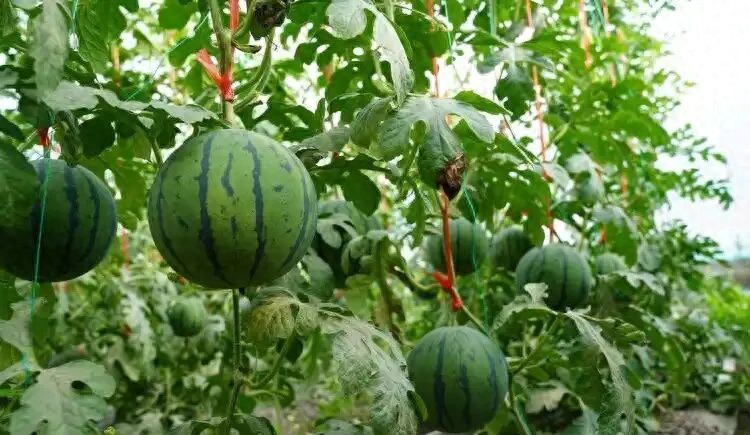
The choice of varieties is the basis for high quality production of watermelons. High-resilient, weak-tolerant, low-temperature, high-situation and high-quality varieties should be given priority, taking into account such characteristics as closed shed environments, inadequate photo shoots and high-temperature temperature. The choice of varieties also needs to be market-oriented, based on local consumption habits to identify the main plant varieties and their matching varieties, with more than 80 per cent of the main plant varieties and about 20 per cent of the specialty varieties proposed to increase the efficiency of the cultivation. Seeds should be selected with a purity of not less than 98 per cent and a growth rate of not less than 90 per cent in the current year, laying the foundation for the cultivation of seedlings。
Ii. Optimization of nursery technology
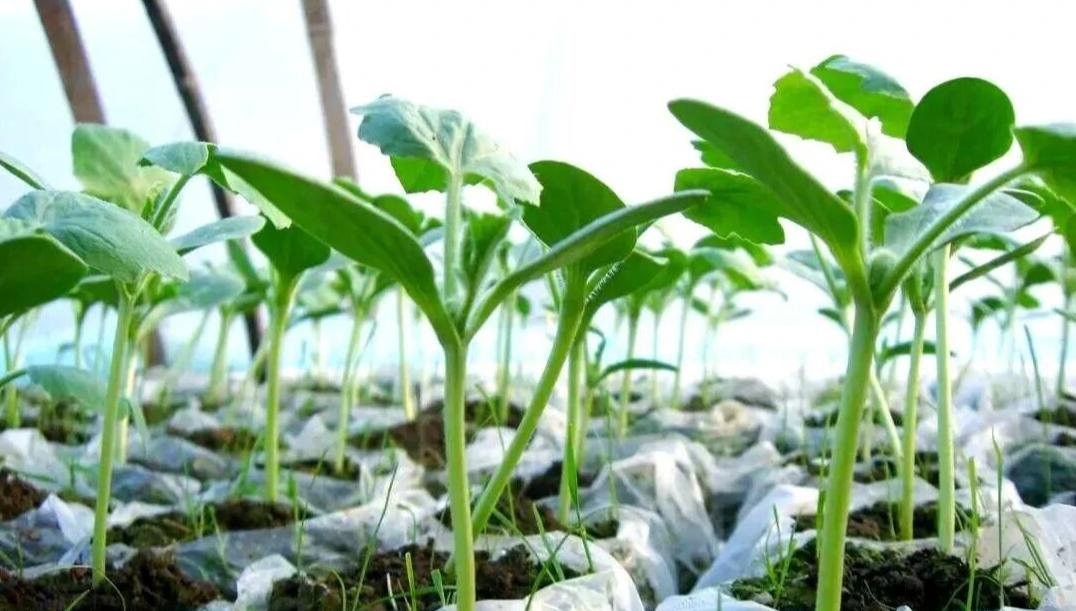
The quality of seedlings is directly related to the resilience and later growth of seedlings, with the core being the optimization of the base mass ratio, seed treatment and nursery management. The matrix can be formulated at a ratio of 3⁄2⁄1 per cubic metre with 2kg ammonium phosphate and 5kg per cent manure of corroded casserole. Using solar high-temperature disinfection, the matrix is distributed into 10 to 15 cm thick, and the diaphragm is tanned for 5 to 7 days to kill pathogens and eggs. Seeds need to be immersed in warm soup and sprouts: they need to be immersed to 30°c with 55°c warm water, immersed with 6-8h, rinsed with wet cloths after drying, sprung at 28-30°c, washed on a daily basis, so as to be able to sow nutrients at 80% or more, with 1 inch, covering 1 to 1. 5 cm fine base and permeating bottom water。
Iii. Complete and equipment
Watermelon cultivation should focus on soil improvement in order to prevent connectivity. Upon harvest, former crops were cleared of residues, with 30 to 40 cm of deep-tilled soil and 4,000 to 5,000 kg of corroded organic fat and 50 to 60 kg of lime. Lime helps to regulate soil alkalinity and inhibit the reproduction of pathogens. Deep tillage is followed by membrane cover, with closed huts for 15 to 20 days to disinfect high-temperature stupor wards in order to combat endemic pests and diseases. The soil is soared that it is 1/2 to 1. 5 m wide, 20 to 30 cm high and 40 to 50 cm apart, so that it can be drained and farmed. The fertilizer is applied in layers: 30 kg of ammonium phosphate, 20 kg of potassium sulphate and 100 kg of cortisol per acre in a ditch, 15-20 cm deep in a ditch, and 100 kg of fertilizers are applied to the ground, avoiding direct contact between the fertilizer and the seed system and preventing the burning of roots。
Iv. Field management optimization
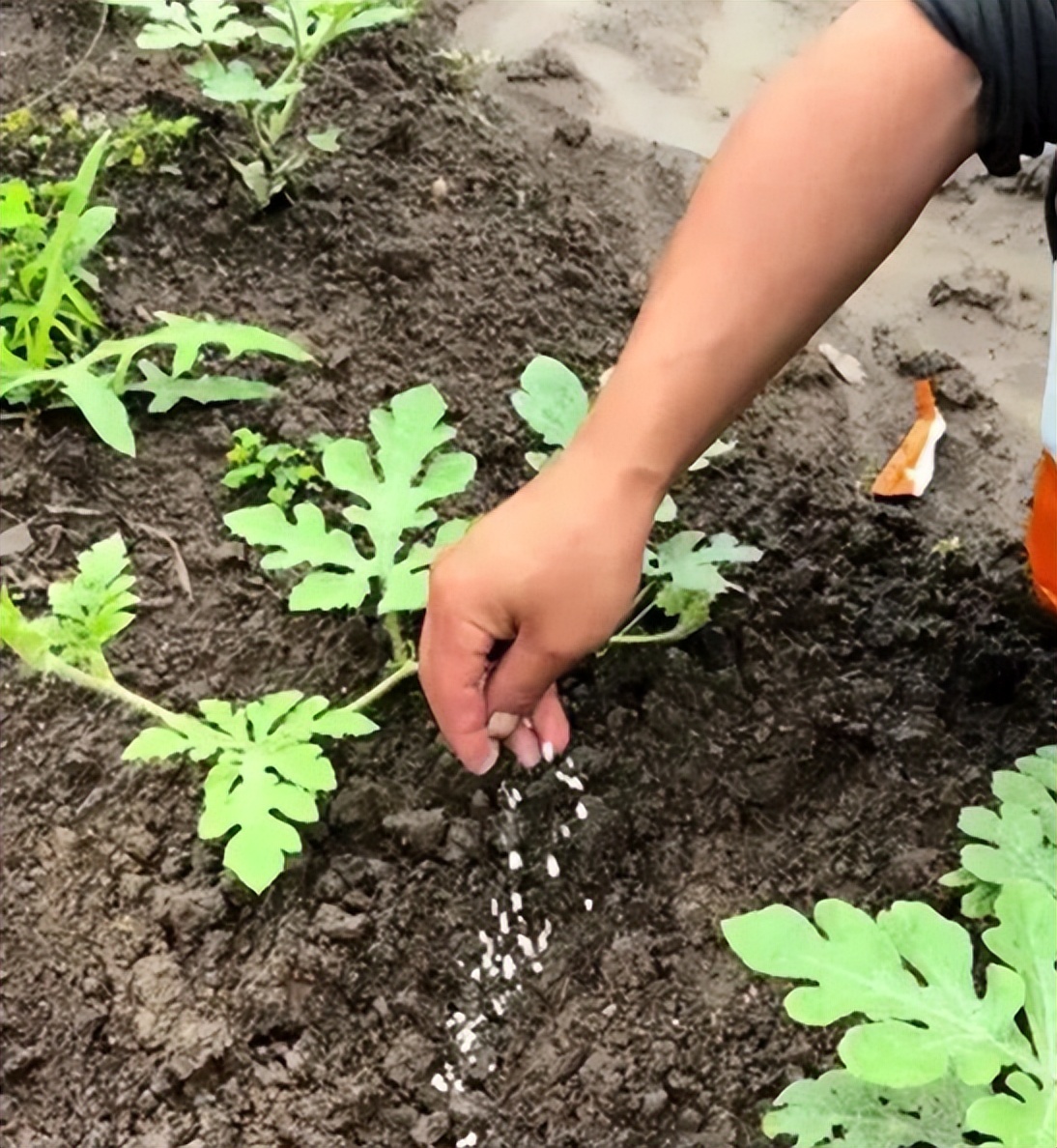
Fertilizer management: application of drip irrigation techniques, followed by urea 5-10 kg per acre for seeding; 15 kg per ammonium phosphate and 10 kg per potassium sulphate for cyanide; promotion of condensation and cleavage separation; 7 to 10 days after fruit; 20 kg per day for potassium sulphate; 10 kg per ammonium phosphate for oxidation to prevent fisssure. Water fertilization is stopped 10 to 15 days before maturity, soil is kept moist and dry and wet is avoided。
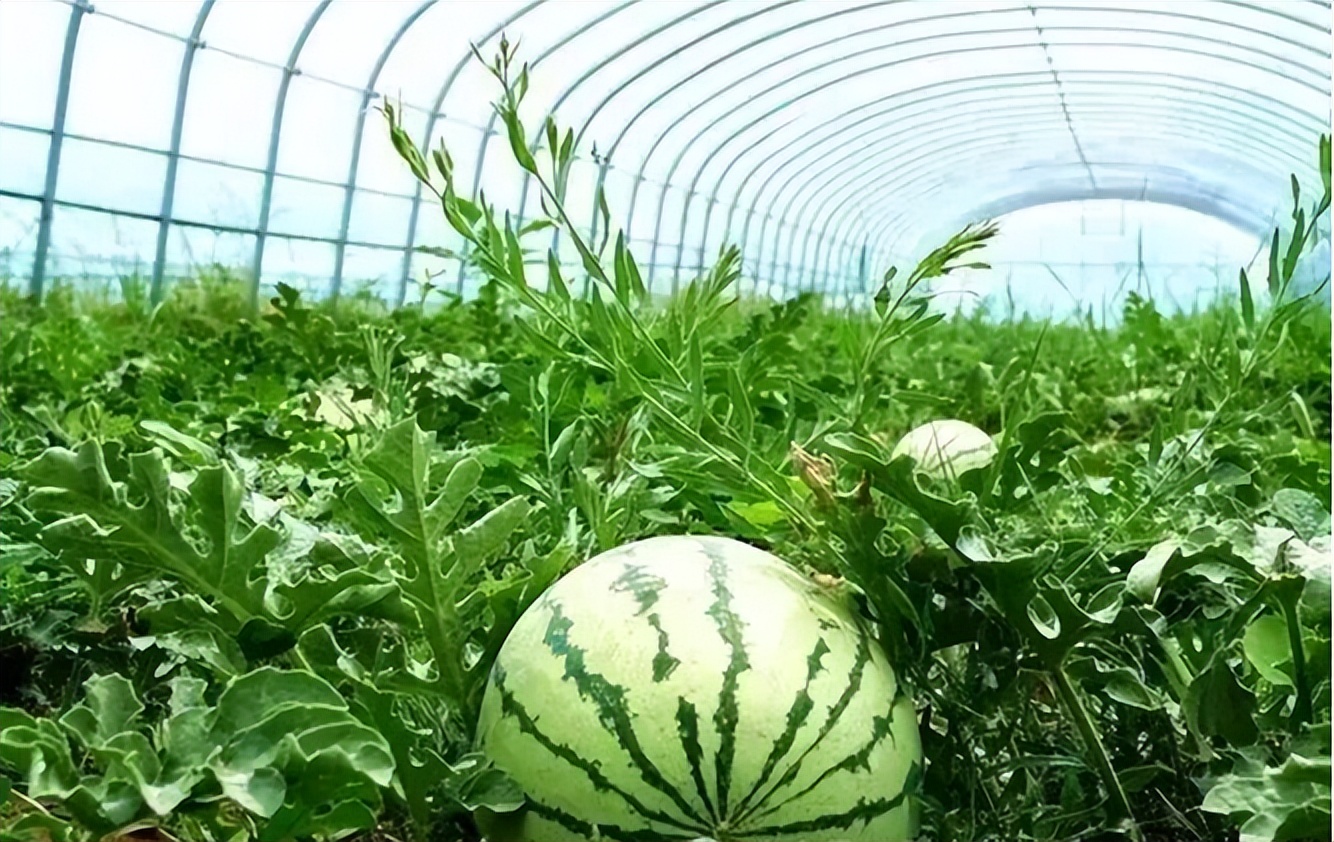
The whole branch: when the main chicken grows to five to six real leaves, the main chicken and two strong chickens are kept and the rest removed. It is appropriate to operate in the morning to reduce the infection. The vines grow up to 30 cm or more, so that they are evenly distributed, and when the fruit is taken from them, the leaves of the sick and old are removed in a timely manner and the nutrients are provided centrally。
V. Green pest control optimization
The integrated application of agricultural, physical and biological control techniques to reduce the use of chemical pesticides is based on the principle of “preventive-based integrated treatment”. Agricultural control includes rational rotation, soil disinfection, selection of disease-resistant varieties and strengthening of field management to increase resistance to plant cultivation and reduce the disease occurrence base. Physical control can use yellowboard baiting for aphids, white lice, 20-30 pieces per acre, at the same height as the top of the plant, with periodic replacements; the use of frequency-fibration lamps to trap pests such as moths and beetles, with 1 set per acre and open at night。