


What factors do you need to consider before you start investing in a 100-acre ecological orchard project at home
(market demand, factor security, variety and size, technical difficulty, cost benefits, policy risks, etc.)
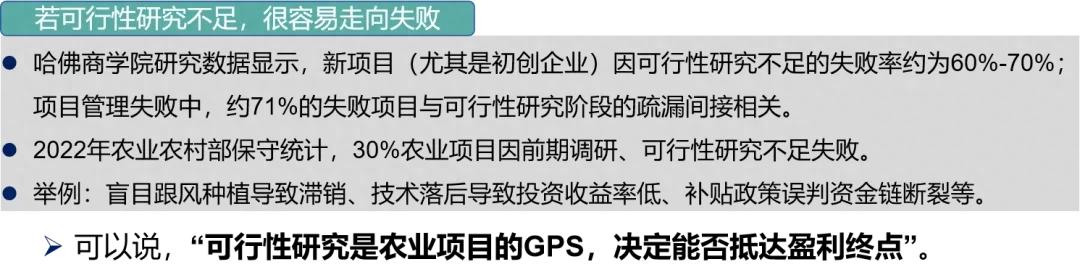
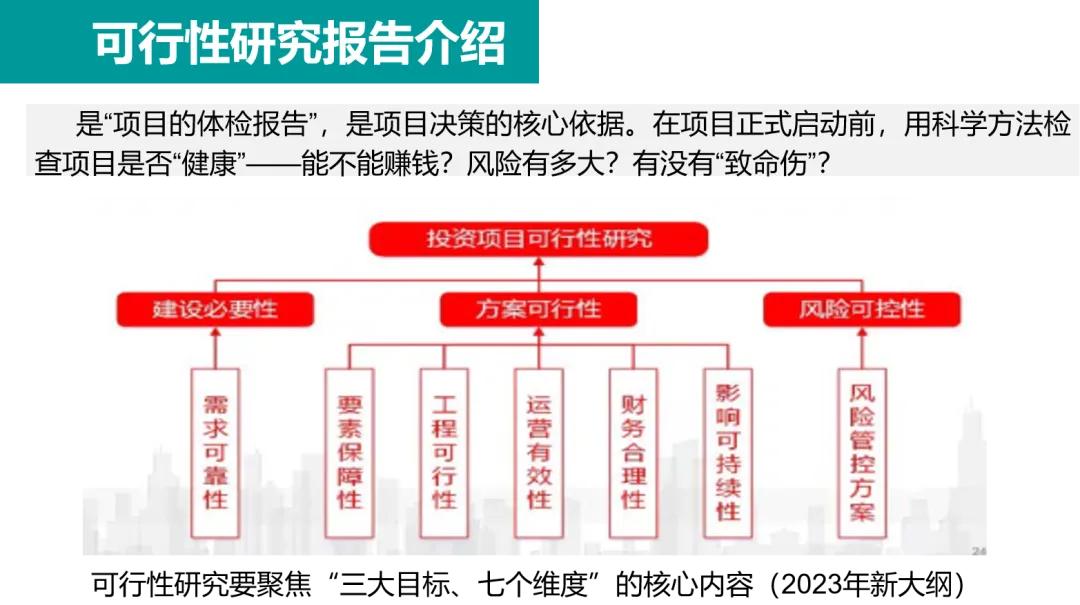
All these factors need to be presented in a systematic document - the (agriculture) projectFeasibility studyReport. (considering reliability of demand, programme feasibility, risk control)
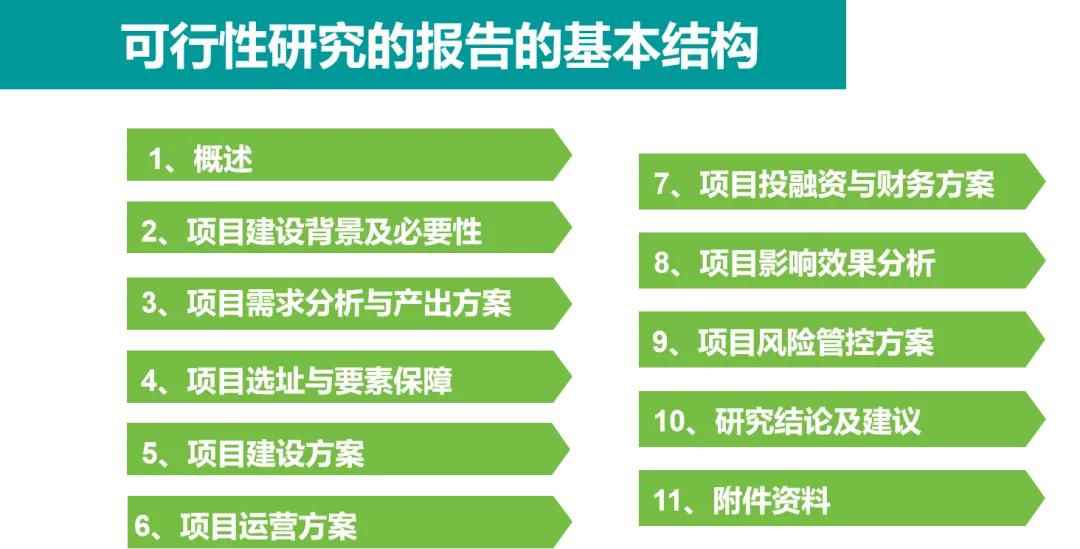
The following is the framework for a feasibility study for a 100-acre ecological orchard project:
Chapter i general remarks
1. 1 project overview
Project name: a demonstration project for the integration of 100 acres of ecological orchards and agricultural brigades
Nature of project: new
Submitted by: xx eco-agricultural science and technology ltd
Construction site: xx town, xx county, xx province (geographical coordinates: x° east, x° north)
Size and content of construction:
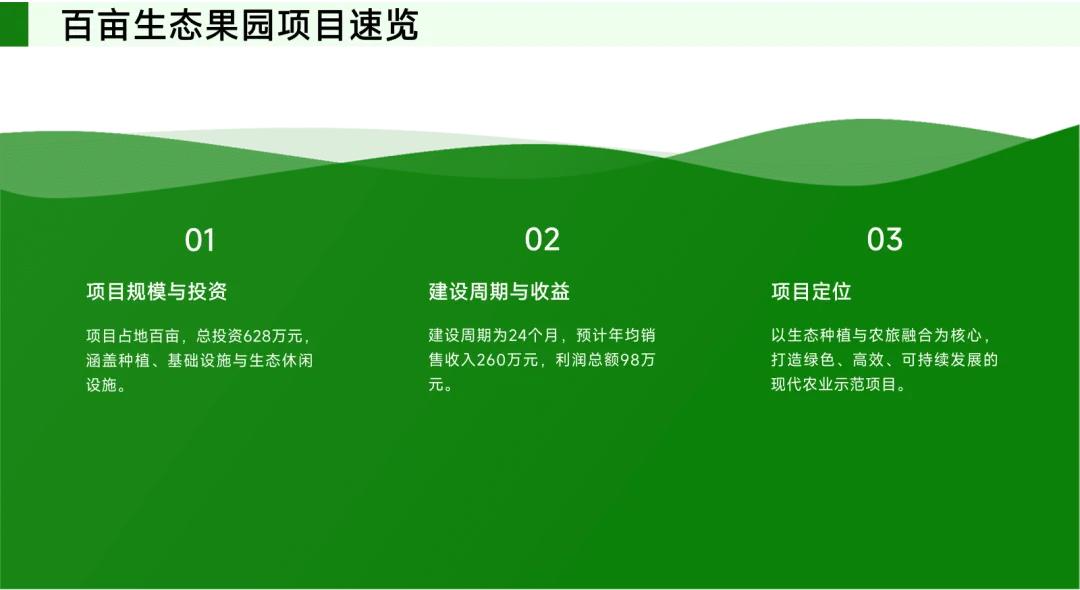
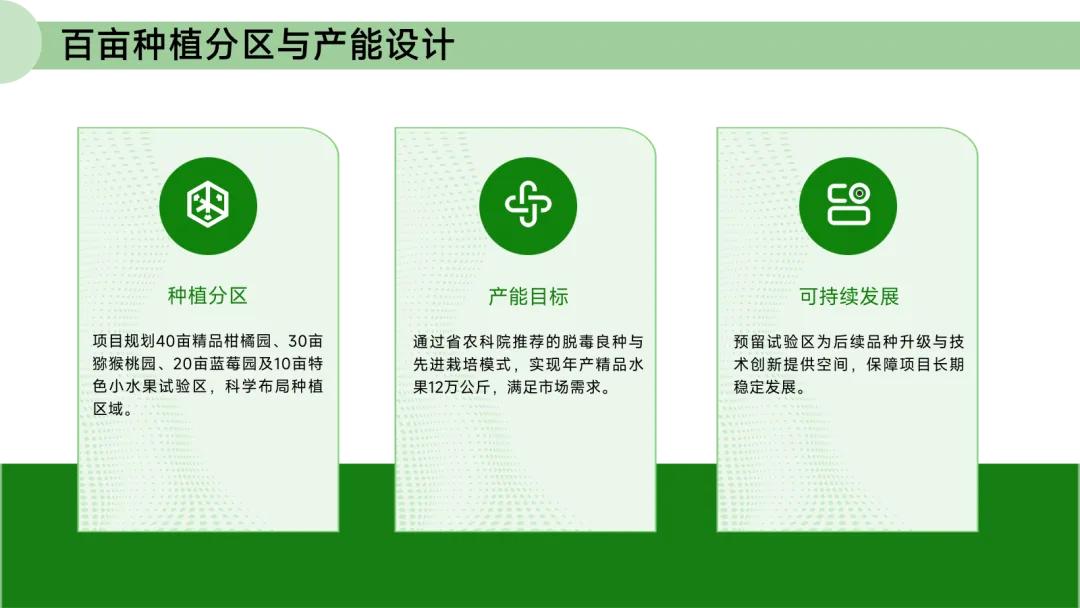
Plantation area: 100 acres total. Of these: 40 acres of fine citrus, 30 acres of cherries, 20 acres of blueberries and 10 acres of specialty fruit (e. G. Soft dates, walnuts)。
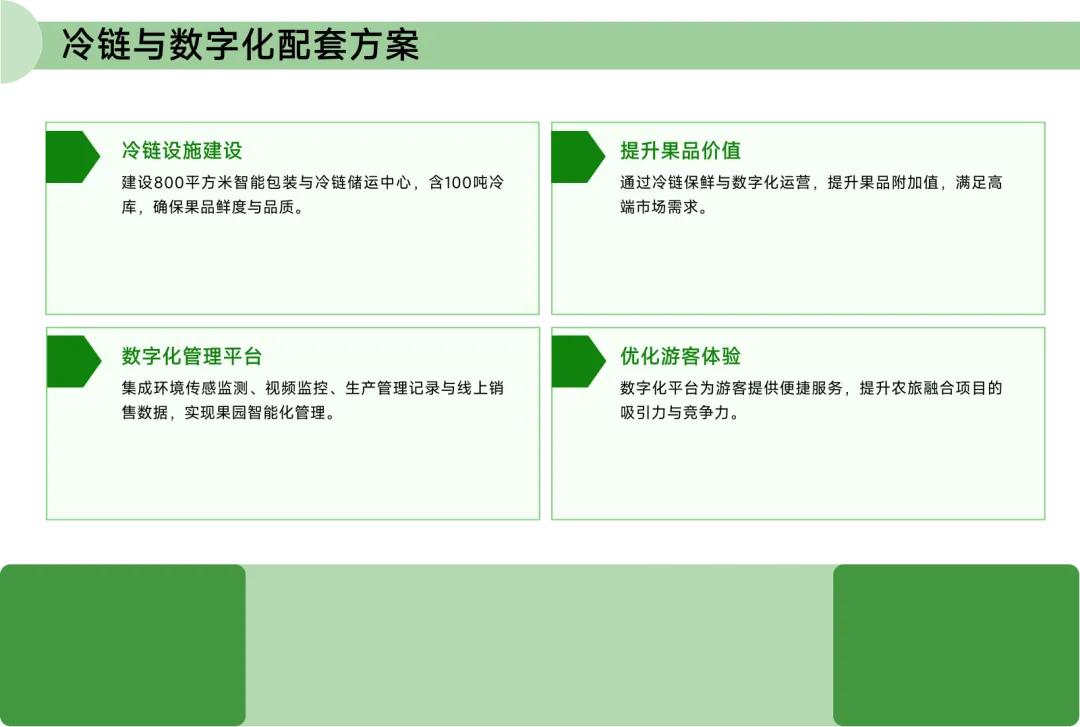
Infrastructure: two new 200 cubic metres of reservoirs with an integrated all-horizon-wide intelligent water fertilizer drip irrigation system; 800 square metres of smart packaging and cold chain shipping centres; 500 square metres of ecological management and tourist service centres。
Ecology and leisure facilities: construction of 2 km of eco-sightwalks, 5 recreational sighting platforms and associated facilities。
Total project investment: rmb 6. 28 million。
Funding: enterprises raised $3. 78 million (60 per cent), applied for bank loans of $2 million (32 per cent) and obtained $500,000 (8 per cent) from provincial subsidies for modern agricultural estates。
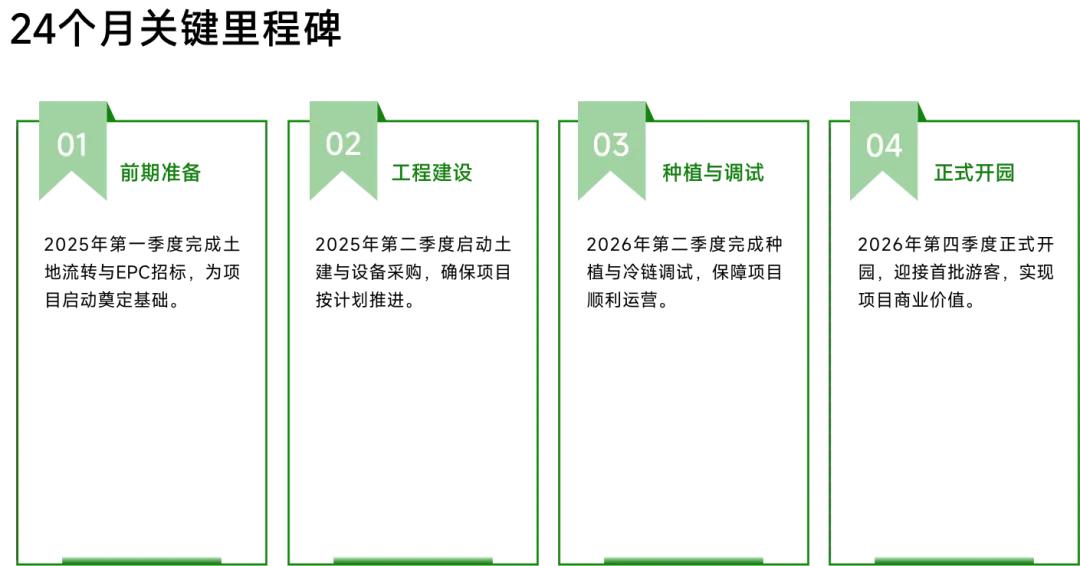
Construction cycle: 24 months (january 2025 - december 2026)。
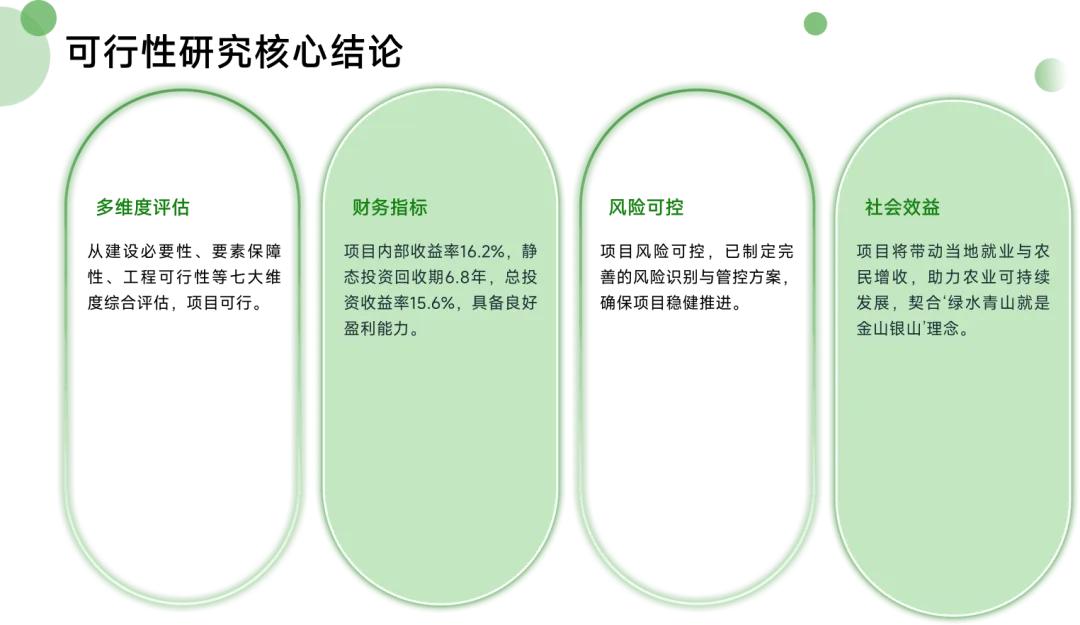
The main technical economic indicators: after the birth, the average annual sales revenue is about 2. 6 million yuan, the average annual profit is about 980,000 yuan, the internal financial return on project investments (firr) is 16. 2 per cent, and the static investment recovery period (including the construction period) is 6. 8 years。
1. 2 project unit overview
Xx eco-agricultural science and technology ltd. Was established in 2020 with a registered capital of $10 million. The company focuses on the research and development and dissemination of modern eco-agriculture technologies, has a core team of five graduates of agricultural colleges and institutes, and has established a stable productive research and development partnership with the agricultural college of xx。
1. 3 basis of preparation
"the central state council of the communist republic of china for a comprehensive advance in 2023Rural revitalizationOf priority work
“145” modern agricultural development plan, xx province
Preparation of a generic outline for the feasibility study of government investment projects (2023 edition)
Green food sign management scheme
Other basic information provided by the project unit。
1. 4 the main findings and recommendations are that the project is well-established, policy-compatible, market demand is clear, technical programmes are advanced, organizational management measures are effective, economic benefits are good, social and ecological benefits are significant, risks are manageable and projects are viable。
Recommendation: recommend that relevant departments approve the establishment of items. In implementing the project, emphasis should be placed on the introduction and training of skilled personnel, as well as advance certification of “green food” and brand brand registration。
Chapter ii project construction context and necessity
2. 1 project construction context
Policy drivers: the national rural renewal strategy is being implemented in depth, with clear requirements for greening, quality, distinctive, branding development of agriculture and accompanying fiscal and financial support policies。
Market pull: in the post-epidemic era, consumer demand for healthy, safe and high-quality fruit has increased in an explosive manner, with ecological orchard products matching consumption escalation。
Technology promotion: the maturity of technologies such as smart agriculture, biocontrol and ecological cycles provides reliable technical guarantees for the construction of high-standard ecological orchards。
2. 2 planning policy consistency
The project, which is fully in line with the agricultural space directorate of the national spatial plan of province xx (2021-2035), has been included in the priority project bank of the three-year action plan for agricultural development in county xx. The project uses an eco-planting model, which is highly compatible with key policy objectives, such as "climate carbon peak" and "biodiversity conservation"。
2. 3 project construction necessity
It is an essential measure to guarantee the safety and quality of regional agricultural supplies。
It is the need to promote the restructuring of local agricultural industries and the development of efficient and tourist agriculture。
It is an effective way to consolidate the gains of the fight against poverty and to boost the wealth of farmers through the “corporate + base + farmer” model。
It is a practical practice to implement the concept of green water and green mountain as silver mountain and achieve sustainable agricultural development。
Chapter iii: project needs analysis and output programme
3. 1 needs analysis
Market demand: the annual demand for refined fruit in the 200 km radius of the project site is estimated to be about 5,000 tons, with the share of organic and green products rising from year to year. Online fresh platform sales grew by more than 25 per cent annually。
Social needs: there is a growing demand among urban dwellers for leisure activities, such as field tours, parent pickings and farming experiences。
3. 2 building content and scale
3. 3 project output programme
Main products: up to the post-partum period, 60,000 kg of refined citrus, 45,000 kg of monkeys, 15,000 kg of blueberries, totalling approximately 120,000 kg. All fruit products are to be certified as “green food”。
Service capacity: once the project is operational, an average of 15,000 visits per year are received, providing services such as farming experience and agricultural science。
Chapter iv: location and factor security
4. 1 project location or line selection
The site of the project is located in the village xx of the town of xx. The land ownership of the plot is clear and the concentration of land has been completed, with no ecological red line and permanent basic agricultural land, and the geological hazard risk assessment is low. The site is selected as the best in terms of transport, water security and soil conditions。
4. 2 project construction conditions
Natural conditions: subtropical monsoon climate, with sufficient light, abundant rainfall and long periods of frost, suitable for project fruit tree growth。
Transport conditions: 8 km from high-speed exit and 15 km from county towns, logistics facilities。
Public works: power is available and communications networks are fully covered。
4. 3 element safeguards analysis
Land element security: a 15-year contract for the transfer of 100 acres of land has been signed with village groups, in line with the master plan for land use。
Resource environmental factor security:
Water resources: the project uses approximately 15,000 cubic metres of water per year, and the collection of natural precipitation through self-built reservoirs, accompanied by a small amount of well water, is fully guaranteed。
Energy: the local grid meets demand for about 50,000 kilowatt hours of electricity per year. The installation of a 20kw photovoltaic power system on the management roof is planned to achieve partial energy self-sufficiency。
Chapter v project construction programme
5. 1 technical programmes
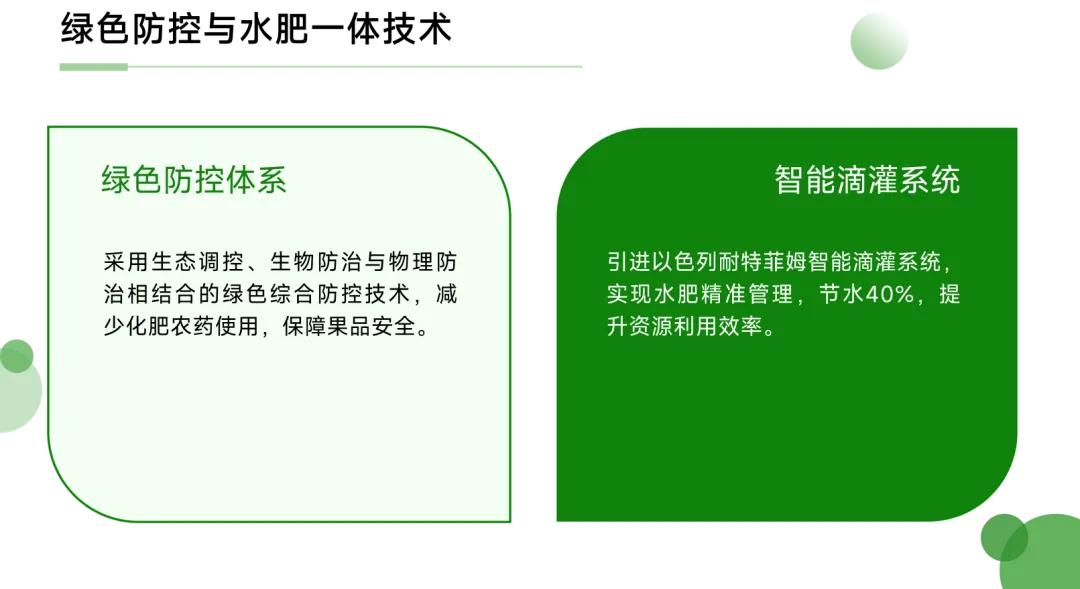
Core technical route: a system of green integrated preventive and control technologies using “ecological regulation + biological control + physical control”. Introduction of israel's netfim smart dripping system to achieve accurate management of water fertility。
Source of technology and state of the art: technology is mainly based on the agricultural institute of the xx province, where the recommended broad-stamping model and grass-breeding technology are at the provincial lead。
5. 2 equipment programme
The main equipment consists of intelligent integrated water fertilizer hosts, first systems, pipeline networks, insecticidal lamps, stickers, small agricultural machinery, etc. The equipment selection is based on advanced, applicable, reliable and economical principles。
5. 3 engineering programme
Architectural design: packaging workshops employ light steel structures, management and visitor centres employ brick-coated structures, and appearance designs are coordinated with the country wind。
Structure design: resist at vii。
5. 4 digitalization programmes
Establishment of an orchard digital management platform that integrates environmental sensor monitoring (soil moisture, weather), video surveillance, production management records, online sales of data, etc., to achieve a “one picture of the orchards”。
5. 5 construction management programme
Organization of implementation: establishment of a project construction command using the “accountability of project legal persons”。
Tender programme: public tendering is used for survey, design, construction, supervision and procurement of critical equipment。
Construction model: introduction of the “design-procurement-construction (epc) master contract” model to control investment and construction schedules。
Chapter vi project operational programme
6. 1 business model selection
The model of “autonomy, partial outsourcing” is used. Core planting, product control and marketing are the responsibility of companies, and complementary operations such as security and cleaning may be considered for outsourcing。
6. 2 operational organization programme
Organization: establishment of the ministry of orchard, the ministry of marketing, the ministry of finance and the ministry of integration. Fifteen regular employees and 30 seasonal casual workers are required after delivery。
Human resources: experts from agricultural colleges are regularly invited to provide technical training to their staff. Establishment of internships in cooperation with local vocational colleges。
6. 3 safety and security programme
(c) development of the safe production responsibility and orchard field operating safety protocol, periodic screening of safety hazards and the purchase of occupational injury insurance for employees。
6. 4 performance management programme
Set key performance indicators (kpis), such as fruit quality fruit rate (90 per cent) and unit area value (20,000 yuan/acre), customer satisfaction rate (95 per cent), production cost control rate, etc., linked to employee performance bonus。
Chapter vii project financing and finance programme
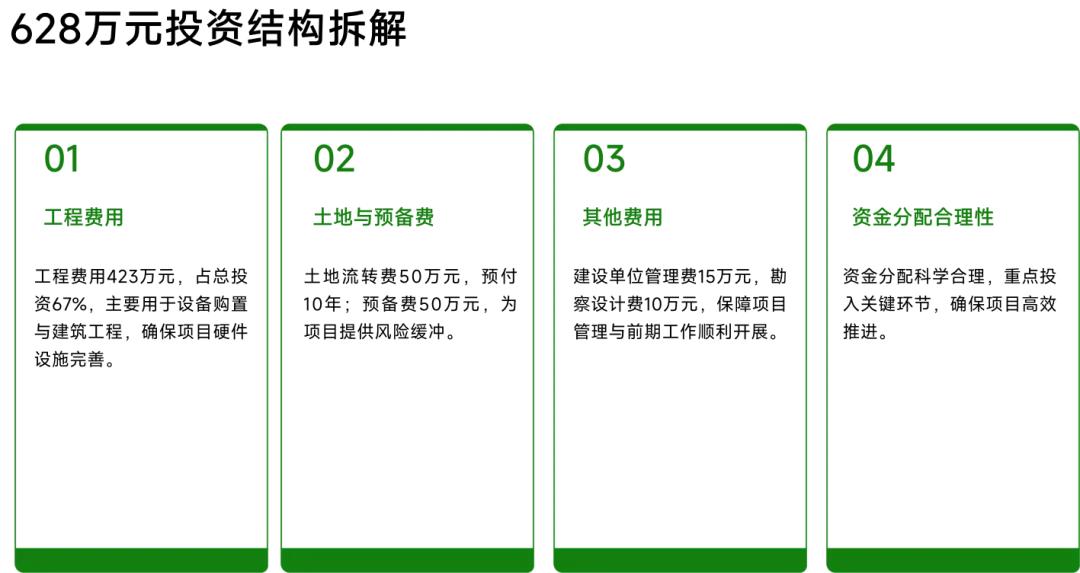
7. 1 investment estimates
(as detailed in the table below, using the breakdown method)
7. 2 profitability analysis
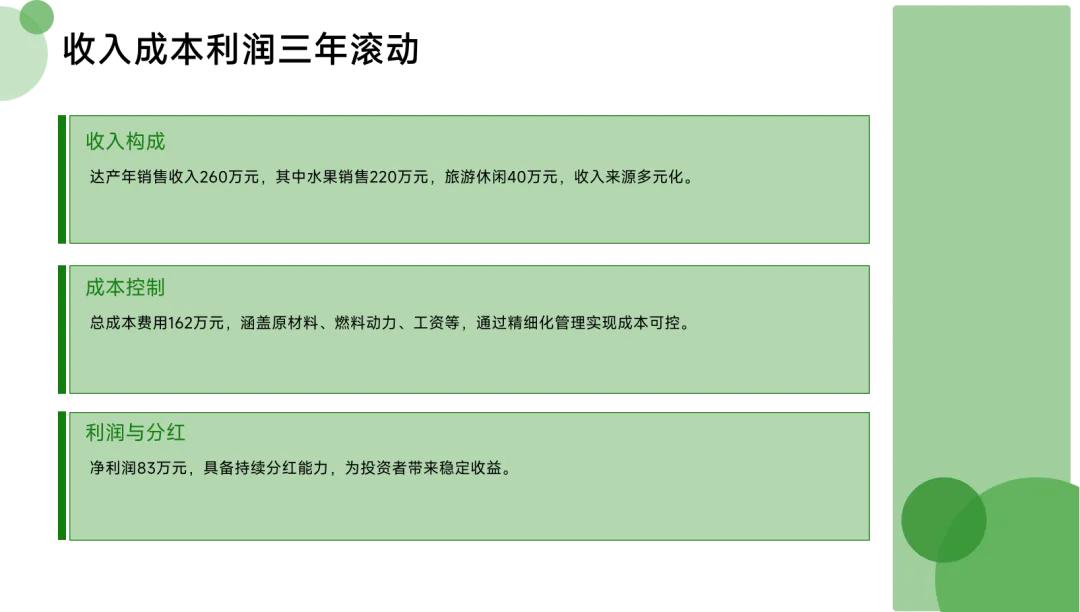
Income from operations: 2. 2 million yuan for fruit sales and 400,000 yuan for tourism and leisure, totalling 2. 6 million yuan。
Total cost: out-of-pocket acquisition of raw materials, fuel power, wages, maintenance costs, administration etc. For the year of birth totalled approximately 1. 62 million yuan。
Profession: total annual profits of about 980,000 yuan and net profits of about 830,000 yuan after income tax (estimated at three-third-and-a-half terms)。
Financial indicators:
Financial internal rate of return on project investments (firr) (after tax): 16. 2 per cent
Net present value of project investments (fnpv) (ic = 10 per cent): $2. 85 million
Static investment recovery period (including construction period): 6. 8 years
Total investment return (ri): 15. 6 per cent
7. 3 financing options
Capital: $3. 78 million, or 60 per cent of total investment。
Debt financing: $2 million in bank loans with a duration of eight years (including a two-year grace period), with an estimated annual interest rate of 5 per cent。
Government subsidy: $500,000 as project capital。
7. 4 financial sustainability analysis
The preparation of the statement of cash flows for the financial plan shows that the accumulated surplus funds over the years of the project's operational life are positive, have good financial sustainability and can be maintained without short-term financing。
Chapter viii project impact analysis
8. 1 economic impact analysis
The impact of the project's incremental investment was evident, with an average annual tax contribution of approximately 150,000 yuan。
Through technical demonstrations and the acquisition of part of the agricultural produce of local farmers, indirect boosts of more than $5,000 per annum have been made to nearby farmers。
8. 2 social impact analysis
Employment effects: some 50 jobs are created directly and indirectly, giving priority to local farmers。
Skills upgrading: the project will serve as a training base for new local professional farmers and is expected to train 200 people per year。
8. 3 ecological environmental impact analysis
Positive impacts: ecological cultivation patterns have significantly reduced the pollution from agricultural sources and orchards will become regional “carbon sinks” and ecological barriers。
Control of negative impacts: integrated collection and treatment of packaged waste and household waste; introduction of low-toxic, degradable membrane. The project has developed and documented an environmental impact register。
8. 4 analysis of the effects of resource and energy utilization
Through intelligent irrigation, about 40 per cent of the water is more water-efficient than traditional irrigation。
The combined energy consumption per unit product is well below the industry average。
8. 5 carbon metrics and analysis
The project itself is low carbonAgricultural projectsAn average reduction of about 50 tonnes of co2 per year was achieved through photovoltaic applications and reduced use of fertilizer pesticides。
Chapter 9 project risk management programme
9. 1 risk identification and evaluation
Using an expert survey method, the main risks identified for this project are:
Market risk (high risk): price volatility, homogenous competition。
Natural risk (medium and high risk): extreme weather, pests and diseases。
Technology risk (medium risk): inadequate knowledge of new varieties and technologies。
Management risk (medium risk): loss of core technical staff。
9. 2 risk management programme
Market risk: implementation of branding strategies, development of membership and order farming; in-depth cooperation with electric power platforms; development of deep processed products such as fruit drying and juice, extending the industrial chain。
Natural risk: purchase of policy agricultural and commercial insurance (e. G. Index insurance); construction of wind forest; installation of mobile frostproof equipment。
Technical risks: long-term technical hosting service agreements with the agricultural institute; establishment of strict production practices (sp)。
Risk management: develop equity incentives for core personnel; establish a sound business culture。
9. 3 risk contingency
Develop specific contingency plans for major pests and pests, floods, etc., define emergency start-up procedures, division of labour and disposal measures, and reserve necessary emergency supplies。
Chapter x study conclusions and recommendations
10. 1 main research findings
The project's feasibility study concluded as “feasible” based on a seven-dimensional synthesis of construction necessity, elemental security, engineering feasibility, operational effectiveness, financial reasonableness, impact sustainability, risk control。
10. 2 issues and recommendations
Problem: the project relies on high-end agricultural technologies and managerial talent, which is currently scarce。
Recommendations:
(b) recommend that project units immediately initiate recruitment plans and develop attractive recruitment policies。
Brand pre-heat: content marketing through social media during the project's construction period, with early development of market visibility and client groups。
Policy follow-up: it is recommended that project units assign individuals to continuously track and apply for relevant subsidies and honour qualifications at all levels of government to maximize the use of policy dividends。









