


Well, i'm just a market man who brings you up to date every day
Every summer to autumn, most parts of the country enter a period of snake activity, with frequent snake intrusions into rural compounds, the first floor of the outskirts of the city, mountain gardens, warehouses and miscellaneous items. The first reaction of many people to snakes is panic and can only be driven by a web-based bias, such as the yellow and styrofoams, which, according to a number of personal experiments, is highly unstable, with rain, wind and even toxic snakes passing directly through the male yellow powder。
In order to prevent snakes in the long term and safely, it is important to find out what snakes are truly afraid of at the biological, natural and chemical levels, not only by ad hoc snout. The paper is divided into four blocks: three home-grown plants that have been experimentally tested and naturally restrained; three natural predators that have evolved for millions of years and are born to hunt snakes; one that is easily accessible to ordinary families and that becomes incapable of action or even dead if the snake is contaminated for short periods of time; and, finally, a complete home-inhabiting programme, pit avoidance, first aid for snake bites, all of which combines forestry science, biological journal experimental data, and 30 years of practical exercise experience for grass-roots snake hunters, without exaggerating or making, all methods are available to ordinary people, taking into account the daily needs of urban and rural residents。
One, three species of natural cobra, several plants on the balcony, snakes walking around
The snake senses that the outside world does not rely on normal nasal smell, collects air-temperature molecules with tongues and sends entrance cavity ploughers to analyse the environment. The ploughers are extremely sensitive to sulphides, highly irritant volatile oils, which, when exposed to high concentrations, can cause sensory pains, disorder in direction and could have been removed from the area. The following three plants are supported by data from a regular periodical snake-exposure experiment, which distinguishes them from the spread of unsupported mints, vasectomy and stable evasive effects that can be cultivated in both the north and the south。
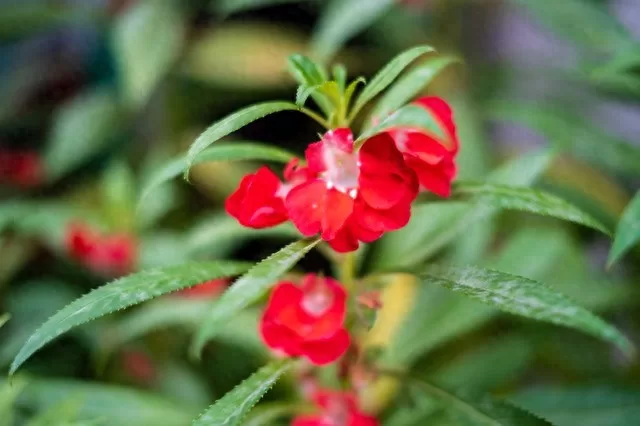
First: phoenix, root with sulfide juice, with a rate of over 87%
Phoenix is the country's most widely dispersed snake-exposed plant with the lowest threshold of cultivation. Rural households have seen it. In the past, girls used to dye their fingernails with petals, and many did not know it was the head of snakes。
In 2019, the chinese journal of biological prevention and control published a comparative experiment in which researchers selected three viper snakes with high hairs in the south, namely, short tails, bamboo leaf and grafts, divided into two test areas for the planting of phoenix flowers and blanks, recording snake-like activity tracks for 72 hours, with the final data showing a rate of 87. 2 per cent for snakes in phoenix-growing areas。
Its core anti-ventilating principle lies in its roots, branches and branches. In dense milk and white juice, which contains natural sulphides similar to sulfur composition, the exposure of snake ploughers to trace sulfide scents creates a strong sense of discomfort. The whole plant continues to slowly release the scent from root to leaf, and does not volatilize for hours, like wind oil and garlic, for six to september, covering the most active period of the year。
Clean cultivation methods
1. The roots of the courtyard wall, the sides of the gate, the surroundings of the chicken house and the digging of shallow trenches along the wall, sowing the seeds of phoenix flowers every 30 centimetres, which, in that year, will grow into a thick bouquet of flowers and form a natural separation belt
2. Urban balcony households, planted with large bouquets, with windows on the balcony, into the windowsills, each with a basin of miscellaneous items in the corner of the balcony
3. Reinforce the technique of low-effect anti-ventilation: regularly break a small number of branches, so that the juice can seep out and increase the peri-sulphide odour concentration; when the fall-and-wine plant dies, do not clean the roots, and in the coming year the roots will sprout themselves and release the odour continuously。
It adds that the phoenix is completely harmless to the human body, that children and pets can grow in the family, that only care is taken not to eat the root, and that there is no risk of daily exposure。
Second: looking at gangnam, popularly known as the snakes' doors, the fragrance of the fragrance lasts six months
To look at gangnam, popular unity is called snake-exposure, whose name is intuitive, one-year grass-roots in the soybeans, the mountains and gardens of the south are wild, the survival rate of artificial cultivation is close to 100 per cent, heat-resilient and infertile, and the northern basin is able to survive during winter。
It has a different logic than the snake-exposed phoenix, which relies on root sulfur and on flowering to release special complex aroma. Each year, flowers bloom in june and last until november, for a five-month period, when flowers are blooming with fresh herbs and fragrance, and humans smell well, but snake ploughers are unable to withstand the smell and, in the experiment, there are virtually no snake tracks as long as they look at gangnam in the vicinity of a plant。
The rural snake-hunting teacher shared his experience: deep-mountain bee-keeping and orchard farmers grow a swarm around the beehives and fruit trees to look at gangnam, both to prevent snakes from approaching poultry and fruit trees, and to treat mature seeds with practical value。
Details of cultivation and use
1. Large-scale protection: vegetable fields, orchards spread along the border, with a distance of 50 cm, forming a odour barrier throughout the area after flowering
2. Small household-type protection: placing a potting plant in front of the door, in the basement vents, spreading through the vents when flowers bloom, preventing snakes from drilling into the room from the cracks
3. Alternative programmes: pick fresh flowers and branches, cut them up and spread them in the corner of the wall and in the entrance to the sewers, and in the short term, enhance the effect of the snake-exposure, with fresh leaves to be replenished by rain。
There are rumours that snakes are toxic, that the whole plant is not very toxic, that normal cultivation is safe to touch, that large amounts of internal clothing with seeds cause gastrointestinal discomfort and that there is no safety hazard if they are not consumed。
Third: a flower with seven leaves, a viper's home, and a mountain house with the first choice of snake-exorcising grass
One flower in the seven leaves is traditional herbal medicine, growing in the cold, wet mountain forest, while the humid and humid areas are precisely the favorite habitat for snakes. In the evolution of nature, one plant in the seven leaves carries its own special bioalkali smell, and in the wild environment the snakes will actively avoid a seven-leaf bush that grows in pieces。
Compared to the first two flowers, it is more suitable for households living at the foot of the hill, behind the house in the woods, on the first floor in a wet yard. Snakes prefer cold, weedy, wet hideouts, while seven leaves, a flower, are planted on both sides of the back wall of the house and in the back drains of the house, precisely targeting the high frequency of snakes。
In the forestry sector, field research has documented the planting of seven leaves and a flower in the front house of a mountain village, and the frequency of perspirators falling by more than 70 per cent, not only to drive snakes, but also to drive away toxic insects such as thorium and foot worms。
Adaptive populations and conservation elements
1. Suitable to the population: the first floor on the outskirts of the city, the construction of self-built houses in the mountains, the constant wetness of the courtyard and the thickness of the grass behind it
2. Conservation: coolness, no tan, wetness of the soil around the drains, just in line with growth needs, green seasons and continuous year-round oscillation
3. Additional value: plantation of roots is a common medium medicine that can be harvested when it matures and a snake-exposure can generate a small gain。
Vegetable snakesCore supplementary notes
The three plants do not have the effect of “a single species of snakes without intrusion”, they rely on the odor to form a protective circle, have a limited coverage of a single odour, and in order to stabilize the snakes, they must be formed, planted around the outer perimeter of the house, accompanied by the cleaning of the yard weeds, piles of rock, and rat holes (in which snakes enter mainly to feed rats) to maximize their effectiveness. There will still be snakes entering, relying solely on plants, without cleaning up snake food and hiding places。
Two or three species of natural snakes. They'll only escape if they meet
Snakes are not the apex in the food chain, three animals have evolved over a million years, their physiological structure and hunting techniques have completely contained the snakes, and the venom of the snakes, the entanglement techniques, have almost no effect on them. In the wild, as long as the snakes sense the scent of these three types of predators, their movement, they will immediately hide and flee and are the core of the rural elders' reliance on biological snakes。
First: snake rain, born snake catcher, immune to most snakes
The shape of the snake storm is similar to that of the small weasel, which is widely distributed among the country's southern provinces in the mountains and fields, and is the “professional hunter” that nature has evolved in response to snakes. The hunting of snakes is not simply a food hunt, and some of them are active in hunting, even if they do not eat。
Physical restraint has two advantages:
1. Antitoxics: special variations in the internal neuroreceptor, failure of cobras, bamboo leaf and thorium neurotoxin to bind to the internal receptor, minor bites only for short periods of time, recovery and no risk of death from poisoning
2. Extreme flexibility: the speed of reaction is three times the speed of the snake's attack, the hunting takes place at the right and the right, and the snake is induced to strike repeatedly and repeatedly, deplete its physical strength, and waits for the snake's physical strength to overstretch, with precision, to bite the snake seven inches and to bite off the spine's direct uniform。
Field observations found that the number of local snake populations would decline rapidly as long as there was a single area of activity, and that snakes would move voluntarily to avoid the extent of activity。
Common habitat references: cities are unable to feed snakes, but if they live in rural areas and do not deliberately drive out wild snakes, they will proactively clean up their homes, fields and snakes, which are useful wildlife。
Second: snake eagle, air ambusher, fully equipped to protect against snake torn. Bite
The snake sculptor belongs to a medium-sized raptor, distributed throughout the country in mountain forests and plains. The staple foods are all kinds of non-venom-free snakes and snakes that look down at the ground from above, and are capable of pinpointing the tracks of snakes dozens of metres away, thus leaving no room for escape in the form of dive-hunting。
All the defence of snakes is ineffective against snakes: they are covered in thick feathers, their legs are grown with hard horns and their teeth are unable to penetrate the skin to inject venom; they are locked in sharp claws, and they bite the snake's head directly with a hook-like sharp mouth, which can be severed from the air。
The snake's sense of motion is extremely poor, and it is very difficult for ground snakes to find snake sculptures circled over their heads. Once locked, there is little chance of escape, the wild snakes hear the bird wings wind and go into the mud and the rocks to hide。
The urban population is guided by the idea that the courtyards can be built to attract eagles and snakes to stay and indirectly deter snakes; and that, without cutting up the large wood around the house, the tall trees will become a bird landing point and natural repression of snakes。
Number three: beeheads, lax skins, entanglements, hard-core poison hunting snakes
As usual, hiranha is known as pancho, spread over the south-west and south-west mountain forests of our country, with an undaunted character, and with no matter how large a snake, he is the most feared natural enemy of terrestrial mammals。
Two characteristics of birth control:
1. Coarse skin: separate skin and muscle, and if a snake is entangled around the body, the beads are free to reverse their bodies under the skin, turn their heads against the snake, and the python's conching skills are completely ineffective; thick skins block the torn tooth piercing and minor bites make it difficult to cause substantial harm
2. Strong resistance to poisons: highly resistant to viper toxins such as cobras and golden cyclic snakes, who are in a coma after being bitten by a highly viper for two or three hours, can awaken themselves and continue feeding snakes。
Infrared field monitoring data show that when the beads appear near a snake cave, the heart rate in the hole rises by three times instantaneously, with persistent genre stress hormones, fearing to go out for food and long-term flight from its area of activity。
Supplementary note: aphids belong to wildlife protected animals and are prohibited from being caught and raised in private. They are simply natural enemies of science, and ordinary people cannot rely on them to protect themselves from snakes。
Bio-enemy snakes summary
Ordinary households are unable to raise the above three types of wildlife, but can use natural enemy habits to assist in protection: keeping the compound open and open to allow birds to observe the ground; not killing wild snakes and skunks at will; reducing the dead corners of the wall, closing underground pipelines, not giving snakes the space to hide, cutting them off from the enemy and naturally reducing the presence of snakes。
Iii. Once the object is contaminated with snakes, it becomes incapable of action for a short period of time and is immediately killed. Life
The central function of the pre-existing plant, the natural enemy, is to drive the deterrent and not to kill the snake directly, while the substance below, which is readily available to ordinary people, quickly destroys the skin protection layer following contact with the skin plaster and mucous membranes, causes neurotic paralysis through penetration, short-term loss of reptile capacity and, in serious cases, direct death, with high safety, does not endanger people and domestic cats and dogs like pesticides and sulphur。
Pioneer oil (smoking enriched nicotine extraction)
The old smokers who smoke in rural areas, with long-term accumulations of black sticky ointments from bamboo and wooden poles, are piped oils with high concentrations of nicotine as a core active ingredient, and are also deadly snakes。
Principles of operation
There is no skin angular protection layer for mammals on the surface of the snake, with a very high permeability of the scab, mouth mucous membrane, and a rapid penetration of the blood cycle through the scab after nicotine contact with the snake body. Nicotine can interrupt the transmission of snake-like neuroses, with muscle rigidity within minutes, inability to climb, high concentrations of exposure, half an hour of internal lung neurosis and direct loss of vital signs。
Relative male yellow, sulfur: the male yellow is only slightly irritating the snake's smell and the snake can be forced through it; the pipe oil is a contact toxin, with immediate lethal effects if the snake's body is punctuated, and there is no “disregard of the smell of forced entry”。
Safety and compliance (focus, prohibition of random spilling)
1. For use only in covert angles where snakes are frequented: basement cracks, wall holes, waste miscellaneous piles, small amounts of smoke rod oil, and no extensive open spraying
2. Dilution of the weak version of the anti-ventilator: without pipe oil, with a full package of cheap tobacco, boiled with water, washed along walls and sewers, low concentration of tobacco water does not kill snakes, but the smell + micronicoding is powerfully removed
3. Control risks: nicotine is irritating to cats and dogs and children, the dots must be a gap that cannot be touched by humans and pets, and the open areas of the courtyard do not recommend the use of pure pipe oil but only tobacco water。
Quite a rumour
Many mistakenly believe that male yellow and lime can kill snakes, and here, in combination with multi-field firework field experiments, clearly conclude that dry male yellow powder only smells of stingy noses and snakes can crawl directly; that lime alone produces high temperatures and short burns of snakes, that dry lime does not work, and that both items can only be temporarily slightly driven to the point of “contaminated death” and do not accumulate blindly。
Iv. Transmutation of false identification to avoid ineffectiveness and danger the pit
In combination with forestry science and fire-fighting experiments, the daily common means of snake-proofing are organized into three distinct categories to avoid wasteful efforts and even safety risks。
Not valid, not recommended
1. Ultrasonic viper: snakes continue to travel frequently, relying on ground vibrations, chemical aromatic sensing environments, which cannot be identified by snakes and are physically measured by farmers in multiple fields for months
2. Mints, larvae: the fragrance is volatile at a very high rate, the wind-free environment disappears half a day, the rain is completely out of effect, and the unauthorised experiment has proved stable
3. Skullballs, freckles: short-term osteoporosis of the nose, defusing of the ventilation environment for a few hours, condensation of the osteoporosis, long-term volatilisation that endangers human respiratory tracts and the use of babies and young children in the home is strictly prohibited。
Temporary effectiveness, auxiliary only, no long-term protection
1. Garlic, white vinegar, ammonia: short-term resistance to snakes by strong nose scents, rapid dilution of rain, breezes, need for daily repeated spraying, heavy workload and adaptation to ad hoc emergencies
Male yellow powder: only a slight irritation of smell that cannot be killed, snakes can walk directly through, and the high temperature of arsenic sulfide produces toxic substances and does not approach stoves and open fires
3. Grasswood ash: a slightly irritated snake slab in a dry state, suitable for temporary drying of the yard only when the water is dissolved。
Safety, long-term effectiveness, priority combination (recommended combination in this paper)
The wall surrounds the planting of phoenix + viewing in the south; the planting of seven leaves and a flower in drains and back corners; a small amount of water for diluted tobacco water in hidden holes; and the regular cleaning of in-house rats, gravel piles, weeds, the cutting of snakes for food, sheltering conditions, multiple combinations leading to all-year-old snakes and no snakes。
V. Programme for the prevention of snakes in urban and rural households (urban, rural)
Urban commodity houses (top/first floor)
1. Households on the first floor: balconies, falling windows with phoenix bouquets, sewers, air-conditioning holes with fine metal-proof ratnets (mostly snakes enter the household through piping)
2. Day-to-day maintenance: no piles of paper boxes, no old furniture in the corner of the balcony, regular cleaning of leaves and weeds, cutting off the environment of rats, and the fact that snakes are naturally not close without food
3. Emergency reserve: tobacco-heavy water is always available, snakes are found and sprayed along the walls and quickly removed。
Self-building in rural and peri-urban areas
1. Peripheral isolation: the wall is a continuous planting of phoenix flowers, with a seven-leaf flower in the drains behind the house and a three-layer odour barrier on both sides of the gate
2. Dead end treatment: woodhouses, chicken coils, groceries, with a small amount of paste-painted pyrotechnic oil; and a view of gangnam around the kitchen to prevent snakes from entering the kitchen
3. Environmental rehabilitation: cutting off the surroundings of the house from low and low bushes, keeping the yard open, facilitating raptor patrols and using natural enemies to deter snakes
4. Poultry support: geese are grown in the yard, the micro-organisms in the excrement of geese corrosive scabs, snakes smell the excrement of goose dung is active, and dual protection。
Vi. Standard first aid process for outdoor encounters, bite by viper (practical life-saving knowledge)
The ultimate objective of understanding the vulnerabilities of snakes is to ensure the safety of the person, to carry out daily agricultural work, to walk on the outskirts of the city and to encounter snakes in the courtyard, bearing in mind the correct way of dealing with them and to put an end to the wrong means of first aid that are circulating online。
The right way to meet a snake
1. Maintaining a safe distance of more than two metres, slowly retreating, not stabbing feet, chasing, beating snakes, which are only two-thirds of their own body lengths and do not cause physical injury at long distances
Close the doors immediately, block the area of snake activity, dial the local fire, forest station telephones, and professionals come to the door and catch them, and not by hand
3. Don ' t tease the snakes with sticks, and the snakes will continue to chase and increase the risk of bites。
Viper bite first aid (prohibition of open blood, mouth-to-mouth drug use, tight binding of limbs)
1. To remain calm, to stop moving, to speed up the venom blood cycle through intense exercise and to sit down slowly and move to safe areas
The removal of bracelets, watches and tight clothing from the vicinity of the wound and the swelling of the body would result in oppression and death
3. A softly entangled wound with loose cloths that can fit a finger and do not tighten the blood
4. Cleaning water and mineral water to wash the venom from the surface of the wound, immediately go to the nearest hospital and inject the anti-venom serum, remember the shape of the snake and facilitate rapid matching by doctors。
Don't do that
1. Blood from a knife: unsterilized field knife, highly susceptible to infection and tissue death
2. Absorption of venom from the mouth: minor oral wounds can poison the healer and are totally undesirable
3. Fire, herbs, white wine immersion wounds: high temperature, alcohol accelerates the spread of toxins and exacerbates tissue damage。
Vii. Comprehensive summary
The fear of snakes can be divided into three dimensions: sensory fear of the phoenix flower, the visit to gangnam, and the flowering of three special odours, suitable for long-term protection by ordinary habitat holders; food chain fear of the three natural enemies of snakes, snake eagles and beads; we can use natural patterns to reduce the presence of snakes; and biological fear of high concentrations of nicotine pipe oil, allowing for quick control of snakes by small contact。
Most of the web-based snake-exposure bias has been exaggerated, and it is difficult to isolate snakes completely by a single means. The best option is a combination of plant barriers + environmental clean-up + supporting tobacco repellents that stimulate snake foods, hideouts and sensory incentives to cut them off from their homes. At the same time, knowledge of snake encounters, bites and first aid, without panic or blinding operations, can be effective in protecting snakes and maximizes the safety of family members。
Interactive thematic discussions
What kind of flowers and snakes do you grow in your old yard? Have you ever had a snake break-in? What have you done? The sharing of comments on practical earth solutions in the comment area is welcome, as well as the attention given, and the continuous updating of home-based pest control, field safety and generic products。









