


Chinese medicinePlantationA complete set of technical guidelines for start-up and zero-basic, high-yield cultivation, field management and income-generating services
Overview of the chinese pharmaceutical industry
Chart showing market trends in chinese pharmacist industry
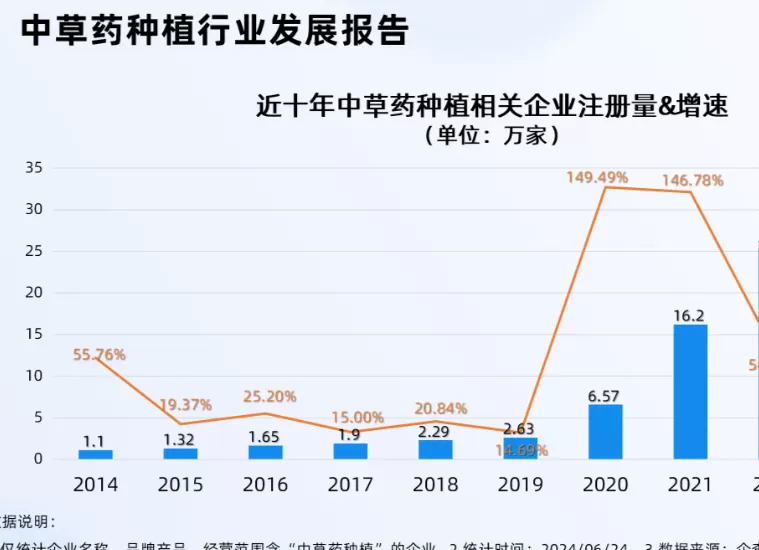
The cultivation of chinese medicinal products is the backbone of modern agriculture and a central project for rural revitalization and efficient agriculture, with high value added, market demand, long-term preservation, and policy support four advantages. With the normative development of the chinese and chinese pharmaceutical industries, the resources for medicinal products in the wild are scarce from year to year, artificially regulated cultivation has become the core source of supply for the drug market, the market gap continues to widen and the prospects for cultivation are stable。
Many start-up farmers and plantations mistakenly assume that chinese pharmacist cultivation is “grassing” and that sowing can produce high yields, which is a core perception error. Chinese pharmacist cultivation is characterized by thoroughness, suitability and standardization. Different types of product differ from soil, climate, altitude, water fattening and light requirements. They follow the criteria of the general principles for the ecological cultivation of plants in forest herb to ensure quality, production and market prices。
The chinese medicine product is very diverse and is divided into four main categories: root roots, flowers, fruit seeds and whole herbs. The common varieties of high-yield varieties include plaster root, yellow cucumber, dansin, gold and silver, daisy, dandelion and white luminium. This paper is being developed in a gradual manner from site mapping, seeding, seeding, planting, field care, green control of pests and diseases, processing of harvests, cultivation of pits, and all aspects of standardized planting techniques, which are suitable for new family and scale base reference studies。
Ii. Selection of sites for chinese medicine cultivation and total location
A map of chinese medicinal plants being cultivated deep in the soil
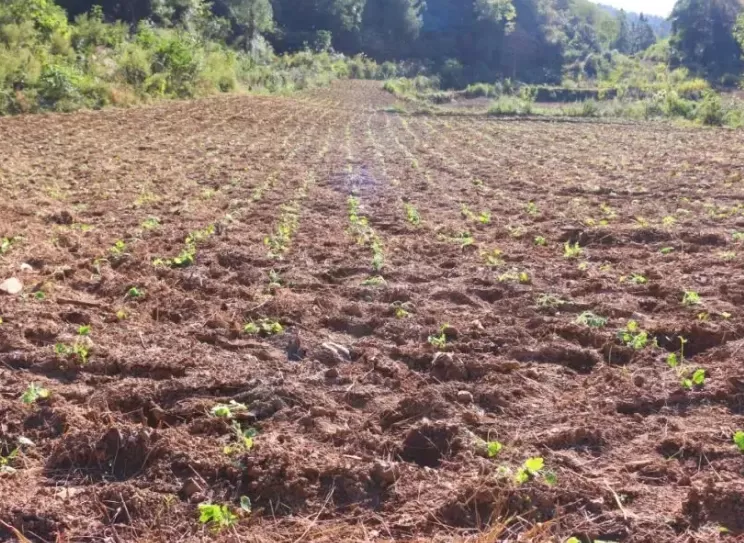
Soil and plot selection, which directly determines the survival, strength and efficacy of the pharmacological product, is the most central basic step in planting and the main cut-off for many low-yielding farmers. The vast majority of chinese pharmacists are adhesive, well drained, organically rich soils, and are resistant to sticky slabs, low-lying water and salinized plots。
Common site selection criteria: priority is given to flat terrain, ventilation to the sun, ease of drainage and drainage, areas of land contaminated from plants and non-heavy metal residues. Root and root medicine is given priority over sandy soil, corrosive soil, air-transmitting and non-disposable root; and flower-type medicine is more adaptable and can be grown in common fine fields。
Standardized processes in the field: before planting, deep-circumbered soil before planting, 20-30 centimetres twice in the spring, ground blocks, weed roots, rock impurities, and weeds for nutrients and eggs for winter. The application of bottom fertilizers combined with soil fertility, dominated by organic and biological organic fertilizer for mature farmers, with a suitable amount of potassium phosphorus fertilizer, and the strict prohibition of uncortilized and super-standard chemical fertilizers to avoid the burning of roots, soil slabs and medicinal residues。
Heavy-rained areas and low-lying plots require high-level planting, digging ditches, trenches and drains, ensuring rapid drainage after the rains, eliminating the roots of the water, and fully matching the requirements of eco-planting for cleaner production. Dryland areas can be used to protect the environment and adapt to the local climate。
Iii. Chinese drug selection for seedling
Good seed screening, seed seed sprouts. Figure
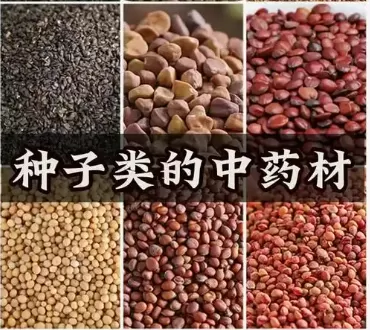
• “good seedlings”, with reduced production, crop failure and poor quality of chinese medicine, 80 per cent due to poor seedlings, degradation of varieties and pests. Standardized cultivation must adhere to the three main principles of good seed selection, ranking and disinfection。
Core selection criteria: priority is given to healthy species that are highly resistant to disease, have a high gestation rate and have a clean landscape, rejecting old, mixed and degraded seeds. The growth rate of formal good seeds needs to be more than 85 per cent, and seedlings require complete roots, full buds, non-decomposition, pest-free and no mechanical damage。
Seed pre-treatment processes: small seed screening for impregnated, dry bacteria; hard-shell seeds, dormant seeds immersed in warm water, sandy seedlings to break hibernation and increase seedlings; all seeds, seedlings need to be sterilized before planting, to effectively prevent root and adhesive disease and to reduce the probability of post-mortem disease。
Scaled cultivation proposes to give priority to a seedling migration model, with better seeding, better growth and higher rates of survival than live seeding, which can effectively avoid the problem of sapling, facilitate later integrated field management and significantly increase overall production。
Iv. Scientific solution and mobilization of chinese
Standardized transfer of chinese medicine, distance map
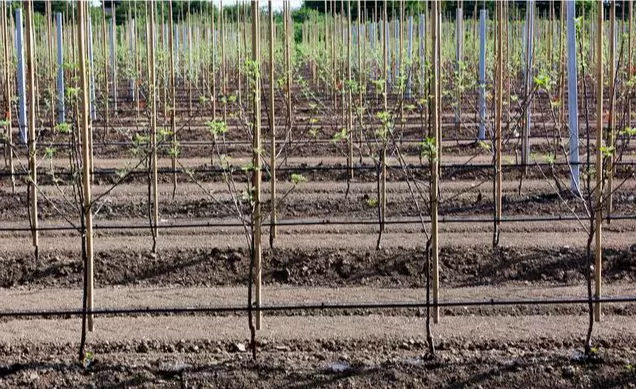
The cultivation of chinese medicinal products is time-sensitive and reasonably intensive, and the timing, density and depth of planting of different products are strictly standard and cannot be planted blindly。
(c) timing of seedings: spring-screeching varieties include plaster root, dansin, yellow curry, daisies, etc., so that the soil is unfrozen and the temperature stabilizes; fall-scattered varieties include white tungstens, tans, red flowers, etc., which are suitable for winterization and return to the young age of the following year; and parts of cold-resistant varieties can be broadcast in winter, using low temperature to perform springization and to improve their accumulation。
Core principles of planting density: the root and root medicine is well developed, based on the long pattern of varieties, and needs to be kept in sufficient growth space; flowers and herbs can be moderately sequestered to increase yields. Overcrowding results in poor ventilation, infestation, infestation and thinning; low land use and insufficient total production。
The key techniques for shifting cultivation are: shifting the shades and evenings away from high temperatures and heavy suns; planting the soil to cover the ground, pouring down the water and fast slowing the seedlings; and covering the membrane to cover the wetting, weed suppression, raising the temperature, achieving a full seedling and significantly reducing the slow-down periods。
V. Complete complete management of the water in the field of media
Map of chinese medicine for integrated field management
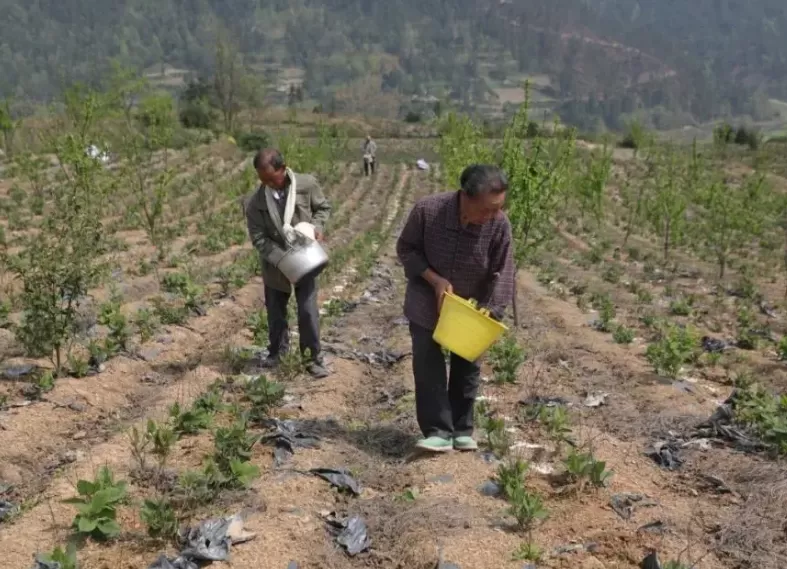
Long-term hydro-fertilizer management of chinese medicine is based on the principles of light and indigence, damp and wetness, and supply on demand. The demand for hydro-fertilizer varies significantly between different stages of growth, with a completely different focus on nursery, long-term and expansionary management。
Shrimp management: young seedlings are weak and shallow and need to control water fattening, so that the soil is wet, so as to avoid heavy water pouring out of the roots, with a small supplement to thin nitrogen fattening, so that the seedlings can take root, grow and grow, and are protected from weakness。
Long-term management: fast long-leaved and long-duration plants need to be grown with increased water fertilizer supply, mainly with a balanced combination of nitrous phosphorus, a combination of leaf-faced fertilizers, increased light co-operation and the accumulation of nutrients。
Root expansion management: nucleus growth phase, strict control of nitrogen fertilizer, potassium phosphorus fertilizer, trace element fattening, promotion of root expansion, nutrient deposition, upgrading of drug content and efficacy, and reduction of hollow, malformation and root problems。
The application of the “dry-and-wet” principle, the timely recharge of dry water, the timely drainage of drainage systems during the rainy season, and the prevention of water and flooding. Scaled bases can be equipped with integrated water fertilizers to achieve precision fertilization, water conservation and improved production, meeting green eco-planting standards. It also produces long-term pine, artificial weeding, prevents weeds from fighting for fattening, and improves the aerobicity of the soil。
Vi. Green pest prevention and control in chinese medicine
Map of the chinese medicine for green pest prevention and control
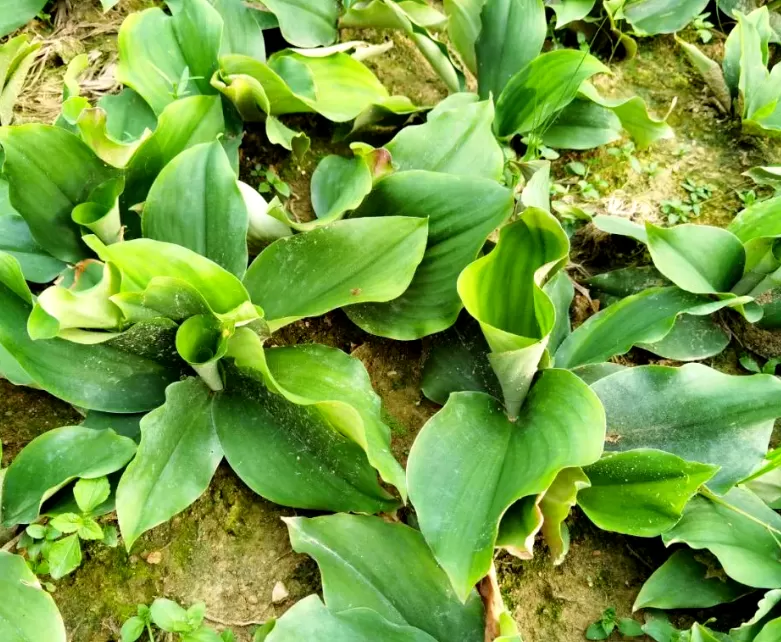
Chinese medicines strictly prohibit highly toxic and highly residual pesticides, and pest prevention and control must be based on the principles of prevention, green control and integrated management, which are key to the marketing of medicines and their adoption through drug tests, as well as on the core elements of distinguishing between common crop cultivation。
Common diseases: root causes of decomposition, pollinosis, foliage, adhesive diseases, mostly caused by water accumulation, poor ventilation, soil larvae, with emphasis on drainage and wetting, rational planting, retortation and soil disinfection。
Common pests: aphids, red spiders, tigers, euphoria, underground pests are the main hazards of root and root medicine, which can lead to break-ups, saplings and reduced yields。
Green control program: prioritize physical control by laying anti-worm nets, adhesive boards, booby traps and manual pest-hunting; biocontrol using biobacterizers, biopesticides, safe from residues; reasonable rotation, with chinese medicine not heavily cultivated, effectively reducing the accumulation of soil diseased eggs and reducing the probability of pests from source. (b) to put an end firmly to prohibited pesticides and to the non-marketability of super-standards for medicinal residues。
Vii. Quipment and complete of chinese production
Standardized collection and processing of chinese medicine figure
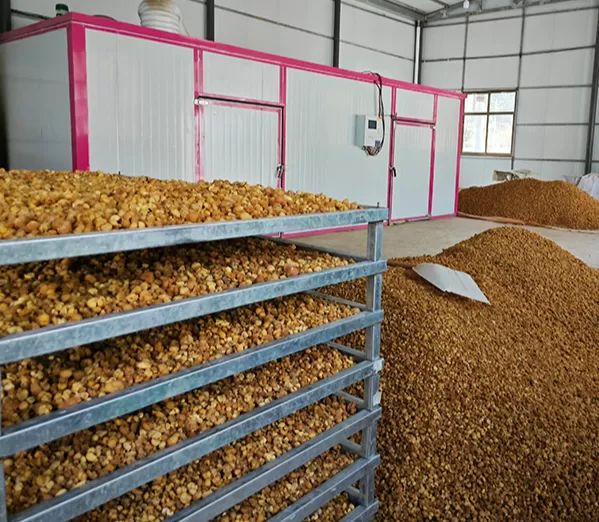
Many growers are managed early, but they are misharvested and misprocessed, resulting in loss of efficacy, variation of product and sale price. The chinese drug collection core: timely harvest, clean harvest, timely processing。
Standards for collection of different products: root and root-type drugs are collected in the autumn after they are aging, at which point the root and root nutrients accumulate the most adequate and effective; leaf-type medicines are collected during the buds and prime flower periods to avoid the ageing of the flower; seed-based medicines are collected after they are fully mature and full of seeds。
Standardized primary processing after harvesting: root stalks are promptly removed from the mud, removed from the mosaics, shearing and stratification; flowers avoid squeezing and break, ventilating and cooling, and the tan is prohibited; all medicines are covered to standard dryness, sorted and stored, tidal, insect, anti-fouling, anti-varication。
Grading is key to increasing revenue, with high-quality aggregates, specials and by-products markets at very high prices, and fine processing can significantly increase overall crop yields。
Viii. Guidelines on common fault areas for chinese medicine cultivation and new hands to avoid pits
New hands to avoid pits in chinese medicine
Ninety per cent of the failure of start-ups is due to blind trails, management of rough areas, cognitive errors, and a summary of the industry's high-frequency pit shelter:
1. Blinding and wind cultivation: what other species are grown outside the local climate soil, and inadequate varieties lead to large-scale loss of production
2. Re-emergence of cultivation: cultivation of the same medicinal products on the same plots over the years, accumulation of soil diseases, each year at a lower rate
3. Abundant, large-water fattening: considered to be a high-yielding product, which in turn results in the emergence, fall-down, rotting roots and agricultural disability
4. Premature and late harvests: early collection of medicines is ineffective, delayed harvesting of wood and deterioration
5. Light trust in high-price recovery packages: prioritize formal distribution channels and reject false price-high-price schemes。
It is recommended that the risks of planting be steadily reduced through the accumulation of experience in small-scale test species, starting with varieties that are easy, stable and readily needed。
Ix. Comprehensive summary of drug production
Summary of core elements of standardized cultivation of chinese medicine
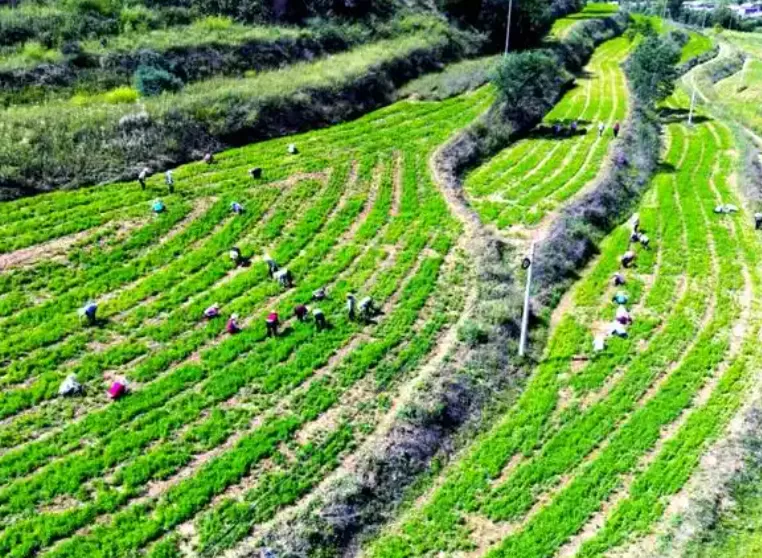
Standardized chinese medicine cultivation is a complete technical system of choice, good seeding, seeding, care, control, harvesting and processing, and is not simply field seeding. In order to achieve high yield, quality and high returns, it is necessary to follow eco-planting standards, relying on science and technology to control each link: climate selection of suitable soil, laying the foundations of the preferred species, finely refining water fertilizers and herbicides, green pest control and pest control, and timely harvesting and processing。
Chinese medicine, as a raw material for chinese medicine, has long-term stability in the market and has strong policy support. In the case of small-scale farmers, it is important to move away from the idea of blind farming, to acquire standardized planting techniques and to avoid industry models, in order to effectively increase the production, efficacy and quality of medicinal products, stabilize the market for pharmacological products, achieve sustained growth and efficient income generation, and reap the agricultural dividends that characterize deep cultivation。










