


Reporting person: xx
Click here to add subheadings
Methods of growing vegetables
Contents
Contents
01
Preparation for vegetable cultivation
02
Steps in vegetable cultivation
03
Attention to vegetable growth
04
Common problems and solutions to vegetable cultivation
05
Harvesting and conservation of vegetables
Preparation for vegetable cultivation
Xx
Partone
Select the appropriate vegetable type
Selection of suitable vegetables according to season and climate
Selection of suitable vegetables according to soil and environmental conditions
Vegetables selected according to market demand and economic efficiency
Pay attention to the rotation and matching of vegetables, avoiding heavy and pests
Determination of planting time and season
Considering market demand and growth cycles
Following the vegetable growth pattern and rationalize the timing of planting
Timing of planting according to vegetable type
Cultivation season determined according to climatic conditions
Preparation of soil and planting containers
Select the appropriate soil type, such as organic soil, sand soil, etc。
Soils require proper tillage and mixing of organic fertilizers。
Suitable planting containers, such as flower basins, wooden boxes, etc., are selected according to the type of vegetable。
There should be drainage holes at the bottom of the container to prevent water accumulation。
Steps in vegetable cultivation
Xx
Partwo
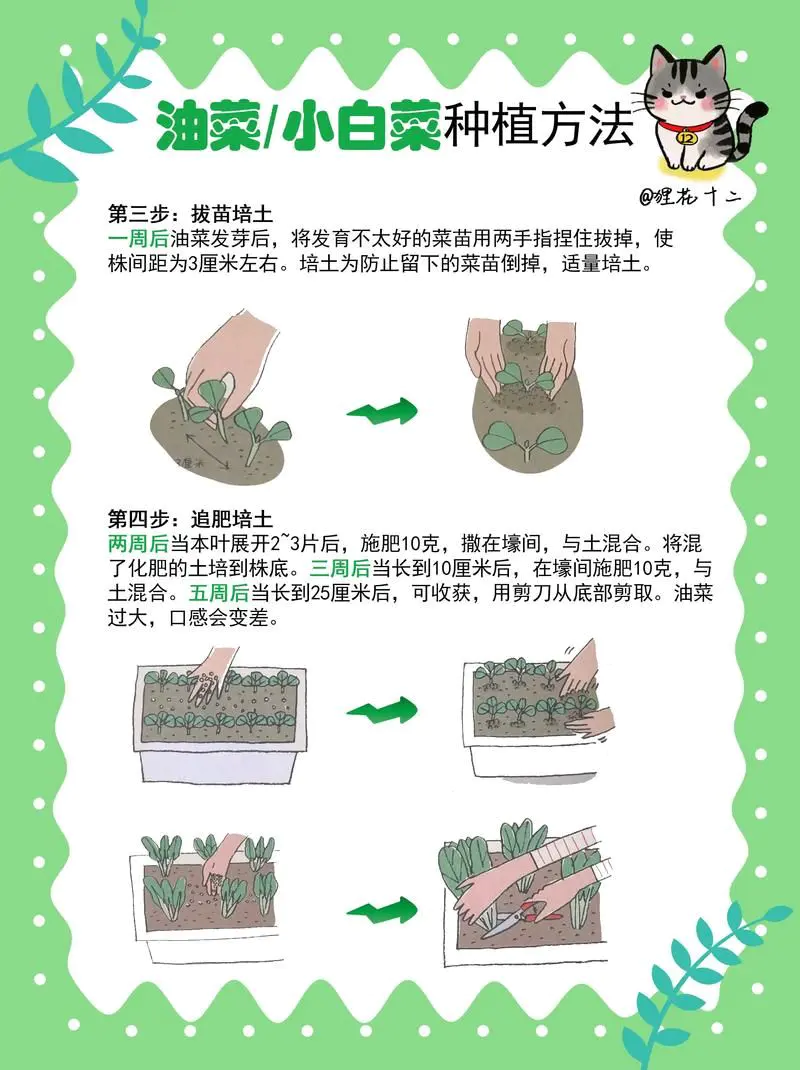
Seeding
Preparation of seeds: choose healthy and full seeds and prepare the soil and containers needed for planting。
Depth of sowing: based on the size of the seeds and the type of soil, the depth of sowing is generally 1-2 times the diameter of the seeds。
Watering: watering should be done in a timely manner after planting and soil moist。
Covered soil: slightly covered seeds with fine soil to maintain soil temperature and humidity。
Water
Water use: water conservation, such as canteens or drip irrigation
Waterstuff: appropriate, avoid overwetting or drying
Frequency of watering: determined according to vegetable growth phase and climatic conditions
Watering time: morning or evening to avoid high temperatures
Fertilizing
Determination of the application of fertilizers: the application of fertilizers is determined on the basis of vegetable types and soil fertility, avoiding excessive fertilization leading to burning of seedlings or insufficient nutrients affecting growth。
Selection of fertilizer types: selection of suitable fertilizers, such as organic fertilizers, fertilizers, etc., based on vegetable growth needs。
Fertilizer methods: use appropriate fertilisation methods, such as cave, strip, general application, etc., to ensure a balanced distribution of fertilizers。
Attention: avoid fertilization too deep or too shallow, in high temperatures or in rainy days, etc。
Deworming
Manual pest catch: when pests are found, they are captured and disposed of by hand in a timely manner。
Vegetable oil protection against insects: using natural vegetable oils to make insect-proof fluids, sprayed on vegetable leaves, effectively ejecting and killing pests。
Biological control: use of biological control methods such as natural enemies and parasitic insects to treat insects and reduce the number of insects。
Agriculture prevention and control: reduce insect sources and reduce the incidence of pests through agricultural measures such as rational rotation, deep tan。
Attention to vegetable growth
Xx
Parthree
Control of light and temperature
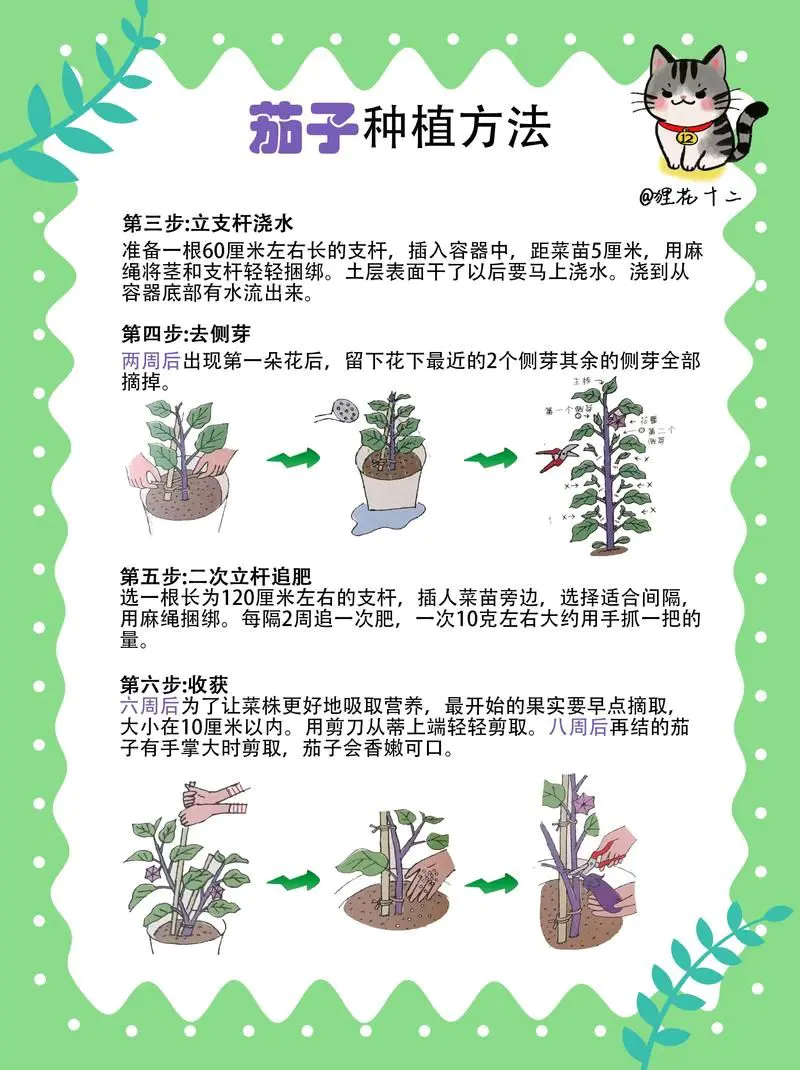
Light: adjusting the timing and intensity of light to the type of vegetable to avoid excessive or weak light。
Temperature: maintain appropriate temperature differentials for day and night to avoid the effects of high or low temperatures on vegetable growth。
Excessive or low temperatures affect the growth rate and quality of vegetables and therefore the temperature is reasonably controlled。
Insufficient light affects photosynthesis and slows the growth of vegetables, thus ensuring adequate light。
Maintain soil moisture
Regular watering and soil humidity
Avoid overwatering and prevent soil accumulation
Adjustment of water intake to vegetable types and stages of growth
Choose appropriate water irrigation methods, such as spraying, drip irrigation, etc
Timely harvesting
Vegetables should be harvested in a timely manner when they mature to avoid aging affecting taste and nutritional values。
The selection should be made in the morning or evening so as to avoid high temperature periods, which would affect the freshness and quality of vegetables。
Hand-washing should be carried out prior to harvesting and the cleaning of vegetables should be ensured。
Vegetables that are harvested should be properly preserved to avoid direct sunlight and damp environments and to maintain ventilation and drying in order to extend the period of preservation of vegetables。
Common problems and solutions to vegetable cultivation
Xx
Partfour
Pest control
Common pests and pests: presentation of common types of vegetable pests, such as aphids, larvae, etc。
Prevention and treatment methods: provide effective prevention and treatment methods for different pests and diseases, such as biological and chemical control。
Preventive measures: emphasis on the principle of the predominance of prevention and the introduction of effective preventive measures, such as rational rotation, seed disinfection, etc。
Attention: to alert growers to the need to combat pests and diseases, such as avoiding the use of highly toxic pesticides and ensuring safety。
Poor growth responses
Adjustment of light: rationalize the location of the plant according to the type of vegetable to ensure sufficient light time。
Control of moisture: water is humid, soil is humid and overdry or wet。
Scientific fertilization: rational fertilization and supplementary nutrition based on vegetable growth needs。
Prevention and control of pests and diseases: periodic examination of vegetable growth and detection of pests and diseases for timely intervention。
Ways to increase production
Add title
Add title
Add title
Add title
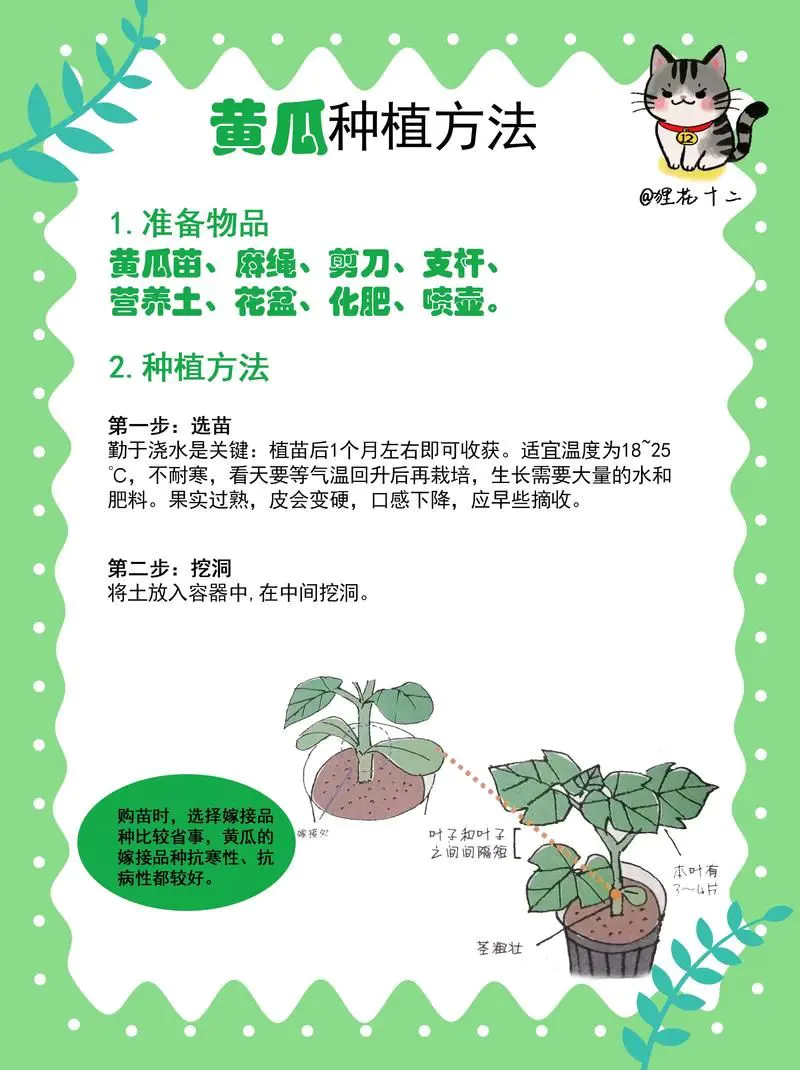
Reasonable fertilization, adequate supplementation based on vegetable demand
Select the appropriate planting time to ensure an appropriate growth environment
Scientific irrigation to keep the soil wet and avoid flooding or drought
Timely prevention of pests and diseases and a combination of biological and chemical control
Harvesting and conservation of vegetables
Xx
Parfive
Time and manner of harvest
Add title
Add title
Add title
Add title
Appropriate harvesting methods, such as mechanical or manual harvesting, are selected according to the type of vegetable。
Vegetables should be harvested in time to avoid excessive growth or ageing。
The harvest should be clean and avoid pollution and pest transmission。
After harvesting, appropriate treatment and preservation, such as cleaning, classification, packaging, etc., should be undertaken to preserve the freshness and quality of vegetables。
Method of saving vegetables
Refrigeration: vegetables are placed in refrigerators or freezers, and temperatures are maintained to prolong storage time。
Drying: drying vegetables into dry products that can be kept permanently。
Pickled: vegetable pickles are made of pickles or pickles, which can increase the amount of time spent on conservation and the taste of wind。
Canned: vegetables are loaded into clean tanks with appropriate quantities of water or salt water, sealed and stored in the shade, which can be preserved for longer periods。
Reporting person: xx
Thank you
Your watch









