


Studies
Page
1-
Projection of the development strategy and investment potential of the rice-growing market in china, 2025-2026
I. Market background analysis
1. 1 policy environment analysis
(1) in recent years, my government has attached great importance to agricultural development, particularly food production. At the national level, there are a number of policies aimed at guaranteeing food security and stabilizing food production. The policy environment has had a profound impact on the development of the rice-growing market. With regard to the agricultural subsidy policy, the state has increased subsidies for rice cultivation, raised the income level of the growers and stimulated incentives for rice cultivation. In addition, the state provides a sound policy environment for rice cultivation through tax breaks and credit support。
(2) in the area of agricultural science, technology and innovation policies, the state has strongly supported the transformation of agricultural science and technology and has encouraged enterprises, research institutes and farmers to work together to promote innovation and diffusion of rice-growing technologies. This has provided strong technical support for rice cultivation and has contributed to improved rice production and quality. At the same time, the state has strengthened the protection of the agro-ecological environment and has implemented a series of ecological compensation policies to encourage farmers to adopt green production methods and improve the capacity for sustainable development of rice cultivation。
(3) in the area of international trade policy, my government actively promotes the opening up of agriculture to international agricultural cooperation and competition. This has created favourable conditions for rice exports to expand domestic and foreign markets and increase farmers ' incomes. At the same time, my government has strengthened its cooperation with international rice research institutions, introducing advanced rice cultivation techniques and management experience from abroad, which provide strong guarantees for the development of domestic rice cultivation markets. In sum, the policy environment has contributed positively to the development of the rice-growing market。
1. 2 economic development level analysis
(1) as the country's economy continues to grow, the income level of the population is rising and the consumption structure has changed significantly. The share of food consumption in household consumption expenditure has gradually decreased, but demand for food consumption remains stable. This change provides a stable consumption base for the rice-growing market. At the same time, as urbanization accelerates, demand for quality rice in peri-urban areas increases, driving the rice-growing industry towards high quality and efficiency。
(2) against the background of rising levels of economic development, the restructuring and upgrading of agro-industry becomes a necessary trend. The rice-growing industry, which is the country's traditional advantage, is gradually being modernized, scaled up and consolidated. On the one hand, increasing agricultural scientific and technological inputs have improved the yield and quality of rice cultivation, while on the other hand, the expansion of agro-industrial business models has contributed to the improvement and extension of the rice-growing industrial chain。
(3) with the increasing internationalization of our economy, demand for rice products from domestic and foreign markets has become more diversified. On the one hand, the growing demand for quality rice in the domestic market has contributed to the development of the rice-growing industry towards high quality and diversification, and, on the other hand, the growing demand for rice products in the international market has provided a vast space for the development of our rice-growing industry. Against this background, the development potential of the rice-growing market is enormous, and higher levels of industrial upgrading and economic growth are expected。
1. 3 analysis of technological advances
(1) in recent years, the country has made significant advances in rice cultivation techniques, particularly in the fields of breeding, planting techniques and pest control. In the selection and breeding of varieties, new varieties of rice are emerging, and the characteristics of disease resistance, insect resistance, drought resistance and saline resistance have increased significantly. With regard to planting techniques, advanced technologies such as water-saving irrigation, soil formulation fertilization and integrated pest management have been widely applied and have been effective in improving the yield and quality of rice。
(2) as information technology and material networking technologies continue to develop, the use of smart agriculture in rice cultivation is becoming more widespread. Through smart monitoring systems, information on soil, climate, pests and diseases can be obtained in real time to achieve precision irrigation, fertilization and pest control. In addition, the use of automation equipment such as drones and robots in rice cultivation has further increased productivity and productivity。
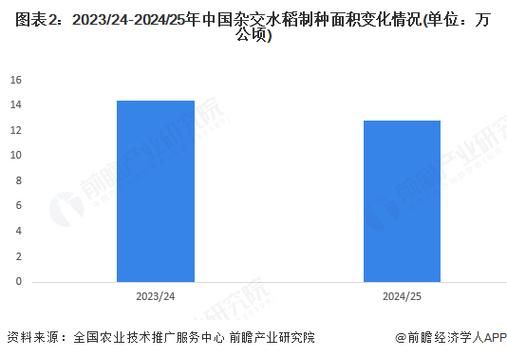
(3) there has also been a breakthrough in the application of biotechnology to rice cultivation. Biotechnologys such as genetic editing and transgenics play an important role in rice resistance to disease, insect resistance and increased productivity. At the same time, biological control technologies have gradually replaced chemical control, reducing pesticide use, reducing environmental pollution and promoting sustainable development of rice cultivation. These technological advances have provided strong support for the development of our rice-growing market。
Market demand analysis
2. 1 rice consumption demand analysis
(1) as the world's largest rice consumer, our demand for rice consumption has steadily increased. As the standard of living of the population improves, demand for quality rice is increasing, and demand for quality rice is increasing every year. Growing consumer awareness of the concepts of health, nutrition, green, organic, etc. Has contributed to the rapid development of the high-end rice market. In addition, demand for industrial rice is growing as the catering and food processing industries flourish。
(2) in terms of territorial consumption, the demand for rice is high in the south, particularly in the main rice-producing areas of the yangtze and pearl river basins. While consumption of rice is relatively low in the northern region due to climatic constraints, demand for rice in the northern market has been increasing in recent years as consumption habits have changed and rice varieties have diversified. At the same time, as urbanization accelerates, the demand for rice by urban dwellers tends to be diversified and high-end。
(3) in terms of the consumption structure, traditional rice consumption has gradually diversified to include rough rice, embryonic rice, impurity rice, etc. Consumer demand for rice-eating products is no longer limited to taste and appearance, with greater emphasis on nutritional values and health attributes. In addition, with the spread of the concept of healthy diets, the market for the consumption of special-purpose rice such as organic rice and non-genetic rice is gradually expanding. These changes present new development opportunities and challenges for the rice-growing market。
2. 2 analysis of rice export demand
(1) our rice export market has shown a steady increase in recent years. Major export destinations include asia, africa and latin america, where south-east asian countries are more dependent on our rice. Our rice export varieties, which are mainly high-quality rice, include long, medium and short grains, which are more competitive on the international market。
(2) the main factors affecting our rice export demand include the supply-demand relationship in international markets, exchange rate movements, trade policy and the competitiveness of our rice industry. In terms of supply and demand on the international market, as the global population increases and consumption levels rise, the demand for rice continues to grow, providing vast market space for our rice exports. Exchange rate movements have a direct impact on export prices, and the devaluation of the renminbi has helped to increase the price competitiveness of our rice on the international market. Changes in trade policies, such as tariff adjustments and trade agreements, can also have important implications for export demand。
(3) the competitiveness of our rice industry is reflected in the advantages of varieties, productivity and quality control. Our country is strong in the selection and improvement of rice varieties and can meet the needs of different markets. In terms of production efficiency, we have improved rice production and quality by promoting modern farming techniques. With regard to quality control, we have strengthened the quarantine of exported rice, ensured product quality and increased confidence in international markets. Together, these factors have contributed to the growth of our rice export demand and laid the foundation for further expansion of future export markets。
2. 3 analysis of trends in changing market demand
(1) global rice market demand is expected to grow in the long term. As population growth and urbanization accelerate, demand for rice will increase. In developing countries in particular, demand for rice quality is also increasing as the income levels of the population rise, which will bring new growth points to market demand for high-quality rice products。
(2) increasing consumer interest in health, nutrition and environmental protection will drive the rice-growing market towards green, organic and healthy. In the future, consumer demand for non-modified, low pesticide residues and high nutritionally valuable rice products will increase, presenting both challenges and opportunities for rice growers。
(3) with the effects of global climate change, climate adaptation of rice cultivation will become an important trend in changing market demand. Rice varieties adapted to different climatic conditions, as well as cultivation techniques that improve resilience, will be favoured by the market. In addition, an increased awareness of global food security will drive innovation in rice cultivation technologies and a shift in cultivation patterns to meet future changes in market demand。
Iii. Analysis of market competition patterns
3. 1 analysis of industry concentration
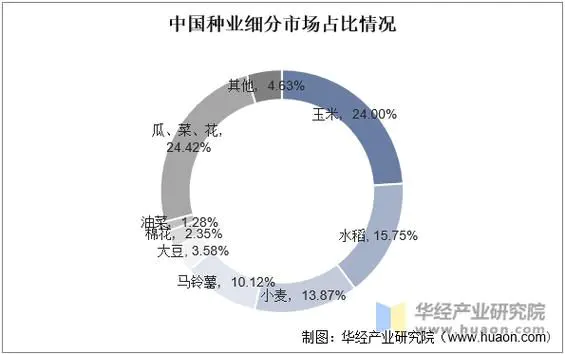
(1) the rice-growing sector in the country has a relatively high concentration, mainly reflected in the fact that a small number of large enterprises and cooperatives have a larger share of the market. These enterprises usually have advanced production technologies and equipment, as well as greater market competitiveness. They have increased production efficiency and market share through scale operations. However, with the modernization of agriculture, small and medium-sized growers are gradually upgrading their skills and market competitiveness, and the concentration of industries has been decentralized。
(2) in regional distribution, the concentration of rice cultivation varies somewhat. The southern region has a long history of rice cultivation and a relatively high concentration of industries due to climatic conditions. In the northern region, the concentration of the industry is relatively low owing to the small area under cultivation of rice. In addition, agricultural policies and market environments in different regions can affect the distribution of industrial concentration。
(3) from an industrial chain point of view, the concentration of rice cultivation is mainly found in the upstream chain of seeds, pesticides, fertilizers, etc. The technological content of these links is high, and there is a high demand for enterprise r & d capacity and market control. The downstream chain, such as processing, marketing and exports, is relatively less concentrated owing to more competitive markets. As the industrial chain expands and integrates, the concentration of the rice sector may change in the future。
3. 2 analysis of major competitors
(1) the main competitors in our rice-growing industry include large agricultural enterprises, cooperatives and individual farmers. Large agribusinesses, such as the sino-chinese food group and the north desert, have gained prominence in the market by virtue of their size, financial power and brand influence. These enterprises usually have modern cultivation bases and processing facilities that provide high-quality rice products。
(2) cooperatives have grown rapidly in recent years as a new type of agricultural business. By integrating resources and increasing the efficiency of cultivation, cooperatives reduce production costs and provide members with a stable source of income. Cooperatives are more cohesive in market competition and can respond effectively to market changes。
(3) the number of individual farmers as an important part of the rice-growing industry, although small, is significant. Individual farmers have some flexibility in market competition and are able to adapt their farming structures to market demand. In addition, with the development of agricultural technology, individual farmers are constantly improving their competitiveness through the introduction of new technologies and varieties. In future market competition, competition among these major competitors will become more intense and will also drive up the overall level of the industry。
3. 3 market competition posture analysis
(1) currently, the rice-growing market in the country is highly competitive. On the one hand, with the modernization and scaling up of agriculture, the market share of large agribusinesses and cooperatives has expanded, with competition concentrated on high-end markets and brand-building. On the other hand, individual farmers are also striving to improve their competitiveness through technological upgrading and improved varieties, with competitive dynamics taking on a diverse character。
(2) price and brand competition are the two main forms of competition in market competition. Price competition is reflected mainly in cost control and market pricing strategies, and enterprises improve price competitiveness by optimizing production processes and reducing costs. Brand competition, on the other hand, focuses on product quality, brand image and market promotion, with enterprises upgrading their market position and consumer recognition by creating well-known brands。
(3) in addition, the competitive dynamics of markets are influenced by factors such as the policy environment, market demand and technological advances. Changes in the policy environment, such as agricultural subsidy policies and trade policies, will have important implications for market competition patterns. Changes in market demand, such as consumer pursuit of high-quality rice, will also drive firms to adjust product structures and market strategies. Technological advances provide new competitive instruments for enterprises, such as smart farming, biotechnology applications, etc., and help to increase their market competitiveness. Overall, the competitive dynamics of our rice-growing market will be more complex and enterprises will need to adapt to market changes and improve their competitiveness。
Analysis of technological developments in rice cultivation
4. 1 analysis of traditional cultivation techniques
(1) traditional rice cultivation techniques include, inter alia, selection, breeding, planting, field management and harvesting. The selection chain focuses on the adaptation, disease resistance and yield of varieties, and the breeding technology requires that seedlings be well and robust. Plugging depends on manual or simple machinery, requiring a flat and appropriate depth. Field management includes fertilization, irrigation, pest control, etc., which require more experience and skills for agricultural technicians。
(2) traditional cultivation techniques have accumulated a wealth of experience in long-term practice, such as selection of suitable varieties according to the climatic characteristics of different regions, rational planning of planting patterns, and agroecological measures such as rotational and inter-cropping to improve soil fertility and combat pests and diseases. However, traditional farming techniques also have limitations, such as high labour intensity, inefficient production and weak risk resistance。
(3) as a result of the modernization of agriculture, traditional farming techniques have evolved towards mechanization and intellectualization. Although traditional technologies still account for a certain proportion of our rice cultivation, their overall position in the industry is declining. The promotion and application of new cultivation techniques, such as drone protection, precision irrigation and intelligent management systems, are gradually changing the face of traditional cultivation techniques and increasing the level of modernization of rice cultivation。
4. 2 analysis of modern cultivation techniques
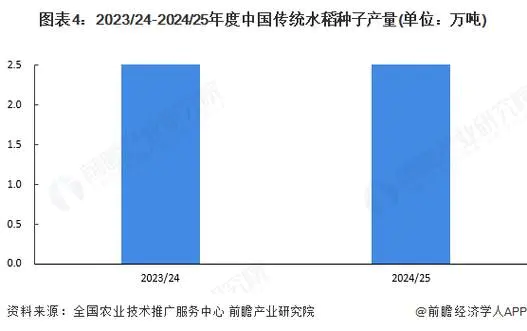
(1) modern planting techniques are widely used in rice production, including biotechnology, information technology, mechanization and smart technology. With regard to biotechnology, the application of genetic editing and transgenic technology has provided new tools for improving rice varieties, producing new varieties such as disease resistance, insect resistance and saline resistance, which have significantly increased rice production and resilience。
(2) the application of information technology in rice cultivation is mainly reflected in agricultural goods networking and large data analysis. The collection of data on soil, climate, pests, etc., through sensors, cameras, and the use of large data analysis techniques for precision irrigation, fertilization and pest control have effectively improved the efficiency of water resources and fertilizer pesticides and reduced environmental pollution。
(3) the application of mechanized and intelligent technologies in rice cultivation, such as drone protection, automated harvesting, etc., has greatly reduced labour intensity and increased productivity. Intelligent management systems allow for the monitoring and management of the entire rice cultivation process and for the automated control of the entire range from seeding to harvesting, thereby reducing production costs and increasing the economic benefits of rice cultivation. The diffusion and application of these technologies mark the gradual evolution of our rice-growing technology towards modernization, efficiency and greening。
4. 3 technological development trend analysis
(1) future trends in technology development for rice cultivation will focus more on sustainable development. As the resource environment becomes more constrained, technologies such as water conservation, fertilizer conservation and energy conservation will become the focus of technological development. For example, precision irrigation technologies can reduce waste of water resources, and soil formulation fertilisation techniques can increase fertilizer utilization, thus achieving green agriculture。
(2) smart and automated technologies will be another important direction in the development of rice cultivation technologies. The introduction of technology such as artificial intelligence and robotics will allow the entire process of rice cultivation to be automating, increasing productivity and reducing labour intensity. At the same time, smart agricultural management systems will enable real-time monitoring of crop growth and provide scientific decision-making on crop management。
(3) the application of biotechnology in rice cultivation will be deeper. The further development of genetic editing and transgenic technology will provide greater possibilities for the improvement of rice varieties, such as the development of new varieties that are resistant to disease, insect resistance, saline resistance and drought resistance, as well as increasing the adaptability and productivity of rice. In addition, biotechnology applications in pest control and improving the quality of rice will continue to expand. Overall, rice cultivation technologies will move in a more efficient, intelligent and sustainable direction。
Analysis of the rice growing industry chain
5. 1 upstream/downstream analysis of industrial chains
(1) the upstream of the rice industry chain consists mainly of seed supply, pesticide fertilizers, agricultural machinery, etc. The seed supply chain, which involves seed selection, seed production and marketing, is key to ensuring the quality of rice cultivation. The pesticide fertilizer chain provides the protective measures required for rice growth, including pest control and nutritional supplementation. Agricultural machinery provides mechanized equipment during planting, management, harvesting, etc。
(2) the mid-stream is the rice cultivation and processing chain. The planting chain, which involves processes such as seeding of rice, breeding, planting, field management and harvesting, is at the heart of the industrial chain. The processing chain, which includes the hulling, polishing, grading, packaging, etc. Of rice, is essential for increasing the value added of rice and meeting market demand。
(3) the downstream link covers rice sales, distribution and consumption. The distribution chain involves the wholesale and retail distribution of rice, while the distribution chain is responsible for transporting rice from its source to its place of sale to meet the needs of consumers in different regions. The consumption chain, which includes household consumption, catering and food processing, is the final link in the rice industry chain. The links throughout the industrial chain are interdependent and mutually reinforcing and together constitute the market operating system of the rice industry。
5. 2 analysis of value chains in industrial chains
(1) in the rice industry chain, value chain analysis reveals the value creation and distribution of different links. Upstream links, such as seed development and supply, pesticide fertilizer, are relatively low in value added, although input costs are high. Middle-range rice cultivation and processing are at the heart of the value chain, which can significantly increase the value added of products through technological advances and scale effects。
(2) processing









