


Gas is an essential source of life in our daily lives, but many kitchen beginners know half how to use it safely. Natural gas and liquefied gases are flammable and explosive, and during combustion they can also generate large amounts of toxic gases, such as carbon monoxide, which are understood with common sense of safety。
What's gas:
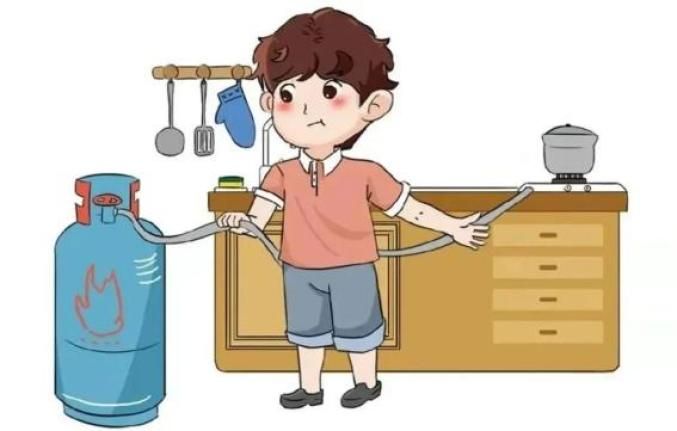
Gases are the sum of gaseous fuels that can burn and release heat for use by residents and industrial enterprises. There are many types of gas, mainly natural gas, liquefied petroleum gas, etc。
Conditions for gas combustion:
One is the accumulation of fuel and flammable air
Second, fuel and air mixtures have reached explosive combustion concentrations
Three is enough ignition。
Caution: blasting can occur only if the three conditions are met at the same time, so that, in our lives and work, care is taken to deal with sudden-onset situations and to avoid the needless loss if the three conditions are not combined。
Four common senses you need to know:
01
How do we identify gas leaks
A “sniff” to see that the pointer is still spinning when the gas is not in use, which could leak. Look at the pipe with some soap and bubbles, it could leak. The smell enhances the power prediction management of new energy stations, enhances accuracy analysis and guides the refinement of power forecasting models。
02
What should we do with the leak
First, shut down the main gas valve, cut off the gas source and quickly open the window door, vent the air out of the air, stop all acts that may cause sparks, and strictly prohibit the opening of any electrical equipment in the room, such as telephone calls, lights, exhaust fans, smokers, etc., and decomposition clothing; finally, evacuate the site and call 119 fire alarm calls outside the room for help; and later, call the gas recovery telephone and be handled by professionals。
03
What about the gas pipeline
First, the total gas valves entering the household were closed, used dry powder extinguishers or wet cloths to extinguish the fires, and the 119 telephones were quickly dialed; in the event of injury, 120 telephones were called, awaiting rescue in a safe area。
04
What about the human gas poisoning
First, the total gas valve was shut down, the gas source was cut, the window door was quickly opened for ventilation, the patient was given a side-bed to prevent suffocation by vomiting, and then the emergency call was called for 120。
Nine moves will teach you how to prevent it
One, three
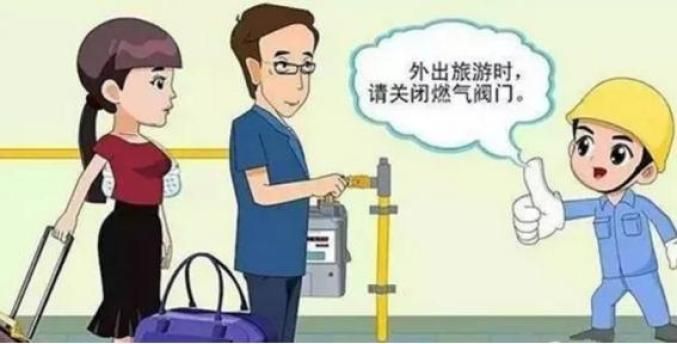
When gas is used, stove switches and front valves should be closed to prevent gas leaks. The front valve will also have to be closed if the trip takes a long time。
2. When gas is used, people do not stay away。
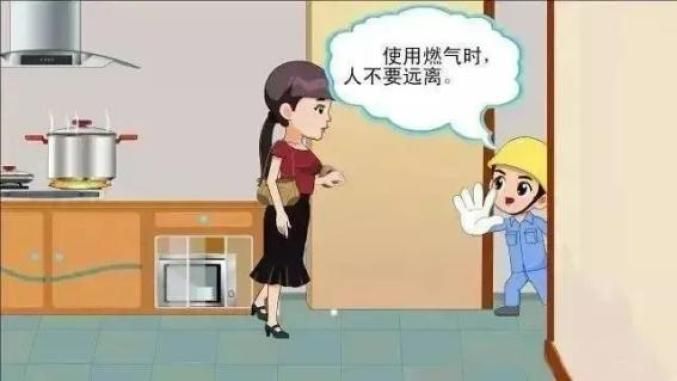
During the use of stoves, people are not allowed to stay away from gas leaks caused by the burning of stoves caused by boiling soup spills or wind blowing。
3. Periodic inspection
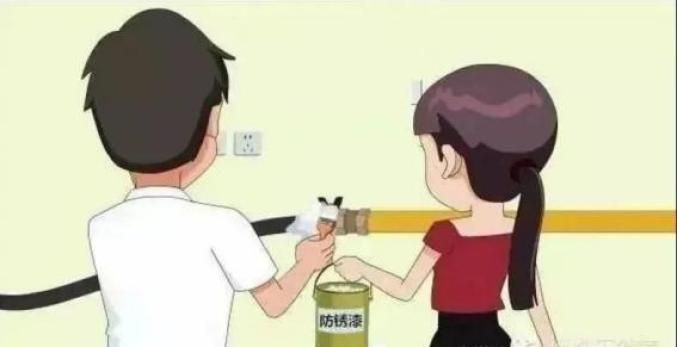
Care should be taken in day-to-day use to check and repair in a timely manner to prevent leakage of gas stoves. The areas most vulnerable to leakage are gas surface casings, various connections on gas pipelines, gas piping, ducts, etc. When a gas leak reaches a certain concentration, an explosion occurs in the open fire。
Be careful with the air
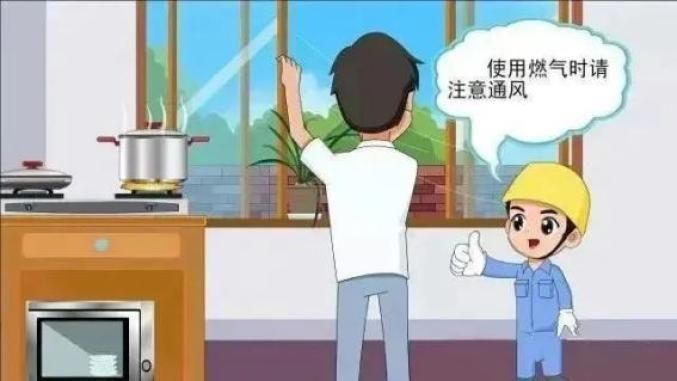
If gas is used for long periods of time, attention must be paid to ventilating. If the kitchen is not well ventilated, the use of gas stoves leads to a shortage of oxygen in the kitchen and to exposure to carbon monoxide poisoning. It is understood that an eye-fired gas stove, installed in a kitchen with a capacity of less than 6 cubic metres, should be replaced at least five times an hour. It would be preferable to install a fan in the kitchen to make air flow。
5. Disguise, open doors and windows immediately and call the gas company to call for repairs。
If there is any smell in the vicinity of the stove, it is essential that windows be opened immediately and that a call be made to the security area in a timely manner. At the same time, all types of fire are prohibited from entering the house, much less being able to turn on, turn off the lights, smoke and make calls at the scene to prevent gas explosions。
6. The need to use gas appliances that meet national standards
Gases that meet national standards should be used, and stoves that do not meet national standards should be strictly banned, resulting in insufficient combustion to produce harmful gases and a high risk of indoor human poisoning。
7. Periodic inspection of gas pneumatic tubes and timely replacement when due。
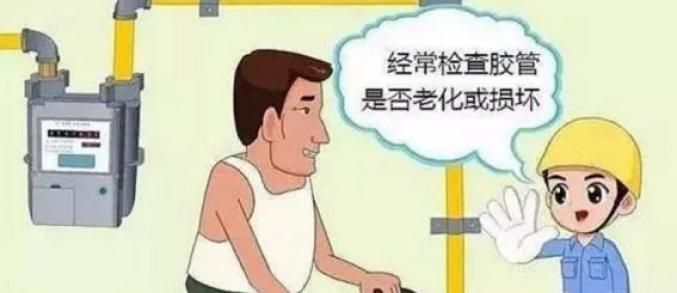
The tubes should be replaced once in 18 months to prevent tortoise cracks, aging, hard-crystals and periodic inspections to prevent rodent bites. The tubes should not be more than 2 m, and both ends should be tight. The ducts cannot be higher than the stoves so that they do not cause accidents caused by the stoves。
8. Recommended metallic bellows
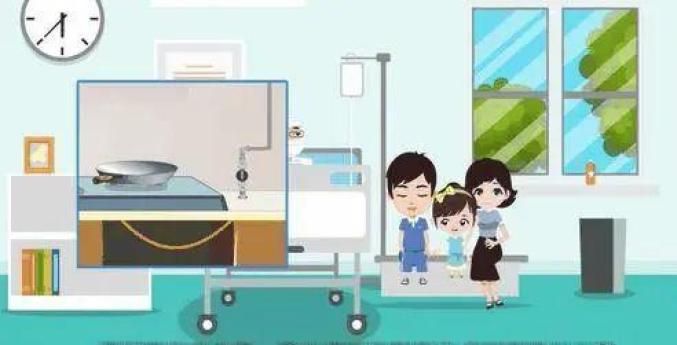
Advantages of metallic bellows: installation is convenient, connections are reliable, rodent bites are resistant, corrosive, soft, long service life, caps can be bent at will, no gas, etc., can reduce non-anthropogenic in-house implosion accidents。
9. What should be noted in the selection and installation of gaseous devices?
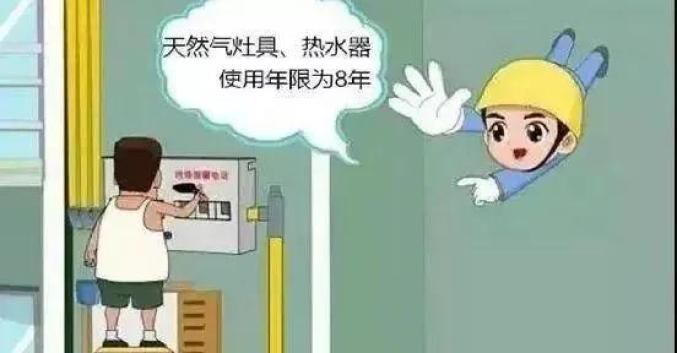
1. Users should choose to purchase gas stoves with a safety-stop protection device. Natural gas stoves and water heaters have a useful life of eight years. 2 gas heaters shall be installed in the kitchen or balcony and shall be strictly prohibited in other spaces, such as toilets, bathrooms, restaurants, living rooms, bedrooms, etc. Users should give priority to the use of high-voltage, balanced gas heaters, the use of straight-row gas heaters should be strictly prohibited and the installation of flue lanes should be regulated。
Use of gas safe "no ten"
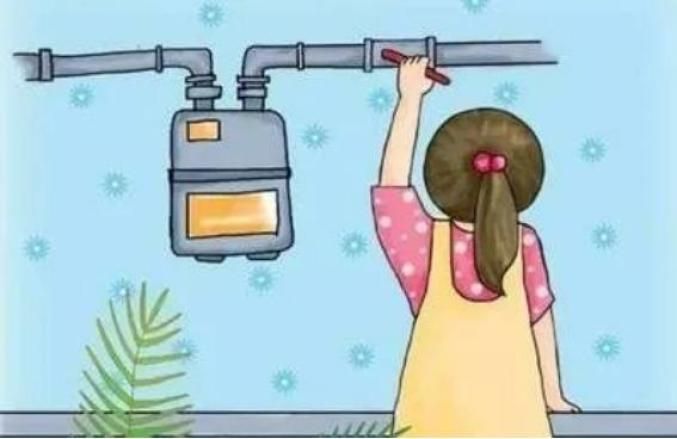
01 no use of multiple gas sources in the kitchen. For users who use pipe gas, bottled liquefied gas or pyrotechnic fires are strictly prohibited in the kitchen。
No flammable and explosive articles shall be placed in the kitchen and fire and explosion incidents shall be prevented。
No tethers, wires or hanging articles shall be tied on gas installations, and firecrackers shall be prohibited on the perimeter of gas installations。
04. Gas users are not allowed to add, change, relocate or load gas facilities and gas metering devices without permission。
No pressure, no gas pipeline facilities。
No room with gas pipelines, gas appliances may be converted to bedrooms, living rooms and bathrooms。
No gas facilities such as gas pipelines, valves, gas appliances shall be sealed or installed in secret。
No unauthorized movement, coverage, alteration, destruction, removal of warning signs for the safety of gas installations。
Illegal use of gas facilities and misappropriation and diversion of gas is prohibited。
No unauthorized opening or closing of valves and gas watch boxes shall be allowed to damage gas installations。
What about the gas leak? :
Measure: location of possible leaks in brushes covered with soap, and leaks in bubbles。
Listen: the gas leaks sound slightly silk, and it's time to keep an eye on the sound。
Smells: the gas contains a deodorant to warn the leak, which could be a gas leak if the smell of a stinking egg is found in the home。
See: if you don't use gas, observe the gas table and if the numbers change, there may be a leak。
The following gas safety use points
Please observe strictly
Points for the safe use of gas
Bottled gas page
(b) gas first inspection: before using liquefied petroleum gas, check whether the steel bottle horn valves, pressure valves, hoses, stoves are intact。
Ventilation is required: kitchen ventilation should be maintained when used, hoses should be kept away from the source of fire on the stove and hoses should not be longer than 2 metres in length。
(c) insistence of air: liquefied gas should be used with a lookout to prevent the flame from being extinguished by spilling soup or by wind, resulting in a gas leak。
Storage of cylinders is prohibited in places that do not have safe conditions: liquid gas may not be stored and used in bedrooms。
(b) pre-slept corner valves: to ensure safety, close the lpg cylinder horn valves on the way out or before sleeping。
Cleanliness can be detected: you can check for leaks in the gas-fired connection with a cleaning foam。
Spill-off angular valves: when liquefied gas leaks, the steel bottle angular valves should be shut down immediately, doors and windows should be ventilated, switch-off appliances should be strictly prohibited, and the gas company should be called outside in time for telephone repairs。
Purchase of qualified stoves, tubes, valves: users should go to professional malls to purchase quality-guaranteed stoves, tubes, valves, and use bottled gas safety is of paramount importance。
Aging hoses should be replaced in a timely manner: the user should periodically check whether the specialized hoses connected to the gaseous gas are released, ageing, leaking, wear and tear, and should use stainless steel-coated hoses and metal-covered hoses. The life of the hose should not be less than the life of the incubation。
It is strictly forbidden to dump the residue: it is strictly forbidden to direct the gas, to pour the residue, and not to pour the cylinders in order to cause a gas accident。
Self-maintenance of gas combustion equipment is strictly prohibited: private self-maintenance of steel bottle horn valves, stoves, etc., should be done by qualified repair units。
Overloading of delivery vehicles is strictly prohibited: when the delivery vehicle overloads, in the event of a traffic accident, there is a high risk of a leak in a steel bottle。
Delivery vehicles are not allowed to park at will: liquefied gas has flammable and explosive properties, distribution vehicles are parked at densely populated sites, with serious consequences in the event of an explosion of a cylinder。
Points for the safe use of gas
Pipe gas
Inside
(b) do not leave people by air: when gas is used, the indoor ventilation should be maintained and not far from the kitchen to prevent accidents caused by leakage or out of control of the gas as a result of fire extinguishing。
Closure valves: the front valves should be closed immediately after each use of the gas kit; if not for a long period of time, the front valves should be closed to prevent gas leaks。
Frequent detection of leakages: users should conduct regular self-inspection, using detergent water to be painted at connections such as gas meters, gas pipes, valves, etc., to check for leakages, which need to be reported in a timely manner if a bubble proves a leak。
Regular check of hoses: users regularly check whether the hoses connected to the gas have fallen off, ageing, leaking, wear and tear and find problems in contacting gas companies for replacement in a timely manner。
Pipelines are banned: do not entangle or hang wires on gas pipelines; do not package gas pipelines and equipment; do not undismantling, private dressing, private switching of gas pipelines and equipment; and, if necessary, specialized personnel are responsible for maintenance, rehabilitation, etc。
The leaks do not turn on electricity: the smell of natural gas, the opening of any electrical switch, the immediate closing of the main valve in front of the gas watch, the light opening of doors and windows for ventilation, and the call to the gas company outside the room for telephone repair。
A second source of gas is banned in the kitchen: other sources of gas are strictly prohibited in the kitchen where natural gas is used, and if leaks occur, they are prone to malicious explosions。
Outside:
Third-party construction of pipelines is subject to guardianship: the removal of soil, construction in the vicinity of the landfill gas pipelines is strictly prohibited, the gas pipelines are not subject to pressure, the construction of pipelines, excavations, etc., may affect the safety of the gas facilities, and a gas facility protection programme should be developed with the gas corporation。
Firecrackers are prohibited in the vicinity of the facility: fireworks are strictly prohibited in the vicinity of the gas facility; explosions or open fires are strictly prohibited, and anyone who detects acts endangering the gas facility and safety warning signs shall immediately inform the gas company or report them to the competent government authorities。
No one may encroach on, damage, remove or move gas installations, nor move, cover, alter, remove or move gas installations with security warning signs。
Non-flammable materials in the vicinity of the facility: it is prohibited to dump flammable explosive or corrosive items in the vicinity of gas pipelines and installations in order to prevent accidents and endanger the safety of people's lives and property。
Do not use gas pipelines for other purposes: it is strictly forbidden to bind vehicles or other articles on outdoor gas pipelines, and it is prohibited to use gas pipelines as loads or lead lines to avoid leaks or other hazards。
It is strictly forbidden to step on an outdoor pipe: it is strictly forbidden to step on, climb on an empty gas pipeline, to collide with the support and support of a gas pipeline, and to engage in other acts that endanger the safety of gas installations。
Note the safe distance of gas installations: when stopping vehicles or other large equipment facilities, be careful to maintain a safe distance from facilities such as gas pipelines, pressure tanks, etc. To avoid collisions and damage to equipment resulting in gas leaks。
Note the high marking of the length of the piping line: when a car passes through the piping line, note that the piping line is not allowed to pass by force, so as not to damage the piping to cause a leak and trigger a gas explosion。
Points for the safe use of gas
Gas safety in the catering industry
Safe use:
1. When gas is used, a flammable gas leak alarm shall be installed in each gas operation to ensure the timely detection of gas leaks。
2. Good ventilation and smooth smoke discharge shall be maintained in the air operation。
3. Gas users are required to regularly check the robustness of the interface between the hoses connected to the gas stoves; when a household user pipe or liquefied petroleum gas cylinder regulators are connected to the flames, stainless steel-coated hoses and metal-covered hoses should be used. The life of the hose should not be less than the life of the incubation。
4. Flammers shall not pass through walls, floors, doors, windows, roofs and floors, and shall not be greater than 2. 0 m in length and shall not have a link。
5. The use of non-compliant and end-of-life gas facilities and gas appliance shall be strictly prohibited, and stoves shall be equipped with fire-closing protection for a period of eight years。
Gas cylinder norms:
1. Users of liquefied petroleum gas cylinders shall use a retroactive source, an enterprise identification of the bottle, a service phone and enter into a gas contract。
2. The net distance between the cylinders and the stoves shall not be less than 0. 5 m, the general pressure reduction valve shall be updated for five years, the seals shall be updated for three years and extended use shall be strictly prohibited。
3. The cylinders shall be set up and shall be strictly prohibited from penetrating, tan cylinders, shall not be used and shall close the horn valves and shall not be heated with open fire or hot water, etc。
Neither is the user:
Gas users are not allowed to install, remove, dismantle, retrofit, move pipe gas installations and metering devices without permission. Rooms with gas pipelines passing through or equipped with gas appliances and facilities are prohibited from living in persons or stacking flammable explosive objects. No ropes, wires or hangings are allowed on gas installations。
Two sources of gas or fuel are not allowed。
Points for the safe use of gas
Gas leak disposal section
The detection of gas leaks should remain calm and take the following measures:
It smells like a leak:
Evacuees — gas leaks can smell like “damn eggs” and should be calm and quickly evacuate families and neighbours。
Close the valve and open the window:
Close the valves and open the windows - immediately close the front valves of the gas table, cut the source of the gas and open the doors and windows to allow the air to flow so that the gas can be distributed。
No phone calls, no lights:
Stop the open fire - do not bring your mobile phones into the room, do not turn off your appliances, and avoid generating electrical sparks and detonation of leaked gas。
People go outside and call the police:
Telephone calls - call outside the house by 110, 119 or call the gas company for repairs。
Professionals handle:
Specialized treatment - professionals are required to test maintenance and not to dismantle themselves。
Everyone values prevention:
The importance of gas safety — it is safe to remember to live well。
Points for the safe use of gas
Gas use, kopp
Gas properties
Gas has dangerous properties that are flammable and explosive. Misuse is highly prone to leakage and accidents。
Consequences of gas spills
The first is gas leaks that spread over the interior, causing serious death to the interior asphyxiating the brain due to lack of oxygen
The second is when a fire or spark causes a fire or explosion, causing loss of life and property。
Reason for gas leakage
The first was the purchase of gas stoves without product certification, which had been in service for more than eight years, had been in service for longer periods and had worn out the switch
Second is the looseness of the pipe and the connection to the hose, which leads to the ageing of the hose or the looseness of the interface at both ends
Three are boiled soup, boiling water or the wind
Four: the valve was not closed after the fire was shut
(e) five are pipe corrosion or valves, interface wear and tear, and six are leakage caused by external force damage such as relocation, renovation, etc.
Seven are leakages due to other causes。
Reason why gas leaks can't turn off appliances
The opening or closing of any electrical appliances (e. G. Electric lamps, fans, exhaust fans, oil smokers, air conditioners, gates, wired and radio conversations, doorbells, refrigerators, etc.) may result in small electrical sparks that cause leaking gas to explode。
Source/ ministry of emergency management of the people's republic of china, hsudu









