


B2bmarkdown: many new hand-planted garlic tends to step on two pits: either sowing too early leads to premature failure or applying only nitrogen fertilizers leads to charisma. In fact, once the two main lines of “specify by seed, make by formula” are identified, the initiative can be held in hand。
I. Watching the sky eats: when is the best planting
The planting time for garlic is not nationally uniform, and the core criterion is local temperature variability. The country is divided into two main areas of cultivation, with a different operating logic。
For the northern winter garlic-producing areas (e. G. The main areas of shandong and henan), the optimal planting period is usually in late october. The test here is intuitive: temperatures are stable at about 15°c ~ 18°c and can produce 4-5 leafs before the ground freezes. At this stage of planting, garlic seedlings accumulate enough nutrients to survive the winter and return to the young. If seeding is too early, pre-winter sprouts are too strong, and resistance is reduced; late is weak and winter risks are high。
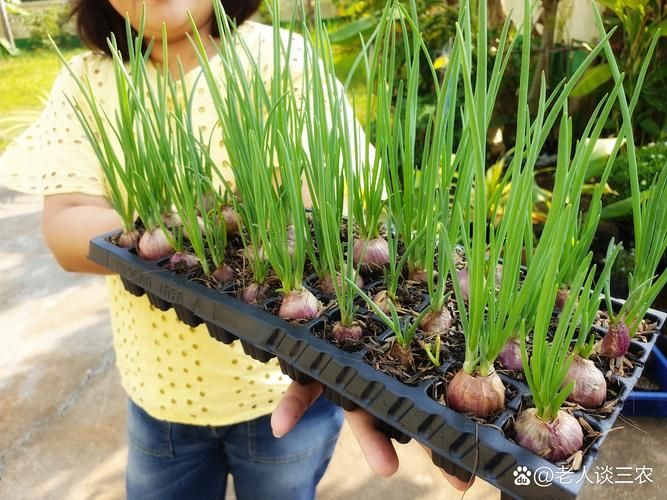
In the south, where the garlic-producing areas (e. G. Jiangsu, parts of sichuan) are located, much of the garlic is sowed in late september and early october, owing to the mild winter season, using the entire winter and early spring. And even summer harvests can be carried out in warmer areas. In any case, the key is to ensure that garlic has a cool long-term life after seeding, so that the spas will be tight and productive。
Nutritional balance: what fertilizer is the most appropriate
Garlic is a typical fertilizing crop, but the demand for fertilizers is clearly phased in. The blind mass urea application is a common error, and the correct strategy is to “re-enhance and follow up”。
Bottom fats determine ceilings: before seeding the whole land, full-fledged farm fats (e. G. Cow dung, goat dung) must be used as base fats, with a recommended usage of 2000-3000 kg per acre. This not only provides comprehensive trace elements but also improves soil structures. High-composite fertilizers (e. G. 15-15-15 n-p-k ratio) with appropriate quantities are also used to bottom the roots. There's a practical rule here: soil tilling depths above 20 centimetres, ensuring that fertilizer is fully mixed with the layer。
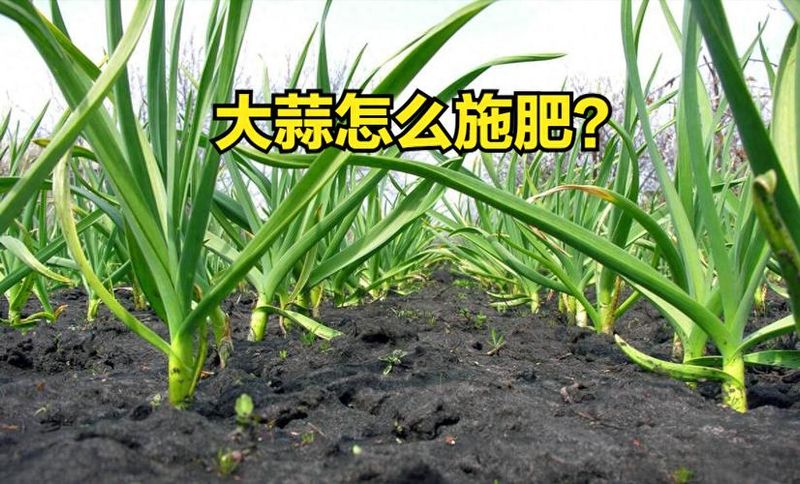
It's time to catch up with the fat: garlic is needed to get into rapid life in the long term (usually after spring return or at the beginning of the split). High nitrogen water soluble fertilizers or urea may be applied at this time, subject to the principle of “a small number of times”. If leaves are found to have yellow hair and growth is stagnant, this means that nitrogen is missing; if leaves are thick but garlic is small, they may be excessive nitrogen fattening, additional phosphorus potassium fertilizer is required to facilitate the transfer of nutrients to garlic. It is generally recommended that potassium fertilizer be followed up before and after garlic pumping, which is essential for increasing the rate and quality of garlic expansion。
Iii. A guide to hole avoidance: key details that can easily be ignored
In practice, in addition to time and fertilizer, several details directly affect the final harvest. First, water management, while garlic is afraid of floods and drought, sows it and water is called “headwashing water”, which is then dry and wet; the week before the harvest must control the water, otherwise the garlic contains too much water, is too high to be stored and perishable。
The second is the choice of varieties, with different regions having different cold and heat resistance requirements. The north prefers purple garlic, spicy, durable transport; the south chooses white leather garlic, growing fast and adaptable. Wrong varieties and the best fertilizing techniques are difficult to repair。
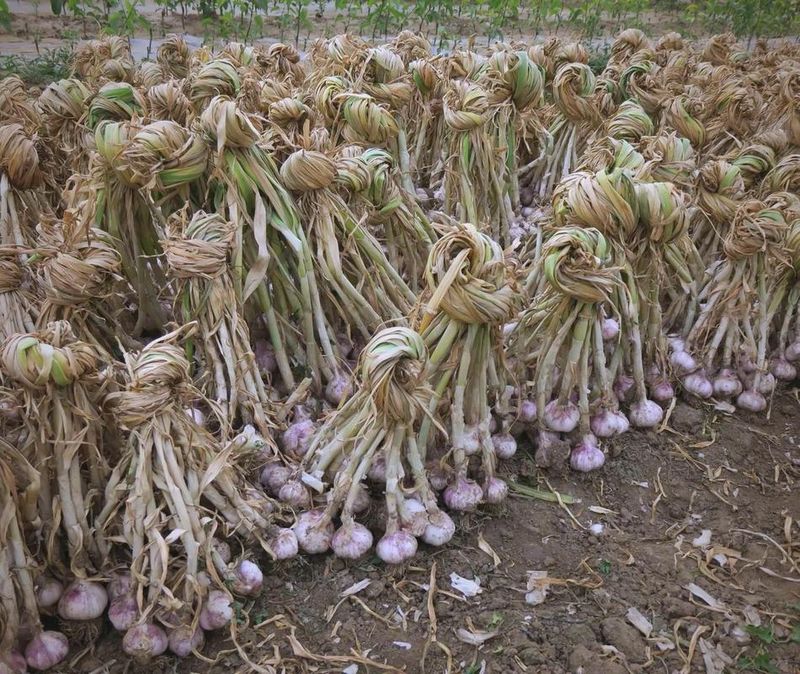
Finally, be alert to the obstacles. Garlic should not be associated, preferably by rotation with maize, wheat or beans, with a period of at least two to three years to reduce endemic disease and root toxin accumulation。
On the whole, remember that the phrase “north autumn and south spring, organic bottom fertilizer is fundamental, nitrogen potassium mix increases” is enough, and the local climate fine-tunes can produce good garlic。
Love purchasing is comprehensive. Love purchasing can help you find a quick reference









