


Everyone knows that the emb may not know much, but it's a more professional name, so what is emb? How does it work
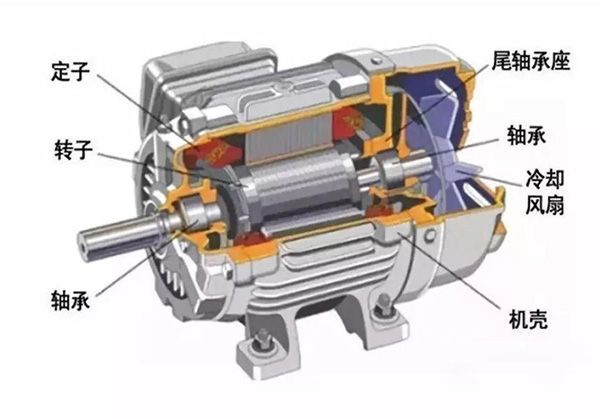
The esp is a synchronous electric motor inspired by the infra-magnetic to generate a synchronized rotation magnetic field, which is used as a rotor to produce the revolving magnetic field, and the tri-segmental contour group reacts through the electro-centre under the function of the revolving magnetic field, thus senses a three-symmetric current。
At this point, the kinetic energy of the rotor is converted to electrical power, at which point the constant magnetic synchronous motor is used as a generator; when the three relative currents are applied to the fixed side, because the three sidings differ by 120° in space, the three sidings generate a rotating magnetic field in space, a rotational magnetic field, which is driven by electromagnetic forces, at which point the electric power is converted to an kinetic energy, and the permanent magnetic synchronous electric machine is used as an electric device。
1. Magnetic mode of supply of direct-flow generators
This magnetic mode generator, which has a specialized direct flow generator called a direct flow magnetometer, has the advantage of independent magnetic currents, more reliable operations and low self-utility consumption. It is the main magnetic mode for generators in recent decades and has more sophisticated operational experience; the disadvantage is that the fleet above 10 mw is rarely used because of the slow pace of magnetic adjustments and the relatively high maintenance workload。
2. Magnetic methods of communication of magnetic power sources
Some modern high-capacity generators provide magnetic currents with an exchange magnetizer, which are also installed on the generator's main axis, and the output of the exchange currents is processed and then provided to the generator's rotor for magnetization. As a result of the introduction of static flow management devices, it is also known as communication magnetism. The generator's direct flow-resilient magnetic circuits and triangulations are entangled in the aluminum. The rotors have only teeth and troughs, and they don't go around groups, like gears. Therefore, it does not have rotational contact components such as brushes and slide rings, which have the characteristics of reliable work, simple structure, and simple manufacturing processes; the disadvantage is that the noise is a little high, and the amount of harmonization of power exchange is also high。
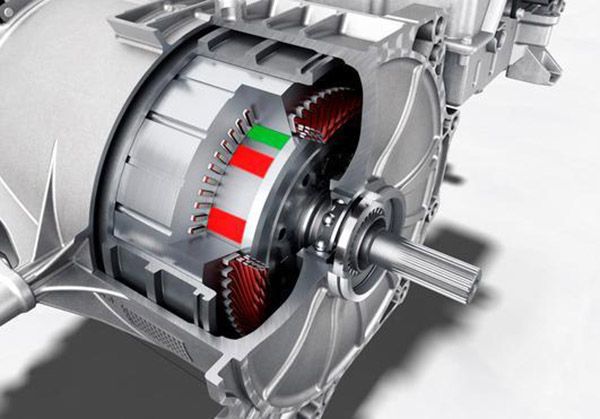
These are the introductions and the working principles of the emps, the basics of which will make it easier to use them and make it easier to produce









